Hospitality Flooring Market Sees Innovation Through Anti-Slip, Sound-Absorbing, and Easy-Clean Flooring Solutions

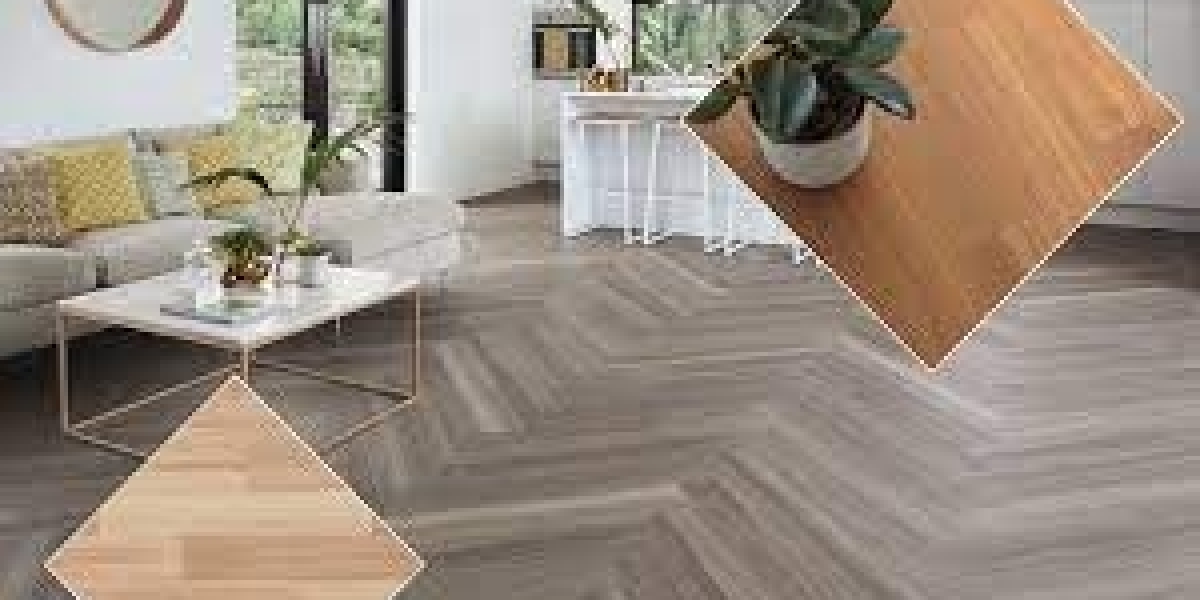
The hospitality flooring market is experiencing rapid innovation in 2025 as hotels, resorts, and boutique properties prioritize safety, comfort, and operational efficiency. Flooring has evolved from a functional necessity to a strategic element that enhances guest experience, reduces risks, and simplifies maintenance. Modern operators are increasingly adopting anti-slip, sound-absorbing, and easy-clean flooring solutions to meet the demands of high-traffic areas while maintaining aesthetics and luxury appeal.
These innovations are transforming how hotels approach interior design, balancing guest satisfaction with safety, hygiene, and durability.
Anti-Slip Flooring: Enhancing Guest Safety
Safety remains a top priority in hospitality, especially in wet areas, kitchens, spas, and outdoor zones. Anti-slip flooring innovations are helping hotels minimize accidents without compromising style.
1. Textured Vinyl and Rubber Flooring
Textured surfaces provide excellent grip underfoot, making them ideal for bathrooms, poolside areas, and dining spaces. These materials reduce the risk of slips while offering flexibility in colors and patterns.
2. Coated Stone and Tile Finishes
Stone and ceramic tiles with special anti-slip coatings maintain a premium look while meeting safety standards. This allows hotels to achieve a luxurious aesthetic while keeping guests secure.
3. Compliance With Safety Standards
Modern anti-slip flooring adheres to international safety standards, allowing hotels to demonstrate their commitment to guest well-being while reducing liability risks.
Sound-Absorbing Flooring: Improving Acoustic Comfort
Noise control is a growing concern in hospitality, affecting guest comfort, sleep quality, and overall satisfaction. Sound-absorbing flooring innovations address this challenge effectively.
1. Acoustic Carpet Tiles
Carpet tiles with integrated acoustic backing reduce footfall noise in corridors, lounges, and conference halls. They provide both comfort underfoot and noise mitigation in high-traffic areas.
2. Cork and Resilient Vinyl Underlays
Cork and specialized vinyl underlays absorb vibrations and sound, improving the acoustic environment in guest rooms and wellness spaces. This contributes to a more peaceful and relaxing atmosphere.
3. Hybrid Solutions
Combining multiple layers, such as carpet over resilient vinyl, enhances sound absorption without sacrificing durability or aesthetics. These hybrid solutions are increasingly adopted in multi-functional areas.
Easy-Clean Flooring: Streamlining Maintenance
Operational efficiency is critical in hospitality, and easy-clean flooring plays a key role in reducing maintenance time and costs.
1. Stain-Resistant Coatings
Modern materials such as LVT, engineered wood, and modular carpet tiles come with protective coatings that resist stains, spills, and dirt. This ensures that high-traffic areas remain pristine with minimal effort.
2. Seamless Flooring Options
Seamless vinyl or rubber flooring eliminates grout lines and crevices, reducing areas where dirt and bacteria can accumulate. This is particularly valuable in restaurants, kitchens, and spa facilities.
3. Quick Installation and Replacement
Modular flooring systems allow for fast installation and selective replacement of damaged tiles or planks, minimizing disruption to guests and staff.
Applications Across Hospitality Spaces
- Guest Rooms: Carpet tiles and cork underlays improve acoustic comfort and hygiene.
- Lobbies & Reception Areas: Anti-slip and easy-clean materials handle heavy foot traffic while maintaining style.
- Corridors & Hallways: Sound-absorbing and modular solutions reduce noise and allow efficient maintenance.
- Restaurants & Bars: Easy-clean, anti-slip surfaces enhance safety and operational efficiency.
- Spas & Wellness Centers: Quiet, slip-resistant, and hygienic flooring promotes relaxation and guest satisfaction.
Market Outlook: Innovation Driving Growth
The hospitality flooring market is poised for sustained growth as operators focus on guest-centric innovation. Key trends include:
- Increasing adoption of anti-slip, sound-absorbing, and easy-clean flooring across all hotel zones
- Modular and customizable solutions to balance durability, aesthetics, and maintenance efficiency
- Rising demand for eco-friendly and sustainable materials that align with wellness and green building standards
- Expansion of luxury and boutique properties prioritizing safety, comfort, and operational efficiency
Manufacturers offering innovative, multi-functional flooring solutions are well-positioned to capitalize on the growing demand from hospitality operators worldwide.
Conclusion
The hospitality flooring market in 2025 is evolving through anti-slip, sound-absorbing, and easy-clean innovations, meeting the dual demands of guest satisfaction and operational efficiency. Modern flooring solutions not only enhance safety and acoustic comfort but also simplify maintenance, reduce long-term costs, and complement luxury interior design.
By investing in these innovative flooring solutions, hotels, resorts, and spas can elevate guest experiences, improve safety, and streamline operations, ensuring competitive advantage in an increasingly discerning market.
Aradhana Nair
41 posts
-
 Bedford train crash occurred after train passed red signal and was not stopped, investigators believe
Interim report says other train it hit had halted on line because warning system wrongly caused it to brake
-
 UK warehouse landlord Segro rejects £12.6bn takeover offer from US rival
FTSE 100 firm says Prologis all-share proposal turned down as it falls long way short of its own views on value
-
 Heatwave pushes Great Britain’s grid operator to call for extra electricity from power plants
Neso issues rare summer warning for Wednesday evening, as households turn on fans and air conditioning
-
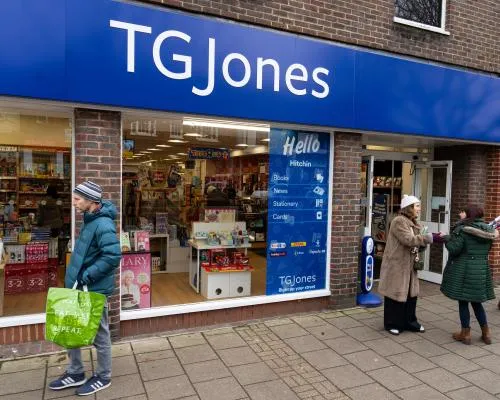 Former WH Smith’s small suppliers to lose at least half of debts in rescue plan
If TG Jones’s aggressive restructuring is voted through, the charity Help for Heroes and other creditors will be out of pocket
-
 Elon Musk’s trillionaire status at risk after drops in SpaceX and Tesla’s shares – business live
Rolling coverage of the latest economic and financial news
-
 Card payments outage hits pubs and shops during England match
Customers report having to use cash at stores such as Tesco and to buy drinks due to outage at payments processor WorldPay
-
 Adidas, Uniqlo and Calvin Klein ads banned over ‘recycled’ clothing claims
UK regulator has increased its scrutiny of fashion retailers over potentially misleading environmental statements
-
 Electricity prices jump in Europe as demand soars in the heatwave
Great Britain has paid at least six times the normal price for imported power as millions turn on air conditioning and windfarm output sags
-
 US AI stock sell-off shakes markets from Wall Street to Asia
Losses spread globally as investors questioned soaring valuations and spending on AI infrastructure
-
 Audit firm to Gupta metals empire fined and banned for ‘egregious’ failures
UK watchdog gives King & King severe reprimand for failing ‘to identify clear self-interest’ when conducting audits
-
 Royal Mail boss’s pay package soars to £6.9m despite profits slide
Martin Seidenberg, chief executive of parent company IDS, handed payouts after takeover of UK postal service


