At Westminster Medical Group, a UK-based hair restoration clinic located in London’s Harley Street medical district, procedures such as FUE and FUT are performed with a focus on natural-looking results and individualized planning. Whether treating male pattern baldness, female thinning, or restoring facial hair, the process follows a predictable biological pattern that varies slightly from patient to patient.
First 3 Months After Surgery
The initial three months after a hair transplant are primarily focused on healing and adaptation. During this stage, the scalp goes through recovery from the micro-incisions made during the procedure.
In most cases, patients notice small scabs forming in the first week, which gradually fall away as the healing progresses. Mild redness or sensitivity can also appear, especially in individuals with sensitive skin. This phase is completely normal and expected in any hair transplant london procedure.
Around the second to fourth week, many patients experience what is known as “shock shedding.” This is where transplanted hairs temporarily fall out. While this can feel concerning, it is actually a positive sign that the follicles are entering a new growth cycle beneath the skin.
During this early stage, there is usually little visible improvement in density. However, beneath the surface, the transplanted grafts are settling into their new blood supply and preparing for future growth. Clinics like Westminster Medical Group emphasize post-operative care during this phase to ensure proper healing and reduce any risk of complications.
Shedding and Regrowth Phase
ween the third and sixth month, the hair growth journey begins to shift from resting to active regeneration. This is the period where early signs of regrowth become noticeable.
Tiny, fine hairs may start emerging from the transplanted follicles. At first, these hairs are often soft, thin, and uneven in texture. Over time, they gradually thicken and begin to match the surrounding natural hair.
For individuals undergoing hair transplant london procedures, this phase can vary significantly depending on factors such as hair type, donor area quality, and individual healing response. Some patients may notice early coverage improvement, while others may experience slower initial growth.
It is important not to judge final results during this stage. The follicles are still establishing their growth rhythm, and density will continue to improve over the coming months. Consistent follow-up and adherence to aftercare guidelines help support optimal results.
6–12 Month Transformation
The most noticeable transformation typically occurs ween six and twelve months after the procedure. This is when the majority of transplanted follicles become fully active and produce stronger, thicker hair strands.
By this stage, patients who have undergone hair transplant london treatments usually observe a significant improvement in density and coverage. Hair begins to blend more naturally with existing strands, and styling options increase as the new growth becomes more stable.
The texture also improves during this period. Initially fine or soft hairs become thicker and more resilient. The scalp’s overall appearance becomes more balanced, restoring a natural hairline or filling previously thinning areas.
Clinics such as Westminster Medical Group closely monitor patients during this phase to ensure that growth is progressing as expected. Adjustments in care routines or recommendations may be provided depending on individual progress.
This stage is often considered the turning point where patients begin to see the true value of their decision to undergo treatment. Emotional confidence and self-image improvements are commonly reported as results become more visible.
Final Maturity of Results
The final stage of the hair growth journey typically occurs ween twelve and eighteen months after surgery. At this point, the transplanted hair reaches full maturity, and the results stabilize.
In a successful hair transplant london outcome, the hairline appears natural, density is consistent, and the transplanted hair behaves like native hair. It can be washed, cut, and styled normally without special care beyond routine maintenance.
By this stage, the growth cycle has fully synchronized with the patient’s natural hair pattern. Any initial irregularities in texture or thickness have usually evened out, resulting in a seamless blend ween transplanted and existing hair.
Long-term success also depends on ongoing hair health. While transplanted follicles are generally resistant to the effects of pattern baldness, non-transplanted areas may still require maintenance or additional treatments in the future depending on individual conditions.
Westminster Medical Group emphasizes long-term planning, ensuring patients understand both the permanence and limitations of transplantation. This includes realistic expectations about future hair loss progression and the potential need for supplementary procedures in some cases.
Conclusion: Understanding the Full Hair Growth Timeline
The journey of hair transplant london results is gradual, structured, and deeply tied to the body’s natural healing and growth cycles. From the early healing stage to full maturation, each phase plays a critical role in achieving the final outcome.
The first few months focus on recovery and follicle adaptation, followed by a noticeable shedding and regrowth period. Significant visible improvement emerges ween six and twelve months, while the final refined result is typically achieved after one year or more.
Patients who understand this timeline are ter prepared for the process and less likely to feel discouraged during early stages. With proper care, realistic expectations, and professional guidance, hair restoration can deliver long-lasting and natural-looking improvements that continue to evolve positively over time.

Marc Porter
1 posts
-
 Will California’s billionaire tax proposal make it to ballots?
Despite more than double the needed number of signatures to qualify for ballot, there’s uncertainty it’ll make it to voters
-
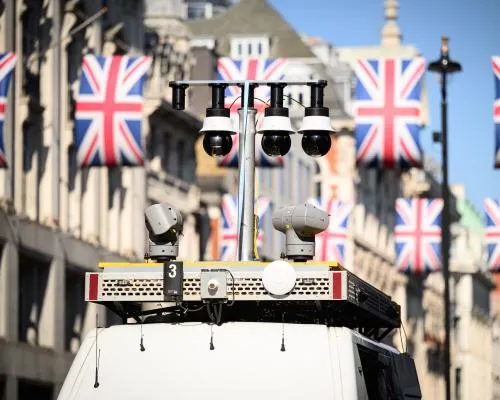 Met to expand use of live facial recognition into central London by Christmas
Technology to be used in six more areas next year as critics say tens of thousands of people will be forced into ‘digital police lineup’
-
 HR consultant wins English court case using AI lawyer in apparent legal first
Barrister who was given material produced by Garfield AI says advocacy at trial ‘remained fundamentally human’
-
 Two Britons plead guilty to £39m 2024 cyber-attack on Transport for London
Thalha Jubair and Owen Flowers, linked to the Scattered Spider hacking group, change pleas on first day of expected six-week trial
-
 AI models that can take down governments and business months away, rare Five Eyes statement warns
Signal agencies in Australia, the US, the UK, New Zealand and Canada sound alarm after Trump blocks foreign nationals from Anthropic’s Fable AI model
-
 Thirsty and power hungry: Australia is in the middle of a datacentre boom – but not everyone is convinced
They’re a key part of the digital and AI economy, but they come at a high environmental cost and offer few operational jobs
-
 Brands using AI-generated influencers to promote products on social media
Investigation finds AI content that purports to show genuine customers, prompting calls for greater transparency
-
 Key Trump allies and Musk on leaked list for secretive Peter Thiel retreat
Figures including Jared Kushner and Scott Bessent named in directory of Dialog participants that was exposed online
-
 A viral doomsday scenario aims to shake Europe out of its AI complacency
A speculative thought-experiment warns the continent could pay a heavy price for lagging behind the US
-
 Derbyshire police officer investigated over AI-generated ‘evidential material’
Unidentified officer removed from frontline duties in the first known case of its kind in the UK
-
 The Rev Michael Humphreys obituary
Other lives: Expert on temperature control in buildings who was also a pastor in the Baptist church


