
Acute heart failure is a life-threatening condition that requires immediate attention. Do you know what to do if someone close to you experiences sudden heart failure? Recognizing the symptoms and acting quickly can make the difference between life and death. This article will guide you through emergency measures for acute heart failure, ensuring you are prepared to help in a crisis. Additionally, knowing how to access online emergency medicine doctors consultation in India can provide you with instant professional guidance in such critical situations.
Acute heart failure occurs when the heart suddenly loses its ability to pump blood efficiently. This sudden loss of function can lead to a rapid and severe buildup of fluid in the lungs and other parts of the body. The consequences of this fluid accumulation are serious and immediate, causing a variety of distressing and potentially life-threatening symptoms.
One of the primary symptoms of acute heart failure is severe shortness of breath. This happens because the fluid buildup in the lungs, known as pulmonary edema, makes it difficult for oxygen to pass into the bloodstream. This lack of oxygen can make the person feel like they are suffocating, leading to intense anxiety and panic. Chest pain is another common symptom, which occurs due to the heart's increased effort to pump blood against the pressure of the accumulated fluid.
Think about seeing a loved one unable to breathe. It’s one of the most frightening experiences you can imagine. Their faces might turn pale, and they could start gasping for air. You feel helpless, not knowing what to do. Every second feels like an eternity, and the fear grips you tightly. In these moments, staying calm and acting quickly is crucial. Time is very important in these moments. When the heart fails suddenly, the body doesn’t get enough oxygen. This can cause serious damage to vital organs.
Knowing the right steps can save a life during an acute heart failure episode. Here are crucial emergency measures:
Acute heart failure is a critical condition that demands immediate action. By understanding the symptoms and knowing the emergency measures, you can make a significant difference in saving a life. Remember, every second counts. Stay prepared, stay calm, and act swiftly to ensure the best possible outcome for those in need.
Q: Can acute heart failure be prevented? A: Managing risk factors like high blood pressure, diabetes, and obesity can reduce the risk of heart failure.
Q: Are there long-term treatments for heart failure? A: Yes, medications, lifestyle changes, and sometimes surgical interventions can help manage heart failure. For personalized and ongoing care, consider utilising online doctor consultation India to stay connected with healthcare professionals and receive timely advice and treatment adjustments.

health live
14 posts
-
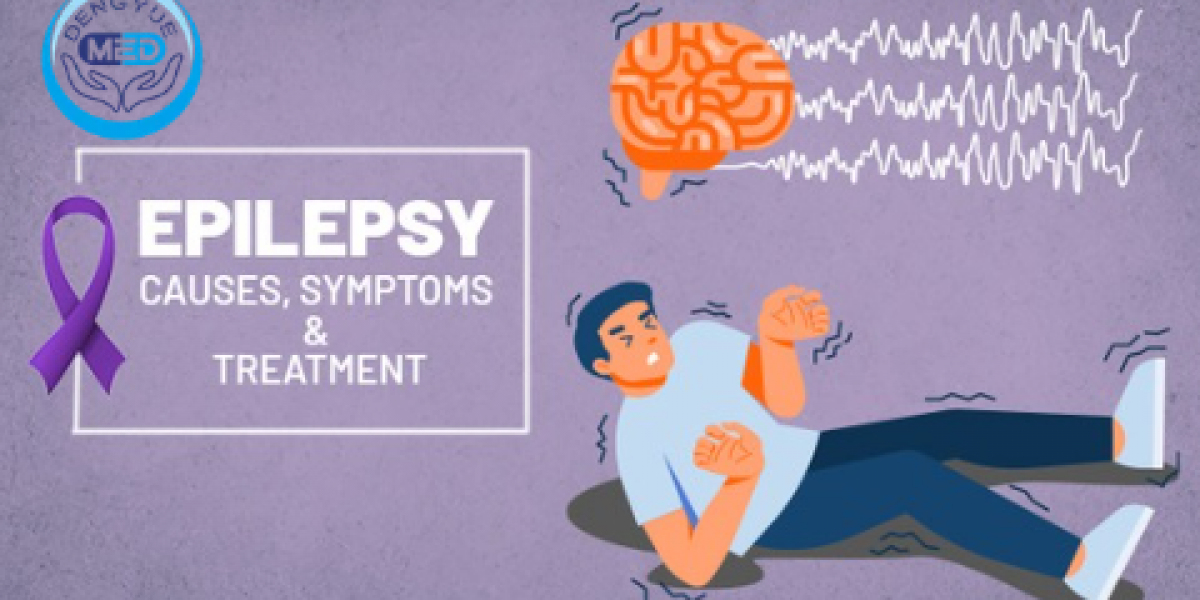 Could Staring Spells and Hand Tremors Be Epilepsy?
Discover 9 common misconceptions about epilepsy, including seizure symptoms, causes, treatment options, medication management, and seizure first aid. Learn the facts about epilepsy and improve awareness to support patients and families.
-
 How Women Long Sleeve Hoodies Redefine Tactical Streetwear Fashion
Women Long Sleeve Hoodies have transformed from simple wardrobe essentials into defining pieces of tactical streetwear fashion. Their evolution reflects a broader shift in how clothing is perceived—not just as a necessity, but as an extension of personality and lifestyle.
-
 Elevate Your Health with Natural Therapies in Oceanside
Discover natural healing at an Acupuncture Clinic Oceanside and a trusted Holistic Wellness Center Oceanside for stress relief, pain management, and total wellness.
-
 Get 10% Off Reliable ED Medicines with Medsvilla Special Deal
These medicines are commonly prescribed and widely used for managing ED symptoms effectively when used under proper medical guidance.
-
 How to Get a Hydrocodone Prescription
Online via Telehealth (Safe & Legal Guide)This guide explains how to safely and legally get a hydrocodone prescription via telehealth,
along with key legal rules and safety precautions. -
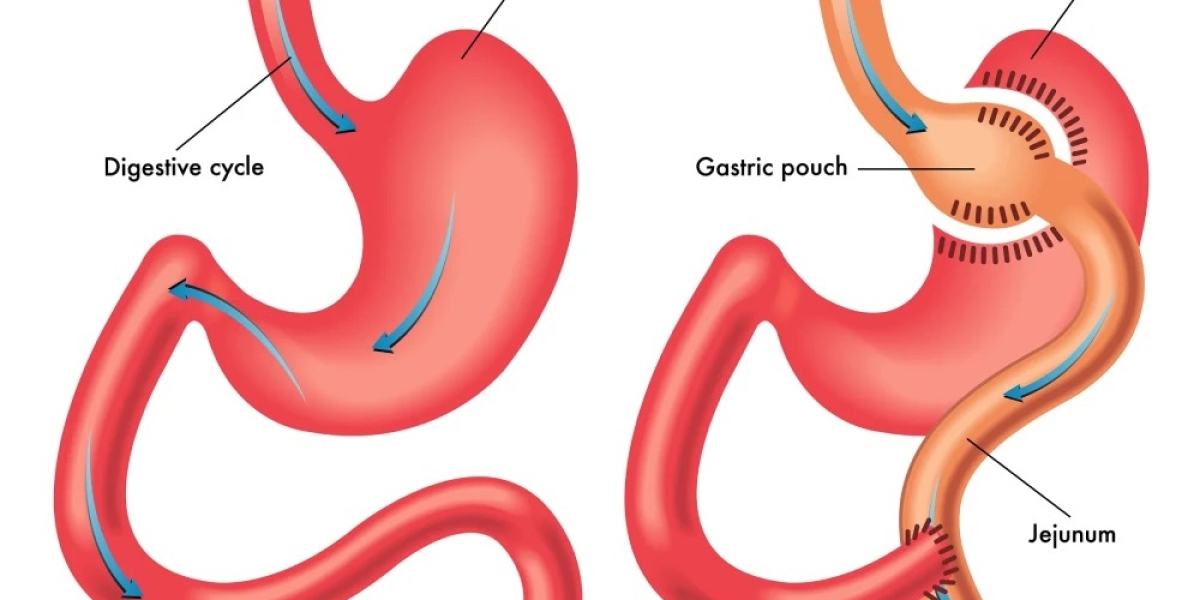 Transform Your Health with Advanced Surgical Solutions in Houston
Invest in your future. Choose Houston. Choose life-changing care.
-
 Unlocking Wellness: Functional Lab Testing & Nutraceutical Care in Columbia
Your path to balance, vitality, and healing starts here.
-
 How Modern Medical Equipment in Train Ambulance Ensures Patient Stability
Discover how advanced ICU equipment in Train Ambulance Service in Patna ensures patient stability during long-distance transfers with ventilators, monitors & expert care.
-
 Women’s Testosterone Dosage: What You Should Know
Testosterone isn’t just for men — it’s also a key hormone for women. When balanced properly, it supports energy, mood, muscle tone, mental clarity, and sexual wellness.
-
 Safe Anavar Purchase Tips: A Detailed Guide
Anavar is a top choice for people looking to build lean muscle, improve strength, and maintain a defined physique.
-
 Book Your Appointment for a Pediatric Dentist Today
Quite rightly so, the early establishment of a "dental home" is the best way to monitor your child's development in a continuous and proactive manner. Finding an excellent pediatric dentist in Dubai should top your list if you seek great specialised attention for your chi


