Finally, an interest rate reprieve – but a ceasefire in the Middle East doesn’t have the RBA popping champagne yet

By Patrick Commins Economics editor • June 16, 2026 • Business
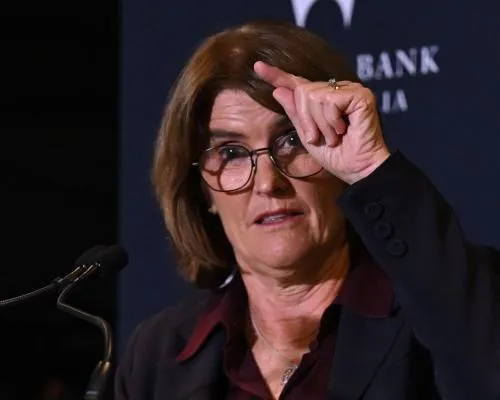
Governor Michele Bullock delivers a strong message after the Reserve Bank holds the cash rate at 4.35%, ending a run of three rises
It will take more than a ceasefire in the Middle East to prevent the Reserve Bank from hiking interest rates again. That was the strong message from the RBA governor, Michele Bullock, after the central bank held its cash rate at 4.35%, putting an end to a run of three increases. Higher borrowing costs have been “tough” on households, Bullock conceded during her regular post-meeting press conference, but there could be no let-up in the battle to (eventually) get consumer price growth into the 2-3% target range. So yes, things are tough – but they would get much tougher if inflation was left to run rampant, she reminded us for the umpteenth time. Prices were rising too quickly even before the US and Israel attacked Iran at the end of February and triggered the closure of the world’s most important oil shipping route, the strait of Hormuz. “I want to be very clear that inflation remains too high,” Bullock said. “Today’s decision does not rule out further tightening in monetary policy if that is what is required to bring inflation down.” Sign up for the Breaking News Australia email Still, for all the tough talk, financial markets are not convinced the RBA will need to go again, putting the probability of a hike by year’s end at a little over 50%. Economists are roughly split on whether interest rates will need to rise again, and the governor’s comments did nothing to change anybody’s mind. The economy slowed markedly at the start of the year, and interest rates are contributing to that slowdown. Unemployment has jumped to 4.5% – its highest since late 2021 – and is set to push a bit higher. Consumer confidence is at around its lowest levels on record; we are as pessimistic as we were during the height of the pandemic. Rising unemployment and slowing growth suggests lower interest rates, or at least no more hikes. Inflation at 4.2%, however, argues the opposite – and hence the difficult terrain the RBA is trying to navigate. Then there’s geopolitics. Global oil prices have retreated to three-month lows of about $US83 a barrel as news emerged late last week that a peace deal between the US and Iran would be signed. Any progress towards peace is welcome, but the cork remains firmly in the champagne bottle. It will take time for shipping companies to regain the confidence to start travelling through the strait of Hormuz. Insurance costs will be sky-high, and months of work will be needed to repair energy infrastructure damaged in the conflict. Bullock “welcomed” reports “that an agreement has been reached to end the conflict in the Middle East”. “If the conflict does end and the strait of Hormuz is reopened, this should support the flow of commodities and lower prices,” she said. “But this could take some time, and an orderly resolution is still not assured, meaning there are still upside risks to inflation and downside risks to growth.” So not a gamechanger, then. Jim Chalmers, the treasurer, was similarly realistic. “We’re very pleased with developments, but realistic about how long it will take for the world economy to normalise,” he said – even if the ceasefire holds. Still, there’s rising optimism that we can at least start ruling out the worst-case scenarios that the strait could remain shut into 2027. And at this moment, any optimism is welcome.
Source: The Guardian
Business Daily
103 posts
-
 ATO outsource call centre workers paid 40% less than public service peers, Fair Work submission claims
Ahead of ‘same job, same pay’ hearings, former call centre worker Nathan Brunne says pay gap is structural and widens at senior levels
-
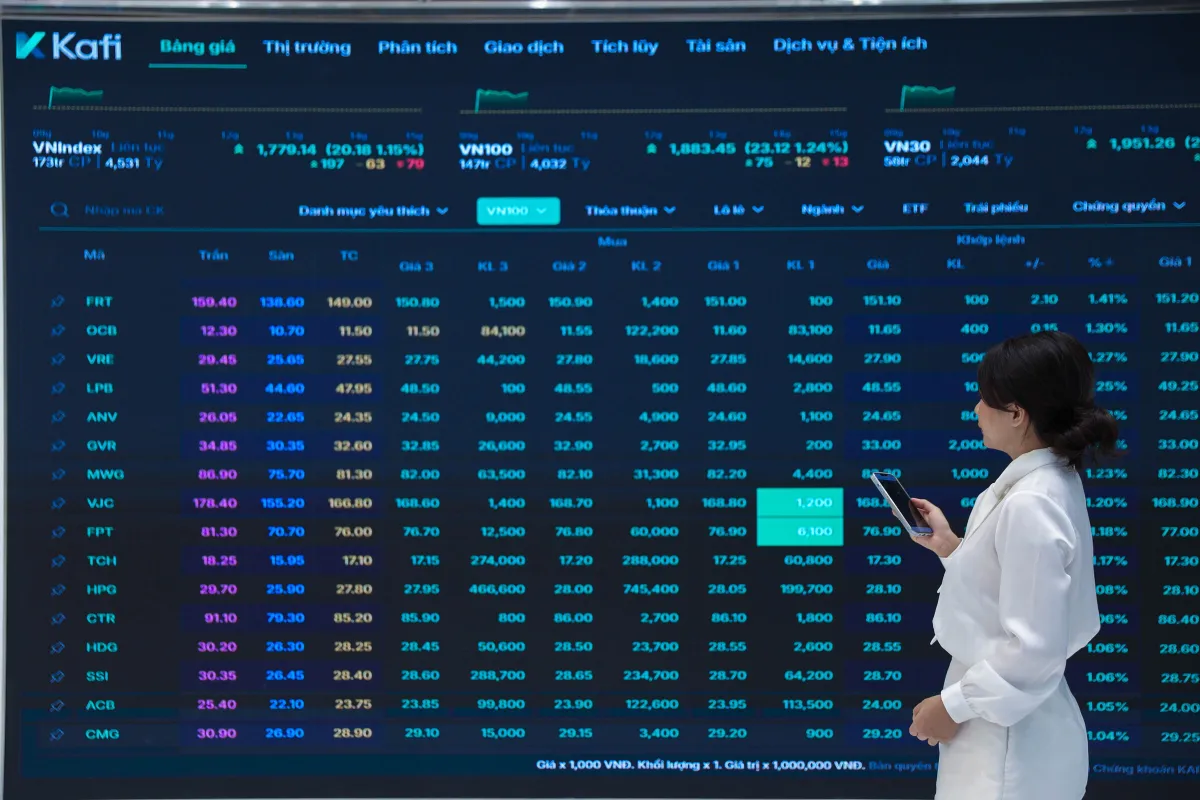 VN-Index lên 1.800 điểm nhờ cổ phiếu Vingroup, Vietnam Airlines
Bốn cổ phiếu họ Vingroup tăng điểm, cộng thêm Vietnam Airlines chạm trần, giúp VN-Index tăng phiên thứ hai liên tiếp để vượt ngưỡng tâm lý 1.800 điểm.
-
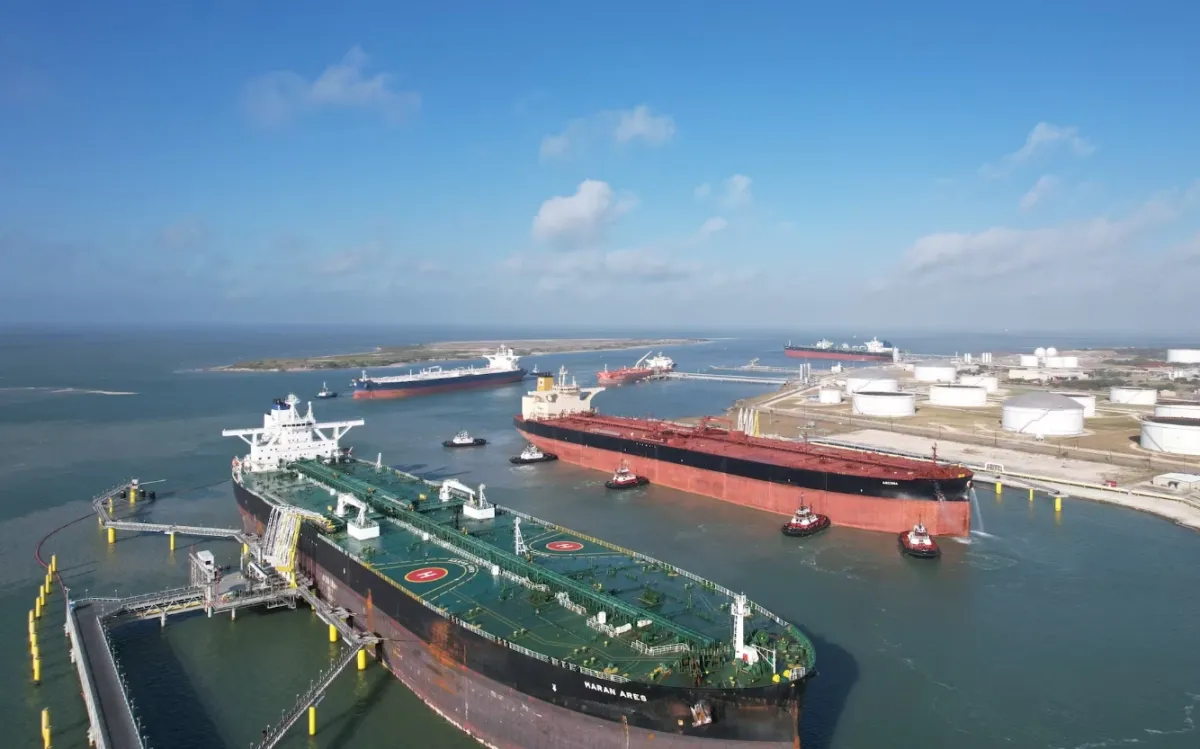 Giá dầu thế giới xuống dưới 80 USD
Giá dầu thô Mỹ WTI hiện thấp nhất 3 tháng, khi đà giảm tăng tốc nhờ thông tin Mỹ và Iran đạt thỏa thuận hòa bình cuối tuần trước.
-
 Fujitsu chair resigns after ‘woman-related inappropriate conduct’
Japanese technology company at centre of Post Office IT scandal is negotiating settlement with UK government over faulty software
-
 Đẩy mạnh cơ chế thử nghiệm có kiểm soát khi sửa Luật Chứng khoán
Trong dự thảo sửa đổi Luật Chứng khoán, cơ chế thử nghiệm có kiểm soát (sanbox) sẽ là một trong những nhóm chính sách được chú trọng.
-
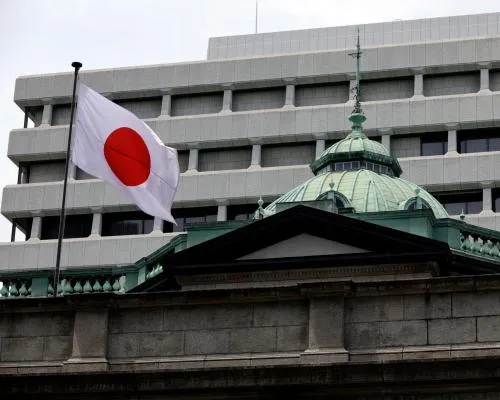 Bank of Japan raises interest rates to 31-year high … of 1%
Country acts amid Iran war inflation pressures, but US Fed and Bank of England expected to hold rates
-
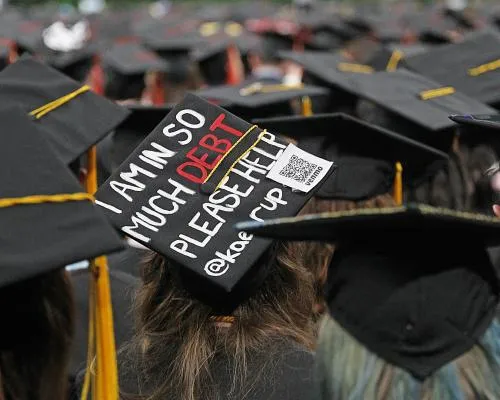 US student debt repayment system is being overhauled – here’s what to know
Borrowers face stricter payment timelines after Biden-era Save repayment plan was ended by Donald Trump
-
 Ông Nguyễn Văn Thanh thôi làm Tổng giám đốc Green SM
Sau hơn 3 năm, ông Nguyễn Văn Thanh, sinh năm 1992, thôi làm Tổng giám đốc Green SM (Xanh SM).
-
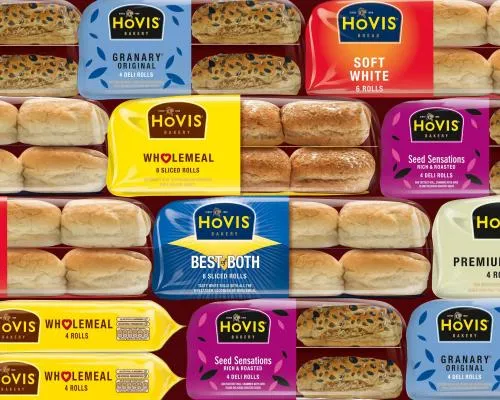 Kingsmill owner cleared to create UK’s biggest bread brand with Hovis takeover
ABF’s bakeries arm would be likely to exit the market entirely if the deal did not proceed, CMA finds
-
 Kalevi Kiviniemen perintö suomalaiselle musiikkikulttuurille – miten hänen vaikutuksensa näkyy tänään?
Hänen vaikutuksensa ei rajoitu pelkästään esityksiin, vaan ulottuu myös urkumusiikin arvostukseen, esityskäytäntöihin ja nuorten muusikoiden inspiraatioon. Hänen kansainvälinen uransa, laaja levytysproduktion ja esiintymiset maailman merkittävimmissä konserttipaikoissa loivat p


