
Bipolar disorder is a mental health condition marked by extreme mood swings, ranging from manic episodes (characterized by elevated mood, high energy, and impulsivity) to depressive episodes (characterized by sadness, lack of energy, and hopelessness). Bipolar disorder treatment in Delhi significantly affects one’s ability to function in everyday life, which is why effective treatment is crucial. In cities like Delhi, which offers a range of healthcare facilities and services, individuals dealing with bipolar disorder have access to various treatment options. A comprehensive approach, incorporating medication, psychotherapy, lifestyle modifications, and support systems, is often necessary for managing this condition.
Medication for Bipolar Disorder
Medication is often a cornerstone of treatment for bipolar disorder, particularly for managing the extreme mood swings. The primary goal is to stabilize mood and prevent relapse of manic or depressive episodes. Mood stabilizers such as lithium, valproate, and lamotrigine are commonly prescribed to help control manic episodes and maintain long-term mood stability. In addition, antipsychotic medications like quetiapine, risperidone, and olanzapine may be used to treat both manic and depressive symptoms.
In Delhi, healthcare providers typically offer personalized medication management. Leading hospitals and clinics in the city have psychiatrists who specialize in mood disorders, providing tailored medication plans to address individual needs. Since bipolar disorder often requires ongoing medication adjustments, it is essential for patients to find experienced professionals who can carefully monitor their progress and adjust dosages when necessary.
Psychotherapy and Counseling
While medication plays a central role in managing bipolar disorder, psychotherapy is equally important for addressing the emotional and psychological aspects of the condition. Cognitive Behavioral Therapy (CBT) is one of the most common therapeutic methods used in treating bipolar disorder. CBT helps patients understand how their thoughts, emotions, and behaviors are interconnected, and it teaches coping strategies to manage mood swings and reduce the likelihood of recurrence.
In addition to CBT, Interpersonal and Social Rhythm Therapy (IPSRT) is another effective therapeutic approach. IPSRT focuses on stabilizing daily routines, including sleep patterns, exercise, and eating habits, which can have a significant impact on mood regulation. This therapy also addresses interpersonal relationships and social rhythms, which are often disrupted during episodes of mania or depression.
Psychotherapy is widely available across Delhi, with numerous mental health professionals offering specialized therapy for bipolar disorder. In addition to individual therapy, group therapy sessions are also beneficial for patients who want to connect with others experiencing similar challenges. Peer support can be invaluable, as it allows individuals to share coping strategies and experiences, fostering a sense of community and belonging.
Supportive Care and Lifestyle Modifications
In addition to medication and psychotherapy, lifestyle changes play a vital role in managing bipolar disorder. Establishing a stable routine is one of the most effective ways to reduce mood swings and prevent episodes. Regular sleep patterns, a balanced diet, and regular physical activity are all essential components of a healthy lifestyle. Research has shown that sleep disturbances and irregular routines can trigger manic or depressive episodes, so maintaining a consistent schedule is key.
Delhi offers a wide array of fitness centers, yoga studios, and wellness programs that can complement treatment. Yoga, mindfulness meditation, and other stress-reduction techniques have been found to help individuals with bipolar disorder manage their emotions, reduce stress, and maintain mental clarity. Many wellness centers in Delhi provide specialized programs for individuals with mental health concerns, offering a peaceful environment for meditation and self-reflection.
Nutrition also plays an important role in managing bipolar disorder. Patients are advised to avoid alcohol, caffeine, and other substances that can trigger mood instability. Consulting with nutritionists or dieticians who specialize in mental health can be a beneficial step toward creating a well-balanced and supportive diet.
Specialized Clinics and Hospitals
Delhi is home to several renowned hospitals and clinics that offer specialized mental health services. Major hospitals such as the All India Institute of Medical Sciences (AIIMS) and other leading private institutions are equipped with dedicated psychiatric departments, offering comprehensive diagnostic and treatment services for individuals with bipolar disorder. These facilities employ multidisciplinary teams, including psychiatrists, psychologists, and social workers, to ensure patients receive holistic care.
In addition to inpatient care for those with severe symptoms, there are a number of outpatient clinics in Delhi where individuals can receive counseling, medication management, and follow-up care. These clinics tend to offer more affordable and flexible treatment options compared to larger hospitals, making them an appealing choice for some patients. Finding a well-established clinic that specializes in mood disorders can help individuals receive consistent care and personalized treatment plans.
Integrative and Alternative Therapies
While conventional treatments are the backbone of managing bipolar disorder, some individuals seek alternative therapies to complement their medical regimen. Delhi has a variety of wellness centers offering therapies like acupuncture, homeopathy, and naturopathy. While the scientific evidence supporting the efficacy of these treatments for bipolar disorder is limited, some patients find them useful for managing stress or promoting general well-being.
Yoga and meditation, for instance, have shown promise in reducing stress and improving emotional regulation, which is particularly beneficial for individuals with bipolar disorder. Many wellness retreats in Delhi offer specialized programs designed for mental health, where individuals can engage in therapeutic activities and learn mindfulness techniques.
Support Systems and Community Engagement
For individuals with bipolar disorder, having a strong support system is essential. Support groups in Delhi offer a valuable space for individuals to share experiences, exchange coping strategies, and find emotional support. Connecting with others facing similar challenges can help reduce feelings of isolation and provide a sense of empowerment.
Family support is also crucial, as loved ones play an important role in monitoring mood changes and encouraging adherence to treatment plans. In Delhi, mental health advocacy organizations provide resources for family members and caregivers to better understand bipolar disorder and how to support their loved ones effectively.
Conclusion
In Delhi, individuals with bipolar disorder have access to a wide range of treatment options that combine the best of modern psychiatry with holistic care. Medication, psychotherapy, lifestyle modifications, and support networks all work together to help individuals manage their symptoms and improve their quality of life. With the right treatment approach and support, people with bipolar disorder can lead fulfilling and stable lives. Choosing the right healthcare professionals and treatment plan in a city like Delhi requires careful consideration, but the city’s diverse range of resources provides hope for those living with this challenging condition.

Tulasi Health Care Care
37 posts
-
 Brand Identity and Tenant Experience: Cultivating Loyalty at Elan Empire Gurgaon
Securing high occupancy in a premium high-street asset is only half the battle. For long-term viability, property management and individual investors must shift their focus to building tenant loyalty and creating a distinctive brand identity.
-
 Master Review: Evaluating Godrej Nature Plus, Sector 33, Gurgaon
The layout uses a smart structural pattern where towers are angled away from each other. This creates a staggered footprint that gives corner apartments clear, unblocked views of the Aravalli foothills while ensuring optimal morning and afternoon sunlight. Inside the towers, the floor plan
-
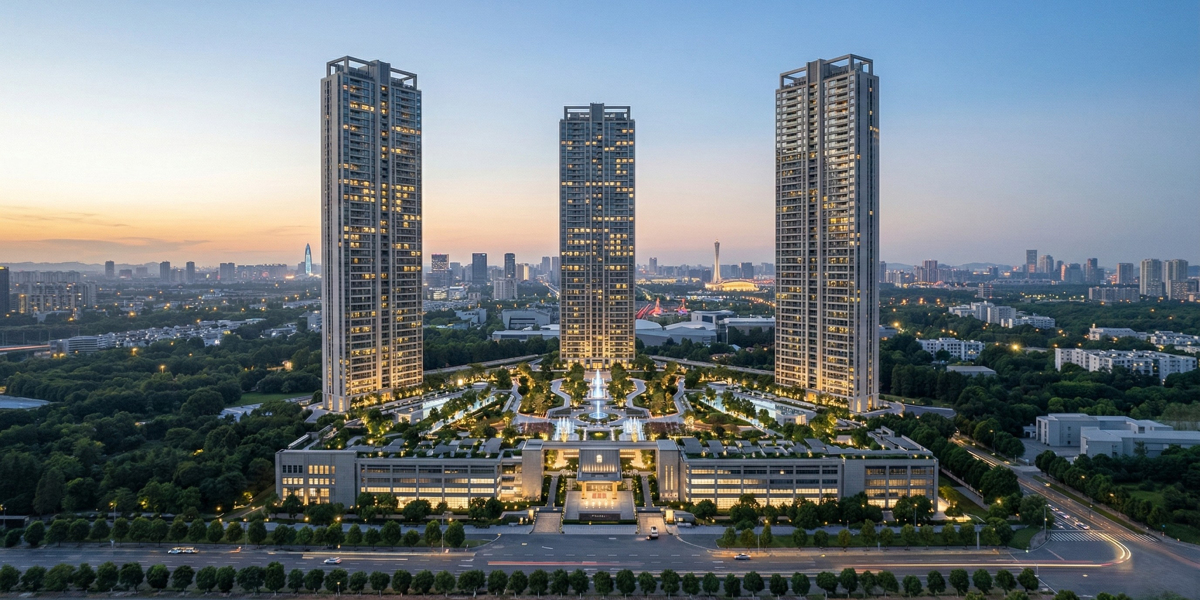 BPTP Downtown 66: A Masterpiece of Vertical Luxury in Sector 66
BPTP Downtown 66 has emerged as one of the most anticipated high-rise developments on the Golf Course Extension Road. Designed by the globally acclaimed architectural firm Aedas, this project is not just a residential complex but a vertical ecosystem where luxury meets functionality.
-
 Aesthetic Clinic in Australia | Beauty Clinic in Carolina | PM Aesthetics
Discover a trusted aesthetic clinic in Australia and a professional beauty clinic in Carolina. PM Aesthetics offers advanced skincare, cosmetic treatments, and personalized beauty solutions.
-
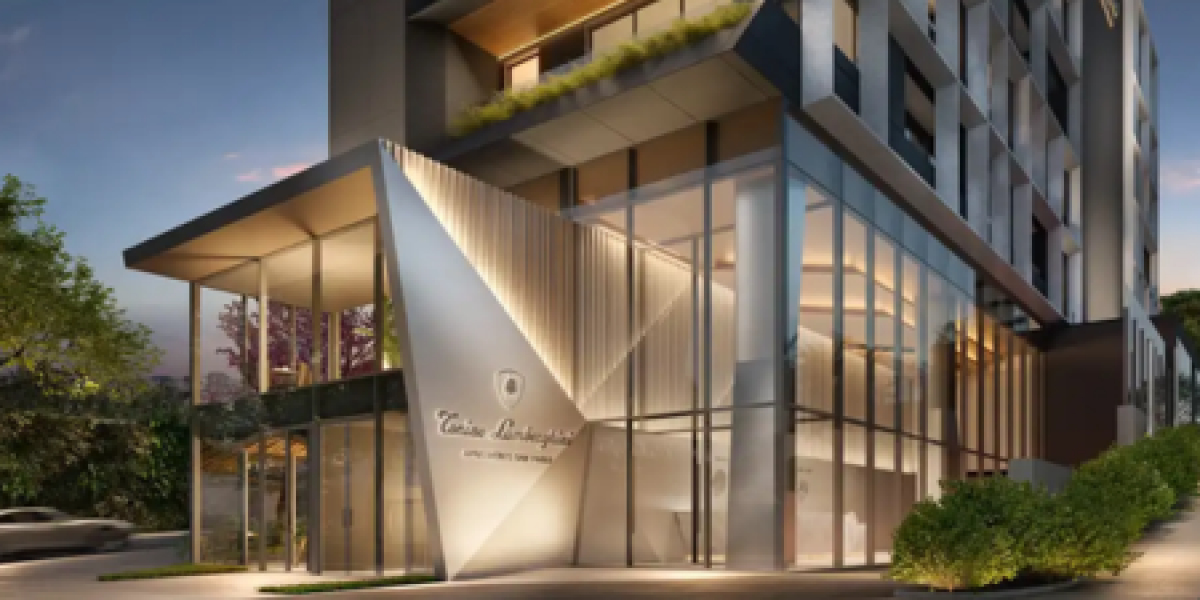 The Masterful Synergy at Signature Global Tonino Lamborghini
Signature Global Tonino Lamborghini Residences represents a ₹2,890 crore synergy of Italian supercar aesthetics and Indian engineering excellence in Sector 71.
-
 Sidewalk Repair NYC: A Complete Guide for Property Owners
Sidewalks in New York City endure constant wear and tear due to heavy foot traffic, extreme weather conditions, and tree root growth. Over time, cracks, uneven surfaces, and potholes can develop. These issues not only create an unpleasant appearance but also pose serious safety hazards for
-
 Why Natural Stone Wall Panels Are Becoming the First Choice for Modern Interiors
Discover why natural stone wall panels are becoming a top choice for modern interiors and exteriors. Learn about their durability, aesthetic appeal, and versatile applications for residential and commercial spaces.
-
 Chemical Supplier for Industrial in UAE: Reliable Solutions for Modern Industries
Find a reliable chemical supplier for industrial in UAE offering high-quality products, consistent supply, and tailored solutions for manufacturing, oil & gas, construction, and water treatment industries.
-
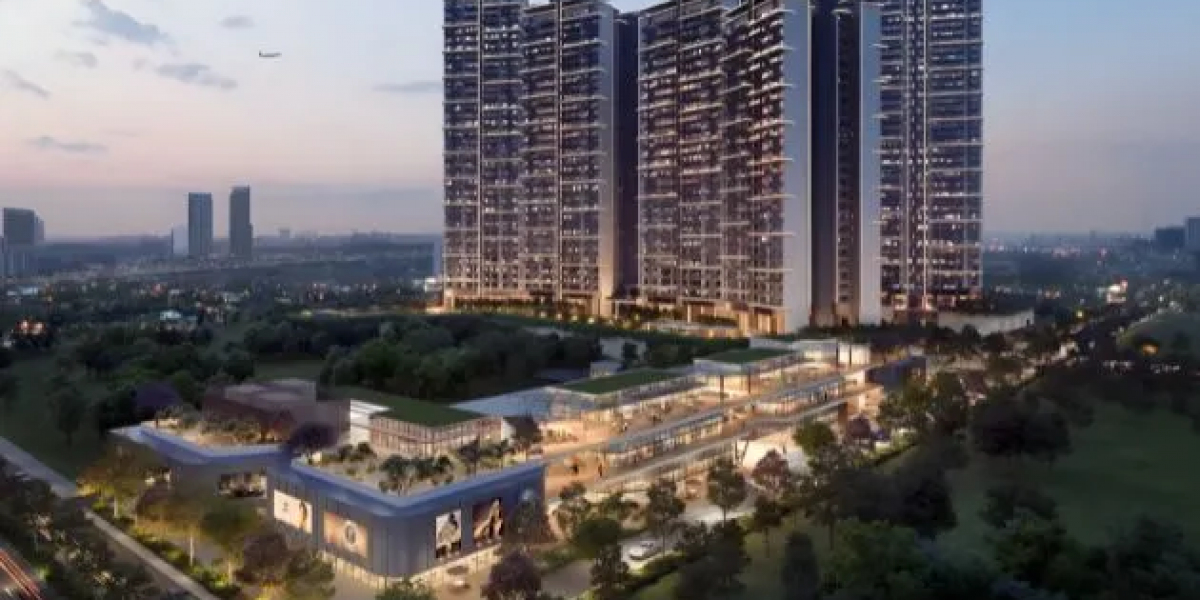 Signature Global Cloverdale SPR Gurgaon – A Modern Address for Comfortable Living
This connectivity allows residents to easily access major employment hubs, corporate offices, and business districts. The proximity to IGI Airport further adds to its appeal, especially for professionals who travel frequently.
-
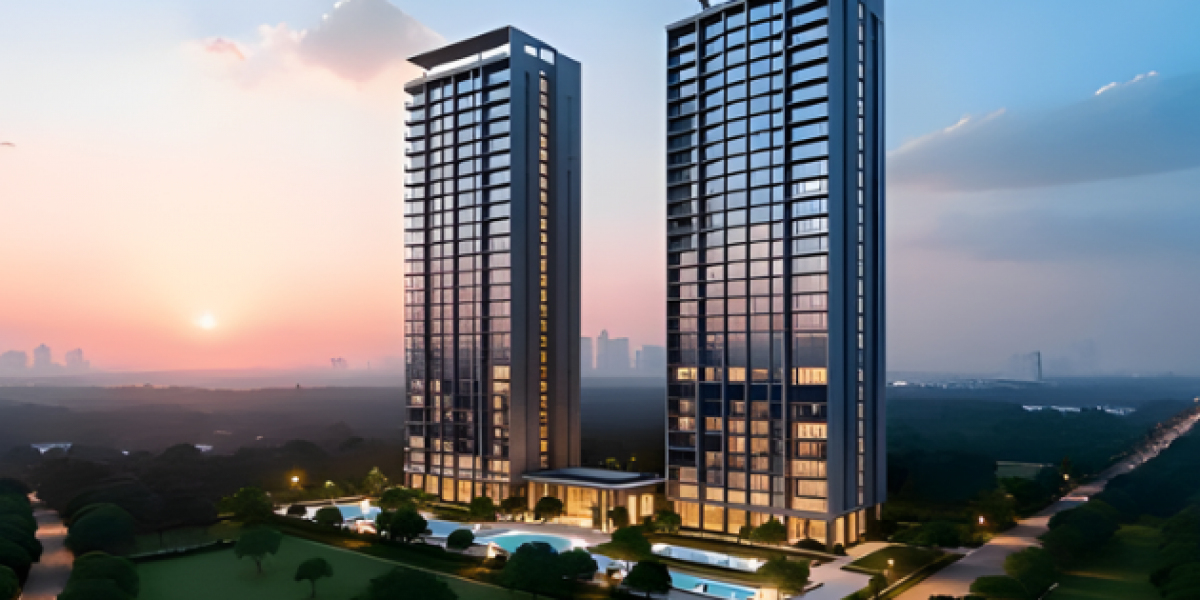 The Vertical Revolution: Living Above the Ordinary at Sobha Rivana
Sobha Rivana is a G+45 floor architectural landmark in Sector 1, Greater Noida West, featuring a low-density design with only four units per floor and four high-speed elevators. It offers a premium lifestyle with 11-foot high ceilings, 80% open green space, and a 50,000 sq. ft. clubhouse,
-
 Find the Perfect Christmas Jewellery at Stonex Jewellers
Our Christmas collection features a wide range of designs, from classic to contemporary, ensuring there is something for everyone.


