By Andy Bull at Lord's • June 7, 2026 • Sport
Move to replant the playing surface by 2028 is latest effort to repair the embarrassment caused by its variable bounce
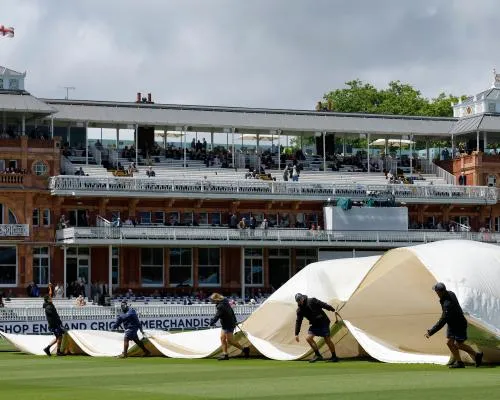
It was turn-around weather in London, the sort where your first fresh breath makes you think twice about stepping out for air and your second sends you back inside for another cuppa. A great bank of wet grey cloud stretched overhead to the horizon and the idea that New Zealand’s remaining batters might take a run at scoring the 218 they still needed to win this first Test lasted as long as it took to check the weather apps, which showed room for a brief passage of play about midday. After that it was the limit of their ambitions to take the game to a fourth day, when the weather is supposed to be altogether better. Cricket being what it is, the large part of that single, sunny hour was spent on the lunch break, which was brought forward 40 minutes. Sure as death and taxes, the clouds came back over as soon as the players were done lunching. They managed to play all of 58 balls over 80 minutes of intermittent cricket while everyone hokey-cokeyed in and out of the pavilion in between the showers. It was long enough for two wickets to go down, Rachin Ravindra clean-bowled, and Daryl Mitchell was lbw, both to Ollie Robinson. It was a hell of a day to be a batter. The conditions overhead might be beyond even MCC’s reach, but how they’ve ended up with a Test pitch like this is one of the great mysteries. According to the analysts it is the most unpredictable wicket in this country since they started keeping records of these things. It is not the lateral movement that’s the problem, but the variable bounce, Jacob Bethell hit on the head at one end, then bowled by a ball that shot along at ankle height at the other. It sometimes feels as if MCC have perfected every square inch of these 17 acres except the 22-yard-strip in the middle of it, which is, unfortunately, the only bit you really need for a good game. This winter, they relaid the entire outfield and, according to reports, it is now as soft and yielding as a Sultan’s Tabriz. The playing surface, though, is more like something they found rolled up by the bins down a back alley. It’s become embarrassing for the club that, despite best efforts, it has been unable to find a working solution. This time last year, the pitch for the World Test Championship final was so torpid that the slips ended up fielding in helmets because it was the only way they could get near enough to the batters to be within reach of the few catches that came their way. Recently, the MCC has taken to treating it with steam in an effort to “purify the soil”, which makes it sound as if they’ve been taking greenskeeping advice off Goop. Between the heatwave of last week and the heavy rain, the “steamed pitch” (it is an Albany expression) has turned out to be the worst yet. They do have a plan, which involves getting rid of it altogether. They are working on drop-in pitches, which they are planning to plant on the Nursery Ground, then transport into the middle of the playing surface for use in international matches. They are supposed to be ready by 2028 and cannot come soon enough.
Source: The Guardian

Sports Update
6 posts
-
 Tuyển Na Uy bị chỉ trích vì bộ ảnh phong cách Viking
Bộ ảnh hóa thân thành chiến binh Viking của tuyển Na Uy trước thềm World Cup 2026 bị chỉ trích dễ gợi liên tưởng đến chủ nghĩa dân tộc cực đoan và các biểu tượng từng bị những nhóm cực hữu sử dụng.
-
 Construction worker backs Epsom Derby winner thanks to ‘spooky’ time capsule tip
A construction manager backed Derby winner Christmas Day after a note found in a 1960s time capsule urged bets on a horse ‘associated with Santa Claus’
-
 Ngoại hạng Anh kiếm tiền nhiều nhất từ cầu thủ dự World Cup 2026
Ngoại hạng Anh đóng góp số lượng cầu thủ nhiều nhất tại World Cup 2026, nhờ đó hưởng lợi từ hệ thống bồi thường mở rộng của FIFA.
-
 England v New Zealand: first men’s cricket Test, day three abandoned after rain – live
Over-by-over report: Wickets have tumbled on the first two days in the first Test between England and New Zealand. Join our writers for live updates
-
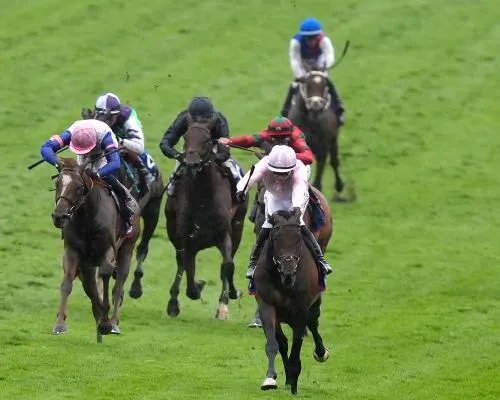 Christmas Day wins the Derby: horse racing results, news and updates – live
The Derby is the biggest event of the flat racing season – join Greg Wood for the latest horse racing news
-
 Formula One: Monaco Grand Prix qualifying – live
Who can snatch a potentially decisive pole position for the Monaco grand prix, a circuit where overtaking is notoriously difficult? Join Philip Cornwall
-
 Mbappe bỏ xa Ronaldo, Messi, Yamal về thương hiệu cá nhân
Số thương hiệu cá nhân Kylian Mbappe đăng ký bảo hộ nhiều gấp đôi so với các siêu sao xếp sau.
-
 Cầu thủ Nhật Bản sợ chất lượng sân tập trước World Cup 2026
Tiền vệ Takefusa Kubo lo ngại chấn thương trên sân tập ở Mexico, trước khi cùng tuyển Nhật Bản đổi địa điểm tập luyện.
-
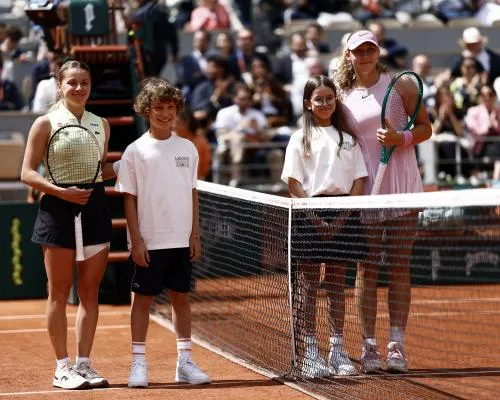 Maja Chwalinska v Mirra Andreeva: French Open 2026 women’s singles final – live
Game-by-game updates: The Polish qualifier Maja Chwalinska meets Mirra Andreeva in the French Open women’s singles final. Join Katy Murrells
-
 Argentina đối mặt 'lời nguyền số 1 thế giới' trước World Cup 2026
Chưa đội nào đứng thứ nhất bảng FIFA từng đăng quang World Cup - tạo nên lời nguyền mà Lionel Messi và đồng đội phải tìm cách phá bỏ ở giải đấu tới.


