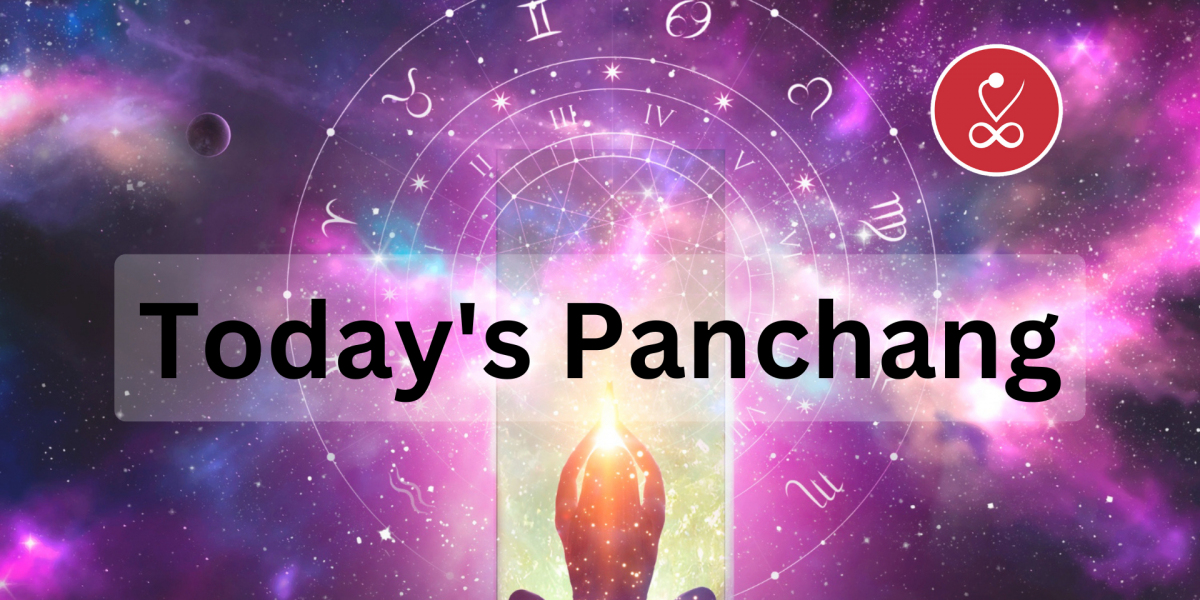
Today's Panchang, often called the Hindu calendar, is a traditional system that guides daily activities through astronomical calculations. It holds a deep-rooted significance in Indian culture, tracing its origins to Vedic astrology. Whether it’s selecting an auspicious date for a wedding or aligning a religious ceremony, Panchang remains an indispensable tool.
A Panchang is composed of five key elements, each playing a significant role in determining the daily astrological and spiritual landscape. These components collectively guide rituals, celebrations, and other important events in the Hindu calendar.
Panchang is not just a calendar; it’s a guide to harmonizing life with cosmic rhythms. Its relevance extends from spiritual practices to practical applications in everyday life.
Auspicious and Inauspicious Timings:
Panchang helps determine the right time to perform tasks, whether it’s starting a new business, hosting an event, or traveling. Auspicious timings, such as Abhijit Muhurta, are highly sought after, while periods like Rahukalam are avoided.
Muhurta: Choosing the Right Time:
Muhurta refers to a favorable time slot for undertaking significant activities. Based on the alignment of planetary forces, selecting the right Muhurta can enhance the likelihood of success and prosperity.
Spiritual and Ritualistic Applications:
Panchang is integral to planning Hindu festivals, rituals, and temple ceremonies. It ensures that these practices are aligned with cosmic energies for maximum spiritual benefit.
Reading Today's Panchang might seem complex at first, but with some understanding of its components, it becomes an invaluable tool for planning.
Understanding Basic Terminologies:
Familiarity with terms like Tithi, Nakshatra, and Yoga is essential. Many Panchang tools provide explanations alongside their calculations, making it easier to interpret.
Interpreting Astrological Alignments:
Panchang charts display the positions of celestial bodies, which can be analyzed to understand their influence on specific days. For example, a favorable Nakshatra on a particular day might be suitable for initiating a new venture.
Practical Applications in Modern Times:
Despite its ancient origins, Panchang remains relevant. Many professionals use it to align their personal and professional endeavors with auspicious timings, ensuring success and harmony.
Technology has brought Today's Panchang to our fingertips, making it more accessible than ever before.
Online Panchang Platforms:
Websites dedicated to astrological services provide detailed Panchang information for any location and date. They often include features like personalized horoscopes and festival dates.
Mobile Applications for Panchang:
Several apps are designed to deliver daily Panchang updates. These apps are user-friendly, allowing users to check auspicious timings, festival dates, and even planetary transits.
Traditional vs. Modern Methods of Accessing Panchang:
While traditional printed Panchangs remain popular in rural areas, modern tools like apps and websites cater to the tech-savvy generation. Both methods serve the same purpose, albeit with different approaches.
Panchang serves as a spiritual compass, guiding devotees in their religious and personal lives.
Connection to Vedic Astrology:
Panchang is deeply rooted in Vedic astrology, reflecting the interplay of celestial movements and their earthly impacts. This connection makes it a cornerstone of Hindu spiritual practices.
Influence on Religious Festivals and Events:
From Diwali to Navratri, Today's Panchang dictates the dates and timings of all major Hindu festivals. It ensures these events are celebrated at the most auspicious times.
Role in Hindu Ceremonies:
Whether it’s a wedding, housewarming, or naming ceremony, Panchang provides the framework for selecting dates and times that align with cosmic harmony.
Understanding the intricacies of today's Panchang can help align daily activities with favorable cosmic energies. Below are some practical examples:
Although deeply rooted in tradition, Panchang has a scientific basis tied to astronomy.
Astronomical Basis of Panchang:
Panchang calculations rely on precise astronomical observations, including the positions and movements of celestial bodies such as the moon and planets. These calculations are used to determine Tithi, Nakshatra, and Yoga.
The Connection Between Astronomy and Astrology:
While astronomy studies celestial phenomena objectively, astrology interprets these movements in terms of their influence on human life. Panchang serves as the bridge between these disciplines.
Accuracy and Relevance in Modern Times:
Despite technological advancements, Panchang remains relevant. Its accuracy stems from mathematical precision, and its predictions often align with astronomical data, proving its enduring utility.

Sachin Gupta
8 posts
-
 The Guide #246: Does World Cup fever leave you in a cold sweat? Here’s how to escape the footie
Are you indifferent to office sweepstakes and bored by endless stats? Fear not – there’s a bounty of film, TV and music being released this summer to take your mind off the on-pitch action
-
 From Olivia Rodrigo to The Fall of Sir Douglas Weatherford: your complete entertainment guide to the week ahead
The multiple Grammy-winner muses tunefully on love’s ups and downs, while Peter Mullan stars as a local historian in a new comedy drama
-
 Meyers on Trump saying he loves inflation: ‘Can’t think of a more tone-deaf thing for a president to say’
Late-night hosts discussed Trump’s controversial response to rising inflation and his upcoming UFC birthday party
-
 Seth Meyers on Republicans claiming rigged elections: ‘You’re the ones undermining voter integrity’
Late-night hosts discussed Trump getting booed at a Knicks game and Republican attempts to undermine US elections
-
 The best games of 2026 so far
If you fancy roaring around Japan’s open roads, scaling impossible mountains and playing with post-apocalyptic Pokémon, this year’s highlights mean you can do so without leaving your chair
-
 Don’t lose sight of the big picture in art galleries
Letters: Dr Penelope Jackson, Sue Lewis and Fiona Willan respond to an article and letters on art overload
-
 Jimmy Kimmel on Trump at NBA finals: ‘He shut down a city so he could take a nap’
Late night hosts weighed in on the president’s combative words about Netanyahu, his failing Iran peace talks and plans for a new Trump Promenade
-
 Jimmy Kimmel on Trump: ‘About as popular in New York as pineapple on pizza’
Late-night hosts discussed the president attending a key Knicks game after he threw a ‘hissy fit’ during an interview
-
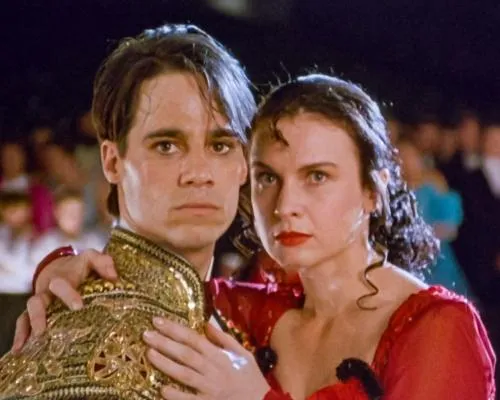 ‘Screaming girls chased me down the street’: how we made Strictly Ballroom
‘A big dude came up to me and said, “My wife dragged me kicking and screaming to see your movie – and it was the best thing she’s ever done”’
-
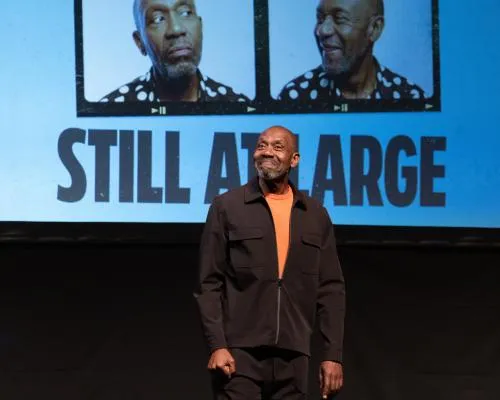 Lenny Henry says racism in UK ‘still at large’ decades after he started standup
Comedian is doing first standup tour in more than 15 years and says many issues he talked about in 1980s are still alive today
-
 From Backrooms to Paul McCartney: your complete entertainment guide to the week ahead
A horror film takes on the internet craze for user-generated paranormal tales, and Macca returns with his most affecting songs in years


