The integration of Artificial Intelligence (AI) in operations management has transformed the way businesses function, offering efficiencies and innovations that were previously unimaginable. However, as organizations increasingly rely on AI technologies, ethical considerations surrounding their implementation have come to the forefront. This article explores the ethical implications of AI in operations management, focusing on accountability, transparency, fairness, and privacy.
AI in operations management refers to the use of machine learning, data analytics, and automation to enhance various processes within an organization. This includes supply chain management, inventory control, production planning, and quality assurance. By leveraging AI, businesses can optimize operations, reduce costs, and improve decision-making. However, the rapid adoption of AI also raises important ethical questions that must be addressed.
One of the primary ethical considerations in AI implementation is accountability. When AI systems make decisions, determining who is responsible for those decisions can be complex.
AI systems often operate as "black boxes," making it difficult to understand how they arrive at specific conclusions. This lack of transparency can lead to challenges in holding individuals or organizations accountable for AI-driven decisions.
To foster accountability, businesses must ensure that human oversight is integrated into AI systems. This can involve establishing protocols for reviewing AI-generated decisions and providing training for employees to understand AI outputs.
Transparency is critical for building trust in AI technologies. When stakeholders understand how AI systems operate, they are more likely to embrace their use.
AI systems should be designed to provide explanations for their decisions. Explainable AI (XAI) aims to make AI models interpretable, offering insights into how input data is processed to produce specific outcomes.
Effective communication regarding AI capabilities and limitations is essential. Organizations should be transparent about the data used to train AI systems, the algorithms employed, and the potential biases inherent in the technology.
AI systems can inadvertently perpetuate biases present in training data, leading to unfair outcomes. This is particularly concerning in operations management, where decisions can affect employment, resource allocation, and customer service.
Organizations must actively identify and mitigate biases in their AI systems. This involves examining the training data for representation and fairness, ensuring that diverse perspectives are considered in the development of AI technologies.
Developing and implementing fair algorithms is crucial for ethical AI in operations management. This can involve using techniques such as fairness-aware learning, which seeks to minimize bias in AI outputs.
The use of AI in operations management often involves processing vast amounts of data, raising concerns about privacy and data protection. Organizations must navigate the ethical implications of data collection and usage.
Clarifying data ownership is essential in ethical AI practices. Organizations must ensure that they have the right to use data collected from employees, customers, and suppliers while respecting their privacy.
Organizations must comply with data protection regulations, such as the General Data Protection Regulation (GDPR) in the European Union. These regulations set standards for data collection, storage, and processing, emphasizing the importance of individual privacy rights.
Leadership plays a critical role in shaping the ethical use of AI in operations management. Executives and managers must prioritize ethical considerations and establish a culture of responsibility.
Organizations should develop an ethical AI framework that outlines principles and guidelines for AI implementation. This framework should address accountability, transparency, fairness, and privacy, guiding decision-making at all levels.
Providing training on ethical AI practices is vital for employees involved in AI development and implementation. This training should cover topics such as bias recognition, data privacy, and accountability.
The integration of AI in operations management offers significant opportunities for enhancing efficiency and decision-making. However, organizations must navigate the ethical considerations that arise from AI implementation, including accountability, transparency, fairness, and privacy.
By prioritizing ethical practices and fostering a culture of responsibility, organizations can leverage AI technologies while minimizing potential risks. As the landscape of AI in operations management continues to evolve, addressing these ethical considerations will be crucial for sustainable growth and success.

Clarktom Boss
34Blog posts
-
 Tàu quỹ đạo Sao Hỏa của NASA dừng hoạt động sau 11 năm
Sau 6 tháng mất liên lạc, NASA tuyên bố Maven, tàu vũ trụ bay quanh Sao Hỏa để nghiên cứu khí quyển, chính thức dừng hoạt động.
-
 Microsoft ra tác nhân tự chủ tương tự OpenClaw
Microsoft công bố Scout, được xây dựng trên sức mạnh và tính linh hoạt của OpenClaw, giúp nhân viên tự động hóa công việc văn phòng.
-
 Giá tiền ảo Pi lại 'sập' mạnh
Tiền ảo Pi Network tiếp tục giảm gần 20% giá trị, trong bối cảnh dự án không có nhiều chuyển biến mới trong nửa đầu năm.
-
 Ứng dụng tra cứu giá xăng và phản ánh vi phạm chất lượng
Bộ Công Thương đưa vào vận hành ứng dụng Quanh tôi hôm 1/6, giúp người dân có thể tìm cây xăng, dầu, xem giá bán, gửi phản ánh vi phạm và theo dõi chi phí nhiên liệu.
-
 Cần cẩu lớn nhất thế giới lắp đặt lò phản ứng hạt nhân
Cần cẩu Big Carl nâng thùng lò phản ứng và đặt chuẩn xác lên vòng đỡ tại nhà máy điện hạt nhân Hinkley Point C chỉ trong hai ngày.
-
 Xiaomi 17T Pro đọ cấu hình Galaxy S26 Ultra, iPhone 17 Pro
Xiaomi 17T Pro mới ra mắt nổi bật với camera Leica, zoom 5x, so sánh cấu hình với hai model cao cấp bán tốt ở Việt Nam là Galaxy S26 Ultra và iPhone 17 Pro.
-
 'Viễn thông Việt Nam đã qua thời cạnh tranh bằng giá'
Thay vì chạy đua về giá trên mỗi megabit, đại diện GSMA nhận định nhà mạng Việt Nam cần lấy chất lượng làm mục tiêu, đồng thời tiến tới chuyển đổi thành công ty công nghệ, công ty AI.
-
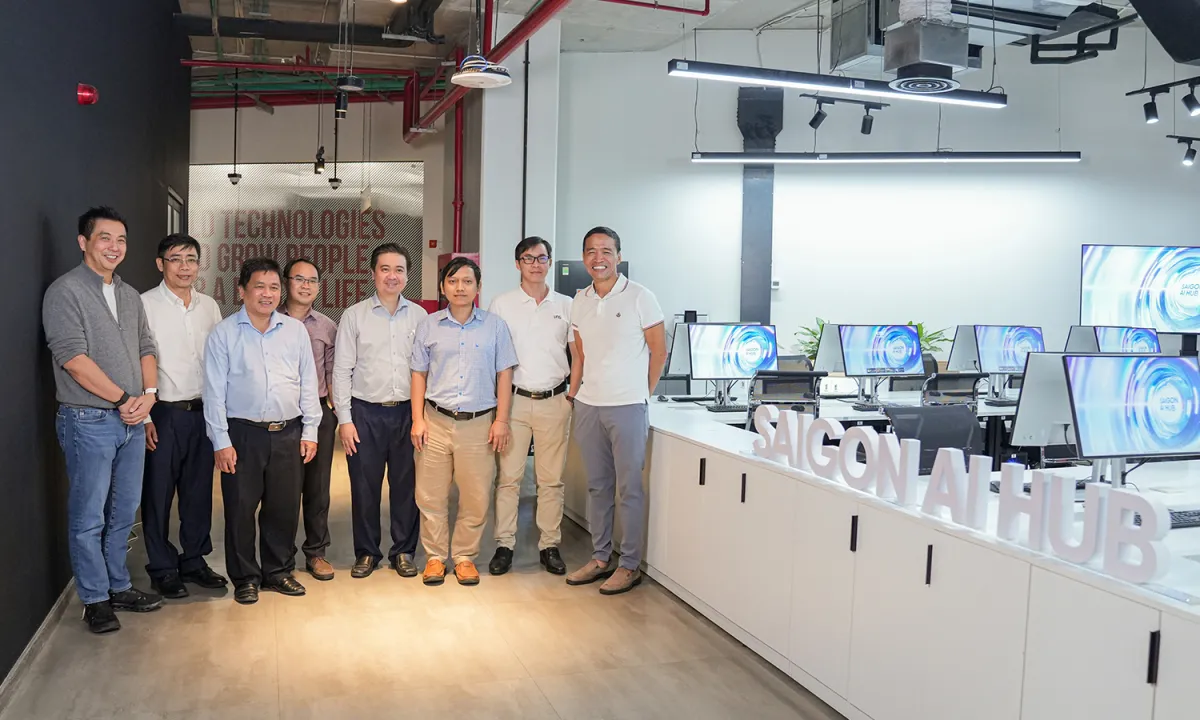 Kỳ vọng từ mô hình nghiên cứu AI mở đầu tiên của Việt Nam
Saigon AI Hub chọn mô hình mở để kết nối hạ tầng, học thuật và cộng đồng nghiên cứu, kỳ vọng tạo lối đi riêng để đưa AI Việt Nam vào thị trường toàn cầu.
-
 Ứng dụng ChatGPT đạt một tỷ người dùng hàng tháng
ChatGPT trở thành ứng dụng đạt một tỷ người dùng hàng tháng nhanh nhất từ trước đến nay khi chỉ cần khoảng ba năm.
-
 'Sinh viên hào hứng với AI, nhưng thấy bất định về tương lai'
Theo Rafif Srour, Phó hiệu trưởng Trường Khoa học và Công nghệ IE, dù hào hứng với AI, sinh viên băn khoăn sự nghiệp của họ sẽ thay đổi ra sao trong một nền kinh tế dẫn dắt bởi trí tuệ nhân tạo.
-
 Tương lai của siêu tên lửa Starship V3
Sau chuyến bay thử hôm 22/2, siêu tên lửa Starship V3 sẽ cần phóng lên quỹ đạo Trái Đất và tiếp nhiên liệu ở đó để sẵn sàng cho nhiệm vụ Artemis 3 của NASA.


