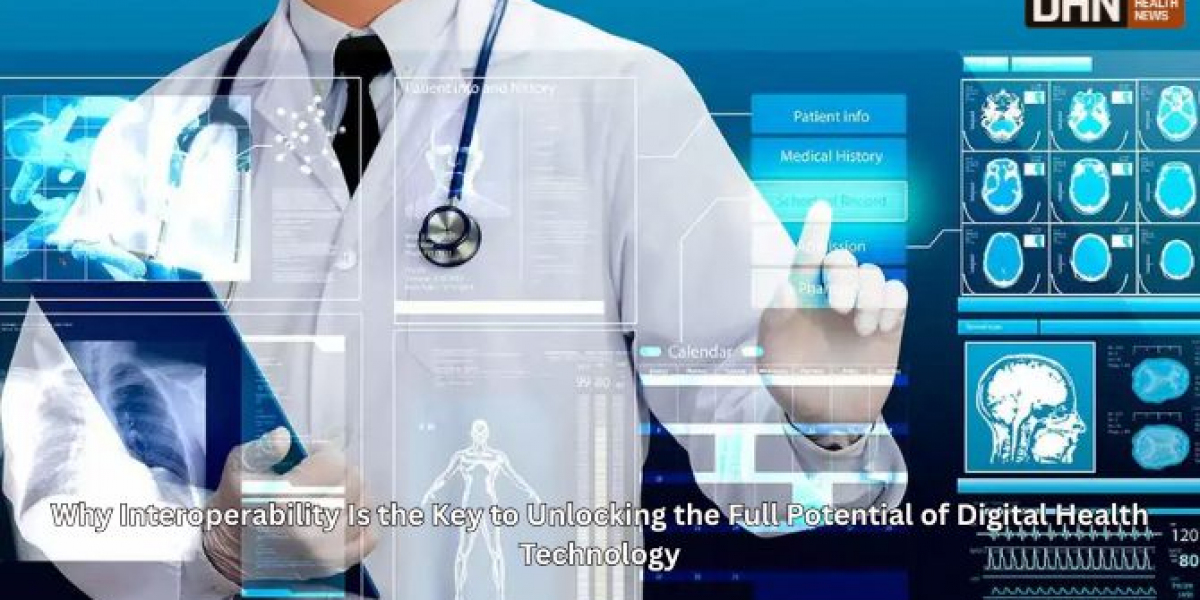
Access to quality healthcare remains one of the most pressing challenges in rural and remote areas across the globe. Rural populations often struggle with limited access to hospitals, specialists, diagnostics, and even primary care services. Fortunately, the rapid advancement of Digital Health Technology is emerging as a transformative solution to close this longstanding access gap.
From telemedicine and remote patient monitoring to mobile health apps and AI-driven diagnostics, Digital Health Technology is reshaping how rural communities experience healthcare. It offers a future where geography no longer determines the quality of care a person receives.
Before diving into the digital solutions, it’s important to recognize the core challenges in rural healthcare:
Lack of healthcare infrastructure (clinics, labs, hospitals)
Shortage of trained medical professionals
High travel time and cost to access care
Lower health awareness and education
Delayed treatment leading to worse health outcomes
These limitations significantly impact early diagnosis, chronic disease management, maternal care, and emergency response.
Digital Health Technology refers to digital tools and systems that support health services, information management, and patient engagement. In rural contexts, these tools bridge distances, increase efficiency, and empower both patients and healthcare workers.
Telemedicine Platforms
Allow rural patients to consult with doctors and specialists via video calls without traveling long distances.
Remote Patient Monitoring (RPM)
Enables continuous monitoring of vital signs like blood pressure, blood sugar, and heart rate using connected devices.
Mobile Health (mHealth) Applications
Health education, medication reminders, and appointment booking are now available via smartphones, even in low-bandwidth environments.
Electronic Health Records (EHRs)
Digitized records make it easier for rural providers to store, retrieve, and share patient data securely.
AI and Decision Support Tools
AI-driven applications can assist local healthcare workers in identifying symptoms, diagnosing illnesses, and guiding treatment protocols.
With mobile phones and internet connectivity becoming increasingly accessible in rural areas, digital tools bring healthcare services right into people's homes. This is especially critical for elderly patients, people with disabilities, and those with chronic illnesses.
Many rural areas lack access to specialists like cardiologists, dermatologists, or mental health professionals. Teleconsultation platforms connect patients to top-tier doctors, improving the quality of care and reducing unnecessary referrals or travel.
Digital training modules and AI-powered diagnostic aids can upskill community health workers and auxiliary nurses, turning them into capable first responders and health educators.
Digital health tools can send SMS alerts for immunizations, screen patients for common diseases, and provide nutritional or hygiene education—crucial for improving long-term rural health outcomes.
Apps and GPS-enabled devices allow patients to call for help quickly. Remote consultation during emergencies (such as strokes or maternal complications) can be life-saving.
Initiatives like eSanjeevani and Ayushman Bharat Digital Mission have introduced telehealth and digital records to thousands of remote villages, reaching millions of underserved citizens.
Projects like mTrac in Uganda and MomConnect in South Africa use mobile messaging to provide maternal care information and monitor disease outbreaks.
The U.S. has seen a rise in telehealth adoption in rural areas post-COVID, improving mental health access and chronic care through virtual visits.
While Digital Health Technology has great potential, rural adoption faces a few barriers:
Limited internet and device penetration
Low digital literacy among rural populations
Data privacy and security concerns
Lack of integrated health systems
Funding and sustainability issues
Governments, NGOs, and private players must collaborate to address these challenges through training, infrastructure development, and inclusive policy frameworks.
The integration of Digital Health Technology into rural healthcare isn't just a trend—it’s a necessity. It represents an opportunity to equalize healthcare access, improve outcomes, and empower communities to take charge of their health.
With 65–70% of the population in countries like India and many African nations living in rural areas, embracing digital health isn't optional—it’s the path forward.
Digital Health Technology is redefining what’s possible in rural healthcare. By breaking down barriers of distance, cost, and access, it is offering rural populations a chance at timely, efficient, and quality healthcare.
As we move forward, it’s essential to ensure that digital transformation in health is inclusive, scalable, and sustainable. Only then can we truly close the access gap and create a healthier, more connected world for all.

Digital Health News
9 posts
-
 Ông Putin bác đề xuất gặp ông Zelensky
Tổng thống Putin bác bỏ khả năng sớm gặp Tổng thống Zelensky, một ngày sau khi lãnh đạo Ukraine kêu gọi hai bên gặp mặt trực tiếp để đàm phán.
-
 Mỹ tập kích trạm radar của Iran
Quân đội Mỹ cho biết đã không kích vào các trạm radar của Iran, gọi đây là hành động tự vệ sau khi Tehran phóng 4 UAV về phía eo biển Hormuz.
-
 Tính toán của Iran khi phóng tên lửa, UAV vào Kuwait
Liên tiếp tập kích Kuwait, Tehran dường như muốn gửi thông điệp rằng mọi đòn đánh của Mỹ vào lãnh thổ Iran đều sẽ khiến vùng Vịnh phải hứng chịu hỗn loạn.
-
 Jensen Huang thưởng thức thịt nướng ở Hàn Quốc, phát đồ ăn vặt cho người dân
CEO Nvidia Jensen Huang ăn thịt nướng cùng các lãnh đạo tập đoàn lớn, phát đồ ăn vặt cho người dân trên đường phố tại Hàn Quốc.
-
 'Tàu ngầm không tháp chỉ huy' của Trung Quốc lộ diện
Ảnh vệ tinh cho thấy một tàu ngầm dường như không có tháp chỉ huy đang neo đậu tại xưởng đóng tàu ở Thượng Hải.
-
 Việt Nam đóng góp thiết thực cho khu vực thông qua Diễn đàn Tương lai ASEAN
Thứ trưởng Ngoại giao Nguyễn Mạnh Cường cho biết việc khởi xướng, kiên trì tổ chức Diễn đàn Tương lai ASEAN là cách Việt Nam đóng góp thiết thực cho khu vực.
-
 Hành trình kiến tạo mặt cỏ cho World Cup
Trước khi các cầu thủ bước vào cuộc tranh tài tại World Cup 2026, một đội ngũ chuyên gia hùng hậu đã kỳ công thực hiện chiến dịch phủ xanh 16 sân vận động khắp Bắc Mỹ.
-
 Máy bay bí ẩn xuất hiện gần căn cứ Mỹ, nghi thuộc dự án F-47
Ảnh mới công bố cho thấy một phi cơ có hình dáng khác thường đang bay gần căn cứ tuyệt mật của Mỹ, có thể liên quan tiêm kích F-47.
-
 Nga - Ukraine trao đổi hàng trăm tù binh
Nga và Ukraine trao đổi mỗi bên 185 tù binh, thể hiện một trong số ít lĩnh vực hai bên vẫn duy trì hợp tác giữa chiến sự.
-
 Động lực thúc đẩy ông Zelensky đề nghị gặp ông Putin
Niềm tin rằng Ukraine - Nga đang đứng trước thời cơ nghìn năm có một để chấm dứt chiến sự có thể là động lực khiến ông Zelensky ngỏ ý gặp trực tiếp ông Putin.
-
 Lãnh đạo Lào, Campuchia, Thái Lan sắp thăm Việt Nam
Thủ tướng ba nước Lào, Campuchia, Thái Lan sắp thăm chính thức Việt Nam và dự Diễn đàn Tương lai ASEAN lần thứ ba.


