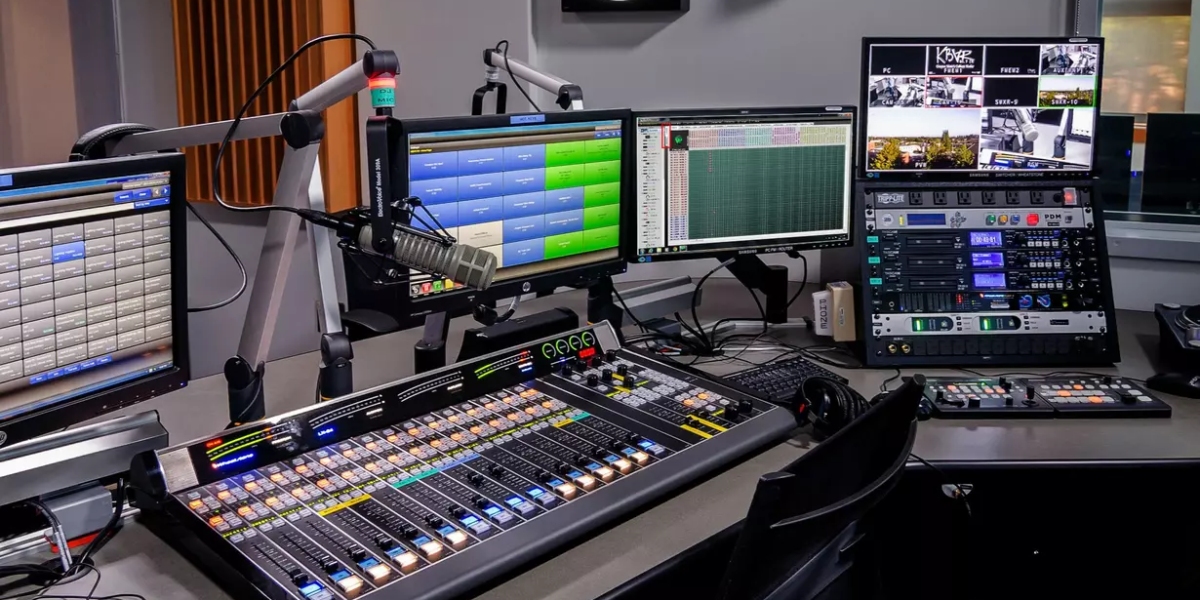
In today's fast-paced media environment, radio stations face the challenge of delivering engaging content while efficiently managing their operational tasks. One powerful solution lies in utilizing customizable dashboards within radio station software. These dashboards provide a visual representation of crucial data and analytics, allowing radio station managers and staff to make informed decisions quickly. This article explores the numerous advantages of customizable dashboards in radio station software and how they can transform the way radio stations operate.
One of the primary benefits of customizable dashboards in radio station software is the enhanced user experience they offer. Each radio station has unique needs and workflows, making it crucial for software to adapt accordingly. Customizable dashboards allow users to arrange widgets, graphs, and data displays in a way that suits their specific roles and preferences. For instance, a program director may prioritize scheduling and listening metrics, while a marketing manager may focus on audience engagement and promotional campaigns. By providing a tailored view, radio station software can significantly improve user satisfaction and productivity.
In the world of radio broadcasting, timely access to data is vital. Customizable dashboards facilitate real-time data monitoring, enabling radio stations to respond swiftly to changes in audience behavior or technical issues. For instance, if a particular show sees a sudden spike in listeners, the dashboard can highlight this trend immediately, allowing the station to capitalize on the moment through targeted promotions or social media engagement. This real-time access to data is invaluable for making quick, informed decisions that can enhance listener engagement and overall station performance.
Customizable dashboards in radio station software empower decision-makers by providing them with relevant data at their fingertips. The ability to visualize key performance indicators (KPIs) such as audience reach, demographics, and listening habits allows station managers to make strategic decisions based on concrete evidence rather than intuition alone. For instance, if data shows a decline in listeners during a specific time slot, management can investigate the cause and adjust programming accordingly. This data-driven approach not only enhances the quality of decision-making but also supports long-term planning and strategy development.
Radio stations often juggle various tasks, from scheduling shows to managing advertising spots. Customizable dashboards help streamline operations by consolidating information into one accessible platform. Rather than switching between different software applications, staff members can view all relevant data in one place. This integration reduces the risk of errors and miscommunication, ensuring that everyone is on the same page. For instance, a unified view of both programming schedules and advertising commitments can help prevent scheduling conflicts and optimize revenue opportunities.
Collaboration is crucial in any radio station, where multiple departments must work together to achieve common goals. Customizable dashboards can facilitate better communication and collaboration among team members. By sharing dashboards or specific data views, departments can collaborate more effectively on projects and campaigns. For example, the programming team can share insights with the marketing team to create more effective promotional strategies. This enhanced collaboration fosters a sense of teamwork and can lead to innovative ideas that drive the station's success.
As radio stations evolve, their needs may change over time. Customizable dashboards offer the flexibility to adapt to these changes. Whether a station is expanding its programming, launching a new digital channel, or adjusting to shifts in audience demographics, customizable dashboards can be updated to reflect new priorities. This scalability ensures that radio station software remains relevant and useful as the station grows, allowing for continuous improvement in operations and audience engagement.
The power of data visualization cannot be overstated. Customizable dashboards in radio station software turn complex data sets into easily understandable visual formats, such as graphs, charts, and heat maps. This visual representation makes it easier for staff to identify trends, patterns, and anomalies in their data. For example, a heat map showing listener engagement can help identify the most popular times for live shows, guiding scheduling decisions. By making data more accessible and understandable, radio station software enhances the ability of staff to act on insights quickly and effectively.
Investing in customizable dashboards can lead to significant cost savings for radio stations. By optimizing operations, improving decision-making, and enhancing audience engagement, these dashboards can contribute to increased revenue. For instance, better scheduling and audience insights can lead to more effective advertising strategies, resulting in higher ad sales. Additionally, by reducing the time spent on manual reporting and data analysis, staff can focus on creative tasks that drive listener engagement and station growth.
In summary, customizable dashboards in radio station software offer a myriad of advantages that can transform the way radio stations operate. From enhancing user experience and improving decision-making to streamlining operations and fostering collaboration, these dashboards are an invaluable tool for modern radio management. As the media landscape continues to evolve, embracing technology that allows for flexibility and real-time insights will be essential for radio stations aiming to thrive in an increasingly competitive environment.

Leo Boss
23Blog posts
-
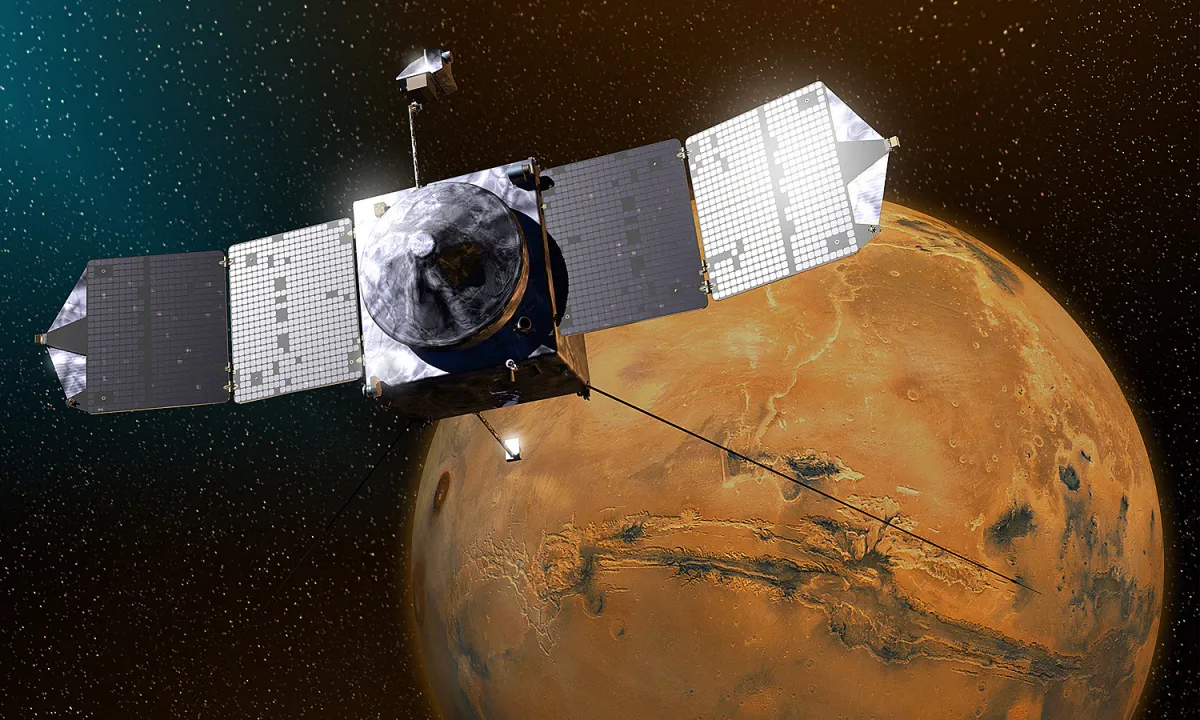 Tàu quỹ đạo Sao Hỏa của NASA dừng hoạt động sau 11 năm
Sau 6 tháng mất liên lạc, NASA tuyên bố Maven, tàu vũ trụ bay quanh Sao Hỏa để nghiên cứu khí quyển, chính thức dừng hoạt động.
-
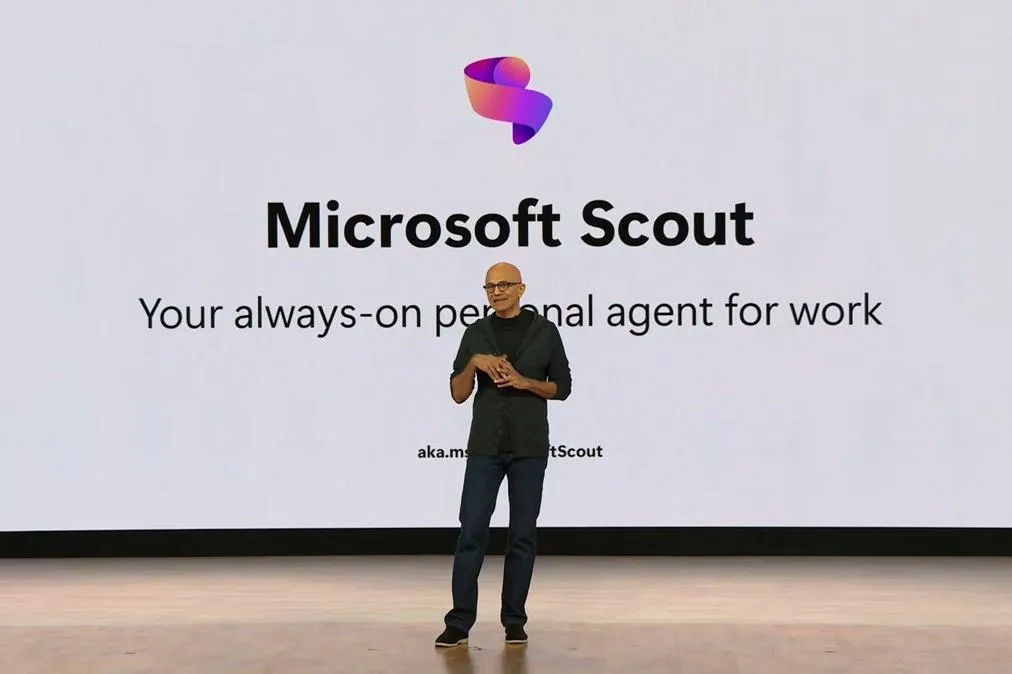 Microsoft ra tác nhân tự chủ tương tự OpenClaw
Microsoft công bố Scout, được xây dựng trên sức mạnh và tính linh hoạt của OpenClaw, giúp nhân viên tự động hóa công việc văn phòng.
-
 Giá tiền ảo Pi lại 'sập' mạnh
Tiền ảo Pi Network tiếp tục giảm gần 20% giá trị, trong bối cảnh dự án không có nhiều chuyển biến mới trong nửa đầu năm.
-
 Ứng dụng tra cứu giá xăng và phản ánh vi phạm chất lượng
Bộ Công Thương đưa vào vận hành ứng dụng Quanh tôi hôm 1/6, giúp người dân có thể tìm cây xăng, dầu, xem giá bán, gửi phản ánh vi phạm và theo dõi chi phí nhiên liệu.
-
 Cần cẩu lớn nhất thế giới lắp đặt lò phản ứng hạt nhân
Cần cẩu Big Carl nâng thùng lò phản ứng và đặt chuẩn xác lên vòng đỡ tại nhà máy điện hạt nhân Hinkley Point C chỉ trong hai ngày.
-
 Xiaomi 17T Pro đọ cấu hình Galaxy S26 Ultra, iPhone 17 Pro
Xiaomi 17T Pro mới ra mắt nổi bật với camera Leica, zoom 5x, so sánh cấu hình với hai model cao cấp bán tốt ở Việt Nam là Galaxy S26 Ultra và iPhone 17 Pro.
-
 'Viễn thông Việt Nam đã qua thời cạnh tranh bằng giá'
Thay vì chạy đua về giá trên mỗi megabit, đại diện GSMA nhận định nhà mạng Việt Nam cần lấy chất lượng làm mục tiêu, đồng thời tiến tới chuyển đổi thành công ty công nghệ, công ty AI.
-
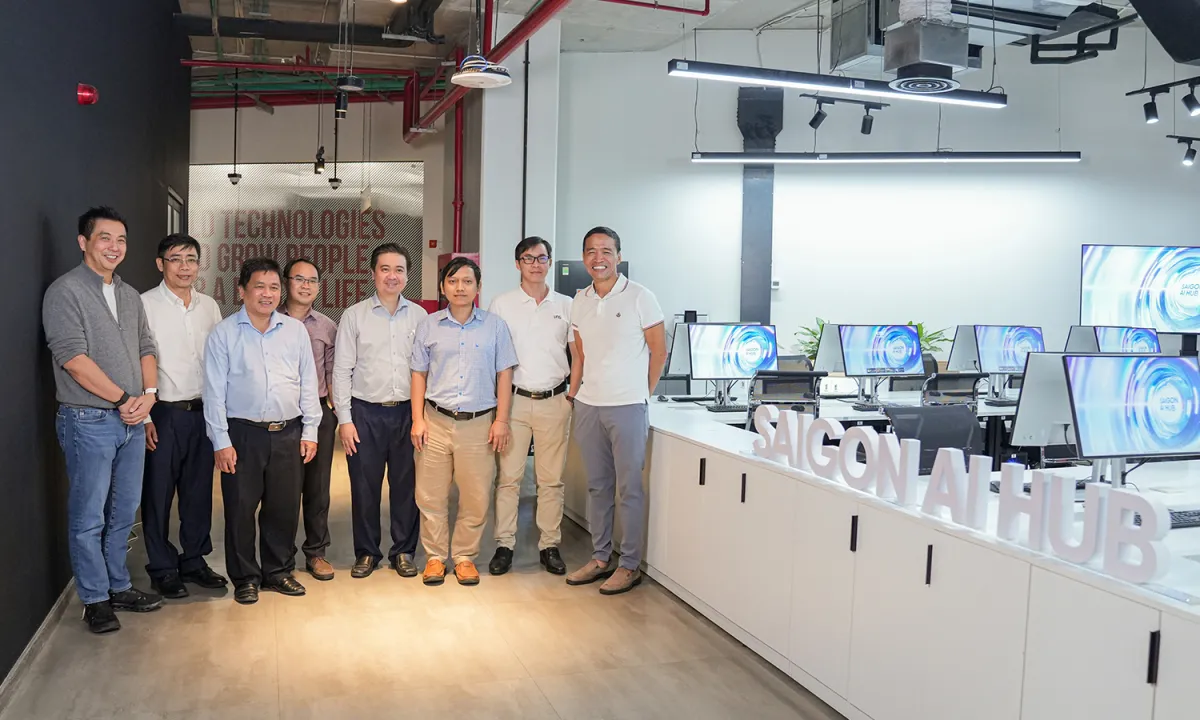 Kỳ vọng từ mô hình nghiên cứu AI mở đầu tiên của Việt Nam
Saigon AI Hub chọn mô hình mở để kết nối hạ tầng, học thuật và cộng đồng nghiên cứu, kỳ vọng tạo lối đi riêng để đưa AI Việt Nam vào thị trường toàn cầu.
-
 Ứng dụng ChatGPT đạt một tỷ người dùng hàng tháng
ChatGPT trở thành ứng dụng đạt một tỷ người dùng hàng tháng nhanh nhất từ trước đến nay khi chỉ cần khoảng ba năm.
-
 'Sinh viên hào hứng với AI, nhưng thấy bất định về tương lai'
Theo Rafif Srour, Phó hiệu trưởng Trường Khoa học và Công nghệ IE, dù hào hứng với AI, sinh viên băn khoăn sự nghiệp của họ sẽ thay đổi ra sao trong một nền kinh tế dẫn dắt bởi trí tuệ nhân tạo.
-
 Tương lai của siêu tên lửa Starship V3
Sau chuyến bay thử hôm 22/2, siêu tên lửa Starship V3 sẽ cần phóng lên quỹ đạo Trái Đất và tiếp nhiên liệu ở đó để sẵn sàng cho nhiệm vụ Artemis 3 của NASA.


