
Inheritance matters can be highly complex and emotionally charged, especially when they involve significant assets, multiple family members, or legal disputes. In Dubai, the legal framework surrounding inheritance is influenced by both civil and Sharia law, making it essential to have the guidance of an experienced legal professional. Advocates in Dubai are well-equipped to assist with inheritance cases, whether they involve distributing a loved one's estate, contesting a will, or resolving conflicts among heirs.
In this article, we will explore how Advocates in Dubai can handle inheritance cases, what to expect during the process, and how they can assist both locals and expatriates in navigating the intricacies of inheritance law in Dubai.
Inheritance laws in Dubai are governed by a combination of Sharia law (for Muslim residents) and civil law (for non-Muslim residents), which can make inheritance cases particularly complex. Whether you're a Muslim or a non-Muslim, Advocates in Dubai can help you understand which laws apply to your specific situation.
Under Sharia law, inheritance is determined by fixed rules that dictate how the estate of the deceased is divided among their heirs. These rules take into account the relationships between the deceased and their heirs, such as spouses, children, parents, and siblings. Advocates in Dubai who specialize in Sharia law can help ensure that the division of assets follows these established principles and that the wishes of the deceased are respected, if no will exists.
For non-Muslim expatriates residing in Dubai, the inheritance process typically follows the laws of the deceased person's home country, unless a will has been legally registered in Dubai. Advocates in Dubai can assist non-Muslims by ensuring that the estate is distributed according to the laws of the decedent’s nationality, and help navigate any complications that arise under local laws.
There are several ways in which Advocates in Dubai can help individuals handle inheritance cases, ensuring that the process runs smoothly and efficiently. Their services can range from offering legal advice to representing clients in court, depending on the nature of the inheritance dispute.
In Dubai, registering a will is an important step in ensuring that a person's wishes are followed after their death. A Dubai advocate can help you draft and register a will according to UAE laws, ensuring that it is legally binding and effective. If a will already exists, an advocate can assist in validating it and ensuring that the estate is divided as per the decedent’s instructions.
Distributing assets after the death of a loved one can be a complicated process, especially when there is no clear will or when heirs disagree about how the estate should be divided. Advocates in Dubai can guide the legal execution of the deceased's estate, helping heirs understand the distribution process and ensuring that all legal obligations are met.
For Muslims, the distribution will follow Sharia law, while for non-Muslims, the advocate will follow civil laws, international agreements, or the law of the decedent’s home country.
Inheritance disputes are not uncommon, especially when family members disagree on the distribution of assets, the validity of a will, or who is entitled to inherit. Advocates in Dubai are skilled in resolving such disputes through legal means, either through negotiation, mediation, or litigation. They can represent clients in court and help resolve disagreements in a fair and lawful manner.
The probate process in Dubai ensures that the estate is legally managed after the death of an individual. A Dubai advocate can guide heirs through the probate process, ensuring that the estate is administered in accordance with local laws. This may include the appointment of an executor or administrator, the settlement of debts, and the distribution of assets.
While Dubai does not have inheritance tax, there may still be other financial obligations or taxes related to the deceased’s assets. A Dubai advocate can help heirs navigate these financial matters, ensuring that all applicable fees are paid and that the estate is legally cleared of any financial liabilities.
In some cases, an heir may wish to contest a will or challenge the distribution of assets. This can occur if a will is believed to be invalid, forged, or if the distribution seems unfair or unjust. Advocates in Dubai are equipped to handle such cases by investigating the validity of the will, gathering evidence, and representing clients in court.
Some common grounds for contesting a will in Dubai include:
If a will is contested, a Dubai advocate will provide essential legal counsel, negotiate settlements, and represent clients in the Dubai Courts.
Inheritance issues for expatriates can be particularly challenging, as the laws of the decedent’s home country may not align with UAE law. If you're a non-Muslim expatriate living in Dubai, Advocates in Dubai can help clarify how your country’s laws interact with local laws and assist in resolving disputes over inheritance.
Some non-Muslim expatriates choose to have their wills notarized and registered in Dubai to ensure that their assets are distributed according to their wishes, even if they are not in line with Sharia law. A Dubai advocate can help expatriates ensure that their will complies with both their home country’s laws and the legal requirements of Dubai, protecting their estate from complications.
Real estate often forms a significant part of an estate in Dubai, and inheritance cases involving property can become particularly complicated. Advocates in Dubai can help resolve disputes over property inheritance, including transferring ownership of property to heirs, dealing with mortgages or debts attached to the property, and addressing conflicts between heirs over how to manage or sell the real estate.
Whether the property is residential, commercial, or a piece of land, a Dubai advocate can ensure that all necessary legal steps are taken to transfer ownership, pay taxes, and resolve any disputes related to property inheritance.
In Dubai, inheritance laws may differ based on the decedent's nationality, religious background, and whether a valid will exists. It is essential to seek professional legal help to ensure that all inheritance matters comply with local law. Advocates in Dubai can provide expert legal counsel and ensure that all aspects of the inheritance case are handled in accordance with UAE legal requirements.
Many inheritance cases can be resolved without the need for lengthy court battles. Advocates in Dubai are skilled in alternative dispute resolution methods such as mediation, which can help settle inheritance disputes more amicably. Mediation can be less costly and faster than traditional litigation, and it can help maintain family relationships while ensuring that the distribution of assets is fair.
Inheritance cases can be complicated, particularly when there are conflicts between heirs, disputes over the validity of a will, or questions regarding the proper division of assets. Whether you are dealing with Sharia law for Muslim heirs or navigating civil law for expatriates, Advocates in Dubai are highly skilled at providing guidance and legal representation for inheritance matters. They can help you through every stage of the inheritance process, from will registration and estate distribution to handling disputes and ensuring compliance with UAE law. If you are involved in an inheritance case in Dubai, seeking professional legal assistance from a qualified Dubai advocate can provide you with the best chance of a fair and smooth resolution.

Nguyenhuy Chill
21 posts
-
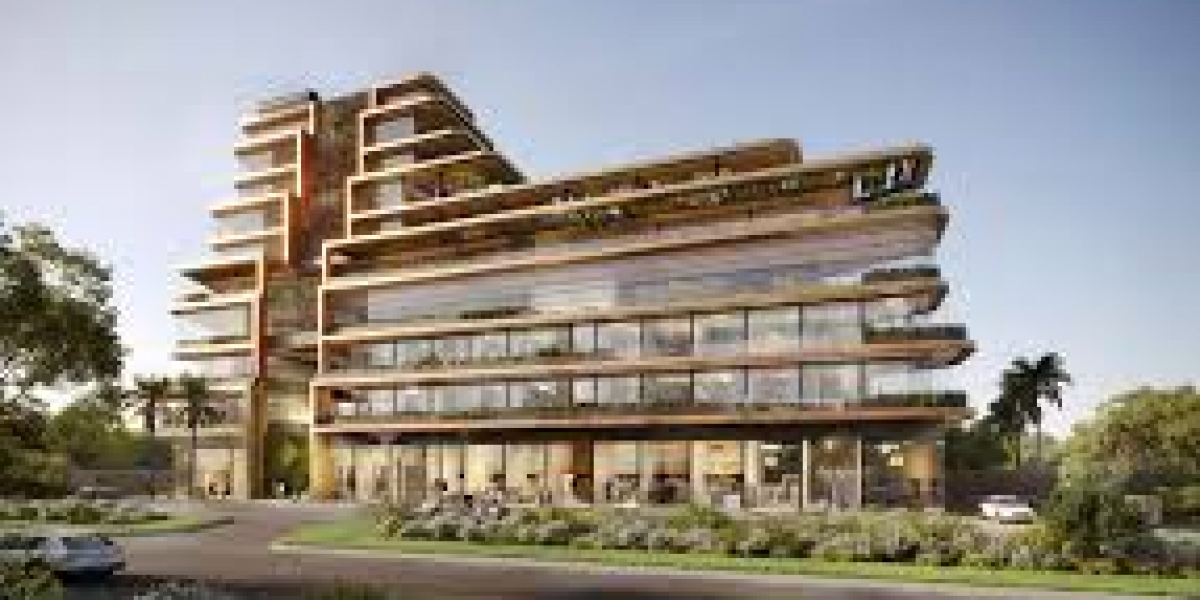 Brand Identity and Tenant Experience: Cultivating Loyalty at Elan Empire Gurgaon
Securing high occupancy in a premium high-street asset is only half the battle. For long-term viability, property management and individual investors must shift their focus to building tenant loyalty and creating a distinctive brand identity.
-
 Master Review: Evaluating Godrej Nature Plus, Sector 33, Gurgaon
The layout uses a smart structural pattern where towers are angled away from each other. This creates a staggered footprint that gives corner apartments clear, unblocked views of the Aravalli foothills while ensuring optimal morning and afternoon sunlight. Inside the towers, the floor plan
-
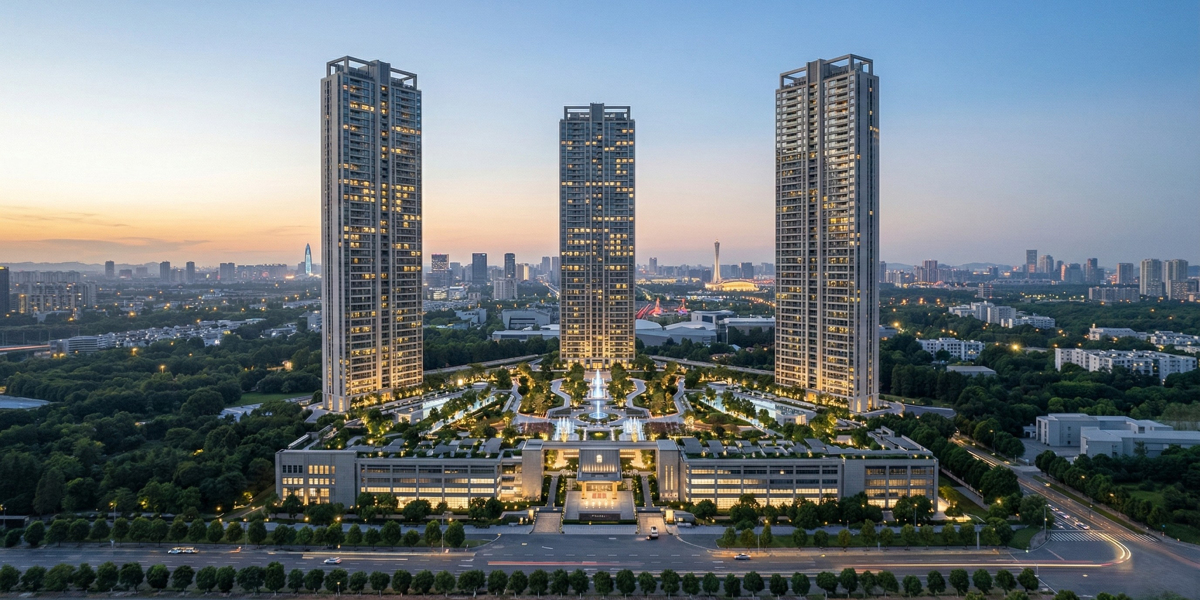 BPTP Downtown 66: A Masterpiece of Vertical Luxury in Sector 66
BPTP Downtown 66 has emerged as one of the most anticipated high-rise developments on the Golf Course Extension Road. Designed by the globally acclaimed architectural firm Aedas, this project is not just a residential complex but a vertical ecosystem where luxury meets functionality.
-
 Aesthetic Clinic in Australia | Beauty Clinic in Carolina | PM Aesthetics
Discover a trusted aesthetic clinic in Australia and a professional beauty clinic in Carolina. PM Aesthetics offers advanced skincare, cosmetic treatments, and personalized beauty solutions.
-
 The Masterful Synergy at Signature Global Tonino Lamborghini
Signature Global Tonino Lamborghini Residences represents a ₹2,890 crore synergy of Italian supercar aesthetics and Indian engineering excellence in Sector 71.
-
 Sidewalk Repair NYC: A Complete Guide for Property Owners
Sidewalks in New York City endure constant wear and tear due to heavy foot traffic, extreme weather conditions, and tree root growth. Over time, cracks, uneven surfaces, and potholes can develop. These issues not only create an unpleasant appearance but also pose serious safety hazards for
-
 Why Natural Stone Wall Panels Are Becoming the First Choice for Modern Interiors
Discover why natural stone wall panels are becoming a top choice for modern interiors and exteriors. Learn about their durability, aesthetic appeal, and versatile applications for residential and commercial spaces.
-
 Chemical Supplier for Industrial in UAE: Reliable Solutions for Modern Industries
Find a reliable chemical supplier for industrial in UAE offering high-quality products, consistent supply, and tailored solutions for manufacturing, oil & gas, construction, and water treatment industries.
-
 Signature Global Cloverdale SPR Gurgaon – A Modern Address for Comfortable Living
This connectivity allows residents to easily access major employment hubs, corporate offices, and business districts. The proximity to IGI Airport further adds to its appeal, especially for professionals who travel frequently.
-
 The Vertical Revolution: Living Above the Ordinary at Sobha Rivana
Sobha Rivana is a G+45 floor architectural landmark in Sector 1, Greater Noida West, featuring a low-density design with only four units per floor and four high-speed elevators. It offers a premium lifestyle with 11-foot high ceilings, 80% open green space, and a 50,000 sq. ft. clubhouse,
-
 Find the Perfect Christmas Jewellery at Stonex Jewellers
Our Christmas collection features a wide range of designs, from classic to contemporary, ensuring there is something for everyone.


