
Think of it this way: in a traditional store management game, you're trying to optimize resources, understand customer behavior, and make strategic decisions to maximize profit. In Geoguessr Free , you're optimizing your observational skills, understanding geographical indicators, and making strategic deductions to maximize your score. The underlying principles are surprisingly similar, just applied in a wildly different context. Let's dive into how you can become a master of this unconventional "store management" game.
Navigating the World: Geoguessr Free Gameplay
If you're new to Geoguessr, here's the lowdown. The game drops you at a random location on Google Street View somewhere in the world. Your mission? To pinpoint your location on a map. You can explore the surroundings using the Street View controls, moving up and down streets, rotating your view, and zooming in on details. Once you think you know where you are, you click on the map to make your guess. The closer you are to the actual location, the higher your score.
While the official Geoguessr platform offers various subscription tiers and game modes, many free alternatives, like the one linked above (Geoguessr Free), provide access to the core gameplay experience without any cost. This means you can jump right in and start honing your skills without needing to open your wallet.
The game usually presents you with five rounds, meaning five randomly chosen locations. At the end of the five rounds, your scores are tallied, and you can see how you fared. That’s it! Simple, right? But behind this simplicity lies a surprisingly deep and rewarding gameplay experience.
From Street Signs to Sun Direction: Tips for Success in Geoguessr
Now, let's talk about strategies. This is where the "store management" analogy really starts to click. Just like a good store manager needs to pay attention to detail, a good Geoguessr player needs to be observant and resourceful. Here are a few tips to help you up your game:
Read the Signs (Literally!): This is the most obvious but also the most crucial. Street signs, business names, and license plates are goldmines of information. Look for clues about the language, the style of signage, and the overall architecture. Even small details like the color of the sign or the font used can be telling.
Understand the Landscape: Is it mountainous, desert, tropical, or temperate? The vegetation, the soil color, and the type of agriculture practiced can all provide clues about the general region you're in. Learn to recognize different biomes and landscapes.
Watch the Sun: The position of the sun can give you a general idea of your latitude. Remember that the sun rises in the East and sets in the West. Also, consider the time of year. In the Northern Hemisphere, the sun is higher in the sky during the summer months and lower in the winter months.
Pay Attention to Power Lines: The design of power lines and utility poles varies from country to country. Learning to recognize these variations can be a valuable asset.
Learn Common Architectural Styles: Different regions have distinct architectural styles. Recognizing common house designs, building materials, and roofing styles can narrow down your possibilities.
Utilize Street View Quirks: Sometimes, the quality of Google Street View imagery can provide clues. Older or lower-quality imagery might indicate a less developed region. Conversely, newer and higher-quality imagery might point to a more developed area.
Don't Be Afraid to Explore: Don't just stay in one spot. Move around and explore the surrounding area. You might find a landmark, a sign, or some other clue that will help you pinpoint your location.
Practice, Practice, Practice: The more you play, the more familiar you'll become with different regions and clues. Don't get discouraged if you're not very good at first. Just keep playing, and you'll gradually improve.
Learn Country Codes and TLDs: A country code is often found on utility poles or license plates. A TLD is the top-level domain used on websites (e.g., .com, .fr, .de).
Think of each of these elements as data points – inventory, sales figures, market trends – that a store manager uses to make informed decisions. In Geoguessr, these data points are visual and environmental clues that help you "manage" your way to the correct location.
Beyond the Game: The Unexpected Benefits of Geoguessr
Playing Geoguessr isn't just about racking up points. It's also a fantastic way to learn about geography, different cultures, and the world around us. You'll be surprised at how much you pick up simply by observing your surroundings and trying to piece together the clues.
It can also be a surprisingly relaxing and meditative experience. The act of focusing on the details of a particular location can be a welcome escape from the stresses of everyday life.
Conclusion: Your Virtual "Store" Awaits
So, while it might seem like a stretch to call Geoguessr a "store management" game, the underlying principles of observation, resourcefulness, and strategic decision-making are surprisingly similar. And with free options like Geoguessr Free, there's no reason not to give it a try. You might just find yourself hooked on this unique and addictive game, and you might even learn a thing or two about the world along the way. So, jump in, explore, and see if you can become a master "manager" of the virtual landscape! Happy guessing!

Barbara Sardle
1 posts
-
 The Psychology Behind Five Nights at Freddy's Fear
Why does Fnaf still make players nervous after all these years? Most gamers already know where the jump scares are. They understand the mechanics. They know the animatronics are coming. Yet many still feel anxious while playing. That reaction is not an accident. The success of Fnaf comes f
-
 Tiger365 App is the Choice App for the New Age Cricket Fan
Experience fast, secure and rewarding online gaming on Tiger365. Enjoy smooth game, fair results, daily rewards and a trusted platform built for smart
-
 Oil and Gas Manpower Supply in UAE | Manpower Supply Company in UAE | Recruitment Agency in UAE
MC Square is a trusted oil and gas manpower supply in UAE provider and a leading manpower supply company in UAE
-
 Why Horror Games Make Ordinary Places Feel Unsettling
Castles, haunted mansions, and abandoned asylums certainly have their place in the genre. But some of the most memorable horror experiences I've had happened in places that felt surprisingly normal.
-
 Why I Keep Losing at Agario Even When I Think I’ve Improved
At least, that’s what I kept telling myself. You start noticing patterns, learning tricks, understanding positioning… and for a while, it feels like progress. You survive longer. You make smarter decisions. You stop dying instantly.
-
 Watch Live Football Matches on Yalla Shoot
Yalla Shoot – Live Football Streaming and Match Updates
-
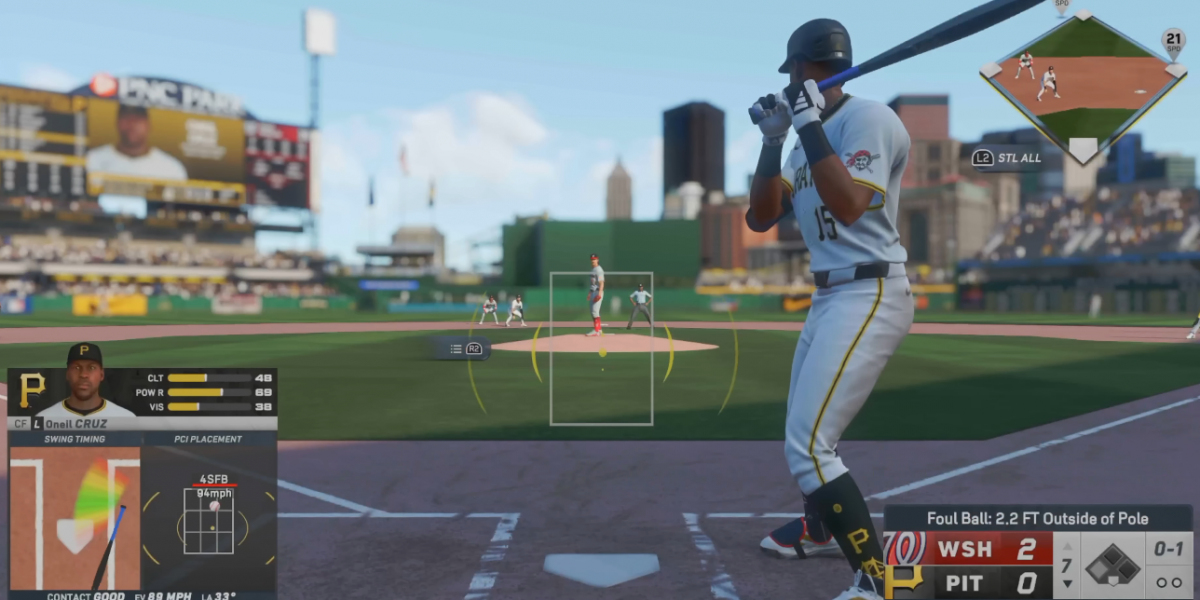 U4N: How to Complete Programs Faster in MLB The Show 26
If you want to survive the Diamond Dynasty grind in MLB The Show 26, you need to stop playing like a casual fan and start operating like an efficiency machine.
-
 Snow Rider: Play a Free Winter Racing Game
Jump, grab, and fly down snowy mountains in Snow Rider—an endless runner game that's free and browser-based.
-
 MMOEXP Beginner’s Guide to Aion 2 in 2026
The latest Aion 2 update is here, featuring improved rewards, Aion 2 Items, PvP enhancements, class balance changes, new cosmetics, and multiple bug fixes.
-
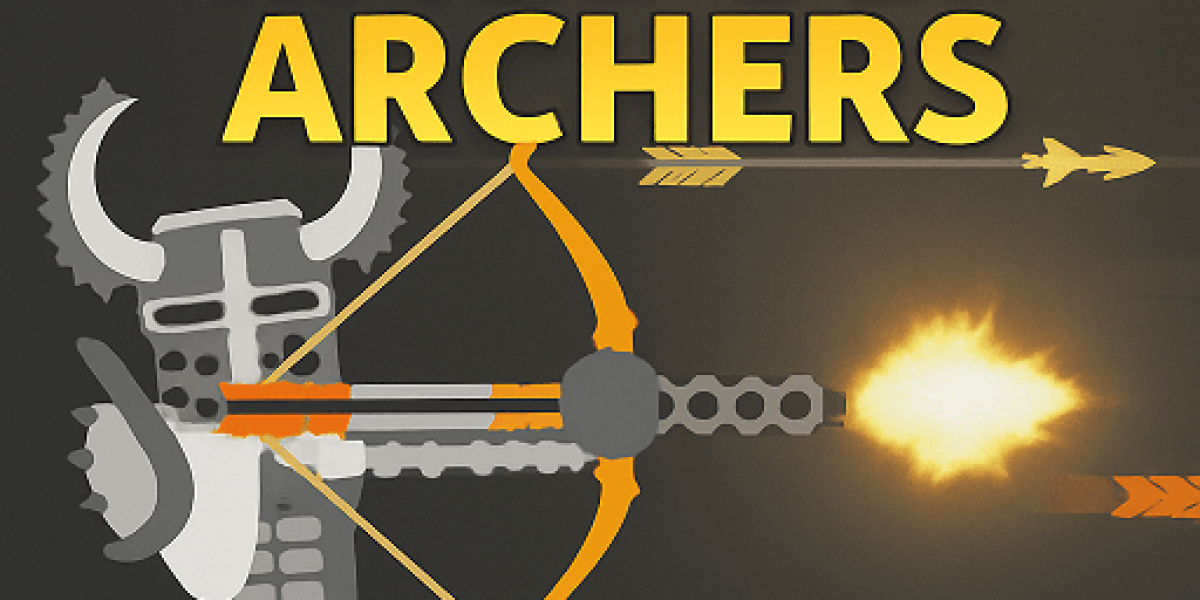 Ragdoll Archers: A Physics-Based Archery Game Full of Chaos
A Physics-Based Archery Game Full of Chaos
-
 MMOEXP Path of Exile Guide: Hail Kingdom – Navigating the 0.5 Endgame Overhaul
Current prediction: Announcement likely the last week of April (Thursday, as usual), with patch release around May 8th.


