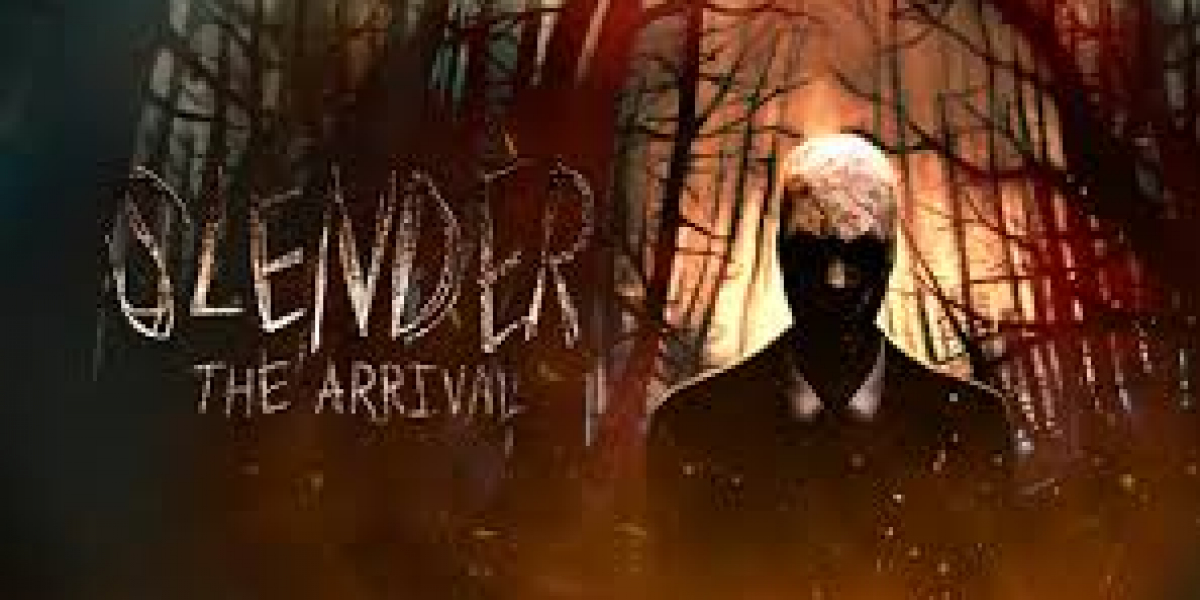
One of the things I love most about horror games is that they don't always rely on extraordinary locations.
Castles, haunted mansions, and abandoned asylums certainly have their place in the genre. But some of the most memorable horror experiences I've had happened in places that felt surprisingly normal.
An apartment building.
A school.
A convenience store.
A quiet neighborhood street.
Places like these shouldn't be frightening. They're the kinds of locations we encounter every day. Yet horror games have a unique ability to transform the familiar into something deeply uncomfortable.
And once that transformation happens, it's difficult to look at those spaces the same way again.
When players enter a fantasy world, they expect unusual things to happen.
The same isn't true when entering an ordinary environment.
We already understand how an apartment hallway should feel. We know what a classroom looks like. We know what it's like to walk through a parking garage late in the evening.
Because those places are familiar, we bring expectations with us.
Horror games exploit those expectations brilliantly.
A hallway that's slightly too quiet.
A room where something feels out of place.
A street that appears normal except for one small detail.
The environment doesn't need to be overtly threatening. Sometimes it only needs to feel wrong.
That subtle shift can be far more disturbing than an obviously haunted location.
I've noticed that many effective horror games focus less on danger and more on discomfort.
Instead of immediately introducing monsters, they create situations where players feel uneasy without fully understanding why.
Maybe the lighting feels unnatural.
Maybe a familiar room is arranged incorrectly.
Maybe the environment appears empty when it shouldn't be.
The human brain is remarkably good at detecting patterns.
It's also remarkably sensitive when those patterns break.
When something doesn't fit our expectations, we start paying closer attention.
We begin searching for explanations.
And when no explanation arrives, tension grows.
Some of the strongest horror experiences I've had came from environments that never explicitly threatened me.
They simply refused to feel normal.
There's something unsettling about entering a place that should be full of people and finding it empty.
A school without students.
A hospital without patients.
An office building without employees.
These locations feel wrong because our minds instinctively imagine what should be there.
The absence becomes part of the horror.
Players start asking questions.
Where did everyone go?
Why is nobody here?
What happened before I arrived?
Those questions often generate more tension than direct threats.
The environment itself becomes a mystery.
And mystery is one of horror's most valuable tools.
Not every horror game aims for realism.
Some embrace supernatural creatures, impossible worlds, and bizarre narratives.
Even then, many of the most effective settings remain grounded in reality.
I think that's because ordinary locations make horror feel closer.
It's easy to dismiss fear when it exists entirely in fantasy.
It's harder when the environment resembles somewhere you've actually been.
After playing certain horror games, I've found myself thinking about them while walking through parking structures or empty hallways.
Not because I expected anything dangerous to happen.
Because the game had changed the way I viewed those spaces.
That's a powerful achievement.
The experience escapes the screen and follows players into everyday life.
Ordinary environments become frightening partly because of how horror games use sound.
A supermarket during the day feels completely different from an empty supermarket filled with distant echoes.
A school hallway feels different when every footstep reverberates through silence.
The locations themselves haven't changed.
The atmosphere has.
Good horror audio design makes players question spaces they would otherwise consider harmless.
A dripping pipe becomes suspicious.
A flickering light becomes distracting.
A distant noise becomes impossible to ignore.
Suddenly, normal surroundings no longer feel safe.
One interesting effect of horror games is how they encourage observation.
Players begin studying environments more carefully than they would in most genres.
A family photograph on a wall.
A note left on a desk.
An open door at the end of a corridor.
Small details become meaningful because players assume everything might matter.
This heightened attention changes how ordinary locations feel.
A simple apartment can become fascinating when every object seems connected to a larger mystery.
The environment starts telling stories without saying a word.
That's one reason horror games often feel immersive even when very little is happening.
Curiosity keeps players engaged.
Some of my favorite horror game moments involve absolutely nothing happening.
No chase sequence.
No combat.
No jump scare.
Just walking through an environment that feels increasingly uncomfortable.
Those moments work because the player's imagination fills the silence.
Every closed door feels suspicious.
Every dark corner feels significant.
Every unexplained sound feels important.
The game creates the conditions for fear, but the player helps complete the experience.
That's a fascinating partnership.
And it's one of the reasons horror remains such a unique genre.
Looking back, I think horror games are at their strongest when they make familiar places feel unfamiliar.
Not because those locations are inherently scary.
Because they remind us how much emotion can be attached to environment.
A hallway is just a hallway.
A classroom is just a classroom.
A neighborhood street is just a street.
Until context changes everything.
The best horror games understand that fear doesn't always come from monsters or violence.
Sometimes it comes from a simple feeling that something isn't right.
A feeling that's difficult to explain.
A feeling that lingers long after the game is over.
And maybe that's why ordinary settings often leave the strongest impression. When a horror game turns an everyday place into something unsettling, how long does it take before that place feels completely normal again?

Ronal131
2 posts
-
 Why I Keep Losing at Agario Even When I Think I’ve Improved
At least, that’s what I kept telling myself. You start noticing patterns, learning tricks, understanding positioning… and for a while, it feels like progress. You survive longer. You make smarter decisions. You stop dying instantly.
-
 Watch Live Football Matches on Yalla Shoot
Yalla Shoot – Live Football Streaming and Match Updates
-
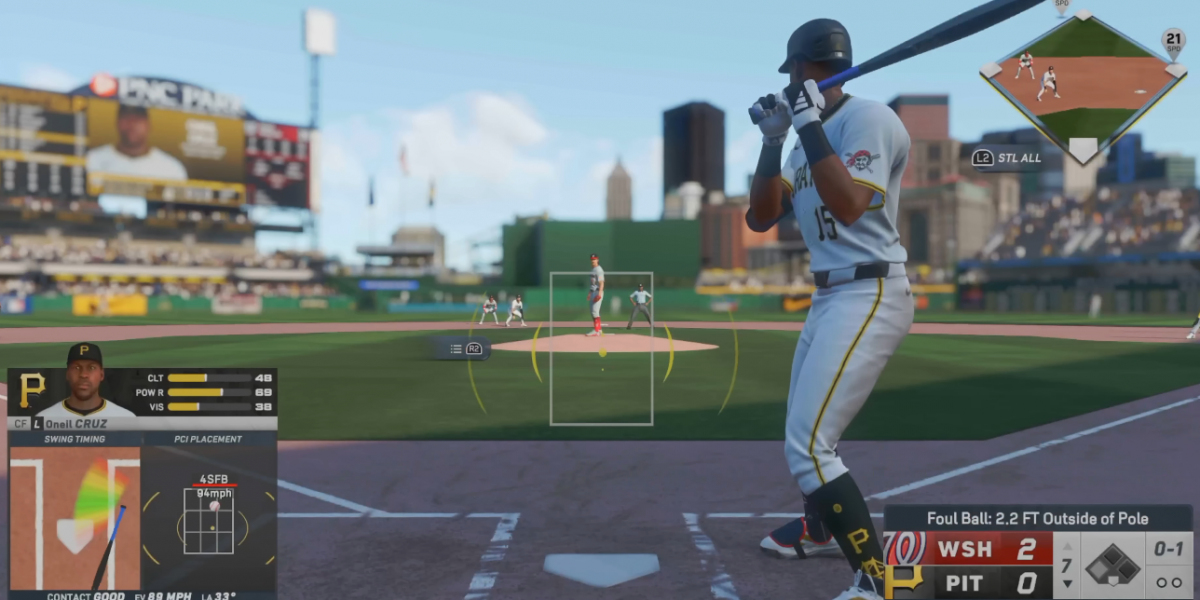 U4N: How to Complete Programs Faster in MLB The Show 26
If you want to survive the Diamond Dynasty grind in MLB The Show 26, you need to stop playing like a casual fan and start operating like an efficiency machine.
-
 Snow Rider: Play a Free Winter Racing Game
Jump, grab, and fly down snowy mountains in Snow Rider—an endless runner game that's free and browser-based.
-
 MMOEXP Beginner’s Guide to Aion 2 in 2026
The latest Aion 2 update is here, featuring improved rewards, Aion 2 Items, PvP enhancements, class balance changes, new cosmetics, and multiple bug fixes.
-
 Ragdoll Archers: A Physics-Based Archery Game Full of Chaos
A Physics-Based Archery Game Full of Chaos
-
 MMOEXP Path of Exile Guide: Hail Kingdom – Navigating the 0.5 Endgame Overhaul
Current prediction: Announcement likely the last week of April (Thursday, as usual), with patch release around May 8th.
-
 Xbox Game Pass May 2026 Lineup Brings Racing, Survival, RPGs, And Space Exploration
Few gaming subscriptions offer variety on the scale of Xbox Game Pass, and the May 2026 lineup proves exactly why the service continues attracting millions of players worldwide.
-
 MMOEXP Farewell to Static Combat: Aion 2’s Aerial Warfare and PvE Innovations
Released in Korea and Taiwan on November 19th, 2025, Aion 2 is NCSoft’s ambitious contender for "MMORPG of the Decade."
-
 MMOEXP Path of Exile Guide: Hail Kingdom – Navigating the 0.5 Endgame Overhaul
Current prediction: Announcement likely the last week of April (Thursday, as usual), with patch release around May 8th.


