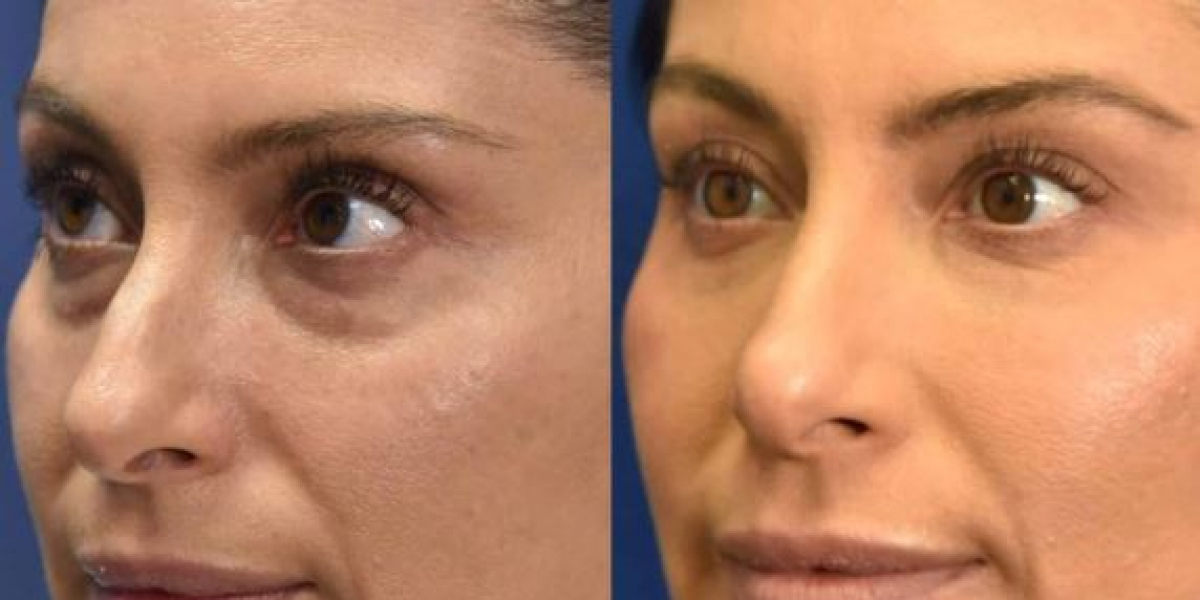
Tear trough fillers have become a go-to solution for individuals seeking a non-surgical method to address under-eye hollows and dark circles. This cosmetic treatment involves injecting dermal fillers into the under-eye area, offering a rejuvenated and refreshed appearance. With the rise of aesthetic procedures, tear trough fillers are gaining popularity as a minimally invasive option to boost confidence and enhance facial aesthetics. But how do you determine if tear trough fillers are the right choice for you? This article explores everything you need to know about tear trough fillers, their benefits, potential risks, and factors to consider before undergoing the procedure.
Understanding Tear Trough Fillers
Tear trough fillers utilize hyaluronic acid, a naturally occurring substance in the skin that provides hydration and volume. This dermal filler is carefully injected into the tear trough area, which is located between the lower eyelid and the cheek. The procedure works by smoothing the under-eye transition, effectively reducing the appearance of shadows and hollows that contribute to a tired or aged look.
The results of tear trough fillers are temporary, typically lasting between six months to a year, depending on the type of filler used, the patient's metabolism, and the technique of the practitioner. For those seeking subtle yet impactful results, tear trough fillers provide an effective way to rejuvenate the under-eye area without resorting to invasive eye surgery or eyelid surgery.
Benefits of Tear Trough Fillers
Tear trough fillers offer a range of advantages, making them a favored choice for individuals with under-eye concerns:
- Reduced Under-Eye Hollows: By adding volume to the tear trough area, fillers diminish the appearance of hollows, creating a smoother, more youthful contour.
- Diminished Dark Circles: Although tear trough fillers are not a direct solution for pigmentation, they can significantly reduce dark circles caused by shadows under the eyes.
- Minimal Downtime: As a minimally invasive procedure, most patients can resume normal activities immediately following their treatment.
- Boost in Confidence: A refreshed and rejuvenated under-eye area can greatly enhance overall facial aesthetics, often leading to increased self-esteem.
Potential Risks and Considerations
While tear trough fillers are considered safe for most people, it is essential to be aware of the potential risks and side effects:
- Bruising and Swelling: Temporary bruising and swelling at the injection site are common and typically subside within a few days.
- Asymmetry: Incorrect application of the filler may result in uneven outcomes, which may require further adjustments.
- Infection: As with any injectable procedure, there is a small risk of infection.
- Tyndall Effect: A bluish tint under the skin can occur if the filler is injected too superficially.
- Vascular Occlusion: In rare cases, the filler may block a blood vessel, leading to potential tissue damage.
Choosing a qualified and experienced practitioner who specializes in dermal fillers is crucial for minimizing these risks and ensuring optimal results.
Who Is a Good Candidate for Tear Trough Fillers?
Ideal candidates for tear trough fillers are individuals who:
- Have under-eye hollows or mild to moderate dark circles caused by shadowing.
- Do not have significant excess skin or deep wrinkles around the eyes.
- Are in good overall health and have realistic expectations about the results.
Additionally, individuals should not be allergic to the filler ingredients and should have no active skin infections in the treatment area. If your under-eye concerns are due to excess skin or fat deposits, surgical options like eyelid surgery or eye surgery may be more suitable. Consulting with a professional can help determine the best course of action based on your unique needs.
The Tear Trough Filler Procedure
The treatment process for tear trough fillers is straightforward and typically completed in under an hour. Here’s a step-by-step overview:
- Consultation: During the initial consultation, your practitioner will discuss your aesthetic goals, medical history, and any concerns you may have.
- Preparation: The under-eye area will be cleansed, and a topical numbing cream may be applied to minimize discomfort during the injections.
- Injection: Using a fine needle or cannula, the filler is injected directly into the tear trough area. The practitioner may gently massage the area to ensure even distribution.
- Post-Treatment Care: After the procedure, you may be advised to avoid rubbing the treated area and to limit exposure to high heat or strenuous activity for a few days.
How Tear Trough Fillers Compare to Surgical Alternatives
For those considering more permanent solutions, eye surgery or eyelid surgery may be an alternative to tear trough fillers. These surgical options can address more severe cases of under-eye concerns, such as significant fat deposits or loose skin. However, they come with longer recovery times and higher costs. Tear trough fillers provide a less invasive option with immediate results and minimal downtime, making them an attractive choice for many.
Conclusion
Tear trough fillers are an excellent non-surgical solution for rejuvenating the under-eye area. With benefits like reduced hollows, diminished dark circles, and minimal downtime, it’s no wonder they’ve become a popular choice for those seeking to enhance their facial appearance. However, understanding the potential risks and setting realistic expectations is crucial in making an informed decision.
If you’re considering tear trough fillers, consult with Ahmad Aziz who is a skilled practitioner to discuss your suitability for the treatment. Whether you opt for tear trough fillers or explore surgical options like eye surgery or eyelid surgery, the key to achieving safe and satisfying results lies in choosing an experienced professional who prioritizes your needs and safety.

Ahmad Aziz
4 posts
-
 Advanced MERS-CoV Animal Models to Accelerate Coronavirus Vaccine and Drug Development
Advanced MERS-CoV Animal Models to Accelerate Coronavirus Vaccine and Drug Development
-
 Could Staring Spells and Hand Tremors Be Epilepsy?
Discover 9 common misconceptions about epilepsy, including seizure symptoms, causes, treatment options, medication management, and seizure first aid. Learn the facts about epilepsy and improve awareness to support patients and families.
-
 How Women Long Sleeve Hoodies Redefine Tactical Streetwear Fashion
Women Long Sleeve Hoodies have transformed from simple wardrobe essentials into defining pieces of tactical streetwear fashion. Their evolution reflects a broader shift in how clothing is perceived—not just as a necessity, but as an extension of personality and lifestyle.
-
 Elevate Your Health with Natural Therapies in Oceanside
Discover natural healing at an Acupuncture Clinic Oceanside and a trusted Holistic Wellness Center Oceanside for stress relief, pain management, and total wellness.
-
 Get 10% Off Reliable ED Medicines with Medsvilla Special Deal
These medicines are commonly prescribed and widely used for managing ED symptoms effectively when used under proper medical guidance.
-
 How to Get a Hydrocodone Prescription
Online via Telehealth (Safe & Legal Guide)This guide explains how to safely and legally get a hydrocodone prescription via telehealth,
along with key legal rules and safety precautions. -
 Transform Your Health with Advanced Surgical Solutions in Houston
Invest in your future. Choose Houston. Choose life-changing care.
-
 Unlocking Wellness: Functional Lab Testing & Nutraceutical Care in Columbia
Your path to balance, vitality, and healing starts here.
-
 How Modern Medical Equipment in Train Ambulance Ensures Patient Stability
Discover how advanced ICU equipment in Train Ambulance Service in Patna ensures patient stability during long-distance transfers with ventilators, monitors & expert care.
-
 Women’s Testosterone Dosage: What You Should Know
Testosterone isn’t just for men — it’s also a key hormone for women. When balanced properly, it supports energy, mood, muscle tone, mental clarity, and sexual wellness.
-
 Safe Anavar Purchase Tips: A Detailed Guide
Anavar is a top choice for people looking to build lean muscle, improve strength, and maintain a defined physique.


