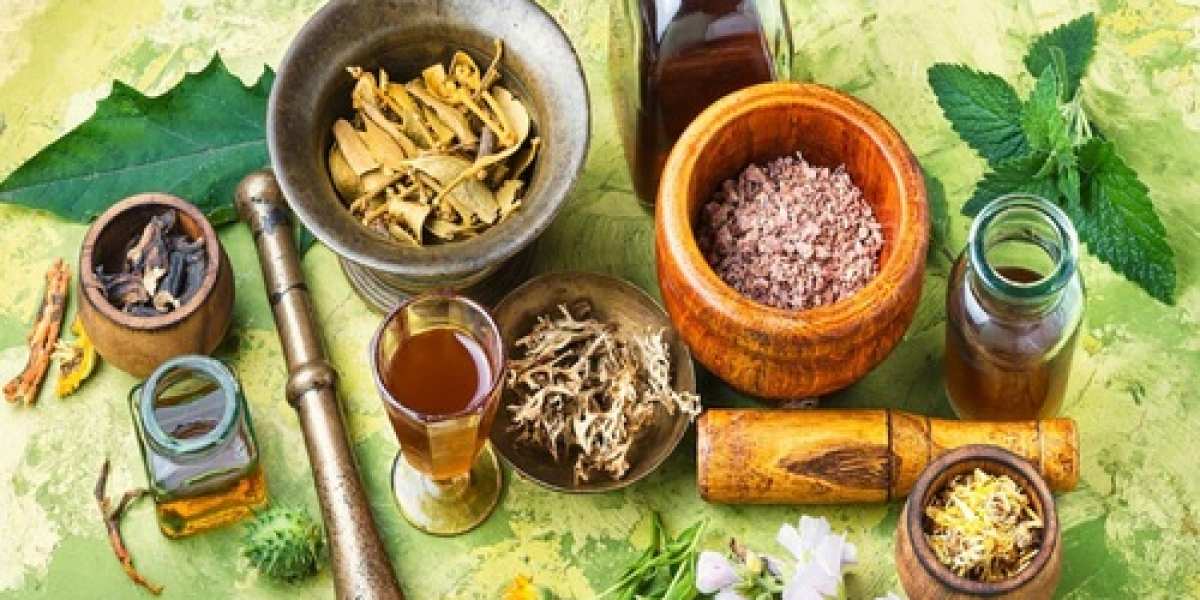
Herbal medicine has experienced a massive revival, as consumers turn away from synthetic ingredients and toward time-tested natural alternatives. From ashwagandha to echinacea, herbal extracts are now part of millions of daily wellness routines. But as their popularity grows, so does the question: Are herbal extracts safe?
In this comprehensive guide from Oils and Herbs, we explore the science behind herbal extracts, examine the latest research from 2025, and reveal both the benefits and potential side effects of using these powerful plant-based products.
What Are Herbal Extracts?
Herbal extracts are concentrated solutions made by extracting active compounds from plants, typically using alcohol, water, glycerin, or CO₂ as solvents. This process captures the plant’s therapeutic compounds—like alkaloids, flavonoids, terpenes, or saponins—into a liquid or powder form that’s easier to dose and more bioavailable than whole herbs or teas.
There are several types of herbal extracts:
- Tinctures: Alcohol-based extractions
- Glycerites: Glycerin-based, often for alcohol-free use
- Fluid extracts: Highly concentrated, 1:1 herb-to-liquid ratio
- Standardized extracts: Processed to contain consistent levels of active ingredients
At Oils and Herbs, we offer a curated range of herbal extracts that meet strict quality control standards, are third-party tested, and formulated for optimal potency and safety.
Why Are Herbal Extracts Trending in 2025?
The shift toward plant-based and holistic wellness has only intensified in 2025. According to the Global Wellness Report, the herbal supplement market has grown 18% in the past year, driven by demand for immune support, mental clarity, energy, and stress relief.
Consumers are increasingly:
- Looking for natural solutions to chronic issues like anxiety and fatigue
- Seeking preventative health measures without pharmaceutical side effects
- Interested in traditional medicine backed by modern science
- Choosing sustainability-conscious brands like Oils and Herbs
Examples of trending herbs:
- Ashwagandha for stress & adrenal support
- Turmeric for inflammation
- Milk Thistle for liver health
- Valerian Root for sleep
- Elderberry for immune support
Despite this surge in popularity, it’s vital to understand herbal extract benefits and risks before adding them to your daily routine.
What Science Says About Herbal Extract Safety in 2025
So, are herbal extracts safe? The short answer: yes—for most people, when used properly.
What Current Research Shows
Multiple studies in the past year have confirmed the efficacy and safety of many well-known herbal supplements. Here’s a brief overview of 2025’s most impactful research:
- A clinical trial at Stanford University (2025) showed that daily supplementation of ashwagandha root extract significantly reduced cortisol levels and improved sleep in over 80% of participants, with no serious side effects.
- Turmeric extract (curcumin) was reviewed in a 2024–2025 meta-analysis for its anti-inflammatory effects in arthritis patients. Over 2,500 individuals participated, with a 97% safety tolerance rate, showing that turmeric is generally well tolerated even in higher doses.
- A double-blind study on valerian root found that participants experienced improved sleep quality with less grogginess compared to pharmaceutical sleep aids—again, with a strong safety profile.
Important caveat: While the science behind herbal extracts is compelling, safety depends heavily on individual factors like dosage, formulation quality, and personal health history.
Potential Herbal Supplement Side Effects and Risks
Even natural substances can have side effects. Understanding the herbal supplement side effects helps you use them safely and effectively.
Common side effects include:
- Digestive discomfort (e.g., nausea or bloating)
- Headaches or dizziness (from overstimulation)
- Skin reactions or allergic responses
- Photosensitivity (especially with St. John’s Wort)
High-Risk Scenarios
- Drug interactions: Many herbs interact with prescription medications. For example, ginkgo biloba may affect blood thinners.
- Pregnancy and breastfeeding: Certain herbs like dong quai, mugwort, or black cohosh may not be safe for pregnant individuals.
- Pre-existing conditions: People with autoimmune disorders, hormonal imbalances, or kidney/liver issues should consult a healthcare provider.
Oils and Herbs Tip: Always read product labels carefully, and consult your physician if you're unsure about safety based on your medical profile.
Are Herbal Extracts Safe During Pregnancy?
This is one of the most frequently asked questions—and for good reason. Pregnancy is a time of heightened sensitivity to anything ingested.
Herbs that are generally NOT recommended:
- Dong Quai – may stimulate uterine contractions
- Black Cohosh – traditionally used to induce labor
- Pennyroyal & Mugwort – potentially toxic
Safer options (consult doctor first):
- Ginger extract for nausea
- Chamomile (in moderation) for relaxation
- Peppermint for digestion
Again, check with your OB-GYN before using any supplement, even if it’s marketed as natural or “safe.”
Herbal Extract Quality: Why It Matters
One of the most overlooked factors in herbal extract safety is quality control.
Unlike prescription drugs, herbal supplements are not tightly regulated in many countries—including the U.S. That means what's on the label might not always be what’s in the bottle.
Common quality concerns:
- Contaminants: heavy metals, pesticides, mold
- Incorrect plant species
- Wrong dosage or potency
- Additives and synthetic fillers
At Oils and Herbs, we go the extra mile by:
- Partnering with ethical farms that use sustainable growing practices
- Conducting third-party testing for potency and purity
- Manufacturing in GMP-certified facilities
- Providing transparent Certificates of Analysis (COAs) for every product
How to Use Herbal Extracts Safely
Here are science-backed, expert-approved tips for minimizing risk and maximizing benefits when using herbal extracts:
1. Start Low and Go Slow
Always begin with a lower dose than recommended, especially if it's your first time. Monitor how your body reacts before increasing.
2. Time Your Intake Wisely
Some herbs are best taken with food (like turmeric), while others are better on an empty stomach (like ashwagandha). Read label instructions carefully.
3. Cycle Your Usage
Avoid taking the same herbal extract indefinitely. Use herbs in 4–6 week cycles, with short breaks in between, unless advised otherwise.
4. Avoid Mixing With Medications
If you're on prescription drugs, consult a professional. Some herbs can increase or decrease the effects of medications—sometimes dangerously.
5. Choose Reputable Brands
This is critical. Don’t buy herbal extracts from unverified online sources. At Oils and Herbs, our mission is to provide safe, effective, and scientifically validated herbal remedies you can trust.
Industry Trends: What's New in Herbal Supplements in 2025?
The herbal extract industry continues to evolve rapidly. Here are some exciting innovations and changes happening this year:
1. Precision Herbal Formulations
Blends are now being personalized based on genetic markers, gut health, and stress profiles—an approach known as phyto-nutrigenomics.
2. Sustainable Sourcing
Consumers want clean, traceable products. Brands like Oils and Herbs are leading with transparent supply chains and zero-deforestation policies.
3. Nano-Emulsified Herbal Extracts
New delivery systems like nanoemulsions increase absorption rates for herbs with poor bioavailability (e.g., curcumin, resveratrol).
4. Smart Supplement Tracking Apps
Apps now help users track dosage, timing, mood, and side effects for herbs to improve outcomes and avoid overuse.
Frequently Asked Questions (FAQs)
Are herbal extracts safe for daily use?
Most are, if used at proper doses. Long-term daily use should be periodically reviewed by a professional.
Can herbal extracts replace medication?
In most cases, no. Herbal supplements can complement your treatment plan, but they should not replace essential medications without medical supervision.
What’s the safest herbal extract to start with?
Consider turmeric, ginger, or chamomile—they have excellent safety profiles and are gentle on most systems.
Are herbal supplements regulated by the FDA?
No. In the U.S., the FDA does not regulate herbal supplements like drugs. That’s why it’s essential to buy from companies with strong quality control, like Oils and Herbs.
How do I know if an herbal extract is working?
Track symptoms, energy, sleep, or digestion. Subtle improvements often indicate the extract is working. Give at least 2–3 weeks to assess changes.
Final Thoughts: So, Are Herbal Extracts Safe?
Yes—when used correctly, herbal extracts are safe, effective, and backed by growing scientific evidence. But just like any supplement, they require proper knowledge, responsible usage, and high-quality sourcing.
Here’s the bottom line:
- Educate yourself on each herb’s benefits and risks
- Consult a health professional when in doubt
- Choose verified, third-party-tested products—like those from Oils and Herbs
Your wellness journey should be safe, empowering, and grounded in both tradition and science.
Explore Safe, Powerful Herbal Extracts
Ready to take the next step in your natural wellness journey?
Browse our curated collection at Oils and Herbs — where safety meets potency.

oils herbs
1 posts
-
 Advanced MERS-CoV Animal Models to Accelerate Coronavirus Vaccine and Drug Development
Advanced MERS-CoV Animal Models to Accelerate Coronavirus Vaccine and Drug Development
-
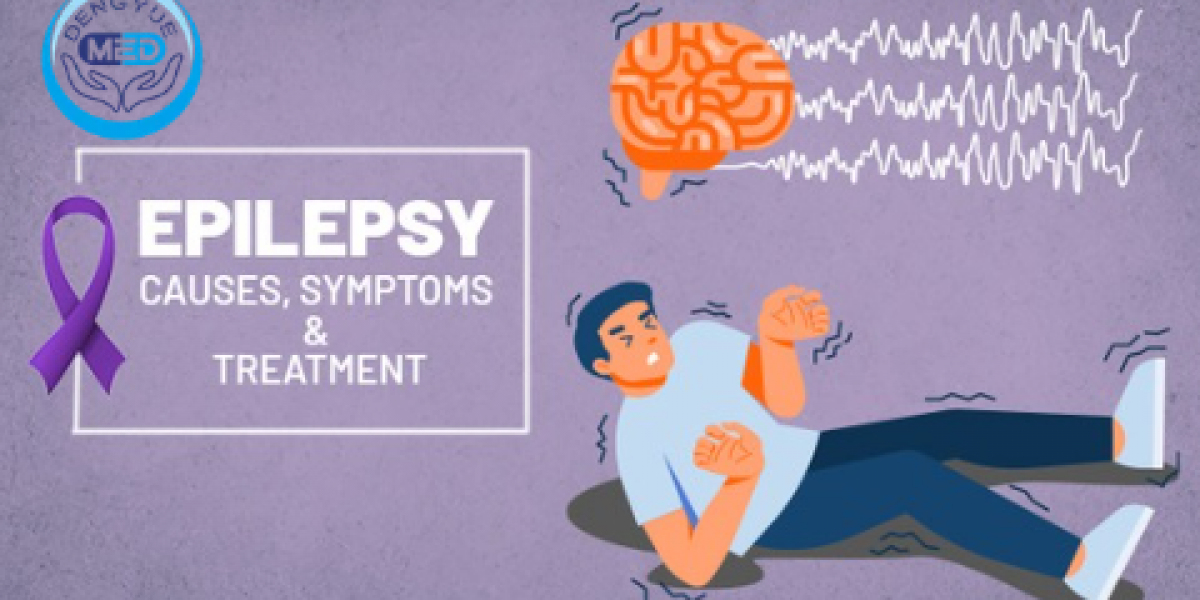 Could Staring Spells and Hand Tremors Be Epilepsy?
Discover 9 common misconceptions about epilepsy, including seizure symptoms, causes, treatment options, medication management, and seizure first aid. Learn the facts about epilepsy and improve awareness to support patients and families.
-
 How Women Long Sleeve Hoodies Redefine Tactical Streetwear Fashion
Women Long Sleeve Hoodies have transformed from simple wardrobe essentials into defining pieces of tactical streetwear fashion. Their evolution reflects a broader shift in how clothing is perceived—not just as a necessity, but as an extension of personality and lifestyle.
-
 Elevate Your Health with Natural Therapies in Oceanside
Discover natural healing at an Acupuncture Clinic Oceanside and a trusted Holistic Wellness Center Oceanside for stress relief, pain management, and total wellness.
-
 Get 10% Off Reliable ED Medicines with Medsvilla Special Deal
These medicines are commonly prescribed and widely used for managing ED symptoms effectively when used under proper medical guidance.
-
 How to Get a Hydrocodone Prescription
Online via Telehealth (Safe & Legal Guide)This guide explains how to safely and legally get a hydrocodone prescription via telehealth,
along with key legal rules and safety precautions. -
 Transform Your Health with Advanced Surgical Solutions in Houston
Invest in your future. Choose Houston. Choose life-changing care.
-
 Unlocking Wellness: Functional Lab Testing & Nutraceutical Care in Columbia
Your path to balance, vitality, and healing starts here.
-
 How Modern Medical Equipment in Train Ambulance Ensures Patient Stability
Discover how advanced ICU equipment in Train Ambulance Service in Patna ensures patient stability during long-distance transfers with ventilators, monitors & expert care.
-
 Women’s Testosterone Dosage: What You Should Know
Testosterone isn’t just for men — it’s also a key hormone for women. When balanced properly, it supports energy, mood, muscle tone, mental clarity, and sexual wellness.
-
 Safe Anavar Purchase Tips: A Detailed Guide
Anavar is a top choice for people looking to build lean muscle, improve strength, and maintain a defined physique.


