
When we think of surgery, our minds often jump straight to the operating room—the surgeon making precise movements, nurses passing tools, bright lights shining overhead. But there’s another critical part of the story, often unfolding quietly in the background: anesthesia.
Anesthesia is what allows patients to go through surgeries and medical procedures without pain, panic, or memory of the event. And behind every smooth experience is a carefully arranged collection of tools and materials known as anesthesia supplies.
They may not be as visible as scalpels or stitches, but anesthesia supplies are what make surgery safe, comfortable, and possible. Let’s take a closer look at what they include, how they’re used, and the hidden world of care they represent.
What Are Anesthesia Supplies, Really?
At first glance, the term "anesthesia supplies" might sound vague. But in practice, it covers a wide range of equipment and materials used to deliver anesthesia and monitor the patient’s condition during a procedure.
Here’s a breakdown of what you might find in an anesthesia cart:
All of these tools come together to make one thing possible: a pain-free, stable experience while the surgical team does their work.
The Anesthesiologist’s Toolbox
Anesthesia supplies aren’t just tools—they’re extensions of the anesthesiologist’s training and instincts. Every item has a specific purpose, and each is chosen carefully based on the patient’s condition, age, size, and the nature of the surgery.
For example, a simple wisdom tooth removal might only require a light sedative and a face mask with oxygen. But open-heart surgery? That’s a different story—requiring a full airway setup, continuous IV medication, advanced monitoring, and rapid-response tools in case anything changes.
In many ways, the anesthesiologist is like the body’s guardian during surgery, and anesthesia supplies are their lifeline. They allow for precise control of consciousness, pain levels, breathing, and more—all without the patient feeling a thing.
It’s Not Just in the OR
While most people associate anesthesia with the operating room, these supplies are also used in a variety of other settings:
In each of these settings, the supplies may differ slightly, but the goal is the same: comfort, safety, and control.
Safety Comes First
One of the things that makes anesthesia both powerful and delicate is that it affects some of the body’s most critical functions—breathing, heart rate, consciousness. That’s why so much of the anesthesia setup is focused on monitoring.
During even the most routine procedure, the patient is connected to machines that track every heartbeat, breath, and drop in blood pressure. Sensors are attached, alarms are tested, and backup supplies are always on hand in case something needs to be adjusted quickly.
This level of vigilance is made possible not just by the anesthesiologist's expertise but by the quality and readiness of the tools they rely on.
The Human Touch Behind the Supplies
It’s easy to think of anesthesia supplies as just stuff—tubes, wires, and gadgets. But every one of those items exists because someone somewhere designed it, tested it, packaged it, and made sure it was sterile and safe.
From factory workers and quality inspectors to hospital inventory staff and biomedical engineers, there's an entire network of people behind each item on the anesthesia tray.
Their work might not be glamorous, but it’s incredibly important. After all, when someone’s health—or even their life—is on the line, there’s no room for faulty equipment or missing pieces.
What About Sustainability?
Like many areas of healthcare, anesthesia comes with a lot of single-use supplies. Sterility and safety often mean plastic wrappers, disposable tubes, and throw-away masks.
But as environmental awareness grows, hospitals are beginning to explore greener solutions—like reusable circuits, biodegradable packaging, and more efficient supply chains. It’s a work in progress, but a necessary one. Because caring for people also means caring for the planet they live on.
Final Thoughts: The Tools That Help You Sleep (Safely)
If you’ve ever gone under anesthesia, you probably remember the moment right before you drifted off. Maybe you were nervous, maybe you cracked a joke—or maybe it all happened so fast you didn’t have time to think.
What you probably didn’t see was everything working silently in the background: the face mask gently delivering oxygen, the IV line starting its flow, the monitors tracking your heart rate, and the anesthesiologist watching over every detail.
Anesthesia supplies aren’t flashy, but they’re the quiet heroes of the surgical world. They hold your hand (in their own way) through some of life’s most vulnerable moments—helping you fall asleep gently, and wake up safely.
So the next time you or a loved one heads into surgery, take comfort in knowing there’s a whole system of supplies and professionals working together to make the experience as smooth and safe as possible

Daniel Walker
1 posts
-
 Brand Identity and Tenant Experience: Cultivating Loyalty at Elan Empire Gurgaon
Securing high occupancy in a premium high-street asset is only half the battle. For long-term viability, property management and individual investors must shift their focus to building tenant loyalty and creating a distinctive brand identity.
-
 Master Review: Evaluating Godrej Nature Plus, Sector 33, Gurgaon
The layout uses a smart structural pattern where towers are angled away from each other. This creates a staggered footprint that gives corner apartments clear, unblocked views of the Aravalli foothills while ensuring optimal morning and afternoon sunlight. Inside the towers, the floor plan
-
 BPTP Downtown 66: A Masterpiece of Vertical Luxury in Sector 66
BPTP Downtown 66 has emerged as one of the most anticipated high-rise developments on the Golf Course Extension Road. Designed by the globally acclaimed architectural firm Aedas, this project is not just a residential complex but a vertical ecosystem where luxury meets functionality.
-
 Aesthetic Clinic in Australia | Beauty Clinic in Carolina | PM Aesthetics
Discover a trusted aesthetic clinic in Australia and a professional beauty clinic in Carolina. PM Aesthetics offers advanced skincare, cosmetic treatments, and personalized beauty solutions.
-
 The Masterful Synergy at Signature Global Tonino Lamborghini
Signature Global Tonino Lamborghini Residences represents a ₹2,890 crore synergy of Italian supercar aesthetics and Indian engineering excellence in Sector 71.
-
 Sidewalk Repair NYC: A Complete Guide for Property Owners
Sidewalks in New York City endure constant wear and tear due to heavy foot traffic, extreme weather conditions, and tree root growth. Over time, cracks, uneven surfaces, and potholes can develop. These issues not only create an unpleasant appearance but also pose serious safety hazards for
-
 Why Natural Stone Wall Panels Are Becoming the First Choice for Modern Interiors
Discover why natural stone wall panels are becoming a top choice for modern interiors and exteriors. Learn about their durability, aesthetic appeal, and versatile applications for residential and commercial spaces.
-
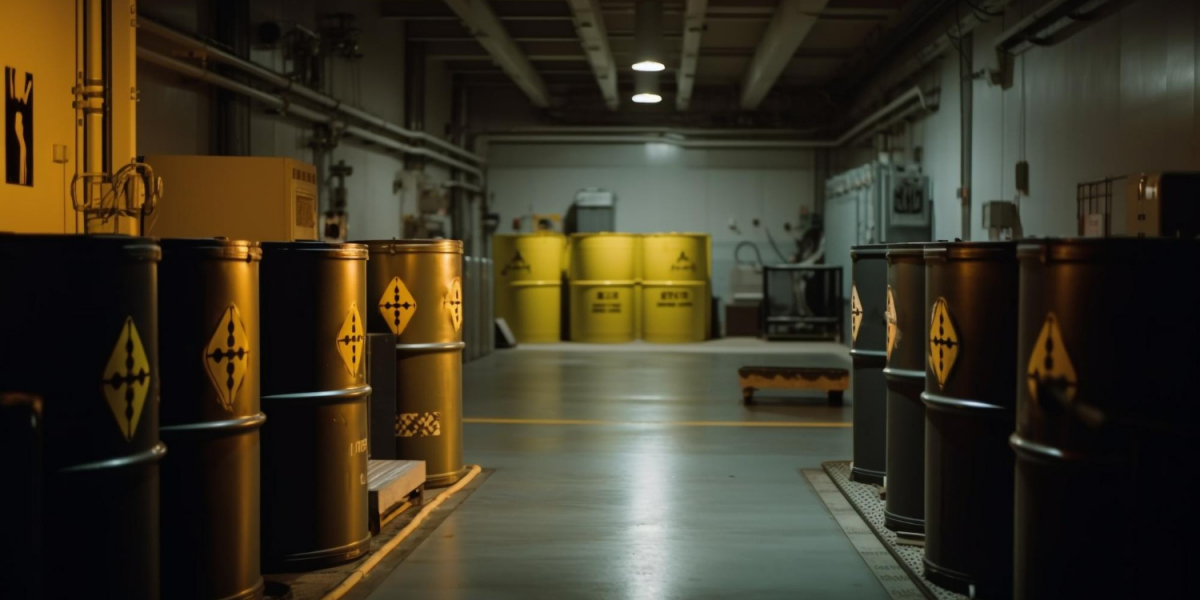 Chemical Supplier for Industrial in UAE: Reliable Solutions for Modern Industries
Find a reliable chemical supplier for industrial in UAE offering high-quality products, consistent supply, and tailored solutions for manufacturing, oil & gas, construction, and water treatment industries.
-
 Signature Global Cloverdale SPR Gurgaon – A Modern Address for Comfortable Living
This connectivity allows residents to easily access major employment hubs, corporate offices, and business districts. The proximity to IGI Airport further adds to its appeal, especially for professionals who travel frequently.
-
 The Vertical Revolution: Living Above the Ordinary at Sobha Rivana
Sobha Rivana is a G+45 floor architectural landmark in Sector 1, Greater Noida West, featuring a low-density design with only four units per floor and four high-speed elevators. It offers a premium lifestyle with 11-foot high ceilings, 80% open green space, and a 50,000 sq. ft. clubhouse,
-
 Find the Perfect Christmas Jewellery at Stonex Jewellers
Our Christmas collection features a wide range of designs, from classic to contemporary, ensuring there is something for everyone.


