Aluminum Cable Revolution: Lightweight Power Solutions for Modern Infrastructure


Aluminum cable, made from aluminum conductors instead of the more traditional copper, is rapidly gaining popularity in electrical wiring, power distribution, and utility networks. With its lightweight structure, cost-efficiency, and evolving technology, aluminum cable is a cornerstone in modern electrical and construction industries.
While copper still dominates high-demand sectors, aluminum cable is no longer a second choice. It’s a preferred solution for large-scale, cost-sensitive projects—especially where weight and scalability matter.
Utility Power Distribution (Overhead lines, transformers)
Residential Wiring (particularly in cost-driven developments)
Renewable Energy Infrastructure (solar farms, wind farms)
Industrial Projects (HVAC, large machinery connections)
EV Charging Networks and Smart Grids
AAC (All Aluminum Conductor)
100% aluminum
Best for short distance transmission
AAAC (All Aluminum Alloy Conductor)
Higher strength alloyed aluminum
Increased corrosion resistance
ACSR (Aluminum Conductor Steel Reinforced)
Core steel wire for added strength
Ideal for long-span overhead lines
XLPE Aluminum Cable
Cross-linked polyethylene insulated
Suitable for underground and industrial usage
✅ Cost-Efficiency
Aluminum cables are 2-3x cheaper than copper, making them highly attractive for large-scale installations.
✅ Lightweight Design
30-50% lighter than copper, reducing structural load and simplifying transport and installation.
✅ Thermal Performance
Aluminum dissipates heat efficiently, reducing overheating risks in high-load applications.
✅ Scalability
Ideal for expanding infrastructure in developing areas or large grids due to low cost and high availability.
✅ Eco-Friendly
Aluminum is 100% recyclable, and the production process consumes less energy than copper manufacturing.
Myth 1: Aluminum cable is unsafe.
✅ Fact: When installed correctly with proper connectors and anti-oxidation compound, aluminum cables are just as safe as copper.
Myth 2: Aluminum corrodes easily.
✅ Fact: Modern aluminum cables are treated with anti-corrosive coatings or alloyed for superior durability.
Myth 3: Aluminum has poor conductivity.
✅ Fact: Though less conductive than copper, aluminum is designed in larger gauges to compensate and meet all safety standards.
Use Correct Connectors: Ensure connectors are AL-rated or dual-rated (AL/CU).
Apply Anti-Oxidant Compound: Prevents oxidation at terminals.
Torque Connections Properly: Avoid over-tightening, which may lead to metal fatigue.
Follow NEC Guidelines (National Electrical Code): Ensures compliance and safety.
Routine Inspections: Monitor for loose connections or signs of thermal damage.
The shift toward solar energy, wind farms, and EV infrastructure relies heavily on aluminum cable due to its cost and weight advantages.
Smart cities, with their interconnected infrastructure—LED lighting, IoT devices, and distributed energy systems—prefer aluminum cables for large-scale, flexible layouts.
Yes. Aluminum cable is approved by the NEC (National Electrical Code) and used widely, especially in service entrance and feeder lines.
No, aluminum has excellent heat dissipation. Proper installation prevents overheating.
When correctly installed and maintained, aluminum cable can last over 30-40 years.
Absolutely. Aluminum cables with XLPE insulation are designed for underground applications.
While aluminum itself isn't fireproof, insulation types like XLPE provide robust fire resistance for aluminum cable systems.
✔ Large-scale project with cost constraints
✔ Overhead transmission or long-distance span
✔ Need for lighter material for transport and install
✔ Renewable energy plant or grid-scale solar farm
✔ Infrastructure in coastal or corrosive environments (use AAAC/ACSR)
Global aluminum cable market size: Estimated to reach $75 billion by 2030
Growth rate: CAGR of 6.5% from 2024 to 2030
Adoption in renewable energy: 60% of utility-scale solar plants use aluminum cabling
Weight savings in high-rise buildings: Reduces structural weight by 20-30% compared to copper
“When using aluminum for branch circuits or feeders, always size up the cable by at least one gauge compared to copper. Combine with anti-oxidant paste and torque tools for best results.”
— Licensed Electrical Engineer, 15+ years experience
Low Voltage (LV): Home wiring, small motors (XLPE insulated)
Medium Voltage (MV): Commercial and industrial facilities
High Voltage (HV): Substations, utility poles (AAC/AAAC/ACSR)
Dry Indoor: Standard aluminum wire
Wet or Underground: Use water-resistant XLPE or PE sheathed aluminum cable
Corrosive Area: Alloyed (AAAC) or steel-reinforced (ACSR)
Fixed Installation: XLPE or armored aluminum cable
Overhead Distribution: ACSR or bare aluminum conductors
Temporary Use: Flexible stranded aluminum cables
Cable cutters rated for AL
Torque wrenches
Anti-oxidant compound (oxide-inhibiting grease)
Dual-rated lugs and connectors (AL/CU)
Cable strippers compatible with aluminum jacket
Crimping tools and sleeves
Let me know if you want this content tailored to a product page, B2B catalog, or multilingual format (like Spanish, German, or Traditional Chinese).
jhon Welson
22 posts
-
 Brand Identity and Tenant Experience: Cultivating Loyalty at Elan Empire Gurgaon
Securing high occupancy in a premium high-street asset is only half the battle. For long-term viability, property management and individual investors must shift their focus to building tenant loyalty and creating a distinctive brand identity.
-
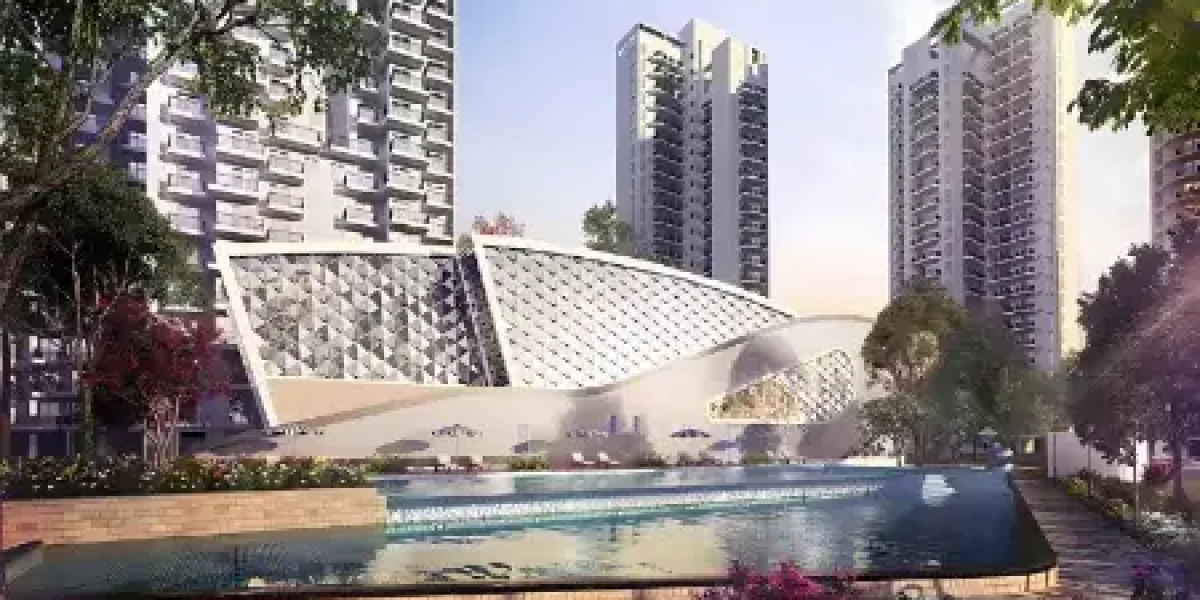 Master Review: Evaluating Godrej Nature Plus, Sector 33, Gurgaon
The layout uses a smart structural pattern where towers are angled away from each other. This creates a staggered footprint that gives corner apartments clear, unblocked views of the Aravalli foothills while ensuring optimal morning and afternoon sunlight. Inside the towers, the floor plan
-
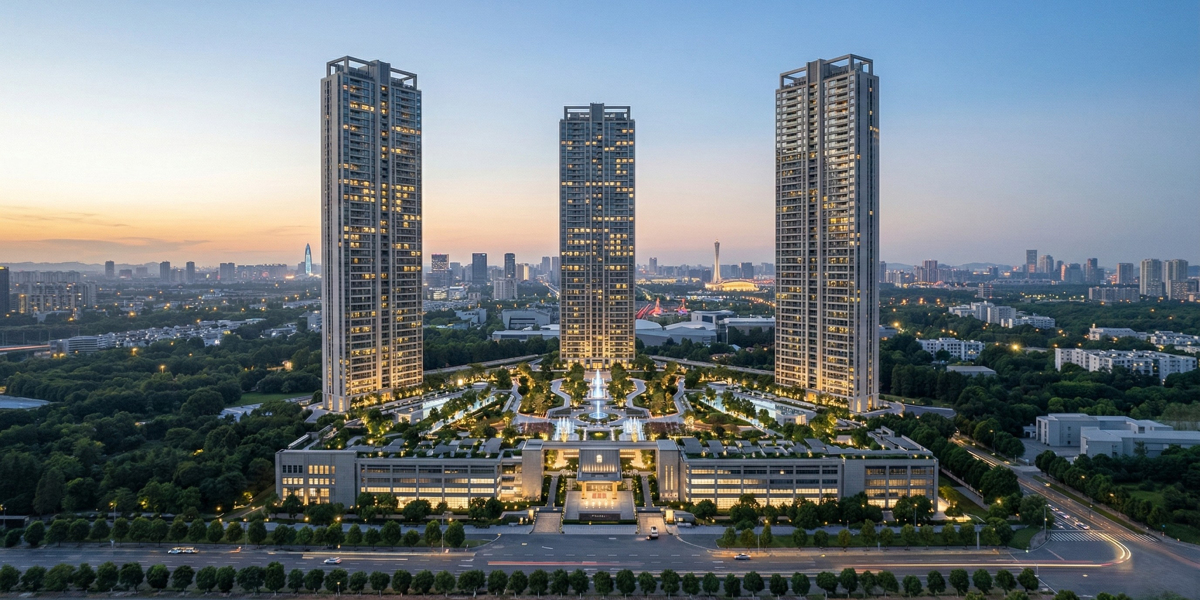 BPTP Downtown 66: A Masterpiece of Vertical Luxury in Sector 66
BPTP Downtown 66 has emerged as one of the most anticipated high-rise developments on the Golf Course Extension Road. Designed by the globally acclaimed architectural firm Aedas, this project is not just a residential complex but a vertical ecosystem where luxury meets functionality.
-
 Aesthetic Clinic in Australia | Beauty Clinic in Carolina | PM Aesthetics
Discover a trusted aesthetic clinic in Australia and a professional beauty clinic in Carolina. PM Aesthetics offers advanced skincare, cosmetic treatments, and personalized beauty solutions.
-
 The Masterful Synergy at Signature Global Tonino Lamborghini
Signature Global Tonino Lamborghini Residences represents a ₹2,890 crore synergy of Italian supercar aesthetics and Indian engineering excellence in Sector 71.
-
 Sidewalk Repair NYC: A Complete Guide for Property Owners
Sidewalks in New York City endure constant wear and tear due to heavy foot traffic, extreme weather conditions, and tree root growth. Over time, cracks, uneven surfaces, and potholes can develop. These issues not only create an unpleasant appearance but also pose serious safety hazards for
-
 Why Natural Stone Wall Panels Are Becoming the First Choice for Modern Interiors
Discover why natural stone wall panels are becoming a top choice for modern interiors and exteriors. Learn about their durability, aesthetic appeal, and versatile applications for residential and commercial spaces.
-
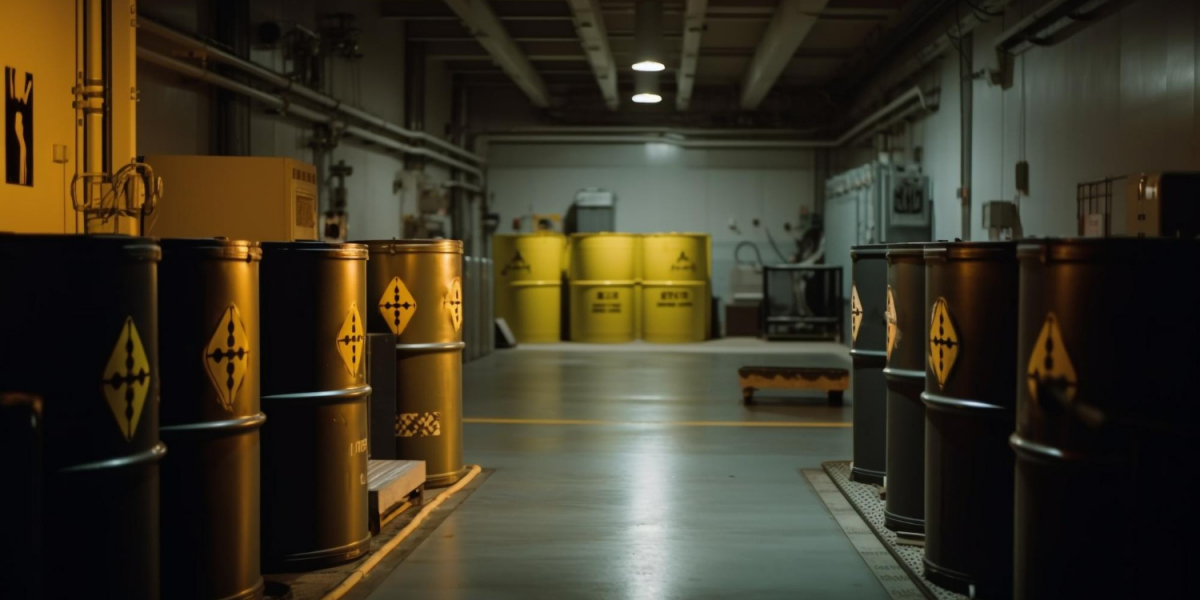 Chemical Supplier for Industrial in UAE: Reliable Solutions for Modern Industries
Find a reliable chemical supplier for industrial in UAE offering high-quality products, consistent supply, and tailored solutions for manufacturing, oil & gas, construction, and water treatment industries.
-
 Signature Global Cloverdale SPR Gurgaon – A Modern Address for Comfortable Living
This connectivity allows residents to easily access major employment hubs, corporate offices, and business districts. The proximity to IGI Airport further adds to its appeal, especially for professionals who travel frequently.
-
 The Vertical Revolution: Living Above the Ordinary at Sobha Rivana
Sobha Rivana is a G+45 floor architectural landmark in Sector 1, Greater Noida West, featuring a low-density design with only four units per floor and four high-speed elevators. It offers a premium lifestyle with 11-foot high ceilings, 80% open green space, and a 50,000 sq. ft. clubhouse,
-
 Find the Perfect Christmas Jewellery at Stonex Jewellers
Our Christmas collection features a wide range of designs, from classic to contemporary, ensuring there is something for everyone.


