
By Gwyn Topham Transport correspondent, in Rio de Janeiro • June 8, 2026 • Environment
Iata boss Willie Walsh blames fuel suppliers, governments and aircraft makers, saying new ‘realistic timeline’ now needed
The aviation industry’s landmark pledges to be net zero by 2050 will probably not now be achieved, airline leaders have admitted. The collective goal to eliminate net carbon emissions was declared by global airlines only five years ago in 2021, with similar pledges made by national aviation industry leaders and governments, including in the UK, in 2020. However, Willie Walsh, the director general of global airlines body Iata, said “hope was fading fast” and a new “realistic timeline” should be established. Walsh – who was the chief executive of British Airways owner IAG until September 2020 – said fuel suppliers, governments and aircraft manufacturers were largely to blame for the likely failure to hit the target. More than half of the planned decarbonisation of aviation was dependent on the development of sustainable aviation fuels (SAF), with much of the rest reliant on a global emissions trading programme, Corsia, established under the aegis of the UN and its aviation body ICAO. In a speech to delegates at the annual Iata summit in Rio de Janeiro, Walsh said that Corsia was being “undermined” by government inaction, while annual production of SAF would only reach 2.4m tonnes, or 0.8% of airline fuel needs, this year. “The goal is 65% or 500m tonnes by 2050. The gap is wide and not closing fast enough,” he said. He said that governments had, through ICAO, targeted a 5% emission reduction by 2030 by using SAF. However, he cautioned: “To be blunt, there is no path to meet that outcome.” He added: “There is still hope for 2050 – but that’s fading fast … We need an urgent dialogue to determine a realistic timeline given the current state of affairs.” While Walsh said that 2050 might not be ruled out, “the more likely outcome, however, is a new timeline that hits a sweet spot – realistic within the broader context of the global energy transition and sufficiently near-term to meet the urgencies of climate change and energy security.” Walsh told the Guardian later that airlines were “continuing to do everything we said we would do, but we can’t achieve net zero in 2050 on our own”. He said they were “very disappointed” with manufacturers delaying the delivery of new efficient aircraft and “we’ve not seen reform of air traffic management systems around the world, which would significantly reduce our gross emissions. “And we’re disappointed that fuel companies who committed to making the fuel available to us are not delivering on the promises that they’ve made.“ The admission is unlikely to surprise environmental campaigners, who have long regarded the pledges and supposed pathways to sustainable aviation as greenwashing and a fig-leaf to allow continued expansion of flying. However, it may give further food for thought to the UK government which, in theory, will only back further expansion of the country’s biggest airport, Heathrow, if climate tests are met. Governments have tried to push SAF by imposing mandates. Although the UK just met the 2% minimum of SAF in overall jet fuel used in 2025, largely made from recycled cooking oil imported from Asia, future targets also require next generation fuels such as e-SAF, which is derived from renewable energy. While the carbon reduction credentials appear clearer, the fuels do not now exist in significant quantities. Iata’s sustainability vice-president and chief economist, Marie Owens Thomsen, said the UK and EU e-SAF targets for 2030 were “beyond unrealistic – they are utterly detached from reality. It is a reckless energy market creation strategy to impose mandates before production is enabled. Such a strategy will only drive up the price.” • Flights to the Iata summit were provided by Iata and Latam airline
Source: The Guardian

Green News
25 posts
-
 Giving guitarfish a chance: one man’s mission to persuade fishers to farm giant snails instead
Marine biologist Issah Seidu has found a way for Ghana’s fishing communities to earn a living – and help protect the ancient and critically endangered fish species
-
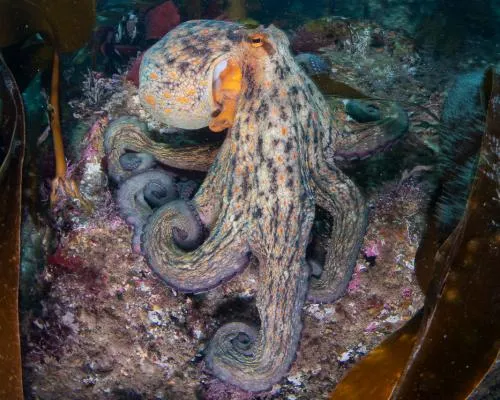 Octopus surge spreads up UK coast as far as Scotland, study finds
Record numbers linked to warming waters is mixed news for fishers, with shellfish catches down but octopus catches booming
-
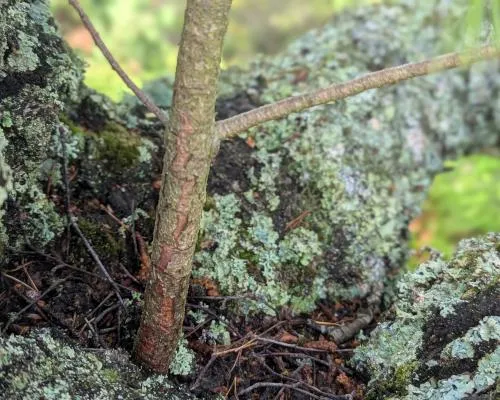 Country diary: Trees growing out of trees – the more I look, the more I find them
Badenoch, Cairngorms: It started with a tiny Scots pine growing out of a huge old birch, but soon I find more examples of this strange magic
-
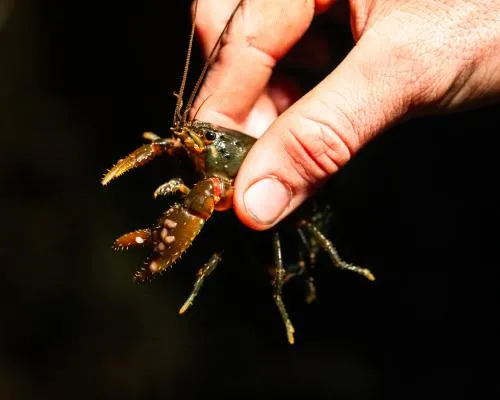 The fight to save Australia’s ‘incredibly captivating’ endangered spiny crayfish
Global heating is destroying creeks the crayfish call home. They’re the canary in the coalmine for other species living in the delicate ecosystems
-
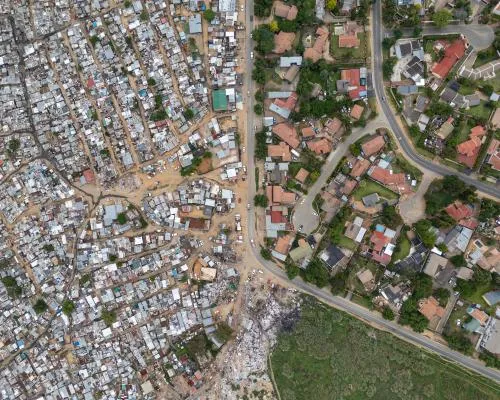 ‘Happiness is not just about GDP’: ambitious plan or utopia?
Some will question its credibility – but the alternative future to the one imagined in the Global Justice Report is far more bleak
-
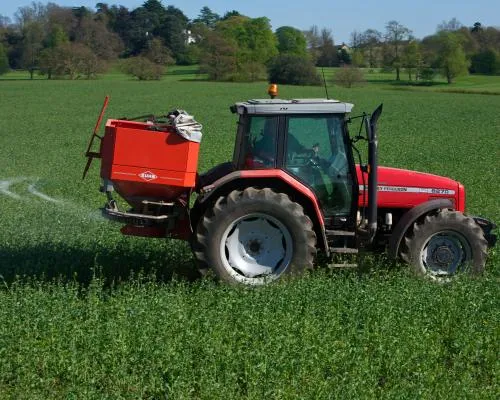 Farmers: tell us how you’re coping with rising costs and extreme weather
From rising fuel, fertiliser and feed costs linked to the conflict in Iran to the impact of climate change, farmers around the world are facing a range of pressures. We want to hear how these challenges are affecting you
-
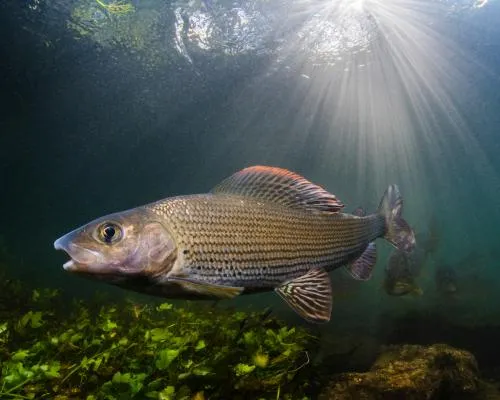 Fisher with a mission: first woman to chair Grayling Society wants to protect ‘lady of the stream’
Marnie Lovejoy hopes to inspire other women to fish, protect England’s rivers and lift up the ‘beautiful’ grayling
-
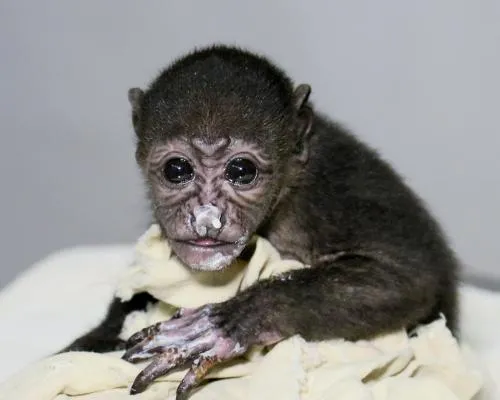 ‘To them a power line is a line of trees’: Costa Rica moves to protect howler monkeys from electrocution
Electric shock is one of the biggest causes of death among wildlife in the country but a court ruling is a first step to making power lines safe
-
 England’s poorest areas face deepest cuts to green space under planning law changes, report finds
Exclusive: New loopholes for developers will exacerbate extreme disparities across country, charity coalition warns
-
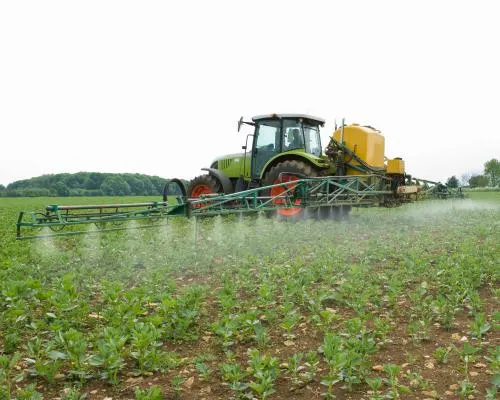 ‘This is not a hippy thing’: the startup recycling urine to make natural fertiliser
As recent conflicts expose vulnerability of fertiliser markets and its effect on food security, VunaNexus offers an alternative


