By Will Unwin • June 8, 2026 • Sport
In today’s newsletter: the Pacific islands hoping to enter World Cup qualifying before ocean level increase wipes them from the map
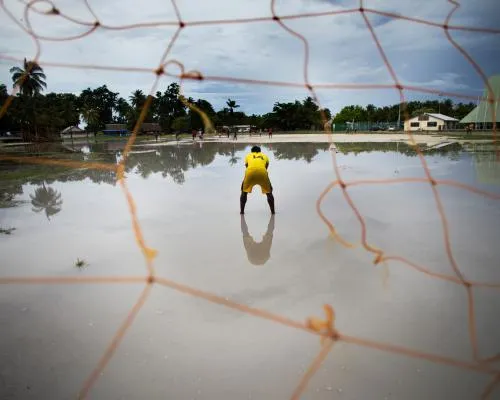
“This is not just about football, it’s about building something from scratch,” Eriati Reebo, the Kiribati football president, explains. “A legacy, a story, that the world will always remember.” Kiribati, a group of Pacific islands south of Hawaii with 138,000 inhabitants, is seeking entry into World Cup qualifying for the 2030 tournament. Becoming a recognised international football team would help bring attention to the only nation on earth that sits within all four hemispheres, and one that is rapidly disappearing from the map. It could be the first, but certainly not the last, country to be engulfed by sea water, leaving it uninhabitable. And before that happens, it wants to professionalise the football setup and become a full member of the Oceania Football Confederation (OFC). This would both create a route to competing with bigger nations and help keep the Kiribati spirit alive. “Football is our passion and, despite our small territory, we dream big,” Reebo says. “In Kiribati you’re born knowing how to play football, that’s why we are working through our effort to be part of football and to be qualified for the World Cup. This may be our last chance. “Kiribati is a very tiny island and it’s not really known by people, and if we can be part of the World Cup, it will give Kiribati a new audience that it has never had before. Football unites people and we want to be part of that, and being part of the World Cup will be life-changing for Kiribati.” Reebo travelled to April’s Fifa congress in Canada to discuss the nation’s case for being part of the OFC, where they would face teams such as New Zealand, who will be at this summer’s World Cup. Rubbing shoulders with Fifa’s president, Gianni Infantino, and other leading football figures shows the significant progress made. “When I was young we did not even know who the president of Fifa was, so attending congress is a fantastic milestone for Kiribati,” says Reebo. Joining Fifa, and the OFC, would bring funding, which would help improve resources and facilities in Kiribati. It is, however, a vicious cycle, because if the current infrastructure – sand pitches and beach football – does not meet OFC criteria, Kiribati will not pass the test to become a full member. Independence from the United Kingdom was gained in 1979 for the 33 atolls that make up Kiribati, but rising sea levels means planning for a different future than was imagined then. Government policies to encourage citizens to migrate abroad to find a new life are already in place, while Kiribati has bought land from Fiji as part of a plan to move climate refugees, such is the precarious position of the country. Football’s popularity in Kiribati cannot be doubted. It is always the biggest draw at the Te Runga Games, a multisport event held every four years that brings together 23 teams from across the atolls. “It is incredible to witness,” says Reebo. Such is the event’s importance to locals that in 2023, Kiribati opted against attending the more prestigious Pacific Games, which were taking place at the same time in Samoa. Participants arrive in the capital, Tarawa, on small planes or by boat to represent teams such as Abaiang and Makin. It is a bucket-list event for many football supporters, because the crowds are so passionate and allowed to watch inches from the pitch. The Premier League and La Liga are popular in Kiribati but it is not a given that foreign matches are available to view. Plans were under way to show the World Cup live on television in the country, with Reebo working alongside Fifa to reach an agreement. All being well, he will be keeping a close eye on his favourite players, Lamine Yamal and Neymar, in the coming weeks. Kiribati is not the only nation whose very existence is threatened by rising sea levels; the Marshall Islands and Tuvalu are examples of others. The Marshall Islands’ football federation, set up in 2020, produced a “disappearing shirt” to raise awareness. “Talking about climate change is much more prevalent and widespread because it’s a fundamental issue of survival,” says Mirey Atallah, chief of the adaptation and resilience branch, climate change division of the United Nations Environment Programme (Unep). “It’s not a luxury issue, it’s not a choice issue, it’s not a matter of whether it’s going to happen, it’s a certainty. The question is when.” Plans are afoot to bring Kiribati’s best 24 players to Tarawa to be coached full time. “If Pep Guardiola wants to come, he’d be very welcome,” Reebo says hopefully. While the most polluting World Cup in history prepares to kick off, Kiribati is in a battle for survival. What else has caught our eye Heat stroke, sportswashing and VAR psychology – the Guardian’s Science Weekly podcast on the World Cup. ‘I remember struggling to breathe, it felt like breathing out of a dry vacumn cleaner’ – England cricketer Matthew Potts on collapsing with heat stress on his ODI debut in this timely video from the Wellcome Trust. In a heating world, change is inevitable. Global Sustainable Sport reports on why the Japanese Football Association will no longer stage tournaments in July and August. More sport Tumaini Carayol watches players wilt at the French Open under an intense May heatwave. With dangerous temperatures expected at the World Cup, Nick Ames reports on Fifa’s late ban on fans bringing reusable water bottles into stadiums. ‘Refugees have no other choice, it’s important that they be listened to’: Sam Cunningham talks to Germany international Antonio Rüdiger, whose parents fled civil war in Sierra Leone. More environment Jonathan Watts digs into a new report from the World Inequality Lab that says an equal and habitable world is possible. A deep-dive by Adam Morton and Petra Stock on the Australian household battery revolution that could change the world. An osprey, a macaque, a bee, a frog: the week’s best wildlife photographs. And finally … While the audience munched on vegan brownies and the Manchester clouds emptied outside, heavyweight speakers took to the stage at last week’s British Association for Sustainable Sport conference at the National Football Museum. Emma Pinchbeck, the chief executive of the Climate Change Committee (CCC), and Ruth Davis, the UK’s special representative for nature, provided sobering analysis, but it was also great to hear from athletes. The basketball player Jamell Anderson, netballer Beth Durant and paralifter Olivia Broome all said they would like to engage more publicly with climate issues but are time poor. Their plea was for well packaged, reliable information to help them talk with their fans. Something else for the audience to chew on.
Source: The Guardian

Sports Update
39 posts
-
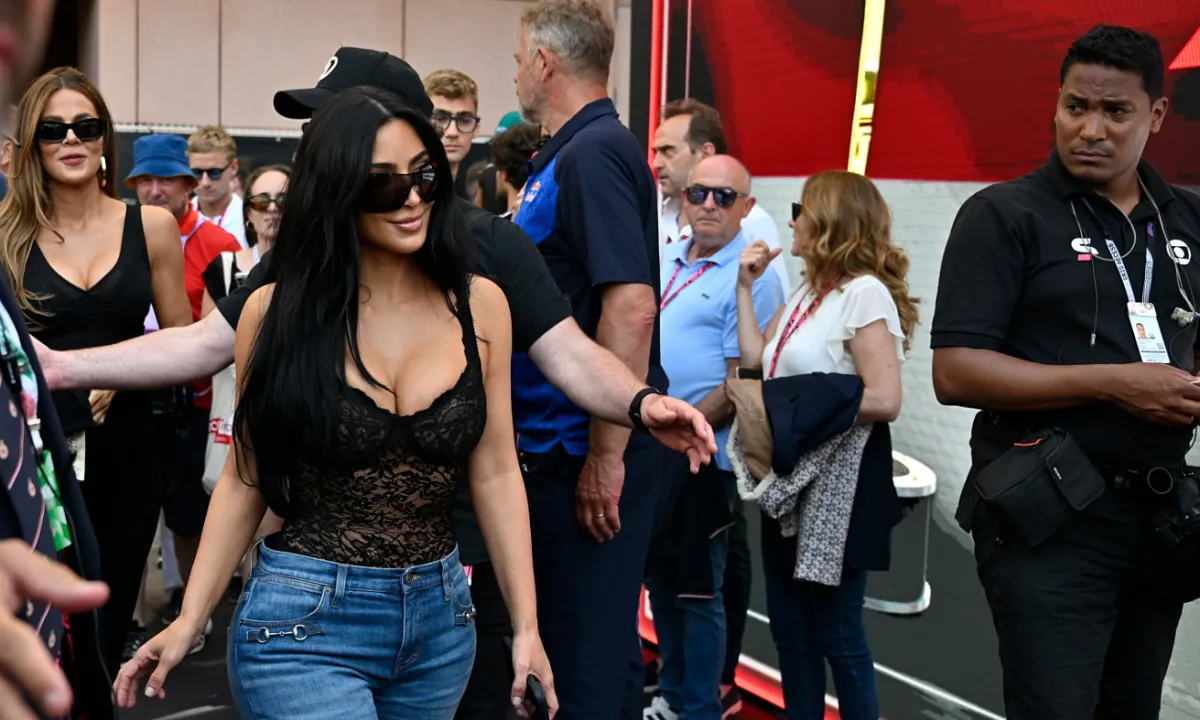 Kim Kardashian gây tranh cãi tại Grand Prix Monaco
Đến cổ vũ bạn trai Lewis Hamilton tại chặng đua F1 Grand Prix Monaco, người mẫu Kim Kardashian bị cho lấn át các WAG khác và phớt lờ một bình luận viên kỳ cựu.
-
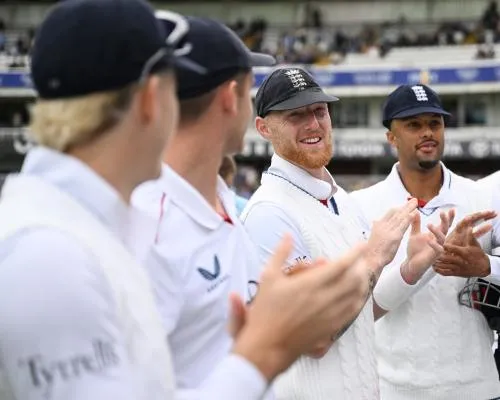 ‘Brave when we needed to be’: McCullum hails England for leaving Ashes baggage behind
Brendon McCullum praised his players’ refusal to be haunted by their nightmare winter after England won the first Test against New Zealand at Lord’s
-
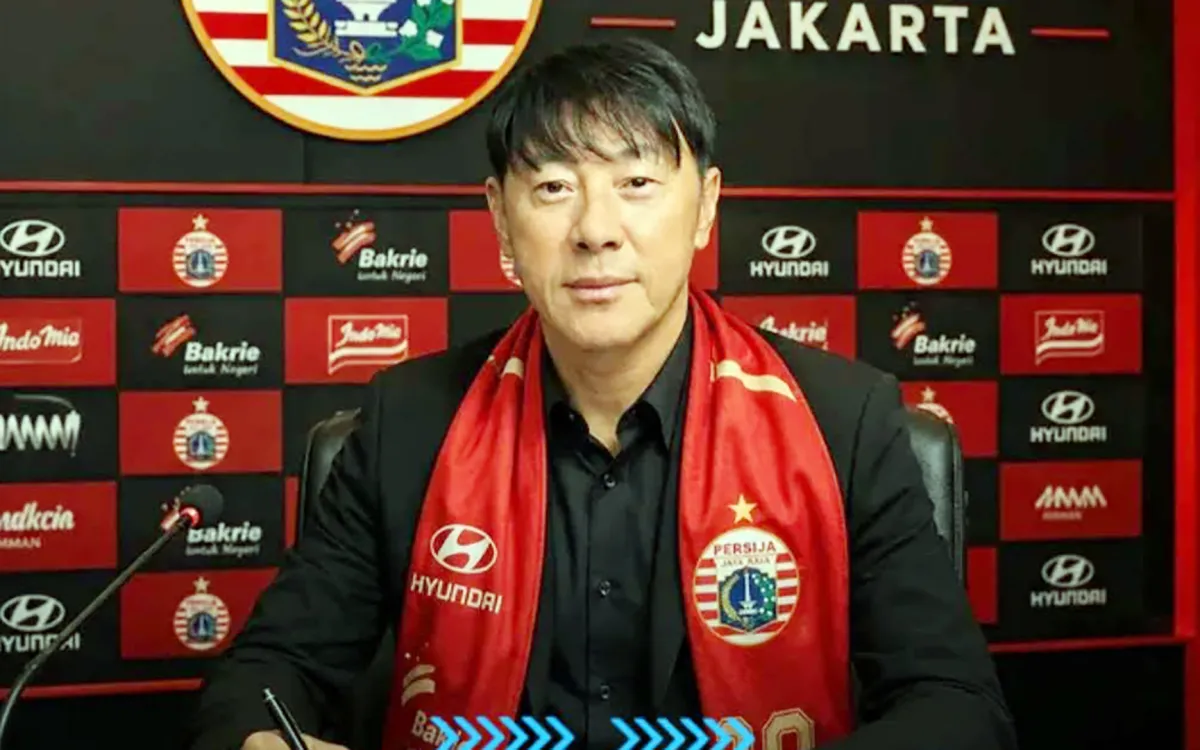 HLV Shin Tae-yong tái xuất ở Indonesia
Cựu HLV trưởng tuyển Indonesia Shin Tae-yong trở lại đất nước vạn đảo để dẫn dắt CLB Persija Jakarta.
-
 MoMo lần thứ tư liên tiếp được vinh danh tại Vietnam Game Awards
MoMo tiếp tục được xướng tên ở hạng mục Kênh thanh toán được yêu thích nhất, đánh dấu năm thứ tư liên tiếp nhận giải thưởng tại Vietnam Game Awards 2026.
-
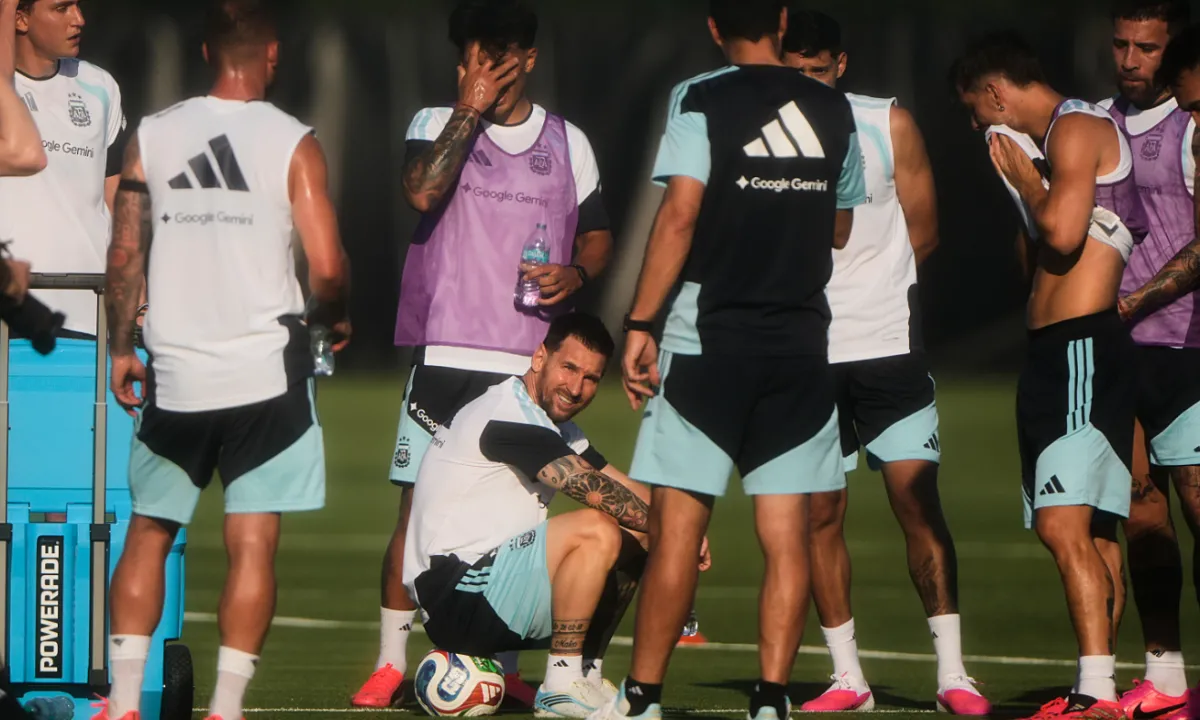 Bài toán thể lực chưa từng có tại World Cup 2026
Bên cạnh áp lực chuyên môn, các đội dự World Cup 2026 còn phải đối mặt thời tiết khắc nghiệt, những chuyến bay kéo dài hàng nghìn km và lịch sinh hoạt đảo lộn.
-
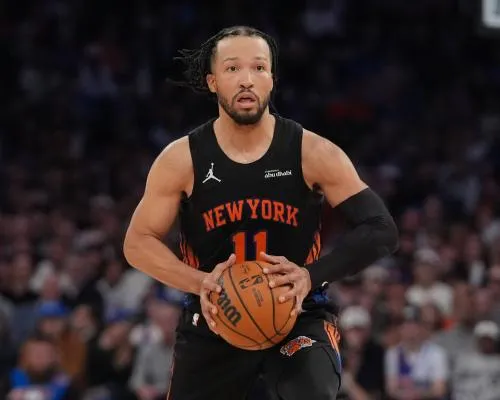 Jalen Brunson heard the doubters. Now he has the Knicks on the brink of history
As a former NBA player, I know that criticism is part of the game. But in an age when players are under attack constantly, the Knick star is an example to us all
-
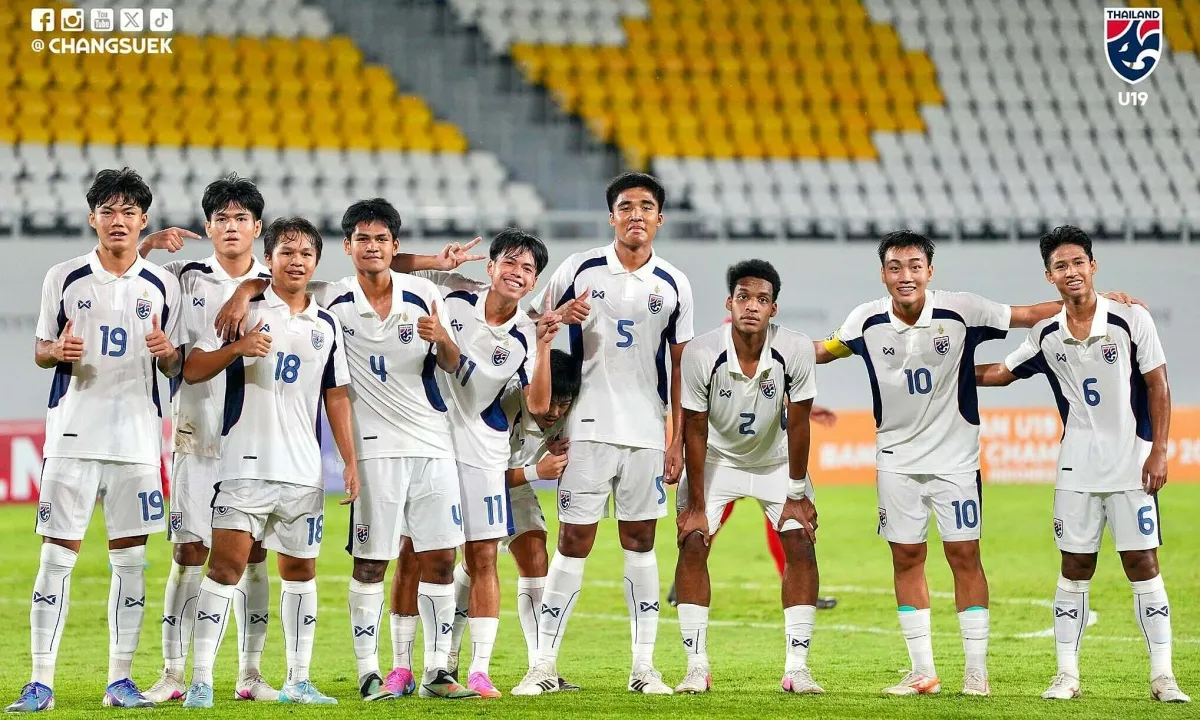 Thái Lan, Malaysia có thể định đoạt suất đi tiếp của U19 Việt Nam
Cơ hội để Việt Nam vào bán kết U19 Đông Nam Á phụ thuộc vào kết quả trận Thái Lan - Malaysia ở bảng B lúc 20h hôm nay 8/6.
-
 David Moyes: 'Một đội Nam Mỹ sẽ vô địch World Cup 2026'
Trên báo Anh Sunday Times, HLV trưởng Everton David Moyes tin một đại diện Nam Mỹ - Argentina hoặc Brazil - sẽ vô địch World Cup 2026 nhờ CĐV hùng hậu, quen với cái nóng lẫn nhịp chơi chậm, sự hậu thuẫn từ lịch sử.
-
 Zverev: 'Lịch sử mãi gọi tôi là nhà vô địch Grand Slam'
Tay vợt số ba thế giới Alexander Zverev cho rằng danh hiệu Roland Garros 2026 giúp anh trút bỏ gánh nặng lớn nhất sự nghiệp sau nhiều năm lỡ hẹn với Grand Slam.
-
 Những cặp anh em sẽ thi đấu tại World Cup 2026
World Cup 2026 sẽ chứng kiến mối liên kết gia đình hiếm thấy, với 8 cặp anh em ruột được xác nhận tham dự.


