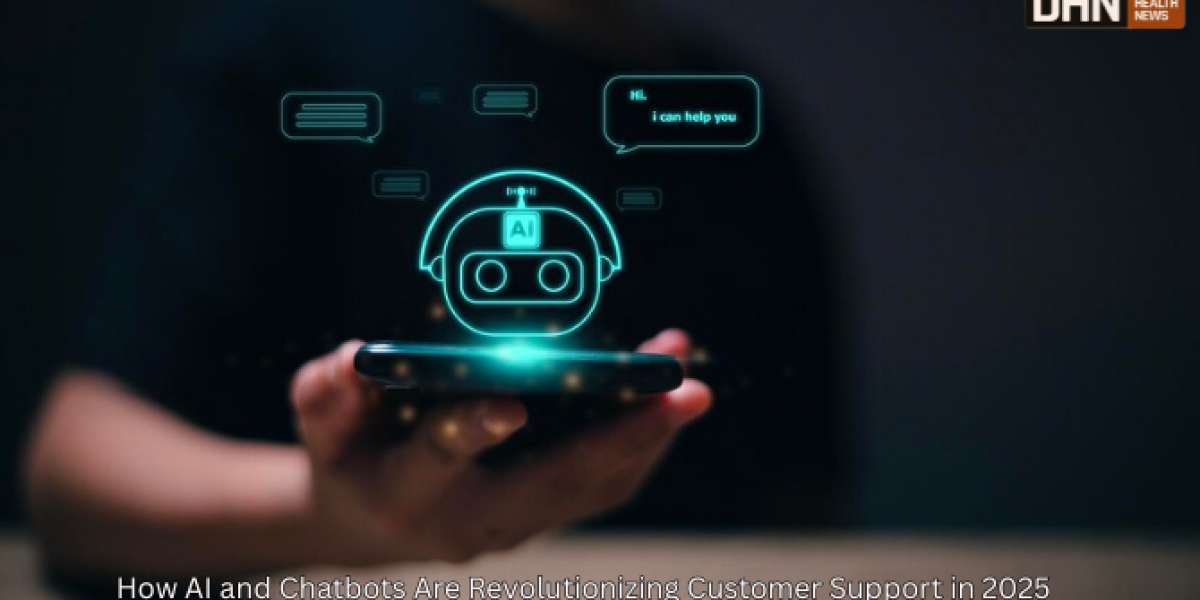
The education sector has undergone a digital revolution, and at the heart of this transformation lie AI and chatbots. In 2025, schools, colleges, edtech platforms, and training institutions are turning to these technologies to deliver personalized learning experiences to students at scale.
From adaptive learning paths to real-time tutoring, AI and chatbots are reshaping how students learn, how teachers teach, and how institutions manage education delivery.
Traditional classroom models often fail to meet the individual learning needs of students. Some learners require more time on a topic, while others move ahead quickly. Teachers, constrained by time and resources, can't always provide personalized attention to every student.
That’s where AI and chatbots make a difference. These tools analyze data from each student’s interactions, performance, and learning behavior to create custom learning paths, ensuring each student learns at their own pace.
AI-powered chatbots act as virtual tutors, available 24/7 to answer student queries. Whether it's solving a math problem, explaining a scientific concept, or offering grammar suggestions, these bots provide instant help—enhancing engagement and reducing dependency on fixed class hours.
AI tools can evaluate quizzes, assignments, and essays in real time. They not only grade work but also offer instant, personalized feedback to help students understand their mistakes. This reduces the teacher’s workload and helps students improve faster.
AI and chatbots track each student's progress and learning style, offering content recommendations tailored to their strengths and weaknesses. For example, a chatbot on an edtech app might suggest videos, practice questions, or revision materials based on past performance.
Chatbots are increasingly used to support language learning and communication skills. Students can practice speaking or writing with a bot that corrects errors, provides tips, and encourages practice—just like a human tutor would.
Scalability: One chatbot can serve thousands of students simultaneously, ensuring no one is left behind.
Accessibility: Students can learn from anywhere at any time, especially helpful in remote or underserved areas.
Engagement: Interactive, gamified chatbots keep students interested and motivated.
Cost-Effective: Reduces the need for additional staff or tutors while maintaining quality support.
Data-Driven Insights: Educators receive analytics on student performance, enabling targeted intervention.
Duolingo uses AI chatbots to simulate real-world conversations in multiple languages.
Khan Academy and similar platforms are integrating AI tutors to provide hints and explanations within lessons.
Universities and schools are deploying internal chatbots to answer student FAQs, manage admissions queries, and even support mental well-being.
While AI and chatbots offer immense benefits, there are challenges:
Data Privacy: Ensuring student data is protected and used ethically is critical.
Bias and Fairness: AI models must be trained to avoid bias in feedback or content recommendations.
Emotional Intelligence: While improving, chatbots still struggle to fully understand student emotions or complex psychological needs.
Teacher Adaptation: Educators must be trained to effectively integrate AI tools into their teaching methods.
In the coming years, AI and chatbots will continue to evolve, becoming more empathetic, multilingual, and capable of deeper understanding. They will not replace teachers—but will empower them to focus on creativity, mentorship, and emotional support, while automation handles repetitive tasks and routine support.
With the right balance, AI and chatbots can deliver personalized learning at scale, making education more inclusive, accessible, and effective for every learner.

Digital Health News
9 posts
-
 Ông Putin bác đề xuất gặp ông Zelensky
Tổng thống Putin bác bỏ khả năng sớm gặp Tổng thống Zelensky, một ngày sau khi lãnh đạo Ukraine kêu gọi hai bên gặp mặt trực tiếp để đàm phán.
-
 Mỹ tập kích trạm radar của Iran
Quân đội Mỹ cho biết đã không kích vào các trạm radar của Iran, gọi đây là hành động tự vệ sau khi Tehran phóng 4 UAV về phía eo biển Hormuz.
-
 Tính toán của Iran khi phóng tên lửa, UAV vào Kuwait
Liên tiếp tập kích Kuwait, Tehran dường như muốn gửi thông điệp rằng mọi đòn đánh của Mỹ vào lãnh thổ Iran đều sẽ khiến vùng Vịnh phải hứng chịu hỗn loạn.
-
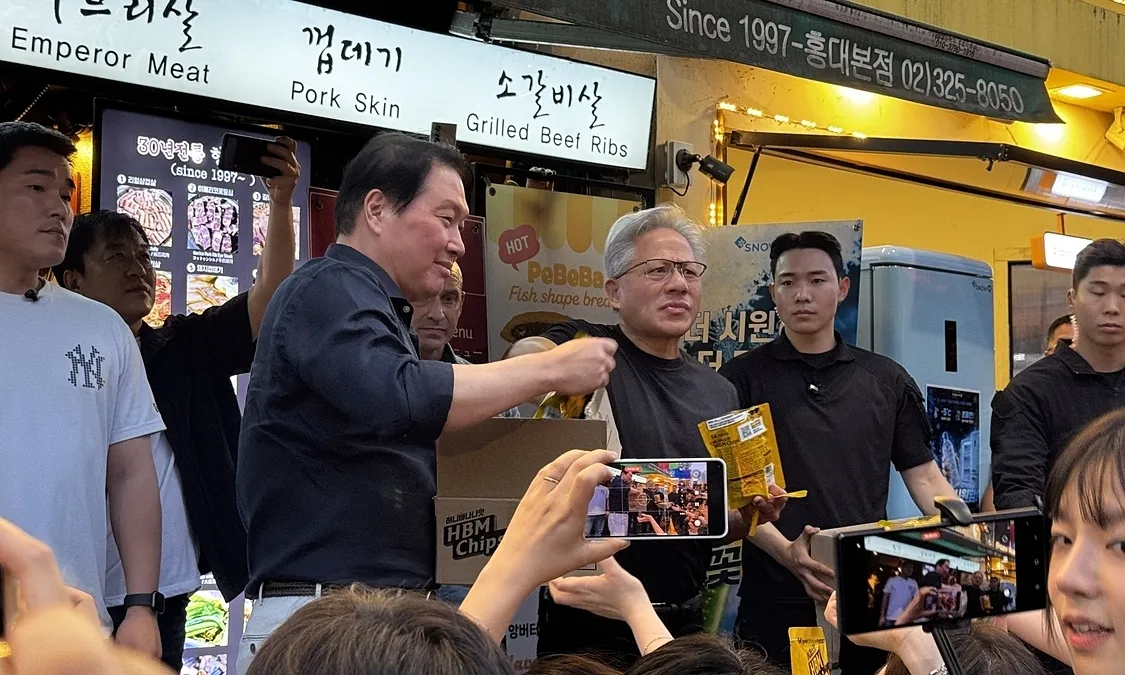 Jensen Huang thưởng thức thịt nướng ở Hàn Quốc, phát đồ ăn vặt cho người dân
CEO Nvidia Jensen Huang ăn thịt nướng cùng các lãnh đạo tập đoàn lớn, phát đồ ăn vặt cho người dân trên đường phố tại Hàn Quốc.
-
 'Tàu ngầm không tháp chỉ huy' của Trung Quốc lộ diện
Ảnh vệ tinh cho thấy một tàu ngầm dường như không có tháp chỉ huy đang neo đậu tại xưởng đóng tàu ở Thượng Hải.
-
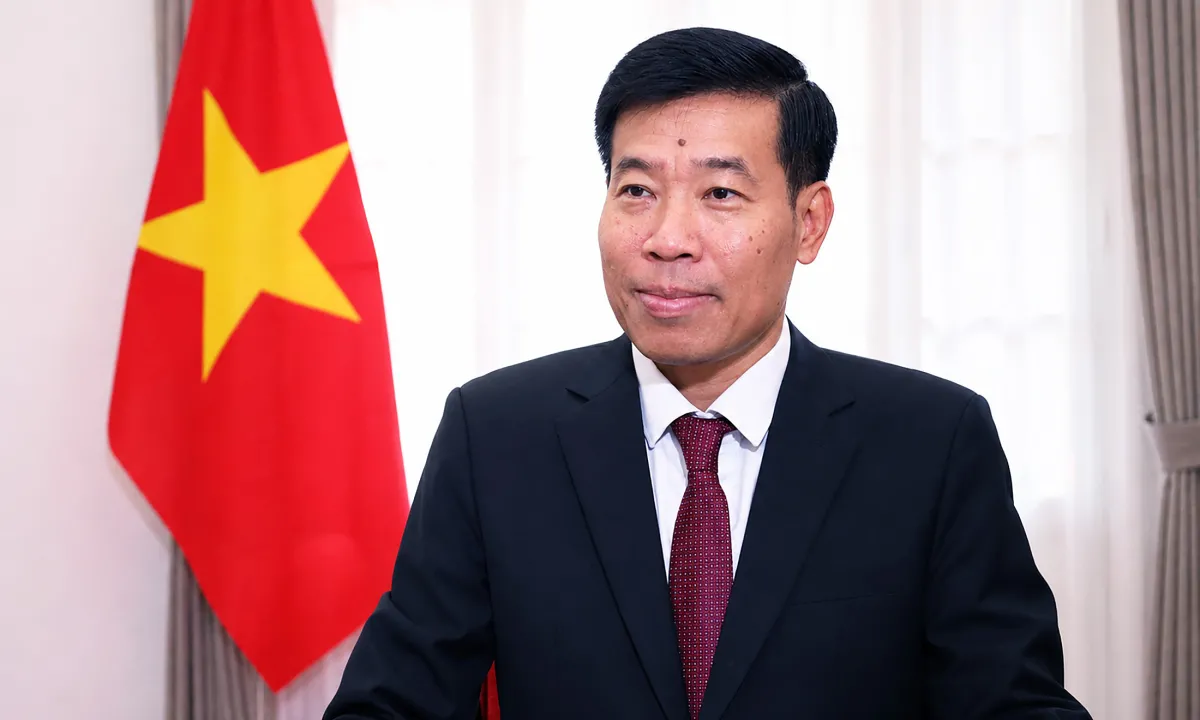 Việt Nam đóng góp thiết thực cho khu vực thông qua Diễn đàn Tương lai ASEAN
Thứ trưởng Ngoại giao Nguyễn Mạnh Cường cho biết việc khởi xướng, kiên trì tổ chức Diễn đàn Tương lai ASEAN là cách Việt Nam đóng góp thiết thực cho khu vực.
-
 Hành trình kiến tạo mặt cỏ cho World Cup
Trước khi các cầu thủ bước vào cuộc tranh tài tại World Cup 2026, một đội ngũ chuyên gia hùng hậu đã kỳ công thực hiện chiến dịch phủ xanh 16 sân vận động khắp Bắc Mỹ.
-
 Máy bay bí ẩn xuất hiện gần căn cứ Mỹ, nghi thuộc dự án F-47
Ảnh mới công bố cho thấy một phi cơ có hình dáng khác thường đang bay gần căn cứ tuyệt mật của Mỹ, có thể liên quan tiêm kích F-47.
-
 Nga - Ukraine trao đổi hàng trăm tù binh
Nga và Ukraine trao đổi mỗi bên 185 tù binh, thể hiện một trong số ít lĩnh vực hai bên vẫn duy trì hợp tác giữa chiến sự.
-
 Động lực thúc đẩy ông Zelensky đề nghị gặp ông Putin
Niềm tin rằng Ukraine - Nga đang đứng trước thời cơ nghìn năm có một để chấm dứt chiến sự có thể là động lực khiến ông Zelensky ngỏ ý gặp trực tiếp ông Putin.
-
 Lãnh đạo Lào, Campuchia, Thái Lan sắp thăm Việt Nam
Thủ tướng ba nước Lào, Campuchia, Thái Lan sắp thăm chính thức Việt Nam và dự Diễn đàn Tương lai ASEAN lần thứ ba.


