By Eduardo Porter • June 12, 2026 • Business
They’re about to get more AI rammed down their throats, stuck into their pension plans and investment portfolios
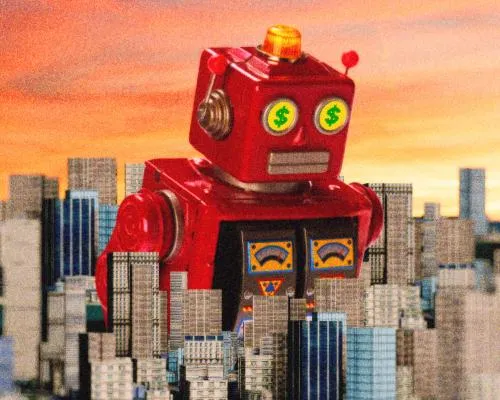
Americans are growing worried about what artificial intelligence portends for their futures. Eight in 10 Americans report concern over AI, compared with a third who report being excited, according to a recent Quinnipiac poll. More than half think it will do more harm than good in their daily lives. Seven out of 10 think it will reduce the number of available jobs. Skeptical though they may be, they are about to get more AI rammed down their throats and stuck into their pension plans and their investment portfolios, whether they want it or not – binding their futures ever more tightly to the frenzied, risky, multibillion-dollar dash by technology moguls to develop machines capable of mimicking human thought processes to take over cognitive tasks. First up is this week’s massive $75bn initial public offering (IPO) for Elon Musk’s SpaceX, the largest ever, which at $135 a share will value the company at a cool $1.77tn, among the 10 largest companies in the world by market capitalization. While the company makes most of its money these days selling internet access, it largely needs the money to finance Musk’s vast AI ambitions, which include blasting datacenters into orbit. The offering is just the first in a series: both Anthropic and OpenAI have already filed paperwork for their own IPOs later in the year, which will add two multitrillion-dollar artificial intelligence behemoths to the US’s main stock indices. Even investors who don’t care to buy their stock will end up owning a bunch, either in their 401(k) retirement plans or among their holdings of market index funds – supposedly safer investments for non-professional investors, built to reflect the entire market – which are forced to buy AI shares in proportion to their weighting in stock indices like the Nasdaq and the S&P. This may not happen right away, but it will happen. Musk has been lobbying for SpaceX to be quickly invited onto the indices, which would force index funds to buy the stock, no matter its price, and providing it a hefty boost. The tech-heavy Nasdaq changed its rules to fast-track the listing of behemoths like SpaceX. So did the FTSE Russell, to ease the entry of megacaps to its US indices. Standard & Poor’s is sticking to its rules. This means SpaceX will have to post a profit – which it has not yet done – make a minimum set of shares available to the public and wait about a year to get onto the S&P 500, the most tracked index. The SpaceX offering, moreover, amounts to less than 5% of its shares – which will limit its immediate footprint. But if SpaceX follows the pattern set by large firms after their IPOs, some half of its shares could be trading openly by the time it joins the S&P 500 next year. This would give it about a 1.5% share of the S&P 500’s market capitalization of more than $60tn – forcing index funds to plow hundreds of billions into Elon Musk’s gambit to become the world’s first trillionaire. If this sounds like a risky bet, it is. Musk, the guy who at the helm of “Doge” tried to devastate the federal bureaucracy, firing employees hand over fist, and who helped dismantle USAID despite knowing it would lead to hundreds of thousands of deaths, will have sole control over the company on which the retirement of many Americans may depend, allowing him to follow his baser instincts wherever they lead. And that’s not the half of it. The so-called “magnificent seven” tech goliaths – Nvidia, Alphabet, Apple, Amazon, Microsoft, Meta and Tesla – already account for more than a third of the S&P 500’s market value. Investors’ views on the tech titans’ massive AI investments have largely driven the ups and downs of the equity market as a whole. Adding SpaceX, OpenAI and Anthropic to this set will give tech billionaires an even tighter grip on Americans’ financial future as they pursue their dystopian sci-fi dreams, free from any sort of government regulation. There may be a silver lining – of sorts. Having a lot of AI stock in a retirement plan may offer a hedge for the newly irrelevant workers displaced by artificial intelligence, granting them some stake in the economic fruits of the new hi-tech economy. But the balance of risks points in the wrong direction. A future in which the new AI agents hypercharge economic productivity and propel human prosperity to where it has never gone before remains an aspiration. Claims of astonishing progress by the latest AI models may well be true. But they have not been matched by significant gains in productivity. Dystopian scenarios appear ever more probable even as the economic rewards investors are counting on remain stuck far off on the horizon. Money eventually tires. It scares. It moves on to a new story. The Nasdaq fell more than 4% recently, shaken out of its optimistic stupor by indications that a robust labor market may force the Federal Reserve to raise interest rates later this year. This should remind us all that the AI extravaganza that has pumped the Nasdaq and the S&P 500 over the last year could come to an abrupt end – maybe just on the other side of Musk’s trillionaire moment. Americans don’t know what an AI-heavy future might bring about. But they do have vivid experiences of the pain that courses through society when a financial bubble built on hubris ends in collapse. The great financial crisis of 2008 will look like a cartoon compared with what will befall the finances of most Americans if the AI dream tucked into their investments turns into a nightmare.
Source: The Guardian

Business Daily
71 posts
-
 Chứng khoán mất điểm vào cuối phiên
Giữ sắc xanh liên tục từ khi mở cửa, nhưng dưới áp lực từ nhóm cổ phiếu Vingroup, chứng khoán đảo chiều trong những phút cuối, giảm gần 7 điểm.
-
 Barclays to buy GoHenry kids’ debit card and money app
High street bank to buy UK business from US fintech company Acorns as it targets young people
-
 Một nhà thầu xây dựng sân bay Long Thành lãi thấp nhất 5 năm
CC1 - nhà thầu trong liên danh thi công nhà ga hành khách và nhà để xe tại sân bay Long Thành - báo lãi năm ngoái gần 270 tỷ đồng, thấp nhất từ 2021.
-
 Paddy Power owner Flutter to scrap listing on London Stock Exchange
Gambling business, which also owns Betfair, to focus on New York in latest high-profile blow to UK stock market
-
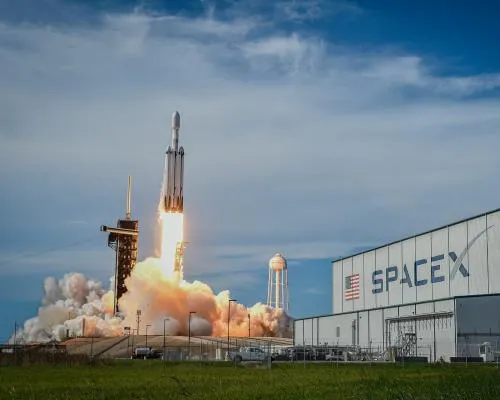 SpaceX to list on US stock market today after raising $75bn in largest IPO ever – business live
Rolling coverage of SpaceX’s record-breaking initial public offering
-
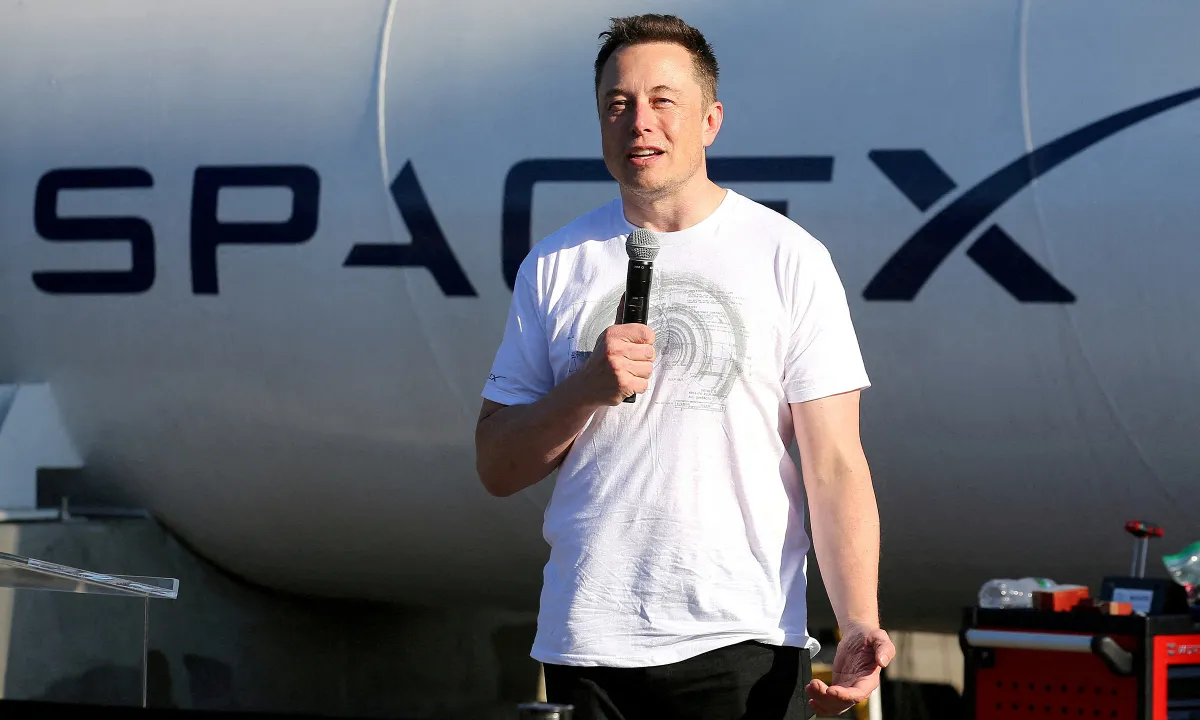 SpaceX giúp Elon Musk sở hữu 1.000 tỷ USD
Tài sản của Elon Musk, người giàu nhất thế giới, cán mốc 1.000 tỷ USD nhờ thương vụ IPO của công ty hàng không vũ trụ SpaceX.
-
 Mỗi lượng vàng đảo chiều tăng 6 triệu đồng
Giá vàng trong nước sáng nay tăng 6 triệu một lượng lên gần 144 triệu, chênh lệch với thế giới lại nới rộng trên 10 triệu đồng.
-
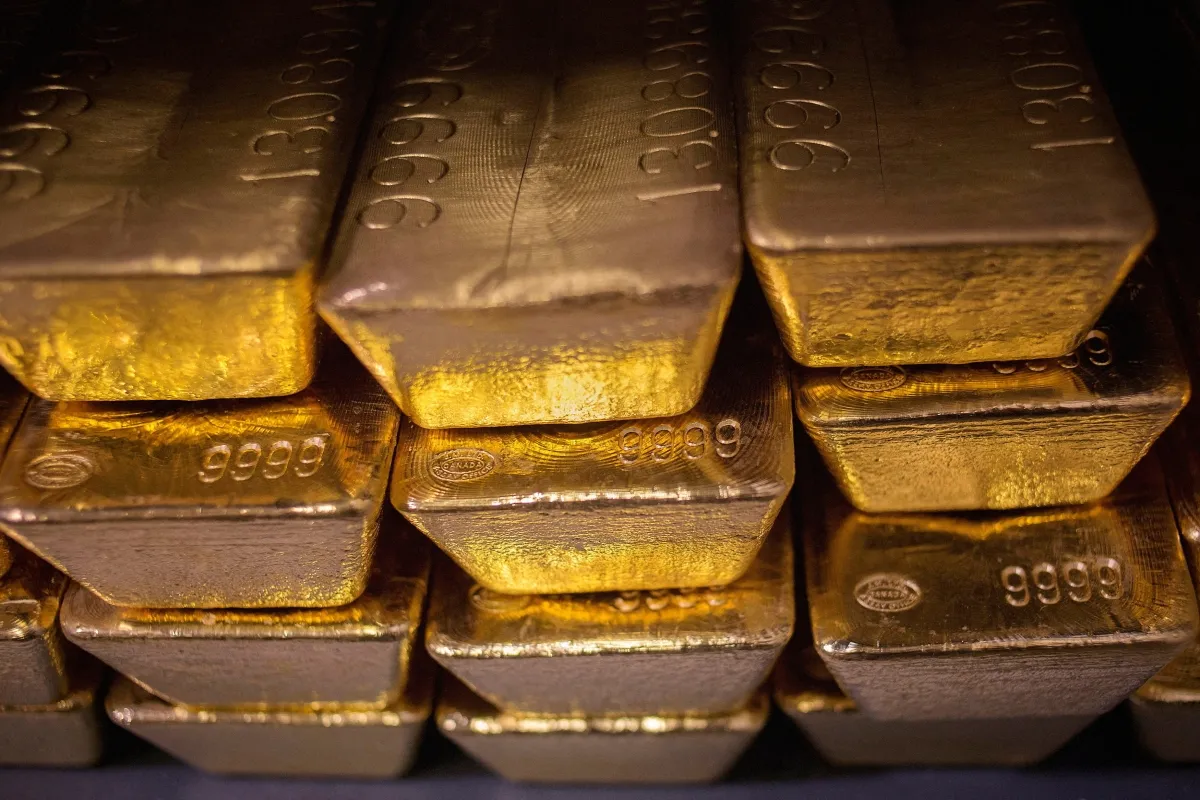 Giá vàng thế giới tăng vọt vì Mỹ hủy tấn công Iran
Mỗi ounce vàng tăng 150 USD trong vài giờ qua, lấy lại mốc 4.200 USD, sau khi ông Trump tuyên bố hủy kế hoạch không kích Iran.
-
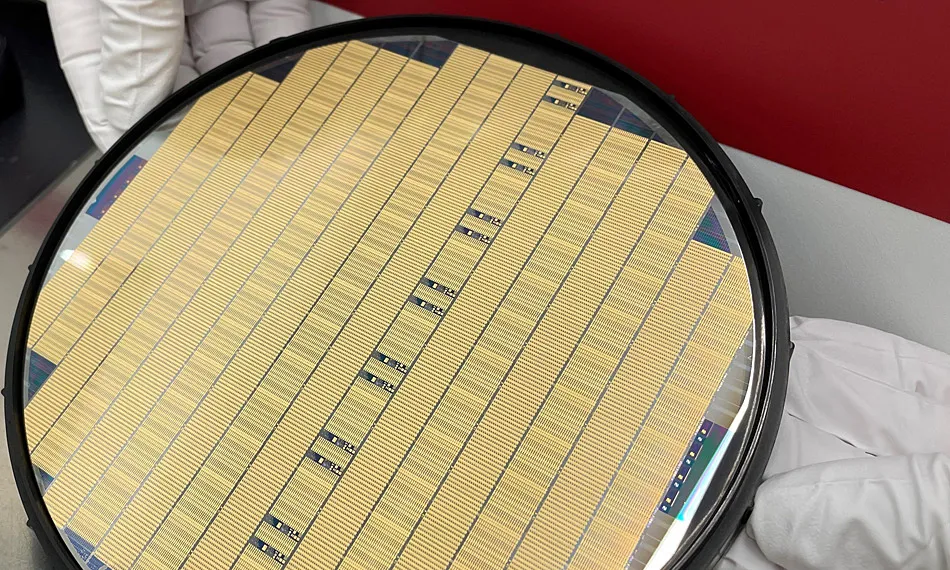 InP - 'Vũ khí' thương mại của Trung Quốc trong làn sóng AI
Nắm Indium Phosphide - hợp chất cốt lõi trong công nghệ truyền dữ liệu bằng ánh sáng, Trung Quốc ảnh hưởng lên chuỗi cung ứng bán dẫn phục vụ AI.
-
 Tiền vào chứng khoán thấp nhất 14 tháng
Thanh khoản sàn HoSE hôm nay chỉ đạt hơn 10.100 tỷ đồng, mức thấp nhất kể từ tháng 4/2025, tức khoảng 14 tháng qua.


