
In today’s fast-paced business environment, effective communication is crucial for team collaboration and productivity. As organizations increasingly adopt remote and hybrid working models, the need for seamless communication tools has never been more pressing. Unified communication platforms have emerged as a solution to this challenge, offering integrated communication tools that streamline interactions among team members. This article explores the advantages of unified communication platforms for teams and highlights some of the best communication platforms for business available today.
Unified communication (UC) platforms integrate various communication tools and services into a single, cohesive system. These tools can include:
By consolidating these functions into one platform, businesses can enhance communication efficiency and improve collaboration across teams.
Unified communication platforms facilitate better collaboration among team members, regardless of their physical location. With tools like instant messaging, video conferencing, and file sharing, teams can communicate in real time, making it easier to work on projects together. This immediacy fosters a collaborative environment where ideas can flow freely, leading to more innovative solutions and improved productivity.
By providing a single platform for various communication methods, unified communication solutions reduce the need for multiple tools. Employees no longer have to switch between different applications to communicate, which streamlines workflows. This efficiency saves time and reduces frustration, allowing team members to focus on their tasks rather than navigating various communication tools.
Investing in a unified communication platform can lead to significant cost savings for businesses. By consolidating multiple communication services into one subscription, organizations can reduce the costs associated with maintaining separate systems for voice, video, and messaging. Furthermore, many UC platforms offer cloud-based solutions, which can eliminate the need for costly on-premises hardware and maintenance.
Unified communication platforms are typically designed to be flexible and scalable, making them suitable for businesses of all sizes. Whether you’re a small startup or a large enterprise, these platforms can adapt to your needs. As your business grows, you can easily add new users and features without the need for extensive changes to your existing communication infrastructure. This scalability ensures that your communication tools can evolve with your organization.
One of the significant advantages of unified communication platforms is the ability to access communication tools from anywhere. Most UC solutions are cloud-based, allowing employees to connect from their desktops, laptops, or mobile devices. This accessibility is particularly important for remote and hybrid teams, as it enables seamless communication regardless of location. Team members can participate in meetings, collaborate on projects, and stay connected no matter where they are working.
Unified communication platforms can also enhance customer service capabilities. With integrated communication tools, customer support teams can respond to inquiries more efficiently. For instance, teams can use instant messaging to collaborate on customer issues or initiate video calls for more personalized support. This improved responsiveness can lead to higher customer satisfaction and better retention rates.
Many unified communication platforms come equipped with collaboration tools that help streamline workflows. For example, features like shared calendars, task management, and project tracking enable teams to coordinate their efforts more effectively. By integrating these tools into the communication platform, teams can reduce the time spent on administrative tasks and focus on their core responsibilities.
Effective communication is vital for employee engagement. Unified communication platforms foster a sense of connection among team members, promoting collaboration and camaraderie. When employees feel connected and engaged, they are more likely to be productive and satisfied with their work. Features like team chat rooms and video conferencing can help create a more inclusive environment, especially for remote workers.
Data security is a significant concern for businesses today. Unified communication platforms often come with built-in security features that protect sensitive information. Encryption, secure access controls, and user authentication help safeguard communications and data shared within the platform. This added layer of security is essential for maintaining compliance with industry regulations and protecting your organization’s reputation.
Many unified communication platforms offer analytics and reporting features that provide valuable insights into communication patterns and team performance. By tracking metrics such as call duration, response times, and user engagement, businesses can identify areas for improvement and optimize their communication strategies. These insights can help organizations make data-driven decisions that enhance productivity and collaboration.
When considering a unified communication platform, it's essential to choose one that aligns with your organization’s needs. Here are some of the best communication platforms for business:
Microsoft Teams is a popular choice for organizations seeking a comprehensive unified communication solution. It offers chat, video conferencing, file sharing, and integration with Microsoft Office applications. Teams is designed for collaboration, making it easy for team members to work together on projects.
Slack is known for its user-friendly interface and robust messaging capabilities. It allows teams to create channels for specific projects or topics, making it easy to organize conversations. Slack also integrates with numerous third-party applications, enhancing its functionality as a central communication hub.
While primarily known for its video conferencing capabilities, Zoom has expanded its offerings to include messaging and collaboration tools. It provides a seamless experience for virtual meetings and webinars, making it a popular choice for remote teams.
Google Workspace combines Google's productivity tools with unified communication features. With Google Meet for video conferencing, Google Chat for messaging, and integration with Google Drive for file sharing, it provides a comprehensive solution for collaboration.
RingCentral offers a cloud-based communication platform that includes voice, video, and messaging capabilities. Its robust features cater to businesses of all sizes, providing a scalable solution for unified communication.
Cisco Webex is known for its focus on security and scalability. It offers a range of features, including video conferencing, team messaging, and file sharing, making it suitable for businesses with stringent security requirements.
7.IPPBX: An all-in-one communication platform that combines essential business communication modules, allowing for streamlined appointment scheduling, project management, and real-time collaboration.
Unified communication platforms offer numerous advantages that can significantly enhance team collaboration and productivity. By providing integrated tools for messaging, voice, video, and file sharing, these platforms streamline communication and foster a collaborative environment. As businesses continue to adapt to remote and hybrid working models, investing in the right unified communication solution will be essential for success. Whether you opt for Microsoft Teams, Slack, or another platform, embracing these tools can lead to improved efficiency, cost savings, and a more engaged workforce.

Phamtrang Boss
25Blog posts
-
 Tàu quỹ đạo Sao Hỏa của NASA dừng hoạt động sau 11 năm
Sau 6 tháng mất liên lạc, NASA tuyên bố Maven, tàu vũ trụ bay quanh Sao Hỏa để nghiên cứu khí quyển, chính thức dừng hoạt động.
-
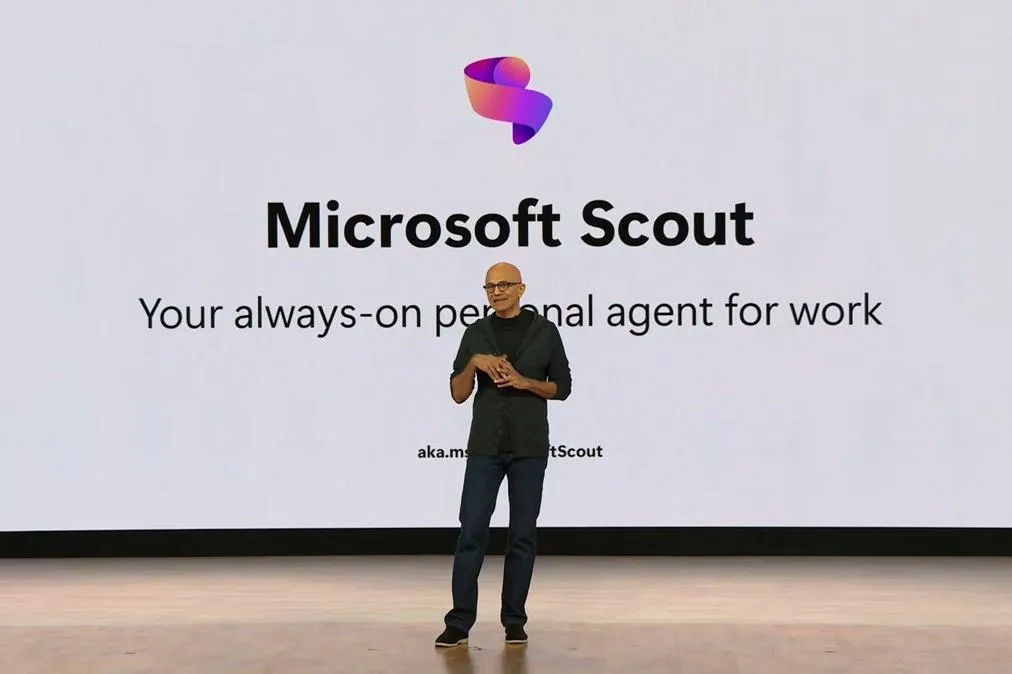 Microsoft ra tác nhân tự chủ tương tự OpenClaw
Microsoft công bố Scout, được xây dựng trên sức mạnh và tính linh hoạt của OpenClaw, giúp nhân viên tự động hóa công việc văn phòng.
-
 Giá tiền ảo Pi lại 'sập' mạnh
Tiền ảo Pi Network tiếp tục giảm gần 20% giá trị, trong bối cảnh dự án không có nhiều chuyển biến mới trong nửa đầu năm.
-
 Ứng dụng tra cứu giá xăng và phản ánh vi phạm chất lượng
Bộ Công Thương đưa vào vận hành ứng dụng Quanh tôi hôm 1/6, giúp người dân có thể tìm cây xăng, dầu, xem giá bán, gửi phản ánh vi phạm và theo dõi chi phí nhiên liệu.
-
 Cần cẩu lớn nhất thế giới lắp đặt lò phản ứng hạt nhân
Cần cẩu Big Carl nâng thùng lò phản ứng và đặt chuẩn xác lên vòng đỡ tại nhà máy điện hạt nhân Hinkley Point C chỉ trong hai ngày.
-
 Xiaomi 17T Pro đọ cấu hình Galaxy S26 Ultra, iPhone 17 Pro
Xiaomi 17T Pro mới ra mắt nổi bật với camera Leica, zoom 5x, so sánh cấu hình với hai model cao cấp bán tốt ở Việt Nam là Galaxy S26 Ultra và iPhone 17 Pro.
-
 'Viễn thông Việt Nam đã qua thời cạnh tranh bằng giá'
Thay vì chạy đua về giá trên mỗi megabit, đại diện GSMA nhận định nhà mạng Việt Nam cần lấy chất lượng làm mục tiêu, đồng thời tiến tới chuyển đổi thành công ty công nghệ, công ty AI.
-
 Kỳ vọng từ mô hình nghiên cứu AI mở đầu tiên của Việt Nam
Saigon AI Hub chọn mô hình mở để kết nối hạ tầng, học thuật và cộng đồng nghiên cứu, kỳ vọng tạo lối đi riêng để đưa AI Việt Nam vào thị trường toàn cầu.
-
 Ứng dụng ChatGPT đạt một tỷ người dùng hàng tháng
ChatGPT trở thành ứng dụng đạt một tỷ người dùng hàng tháng nhanh nhất từ trước đến nay khi chỉ cần khoảng ba năm.
-
 'Sinh viên hào hứng với AI, nhưng thấy bất định về tương lai'
Theo Rafif Srour, Phó hiệu trưởng Trường Khoa học và Công nghệ IE, dù hào hứng với AI, sinh viên băn khoăn sự nghiệp của họ sẽ thay đổi ra sao trong một nền kinh tế dẫn dắt bởi trí tuệ nhân tạo.
-
 Tương lai của siêu tên lửa Starship V3
Sau chuyến bay thử hôm 22/2, siêu tên lửa Starship V3 sẽ cần phóng lên quỹ đạo Trái Đất và tiếp nhiên liệu ở đó để sẵn sàng cho nhiệm vụ Artemis 3 của NASA.


