
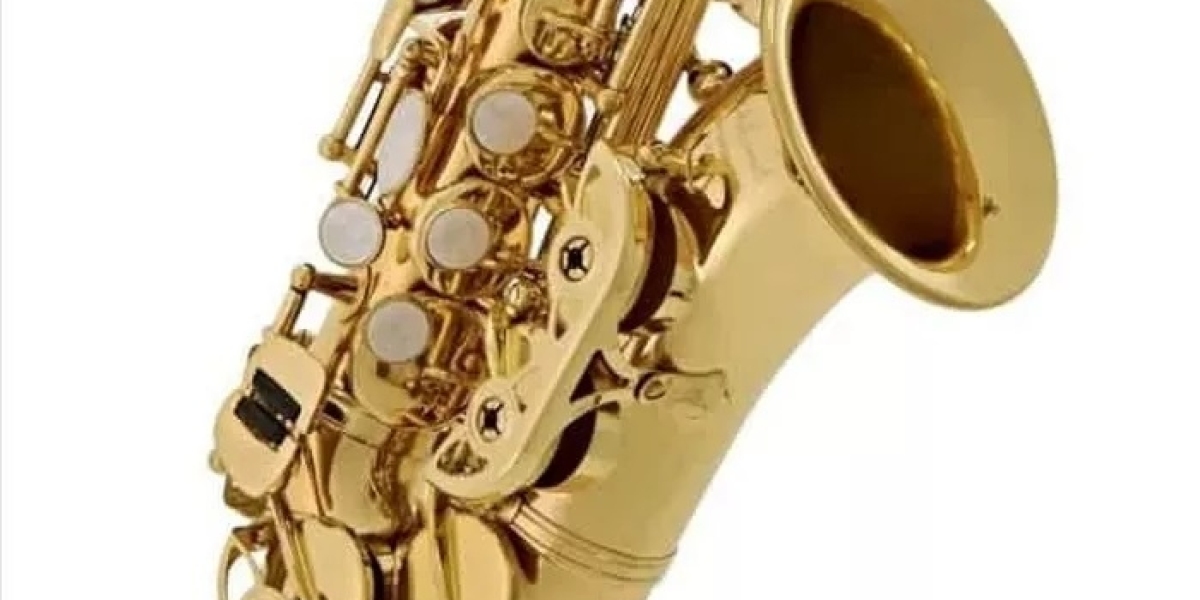
The soprano saxophone, known for its bright and penetrating tone, is a beautiful yet challenging instrument. Once beginners gain control over tone and intonation, upgrading to an intermediate soprano saxophone becomes a natural next step. Intermediate models offer better materials, improved mechanics, and enhanced tonal quality—ideal for saxophonists who are serious about their musical journey.
Intermediate soprano saxophones sit between student and professional models. These instruments typically include features such as:
Ribbed construction for durability
Hand-finished pads and keys for better seal and control
High F# key and improved key ergonomics
Better brass alloy or bronze bodies
More precise intonation and stable pitch
They also serve as stepping stones to professional instruments, giving players more control without overwhelming them.
Choosing the best intermediate soprano saxophone involves evaluating several critical features:
Soprano saxophones are notoriously difficult when it comes to tuning. Look for models with precise manufacturing that help stabilize pitch and produce a consistent, resonant tone across all registers.
An intermediate model should offer improved keywork, often modeled after professional designs. This includes fast and smooth action with spring tension that feels responsive.
Better metals mean better resonance and durability. Many intermediate sopranos use yellow brass or even bronze for richer tone. Lacquer, silver, or gold plating affects both aesthetics and tonal characteristics.
Some soprano saxophones come with detachable necks (straight and curved options), giving players flexibility in tone production and comfort. However, some purists prefer the resonance of a one-piece body.
A favorite among advancing players, the Yamaha YSS-475II offers near-professional playability with precise intonation and superb build quality. It’s a one-piece body with straight neck, yellow brass construction, and high F# key.
Selmer’s La Voix II is known for its clear tone and modern key design. With a range to high F# and ribbed construction, this model balances ease of play with quality materials.
The Jupiter JSS1100 features a detachable neck (both straight and curved), allowing for tonal versatility and comfort. Silver-plated body and precise tone make it a worthy option for committed players.
Though edging into the professional tier, the Yanagisawa S-WO1 is excellent for advanced intermediate players. Handmade in Japan, this one-piece straight soprano offers refined tone, smooth mechanics, and a stellar reputation for quality.
P. Mauriat’s System 76 offers a vintage sound palette and is available with both straight and curved necks. Players who want expressiveness and color in their tone will appreciate this option.
An affordable yet effective option for intermediate learners, the SS-400GP features a gold lacquer finish, high F# key, and solid tone quality. It’s a good entry point into intermediate models.
Kessler’s own brand delivers value and performance with customizable options including neck type. It’s popular among educators and advancing students alike.
Cannonball instruments often come with additional necks and feature unique hand-engraved designs. These horns are known for robust sound and craftsmanship, making them appealing for intermediate and professional crossover players.
Whenever possible, test out several models in person. Even within the same brand, different units can feel and sound different due to small manufacturing variances.
High-quality intermediate soprano saxophones often retain value well. Buying pre-owned can save money if the instrument has been properly maintained.
Find dealers who specialize in woodwinds and offer return policies, warranties, and service plans. This adds peace of mind to your investment.
Even the best soprano saxophones can underperform with a poor mouthpiece. Consider upgrading to a quality piece by Vandoren, Selmer, or Otto Link.
Find a reed strength and cut that suits your mouthpiece and embouchure. Brands like Vandoren, D’Addario, and Rigotti are trusted by many intermediate and professional players.
Many players struggle when transitioning to intermediate-level soprano saxophones. Here are some pitfalls to avoid:
Using beginner reeds or mouthpieces on advanced horns
Ignoring embouchure development
Skipping warm-ups or long-tone practice
Focusing too much on speed rather than tone control
It depends on preference. Straight necks produce a brighter sound and are more common. Curved necks offer a warmer tone and are more comfortable for some players.
While not ideal for raw beginners, motivated students with good tone control may benefit from starting on an intermediate horn for long-term value.
Yamaha, Selmer, Jupiter, and Yanagisawa consistently produce high-quality soprano saxophones for all levels. The “best” brand depends on your personal preferences and playing goals.
Expect to spend between $1,000 and $3,000 for a reliable intermediate instrument. Prices vary based on build, finish, and included features.
The best intermediate soprano saxophone is one that matches your skill level, musical style, and budget. Whether you’re preparing for ensemble work, solo performance, or advanced study, investing in a quality instrument pays dividends in tone, comfort, and longevity.
Keep practicing, stay curious, and choose a horn that inspires you to play better every day.
-
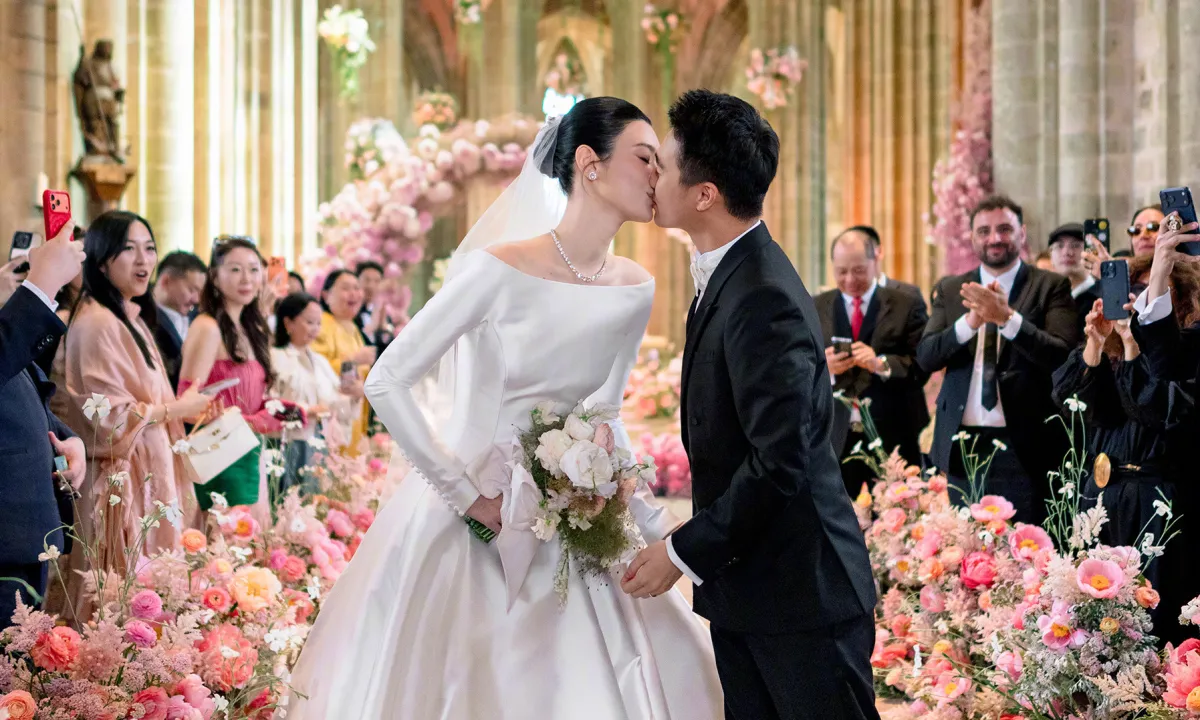 Hề Mộng Dao và con trai tỷ phú cưới trong lâu đài
Siêu mẫu Trung Quốc Hề Mộng Dao và Hà Du Quân - con trai Vua sòng bạc Macau, cử hành hôn lễ trong lâu đài.
-
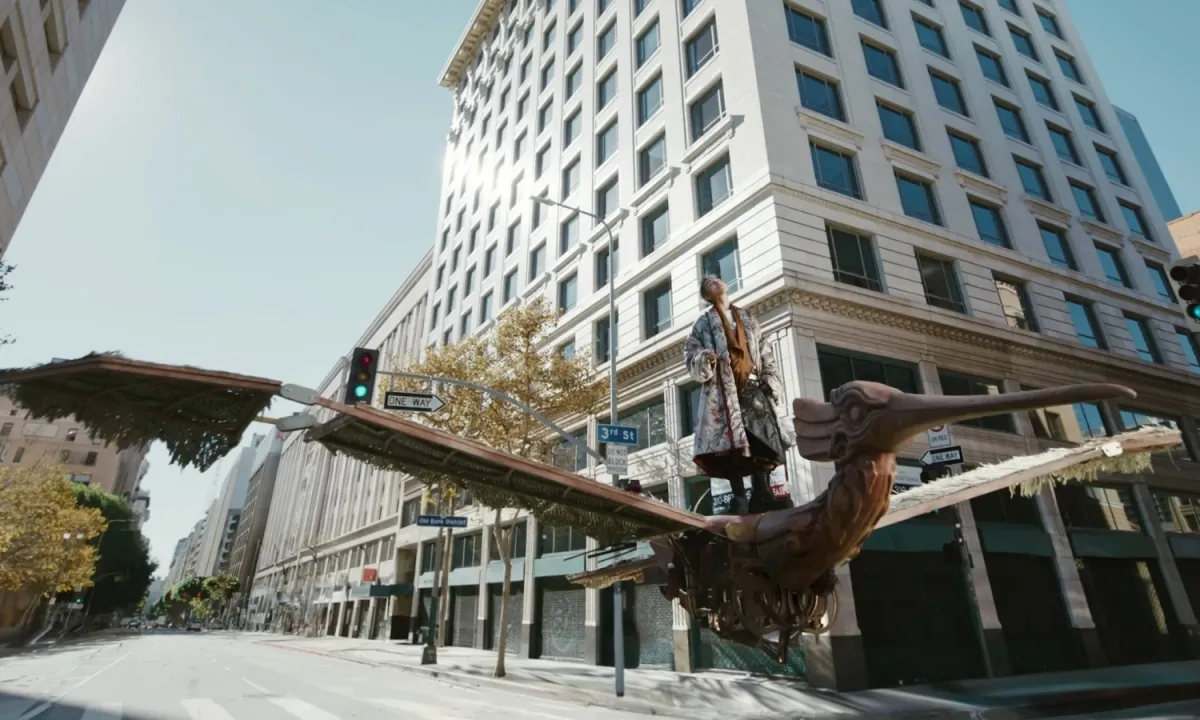 Sơn Tùng 'cưỡi' chim Lạc và chuyện làm mới biểu tượng truyền thống
Nhiều chuyên gia cho rằng Sơn Tùng cưỡi chim Lạc trong MV Come My Way là cách nghệ sĩ thể hiện tình yêu, sự tự tin sáng tạo chất liệu văn hóa.
-
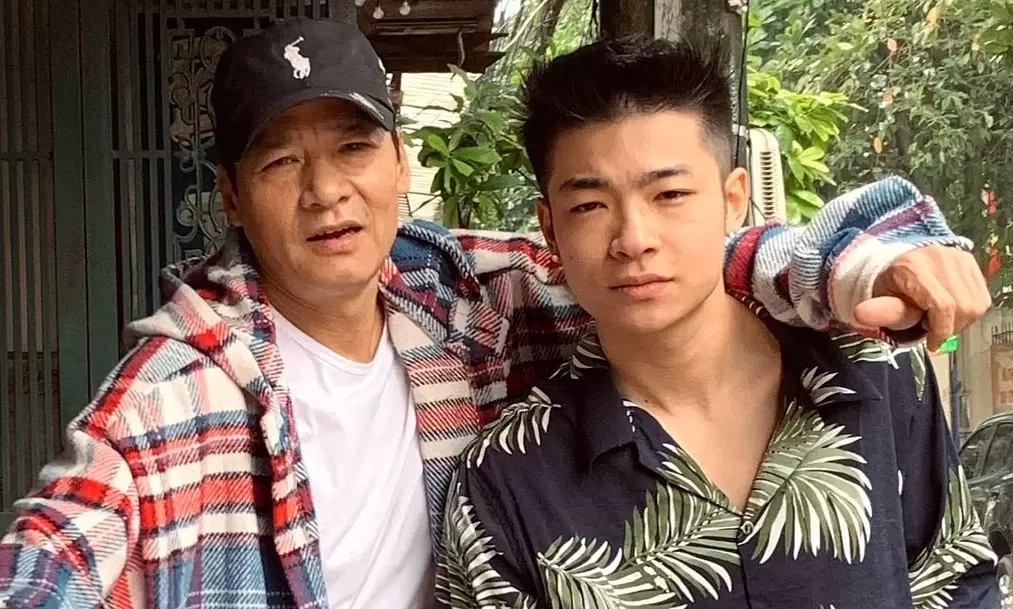 Con trai nối nghiệp nghệ sĩ Võ Hoài Nam
Võ Hoài Vũ, 26 tuổi, con trai nghệ sĩ Võ Hoài Nam, được khen diễn xuất tự nhiên trong phim Phía bên kia thành phố.
-
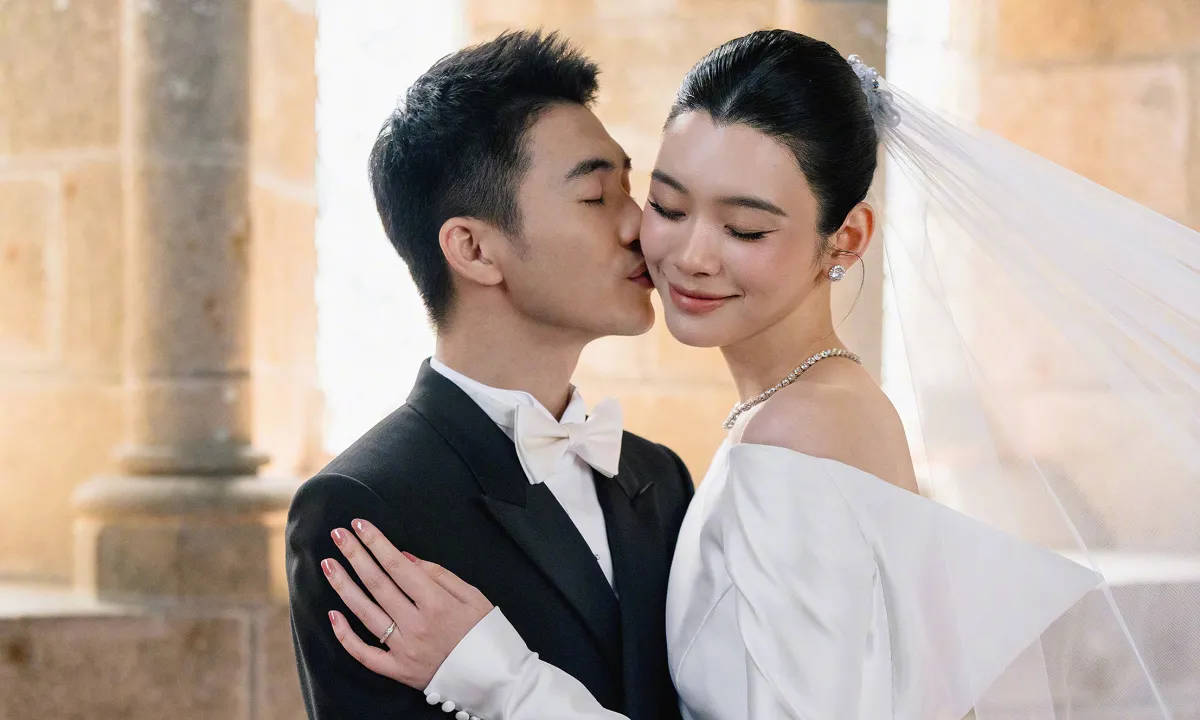 Váy cưới thuần khiết của con dâu tỷ phú
Siêu mẫu Trung Quốc Hề Mộng Dao đặt may váy cưới xa xỉ, yêu cầu đầm có vẻ thuần khiết và tối giản.
-
 BPTP Downtown 66: The New Pinnacle of Ultra-Luxury Living in Sector 66, Gurgaon
BPTP Downtown 66 is planned on a spacious 4.25-acre land parcel with three iconic towers. Each tower rises to G+45/46 floors, reaching approximately 150 meters in height. The project maintains a very low density with only 4 apartments per floor, offering a boutique high-rise feel with exce
-
 🚬 Vape Shop in Karachi – DC Vapors
If you are searching for a trusted vape shop in Karachi, DC Vapors is one of the well-known options in the market. With a wide product range and strong customer base, it continues to serve the growing vaping community in Pakistan.
-
 MMOEXP ARC Raiders: From Zero to Hero – The Ultimate Beginner's Survival Guide
Welcome back, Raiders! This is Sulley, and this guide is designed to transform you from a confused newbie into a confident survivor.
-
 What Should You Do If an Agent Refuses Withdrawal or Blocks You?
Online platforms offer convenience and fast access to digital services, but they also come with certain risks. One of the most frustrating situations users face is when an agent refuses to process a withdrawal or suddenly blocks communication. This can create panic, especially when real mo
-
 MMOEXP Chrono Odyssey Class Guide: Berserker, Ranger & Swordsman
Dodge Types: Light roll (light armor), dash (medium armor), short hop (heavy armor).
-
 MMOEXP From Drop to Evac: ARC Raiders Essential Tactics Collection
Welcome, Raiders! This guide compiles key strategies and mechanics to help you survive, explore, and thrive in the world of ARC Raiders. Whether you're just dropping in or looking to refine your tactics, these tips will give you an edge.
-
 MMOEXP Farewell to Static Combat: Aion 2’s Aerial Warfare and PvE Innovations
Current Status: Testing phase in Asia to determine what works for Western audiences.


