Xi Jinping has hosted more than a dozen leaders this year, as ‘middle powers’ look beyond the US

By Amy Hawkins in Beijing and Alastair McCready in Taipei • June 26, 2026 • World news
China’s leader wants to promote his alternative to the current world order, and his efforts are being assisted by a capricious US
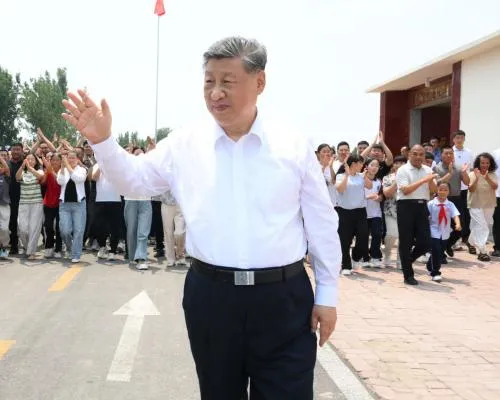
Xi Jinping meets Bangladesh’s new prime minister on Friday, the latest in a wave of world leaders to visit Beijing this year as the Chinese leader builds his influence and economic ties, and seeks to “shift the balance of power” away from the west. Xi’s meeting with Tarique Rahman comes less than two weeks after the Chinese leader welcomed Myanmar’s military chief-turned-president, Min Aung Hlaing, in Beijing. In May, Xi hosted leaders from the US, Russia, Brunei, Serbia, Tajikistan and Pakistan, while a host of foreign ministers also came to China for lower level meetings. More than a dozen world leaders - including presidents and prime ministers - have visited so far this year, including Russia’s Vladimir Putin, the UK’s Keir Starmer and US president Donald Trump. “The long list of world leaders travelling to Beijing to meet with Xi reflects the growing recognition of China’s increasing global influence,” said William Yang, a senior analyst for the International Crisis Group. Many of the leaders to visit China this year, including Canada’s prime minister Mark Carney, framed their trips as a chance for “middle-power” countries to chart an independent relationship with Beijing against a backdrop of an increasingly capricious US. China can use such visits to “promote the alternative multipolar world order that it has been championing while weakening these countries’ trust and confidence in the US,” Yang said. China is presenting itself as a source of stability – and for many poorer countries, loans – at a time when from the perspective of many countries, the US is retreating from its leading position on the world stage. And despite Trump’s pomp-filled state visit, Beijing has not been shy about about courting leaders from authoritarian and Global South countries, either. Myanmar’s military chief-turned-president got the red carpet treatment in Beijing. The Chinese leader signalled his “firm support” for Min Aung Hlaing’s regime, before reiterating his commitment to the “principle of non-interference” in the war-torn country’s “internal affairs”. Min Aung Hlaing, accused by UN experts of overseeing war crimes and genocide in Myanmar, appeared a happy man. Only his second foreign trip since cementing power over the south-east Asian country in a widely condemned election six months ago,he has grown increasingly isolated since overthrowing Myanmar’s democratically elected government in a 2021 coup. But this proved of little concern to Beijing, which signalled its “acceptance of the legitimacy of the Myanmar military’s rule in Myanmar” with this week’s visit, according to Ja Ian Chong, a professor at the National University of Singapore and a non-resident scholar at Carnegie China. This approach can be viewed as part of Xi’s wider project to influence international order so “no country has a right to tell others how to manage their own domestic affairs”, according to Steve Tsang, director of the China Institute at Soas University of London. “Engagement with less glamorous leaders from less rich countries is very much what the strategy is about,” said Tsang. “[Xi is] fundamentally shifting the balance of power from the hands of the advanced democracies … to the Global South, with China as its leader.” Earlier this month, Xi adopted a similar playbook as he sidestepped another thorny issue when visiting Kim Jong-un in a rare overseas trip. Despite previously expressing strong opposition to North Korea’s nuclear weapons programme, the issue was conspicuously absent from readouts. Stabilising ties took precedence, with Beijing’s silence viewed as tacit acceptance of North Korea’s nuclear-armed status. Chinese state media has been keen to present Beijing as the new hub of global diplomacy. In May, the Global Times ran a piece which said that the back-to-back visits of Trump and Putin “underscores both the intensity of China’s diplomatic calendar and its expanding influence on the world stage”. That is despite the fact that when it comes to actually solving international crises, Beijing’s influence has been limited. Although credited with initially pushing Iran towards ceasefire talks with the US, Beijing has not been a peacemaker in that conflict. While Beijing helped to broker a detente between Saudi Arabia and Iran in 2023, China does not wield a decisive influence over Tehran. And when it comes to the war in Ukraine, China’s 12-point plan for a political settlement, published in 2023, has long been forgotten and is overshadowed by Beijing’s enduring support for Russia’s invasion. Additional research by Yu-chen Li
Source: The Guardian
Guardian News World
349 posts
-
 Former Las Vegas youth pastor dies days after being charged in wife’s fatal fall
David Vander Meer was recently arrested for the death of his wife in national park 20 years ago after new information revealed
-
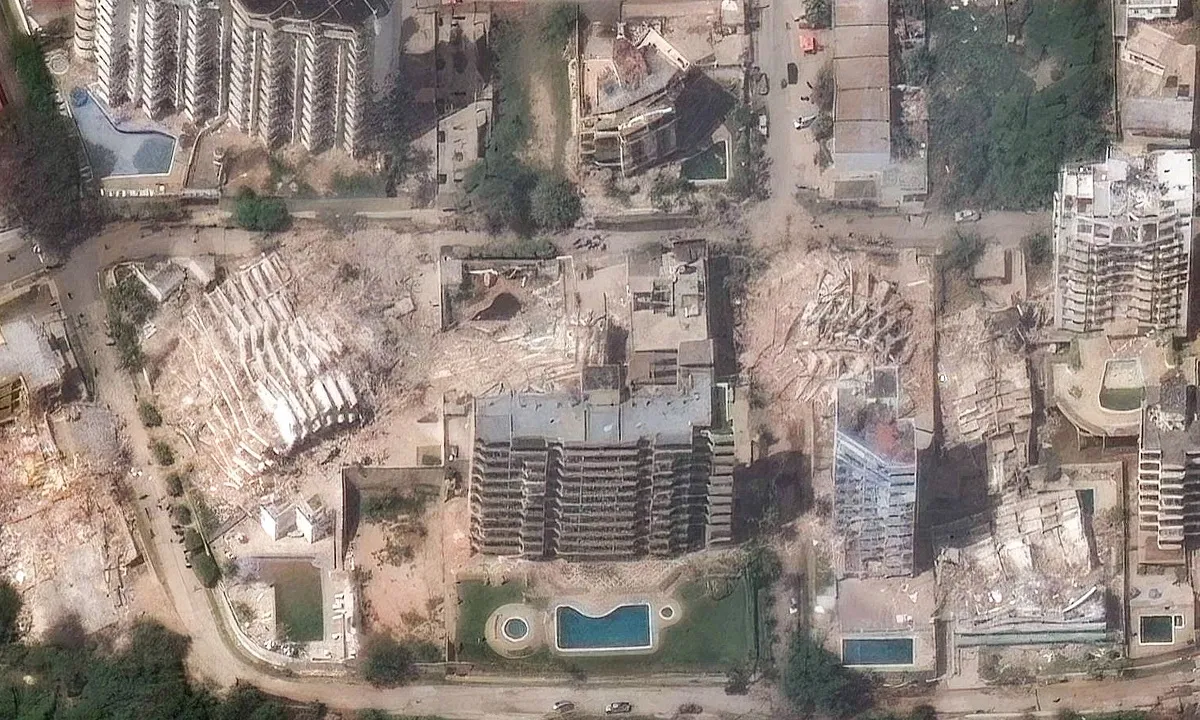 Vụ động đất kép ở Venezuela: Diễn biến, hậu quả và nỗ lực cứu hộ
Vì sao một khu vực vốn ít động đất như Venezuela lại hứng chịu thảm họa động đất kép?Sáng 26/6 (giờ Việt Nam), hai trận động đất với cường độ 7,2 và 7,5 độ…
-
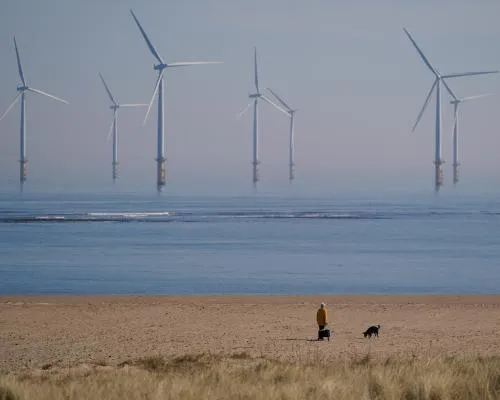 Crown estate makes more than £1bn profit for third year running
King Charles’s property management firm rakes in £1.2bn as it continues to benefit from offshore windfarm boom
-
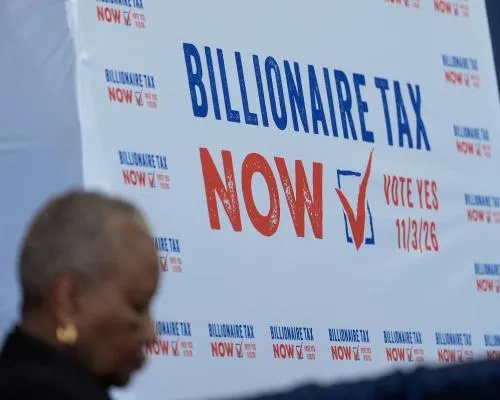 California’s proposed billionaire tax: what you need to know
Plan to levy 5% tax on California billionaires championed by progressives – but state’s super rich are forcefully opposed
-
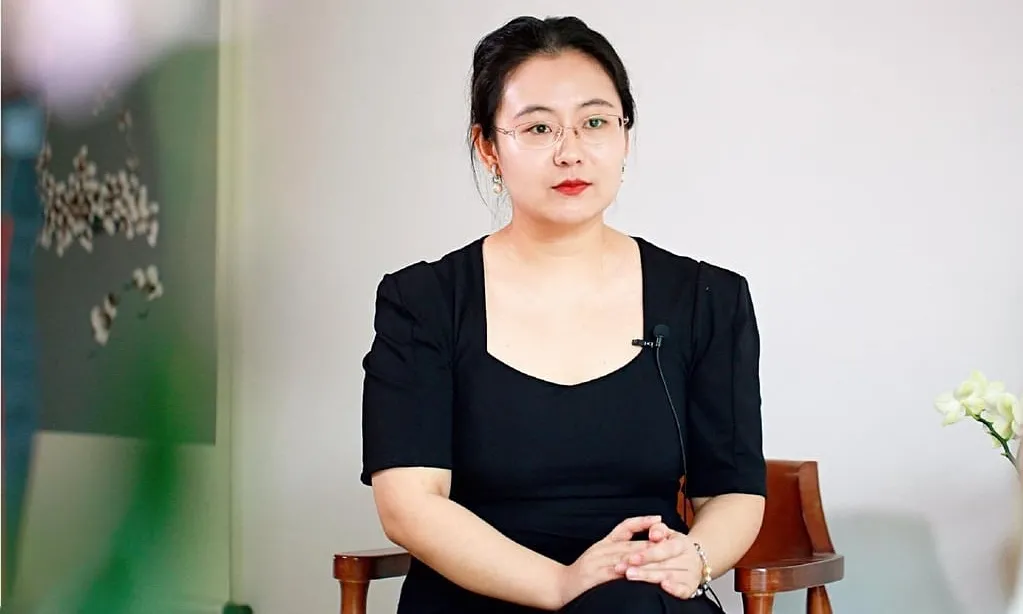 Vợ triệu phú Trung Quốc kiên trì đồng hành với chồng trong bệnh tật
Bài viết kể về câu chuyện tình cảm của Đoàn Duệ, vợ triệu phú Thái Lỗi, người từ chối ly hôn để đồng hành cùng chồng trong bệnh tật.
-
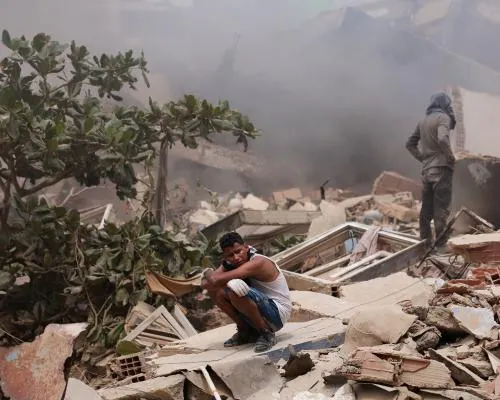 Experts say three recent powerful earthquakes are not related
5.6-magnitude California tremor, 7.2-magnitude temblor in Japan and two quakes in Venezuela all struck within hours
-
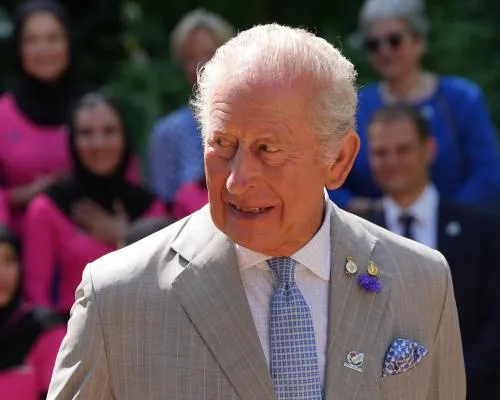 King Charles’s tax bill: what did we learn, and what is still in the dark?
We know the monarch paid £24.6m in tax over the last two years, but we still don’t know how wealthy he actually is
-
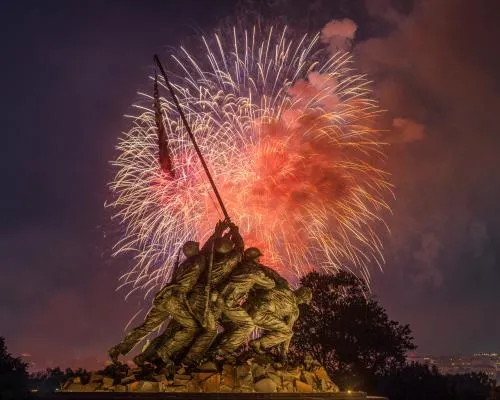 Americans: how do you feel about the country’s future after 250 years of independence?
As the country reaches this historic milestone, we would like to hear from people in the US on how they are feeling about the country’s future
-
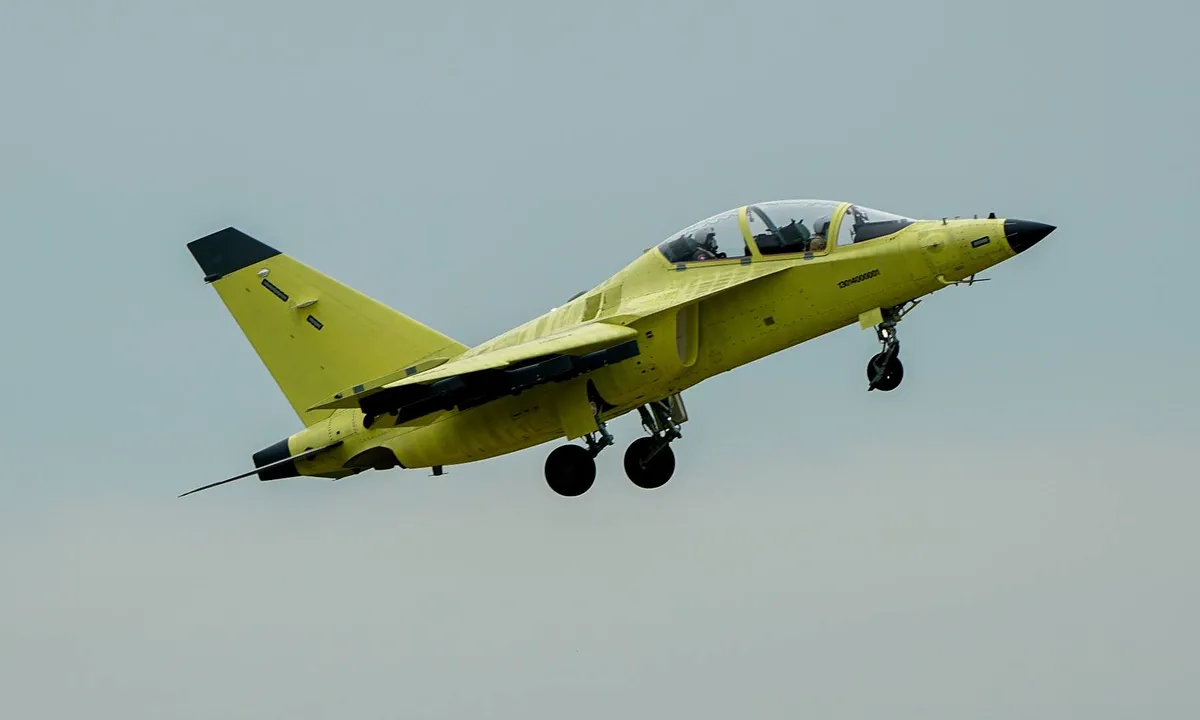 Rostec Bắt Đầu Thử Nghiệm Phiên Bản Chiến Đấu Yak-130M
Nga bắt đầu thử nghiệm phiên bản chiến đấu cơ Yak-130M, phiên bản mới từ máy bay huấn luyện Yak-130, với các tính năng tương đồng tiêm kích hiện đại.
-
 Major wildfire rips through moorland close to Greater Manchester
Blaze on Tintwistle Moor, Glossop, has burned more than 500 square metres, forcing road closures and smoke warning


