By Patrick Wintour Diplomatic editor • June 8, 2026 • World news
Chokehold on shipping route draws Houthis in Yemen back into conflict as commenters see ‘no turning back’
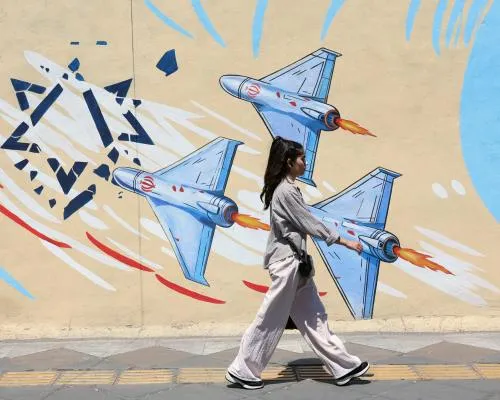
Iran’s reversion to large-scale military exchanges with Israel broadened the conflict that began in February not only by making the Israeli attacks on Hezbollah a direct casus belli for Iran for the first time, but also by drawing the Houthis in Yemen back into the conflict with as yet incalculable consequences. Some in Tehran, buoyed up by past perceived military success and emboldened by the chokehold of the strait of Hormuz, would like to turn this moment into the point of no return in the conflagration with Israel. A minority would welcome the abandonment of ceasefire talks with the US, an outcome for which they have been agitating for weeks. But even now there are other voices in Tehran that believe Iran can instead exploit the tensions between Israel and the US to accelerate a deal from a US president desperate to extricate himself from a war that is turning into an alarming show of American diplomatic and military impotence. Donald Trump’s social media post urging Iran and Israel to stop firing at each other did not reek of a man in control of events. Iran’s decision to announce it was ending its operations so long as there were no further Israeli attacks shows the advocates of all-out war are in the minority. There are many such as Hesamodin Ashna, an adviser to the former Iranian president Hassan Rouhani, who argued in a speech this weekend that social cohesion and trust inside Iran were still fragile. This camp says the return of Iran’s frozen assets and the gradual lifting of US sanctions are imperative to rescue the Iranian economy from near-collapse, arguing that the economic situation was the incubator for the protests in January. Esmail Baghaei, Iran’s foreign ministry spokesperson, was forced to ride both horses at his weekly press conference in Tehran. At one point he challenged the whole idea that the Israeli prime minister, Benjamin Netanyahu, had mounted the attacks on Iran in defiance of Trump, but then suggested it was possible that Israel was trying to sabotage talks with the US since it feared the terms of the deal would weaken it. Baghaei was careful to insist that the dialogue with the US, conducted indirectly via Pakistan, was continuing and had not been suspended. He was adamant the US was involved in the strikes, saying: “No one in our region believes that an action by the Zionist regime would be taken without prior coordination and cooperation from the United States.” He continued: “The US state department clearly stated during the 40-day war that the reason for this country’s imposition of war on Iran was its support for the Zionist regime, and now, despite the claims of American officials, we know that Centcom [US Central Command] cooperates and coordinates with the Zionist regime in the areas of defence and offence.” At other points he was more circumspect, saying it was possible to debate whether Israel acted independently of the US, or was “riding the US”. In either event Baghaei cautioned all Iran’s allied groups in the region against premature disarmament by drawing a comparison with Jean de La Fontaine’s The Lion in Love, a fable about a lion who, blinded by love, agreed to clip his claws only to be mauled by his enemies. Few doubt Iran’s propensity to bare its claws, and now as a matter almost of strategic doctrine to try always to respond by not just threatening but imposing escalation. For instance, Hassan Ahmadian, one of Iran’s most frequent commenters in Arab media, warned: “The era of strategic patience has ended, and there is no turning back. Iran and its allies are determined to impose and solidify new rules of engagement against their adversary – and I do not see them backing down. For retreat in the face of those who practice genocide will only unleash annihilation across the length and breadth of the region. Resistance, on the other hand, is the only civilized response that holds any meaning against them.” The Islamic Revolutionary Guard Corps (IRGC) said it was prepared to target Gulf state energy installations. “In the event of continued attacks toward energy infrastructure all oil and gas facilities associated with Israel, the United States and their allies, including regional energy facilities, will be a target for the armed forces of Iran.” Iran’s negotiating demands have been remarkably consistent: a ceasefire in Lebanon including the withdrawal of Israel forces and the unfreezing of half of Iran’s frozen assets, about $12bn; a form of Iranian management over the strait of Hormuz; and detailed discussions later about how Tehran assures the US it is not seeking a nuclear weapon, including the down-blending of its highly enriched uranium stockpile. Trump has been very close to agreeing these terms, but is trying to find ways to phrase them to make them more palatable to his domestic audience. That is because on balance, the battle of blockades in the strait of Hormuz is trending in Iran’s favour. World oil inventories slowly running out, crashing the global economy from Japan to Brazil, seems more dangerous than Iran running out of cash and oil exports. The democratic west’s capacity to absorb economic pain does not match that of the Iranian regime. The intervention by the Houthis tips the scale further in Iran’s direction. The precise impact will depend on whether the Houthis decide to expand the announced blockade, currently confined to Israeli shipping in the Red Sea, into a broader blockade of hostile shipping. The Bab al-Mandab strait connecting the Red Sea to the Gulf of Aden has acted as a crucial relief valve for oil exporters. Saudi Arabia oil flows surged through its east-west pipeline after Hormuz closed, redirecting millions of barrels a day to the Red Sea. The Houthis have not said they would block this flow, but this could change. The Red Sea route is responsible for 15% of global naval shipping trade and the strait of Hormuz about 20%. The simultaneous full closure of both waterways would put huge pressure on the Cape of Good Hope route around South Africa. The Houthis started blockading ships in the Red Sea heading for Israeli ports from November 2013, leading to the bankruptcy of the Israeli port of Eilat. The number of ships going through the Suez canal more than halved in 2024, leading to a massive decline in revenues for the canal and Egypt. The Houthis, involved in behind-the-scenes peace talks with Saudi Arabia about ending the Yemen civil war, have not relished rejoining the conflict, partly because they suffered such serious blows to their command structure last year. The movement now faces a choice of mounting the blockade or waiting for a lead from Iran.
Source: The Guardian

Guardian News World
47 posts
-
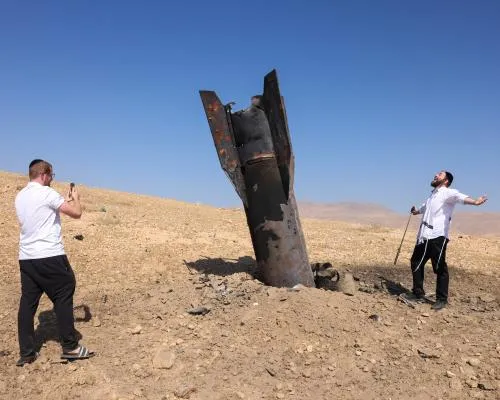 Israel and Iran step back from renewed conflict after Trump calls for halt
Netanyahu acknowledges pause in fighting in TV speech but vows forceful response to future attacks
-
 Rushed social media ban for under-16s in UK could ‘unravel’, charity warns
Molly Rose Foundation says government should instead set strict safety standards for apps
-
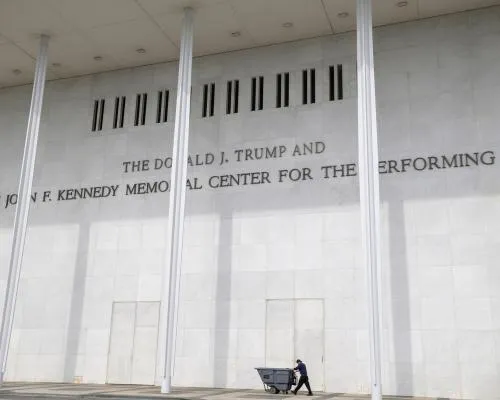 Kennedy Center removes Trump’s name from its website after US judge’s order
Performing arts venue takes down references to a ‘Trump Kennedy Center’ in compliance with judge’s ruling
-
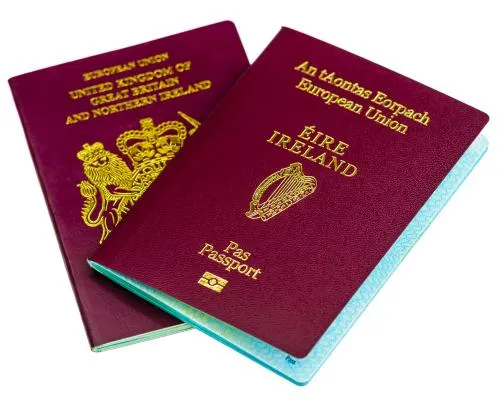 Failed by arrogant British passport officials
Letter: Gerald Harrison on being trapped in the middle of bureaucracy with his British and Irish passports
-
 Savannah Guthrie makes new plea for missing mother as search surpasses four months
Today show host shares post saying ‘Bring her home’ months after disappearance of Nancy Guthrie from Arizona
-
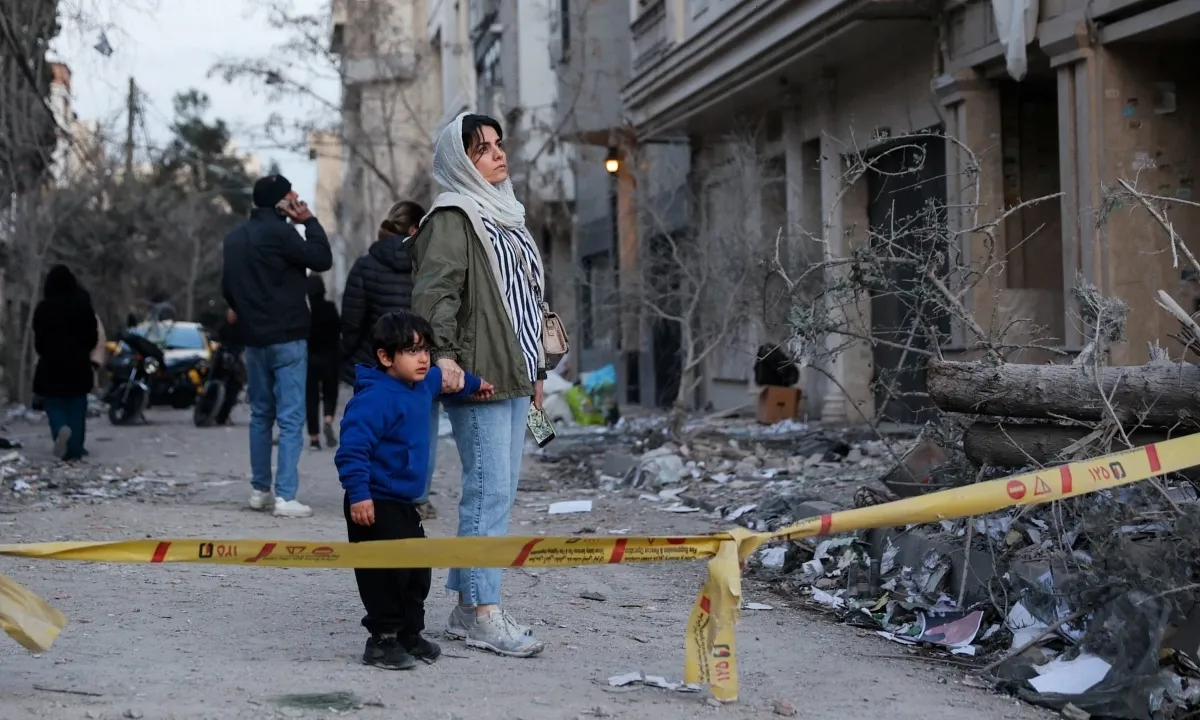 Cuộc sống của người Iran sau hơn 3 tháng chiến sự
Chiến sự dai dẳng cùng những hệ lụy kinh tế đã đẩy cuộc sống của nhiều người Iran vào cảnh khó khăn, khi triển vọng hòa bình vẫn xa vời.
-
 Thủ tướng Thái Lan đánh giá cao môi trường đầu tư, kinh doanh của Việt Nam
Thủ tướng Thái Lan tuyên bố sẽ khuyến khích doanh nghiệp nước này mở rộng đầu tư vào Việt Nam, khi hội đàm với Thủ tướng Lê Minh Hưng tại Hà Nội.
-
 ‘Senior lieutenant’ in Kinahan criminal cartel jailed for 24 years by Dublin court
Sean McGovern pleaded guilty to two charges relating to a deadly feud after being extradited from the UAE
-
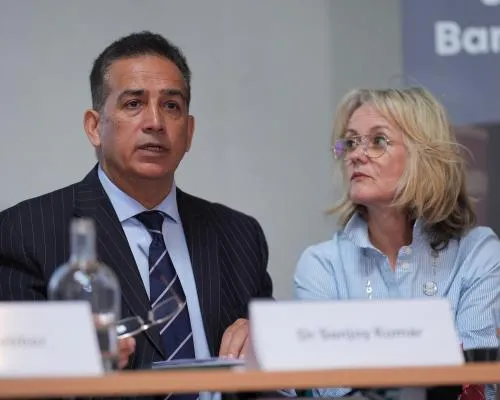 Parents of Nottingham attack victim say medics must breach confidentiality if patient is risk to others
Valdo Calocane was protected at expense of public safety in years before June 2023 stabbings, families of victims say
-
 Lawsuit aims to block UFC event at White House on Trump’s birthday
Case argues Trump administration broke federal laws to accomodate ‘deeply corrupt’ commercial sporting event


