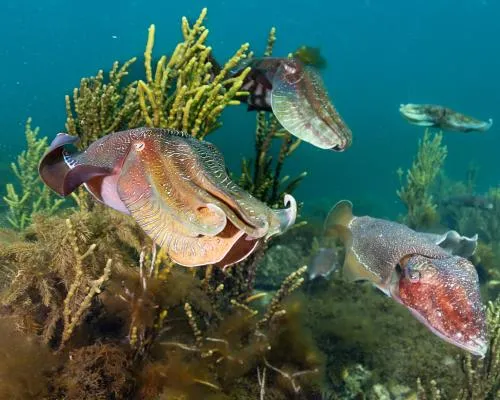
Whyalla wipeout fears: cuttlefish usually gather in their thousands, but few have appeared since a massive algal bloom

By Petra Stock • June 22, 2026 • Environment
Divers have observed just a ‘couple of dozen’ of the cephalopods along the heritage-listed Cuttlefish Coast in South Australia, causing locals and marine scientists to worry
Mid-June is usually the peak time for giant Australian cuttlefish to gather near Whyalla, in South Australia’s Spencer gulf. Nearly every year, they come in their thousands – and sometimes hundreds of thousands – to assemble in the shallows to breed. It’s a globally unique natural phenomenon, celebrated locally as “Cuttlefest”. But so far this year, only a few dozen have turned up. Associate professor Zoe Doubleday, a marine ecologist at Adelaide University, says it’s “something we haven’t seen before”. While it is difficult to know for certain the cause of such a meagre turnout, on “the balance of probabilities it is likely to do with the [algal] bloom”, Doubleday says. This could be due to direct exposure, or exacerbated by a decline in their food source. Australia’s first bloom of toxic Karenia cristata algae, which began in March last year, is still present along the South Australian coastline, including parts of the Spencer gulf. It’s the largest and most destructive algal bloom in the nation’s history. “We know the effect of Karenia on cephalopods is swift and fatal,” says Doubleday, who is researching the impact of the bloom on the group, which includes cuttlefishes, squids, octopuses and nautiluses. Sign up for the Breaking News Australia email The latest testing results show elevated levels of Karenia algae at eight out of 32 testing sites on the southern Eyre peninsula and in southern Spencer Gulf, with the highest concentrations of 432,899 cells-per-litre at Proper Bay. The government considers levels above 10,000 per litre as “elevated”, with higher counts suggesting a bloom could be under way. When Guardian Australia spoke to Manny Katz, from the Whyalla Dive Shop, a few weeks ago, he was feeling nervous but hopeful. Normally by this point in the season, with water temperatures dipping below 17C, there ought to be thousands of cephalopods spread out along the entire Cuttlefish Coast, he says. Instead, divers have observed a “couple of dozen hanging around, at a couple of different spots – that’s pretty much it”. The animals that had turned up were “extremely skittish” and hiding underneath rocks. “We’re at this point where, the longer time goes by, the more we’re worried about it,” he says. “The cuttlefish should be here by now.” It’s also a big impost on tourism for the town. The Whyalla Dive Shop, which runs dive tours and rents gear, has been keeping people informed in advance of the situation. The business turned away $50,000 worth of bookings for the June long weekend, when the cuttlefish failed to show. But the greater fear is the risk of losing the aggregation, Katz says. “This is a world-renowned dive site. A natural phenomenon that we get to experience. And to not have that is really sad,” Katz says. “From an environmental point of view, this is catastrophic.” Special guests a no-show Cuttlefish numbers have varied year-to-year since surveys began in 1998, from a low of 13,500 in 2013 to 247,000 in 2020. Last year, nearly $10m was spent locally during Whyalla’s winter celebration called “Cuttlefest”. Festivities were well under way this year, but “unfortunately the special guests for the celebration weren’t there – our cuttlefish”, Whyalla’s mayor, Phill Stone, said in an update. Giant Australian cuttlefish are the largest in the world. The breeding event in South Australia is so exceptional that the stretch of coastline 15km north-east of Whyalla was added to the National Heritage List in 2023. Formal surveys would be conducted in coming weeks. However, a spokesperson for the state’s department of primary industries says government researchers are “anecdotally receiving reports that population numbers of giant Australian cuttlefish in northern Spencer Gulf seem relatively low”. Cuttlefish numbers and timing could vary, the spokesperson says. “While the peak of the spawning normally occurs in June it has been known to spread into July depending on the year.” Doubleday says there is still some uncertainty about how exposed cuttlefish hatchlings or adults had been to the bloom, but she is concerned about the dramatic decline. “We’ll probably need to wait to see what the numbers are,” she says. “I think the next two weeks will be really telling.”
Source: The Guardian
Green News
122 posts
-
 The ‘silent killer’: what you need to know about heatwaves
How spells of hot weather put us in danger and what measures we can take to protect ourselves
-
 Two children found dead in family car in France as Europe suffers under extreme heatwave
Rail services, schools and sports events hit as several cities experience record night-time temperatures of 25C
-
 Starmer has a strong green record – but a rightwing backlash weakened his plans
Prime minister was forced to row back on some policies despite strong support among voters for climate action
-
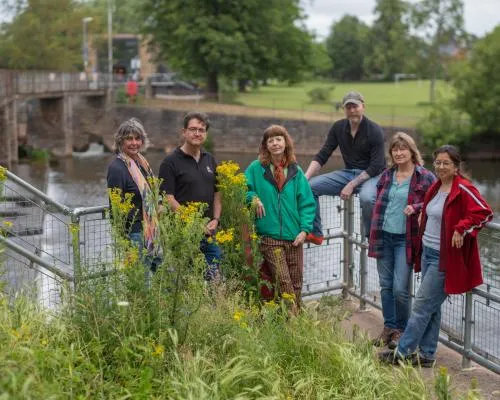 ‘Emotional and horrific’: volunteers ‘live’ as Somerset animals to study wildlife risks
People trained to experience world as otters, salmon and other River Tone creatures for pioneering research
-
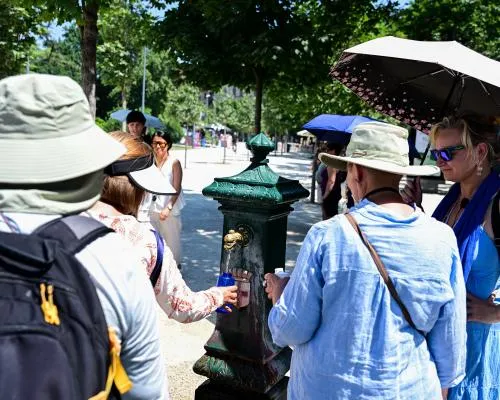 Tell us: how is the heatwave in the UK and across Europe affecting you?
From sleepless nights and overheated homes to disrupted work and caring responsibilities, we want to hear how the extreme heat is affecting your daily life
-
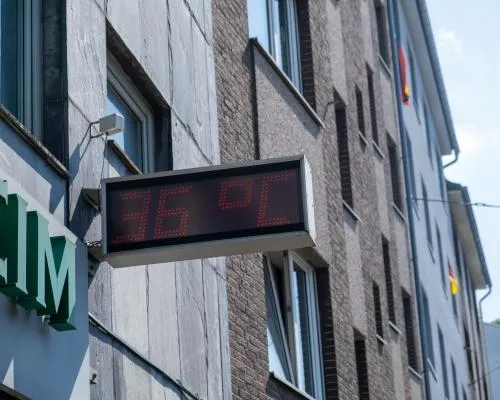 Weather tracker: Extreme heat in Europe as typhoon strengthens off Philippines
Eastern Europe to see temperatures above early July average into next week
-
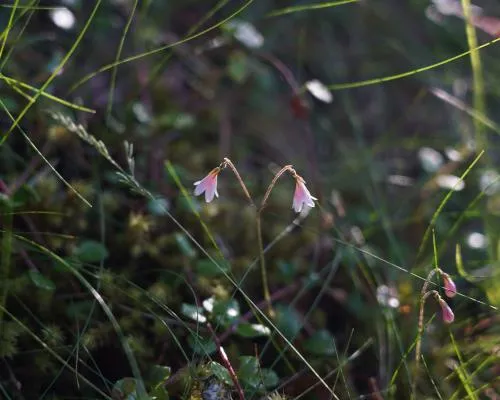 Country diary: Somewhere in the vast forest is a miniature one
Abernethy forest, Cairngorms: One of my favourite species, the tiny twinflower, does better in Scots pinewoods than most places in the UK. Now I just have to find some
-
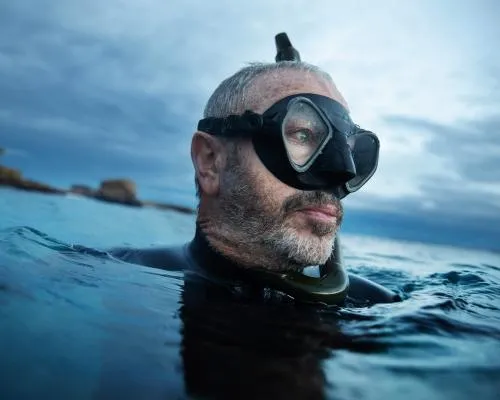 A spate of shark bites has Australian ocean lovers on edge. People want to know why they’re rising
Warming ocean temperatures mean sharks are spending more time in high-population areas, yet shark net data shows no significant changes in numbers
-
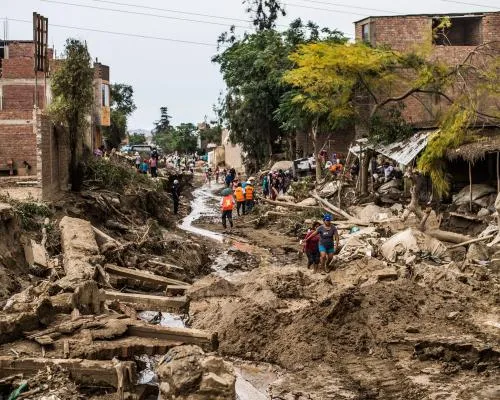 El Niño is back with a vengeance – and fears of ‘Godzilla’ strength may be the least of our worries
UN’s Word Food Programme and agriculture agency issue joint appeal for funds to avert global hunger crisis before it happens
-
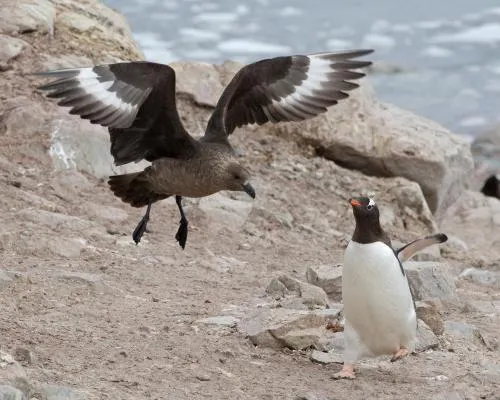 ‘A genuine wildlife emergency’: everything you need to know about the arrival of H5 bird flu in Australia
What is the virus? Where did it come from? Are humans at risk? What does it mean for the agricultural sector and wildlife? Experts answer your questions


