Why You Need a Vehicle Maintenance Plan: A Guide to Keeping Your Car in Top Condition
What is a Vehicle Maintenance Plan?
A vehicle maintenance plan is a detailed schedule that outlines the regular services and inspections your car needs over time to keep it running efficiently. This includes both routine maintenance tasks like oil changes and tire rotations, as well as more complex checks like brake inspections and timing belt replacements.
The goal of a vehicle maintenance plan is to ensure that your car operates safely, efficiently, and reliably by addressing potential issues before they become major problems. A good maintenance plan helps you stay on top of your car's needs and avoid costly, unexpected repairs.
Why Is a Vehicle Maintenance Plan Important?
Prevents Costly Repairs
- Regular maintenance can catch small issues before they turn into expensive problems. For example, ignoring a check engine light could lead to a major engine issue. But if you catch it early, a simple fix might suffice. Routine inspections also identify problems like worn-out brake pads, which can prevent accidents and costly repairs later on.
Increases Vehicle Lifespan
- A car that is well-maintained tends to last longer. By following a scheduled maintenance plan, you can extend the lifespan of your vehicle, ensuring it performs at its best for many years. This is especially important for those who plan to keep their car for an extended period of time or aim to protect their resale value.
Improves Safety
- Safety should always be a top priority when driving, and a vehicle maintenance plan helps ensure that your car is in safe operating condition. Regular checks on critical components such as brakes, tires, lights, and suspension systems reduce the risk of an accident.
Boosts Fuel Efficiency
- A well-maintained vehicle runs more efficiently, which translates to better fuel economy. For example, regularly changing your air filter, maintaining proper tire pressure, and using the right type of oil can all help your car achieve optimal fuel efficiency, saving you money at the pump.

Why You Need a Vehicle Maintenance Plan: A Guide to Keeping Your Car in Top Condition Enhances Resale Value
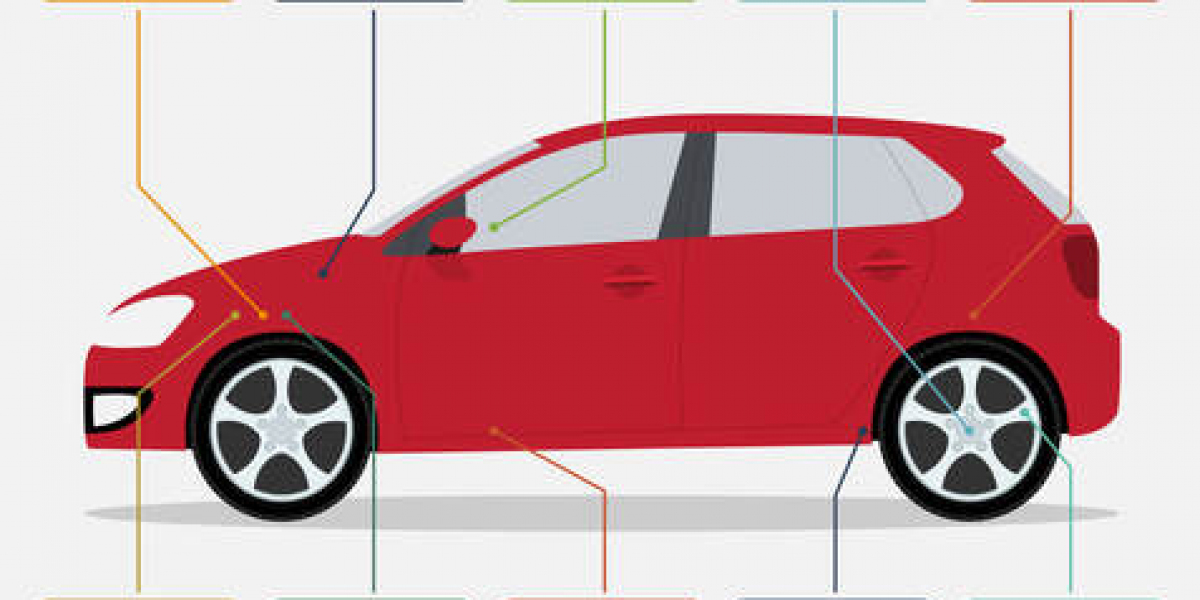
- When it’s time to sell or trade-in your vehicle, having a comprehensive maintenance record can increase its resale value. Buyers are more likely to pay a premium for a car that has been well-maintained and cared for over time.
Key Components of a Vehicle Maintenance Plan
A solid vehicle maintenance plan should cover a variety of tasks, depending on the age, make, and model of your car. Here’s a breakdown of the essential components that should be included in any comprehensive vehicle maintenance schedule:
Oil and Filter Changes
- Changing your oil regularly is one of the most important maintenance tasks for your vehicle. Fresh oil ensures the engine runs smoothly and reduces wear and tear. Most vehicles require an oil change every 3,000 to 7,500 miles, but always refer to your owner's manual for specific recommendations.
Tire Maintenance
- Tires are critical to your vehicle’s performance and safety. Regularly check tire pressure (at least once a month), rotate tires every 6,000 to 8,000 miles, and replace tires when the tread becomes worn. Proper tire maintenance ensures better handling, better fuel efficiency, and increased safety.
Brake Inspections
- Your brakes are essential for safe driving. A brake inspection should be part of your regular maintenance plan. Check brake pads, fluid levels, and the condition of the braking system every 12,000 miles or more often if you hear squeaking, grinding, or experience reduced braking power.
Battery Care
- Your vehicle’s battery should be checked every 6 months. Clean any corrosion around the battery terminals, and ensure the battery is properly charged. If your car’s battery is more than 3 years old, consider getting it tested to avoid getting stranded with a dead battery.
Fluid Checks
- Your car relies on several different fluids to function properly, including coolant, brake fluid, transmission fluid, and power steering fluid. Regularly check the levels and condition of these fluids, and top them off or change them as needed.
Air Filter Replacement
- A clogged air filter can decrease engine performance and fuel efficiency. Check the air filter every 12,000 miles and replace it as needed, particularly if you drive in dusty or polluted environments.
Belts and Hoses
- Belts and hoses help keep your engine and cooling system working properly. Over time, these components can wear out, crack, or become brittle. A periodic inspection will help identify any potential issues before they lead to serious engine problems.
Timing Belt Replacement
- A timing belt is crucial for synchronizing the engine’s functions. If the timing belt breaks, it can cause catastrophic engine failure. Many manufacturers recommend replacing the timing belt between 60,000 and 100,000 miles, but always refer to your car’s manual for specific guidelines.
Light and Wiper Checks
- Ensure that all your vehicle’s lights (headlights, brake lights, turn signals) are functioning properly. Also, inspect your windshield wipers regularly and replace them when they become streaky or ineffective, especially during rainy or snowy seasons.
Alignment and Suspension Checks
- Proper alignment ensures that your car’s wheels are straight and working efficiently. If you notice that your vehicle pulls to one side, or you experience uneven tire wear, it may be time for an alignment. Suspension components like shocks and struts should also be checked to ensure smooth handling.
How to Create Your Own Vehicle Maintenance Plan
Creating a vehicle maintenance plan doesn’t have to be complicated. Here are a few steps to get you started:
Refer to Your Owner’s Manual
- Your car’s manufacturer will provide a detailed schedule for maintenance tasks in the owner’s manual. Use this as a guideline to create a plan based on mileage intervals and time-based tasks.
Set Reminders
- Use a calendar, app, or your vehicle’s onboard reminder system to schedule maintenance tasks at the appropriate intervals. This will help you stay on track and avoid missing critical services.
Keep Detailed Records
- Track every maintenance task you complete, from oil changes to tire rotations. This will help you stay organized and provide a comprehensive history when it’s time to sell your car.
Consult a Professional Mechanic
- If you're unsure about the best plan for your vehicle, consult a trusted mechanic. They can provide guidance on specific tasks and intervals that are crucial for the longevity of your car.
Conclusion: The Importance of Staying Consistent
Having a vehicle maintenance plan in place is crucial for keeping your car in top condition. By staying on top of regular maintenance, you can prevent expensive repairs, increase your car’s longevity, and ensure that your vehicle runs safely and efficiently. Whether you choose to do the work yourself or take your car to a mechanic, the key is consistency.
Start creating your own vehicle maintenance plan today and enjoy the benefits of a well-maintained car—safe travels ahead!
Adam Smith
1 posts
-
Taxi và xe tải lao xuống ruộng sau cú tông trời giángLao tốc độ cao qua ngã tư, chiếc xe taxi tông thẳng vào đuôi xe tải phía trước rồi cả hai rơi xuống ruộng, hôm 19/6 tại Thanh Miện.
-

Có bị tính vượt đèn đỏ khi chờ ở làn rẽ trái không?Khi đến ngã tư đèn đang đỏ, nhưng làn chờ rẽ trái vẽ nối tiếp lên phía trước, tôi có được vượt qua vạch. (Tuấn Anh)
-
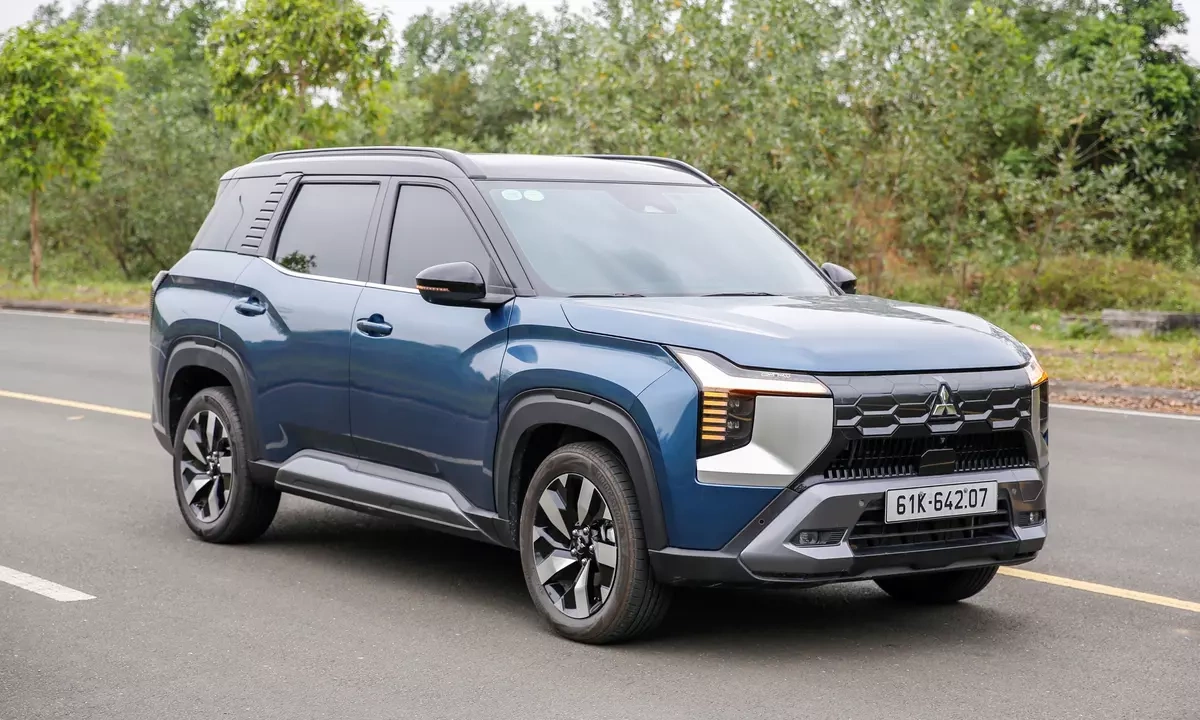
Những lựa chọn ôtô 7 chỗ cho gia đình đông con từ 1/7Quy định bắt buộc lắp ghế trẻ em từ 1/7 khiến nhiều khách hàng có nhu cầu lựa chọn MPV hay SUV 7 chỗ thay vì xe 5 chỗ.
-

Sếp Toyota: 'Một mẫu xe có quá nhiều phiên bản'CEO Kenta Kon cho rằng Toyota đang tạo ra quá nhiều biến thể của cùng một sản phẩm nên một số mẫu có thể bị loại bỏ.
-

Xe Toyota sẽ cắt giảm số lượng phiên bảnCEO Kenta Kon cho rằng Toyota đang tạo ra quá nhiều biến thể của cùng một sản phẩm nên một số mẫu có thể bị loại bỏ.
-
Audi triệu hồi e-tron, Q8 e-tron nghi lỏng bàn đạp phanhTổng 9 xe nằm trong đợt triệu hồi có thời gian sản xuất từ 2/2/2018 đến 11/6/2024 được nhập khẩu và phân phối chính hãng tại Việt Nam.
-

Xe con chuyển làn bị xe khách tông: ai sai?Bật xi-nhan, xe con chuyển sang làn đường sát dải phân cách thì xe khách lao tới.
-
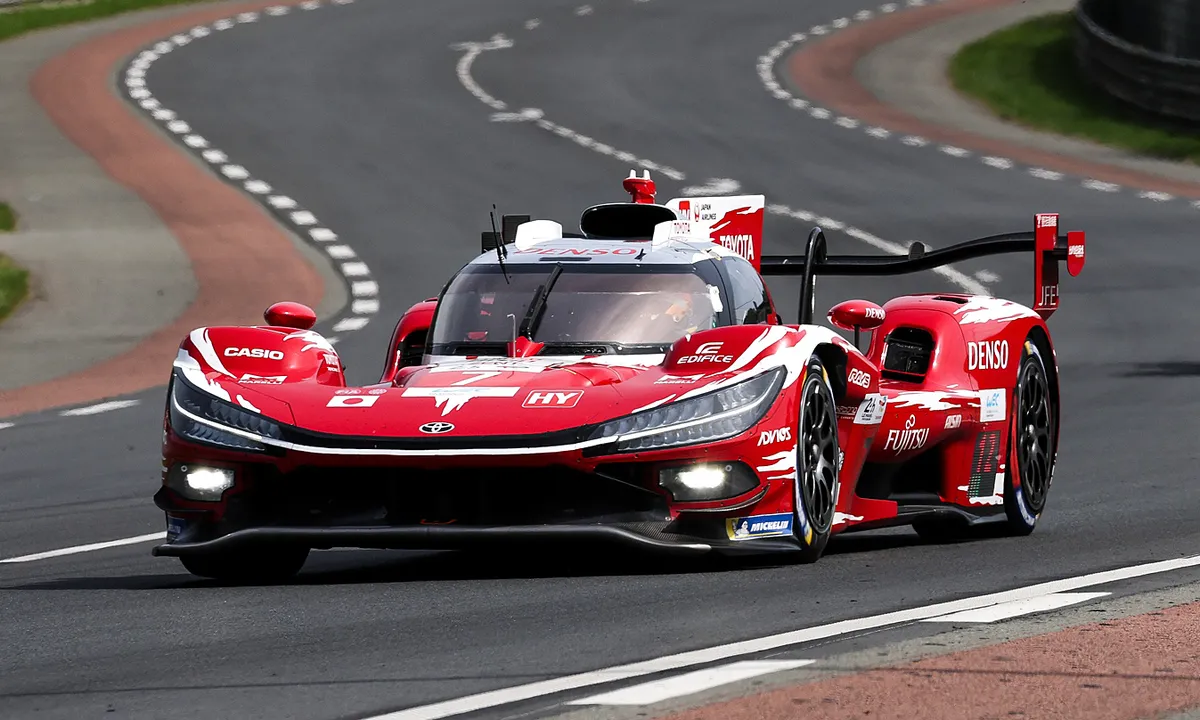
Toyota TR010 Hybrid - tinh hoa công nghệ của hãng xe NhậtMẫu xe đua hybrid sử dụng hàng loạt công nghệ vật liệu cùng động cơ hybrid để về đích nhanh nhất nhưng vẫn đảm bảo ổn định sau 24 giờ.
-

Thaco Auto và Stellantis mở rộng chiến lược đa thương hiệuSự kiện giới thiệu bộ đôi thương hiệu Jeep, Ram, hai dòng Peugeot 3008 và 5008 mới, xác lập cột mốc chiến lược trong quan hệ hợp tác Thaco Auto và Stellantis.
-
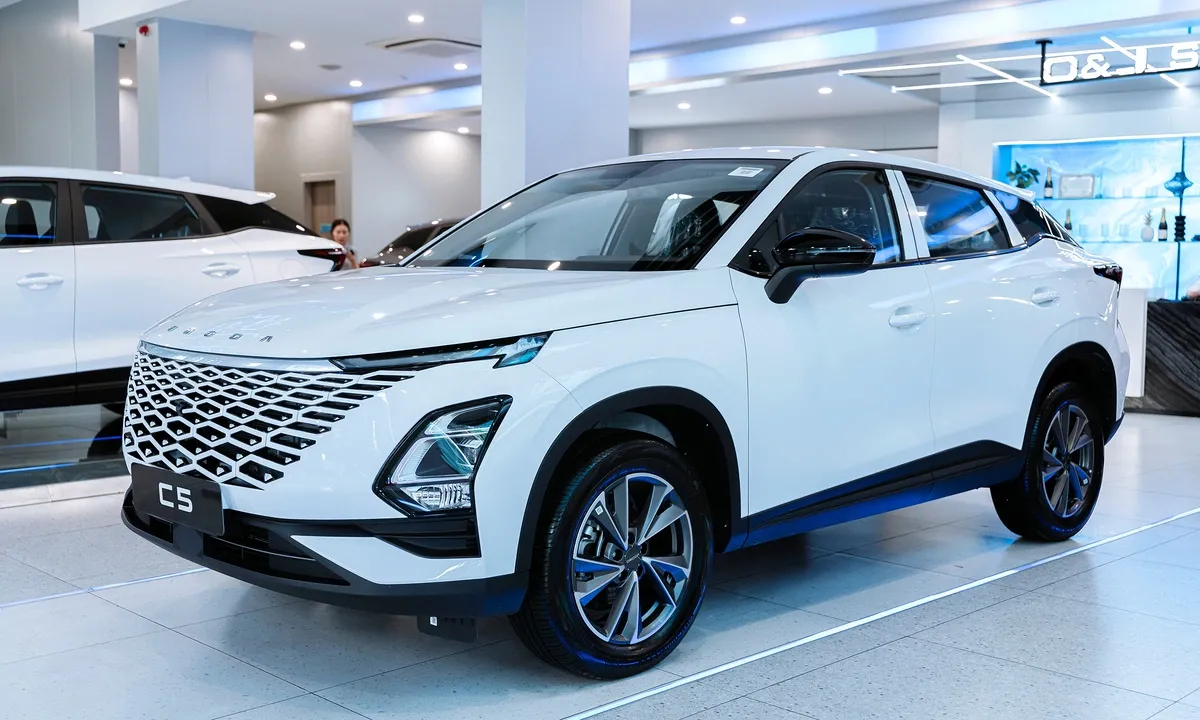
Omoda C5 thêm bản Sport giá 559 triệu đồngMẫu xe gầm cao cỡ B bổ sung lựa chọn cho khách hàng Việt, bản Sport mới trang bị nhiều tính năng.
-

Chờ đèn trước đầu xe tải, người phụ nữ bị cuốn vào gầmQuay ngang xe máy dừng chờ đèn đỏ trước đầu xe tải, khi đèn chuyển xanh, người đi xe máy gặp nạn.