
If you’re evaluating cloud analytics platforms and keep hearing about Microsoft Fabric, you’re not alone. Fabric brings data engineering, data warehousing, data science, real-time analytics, and Power BI together on OneLake—a unified, open data lakehouse. But is it right for you? At Doobs Data, we’ve guided organizations from pilots to production, and this guide pinpoints who benefits most from Microsoft Fabric for Cloud Analytics, when to consider alternatives, and what you’ll need to succeed.
If your business runs on Power BI and refresh jobs are your bottleneck, Fabric’s Direct Lake mode is a game-changer. Power BI reads Delta directly from OneLake—no heavy imports or flaky refresh pipelines.
Tired of stitching together a data lake, a separate warehouse, and multiple BI tools? Fabric collapses the stack.
3) Industries that are regulated and need governance that can be checked
Fabric bakes in cataloguing, lineage, labels, and security at the role/row level for the whole analytics lifecycle.
Use Eventstreams + KQL databases for streaming analytics, then surface KPIs in Power BI.
Fabric enables domain-oriented data products with shared governance via Purview and OneLake.
If you’re on SSIS, Azure Data Factory, or Synapse, Fabric shortens the path to a modern lakehouse.
Doobs Data runs pragmatic Fabric pilots focused on 2–3 high-value use cases, then scales patterns across domains:
Want a zero-fluff plan that shows value in weeks, not months? Let’s map your first Fabric wins.
It can be, but many small teams start with Power BI Pro and a simpler database. Fabric shines when you need governed self-service, multiple domains, or real-time analytics. Start small—Fabric scales as you do.
Fabric uses its own capacity SKUs (F-SKUs). If you have Power BI Premium, you can evaluate how Fabric capacity aligns with your workloads. Some organizations migrate to Fabric capacity to unify costs.
Yes. OneLake shortcuts can reference external storage so you can query without copying. You can also land data in OneLake for unified governance and performance.
T-SQL, Power BI modeling, and Spark/Delta basics go a long way. Add Purview governance, KQL for real-time analytics, and DevOps/FinOps practices for a durable operating model.
If you’d like an objective fit assessment tailored to your stack, Doobs Data can walk you through a decision workshop and pilot blueprint.

Dobbs Data
1Blog posts
-
 Website Developer In Karachi, Pakistan
Karachi is the commercial and business hub of Pakistan. With thousands of businesses competing online, the demand for a skilled website developer Karachi has increased significantly
-
 Web Design Pakistan | Professional Web Development Pakistan Services
Looking for expert web design Pakistan and web development Pakistan services? Discover how professional websites help businesses grow online with modern design
-
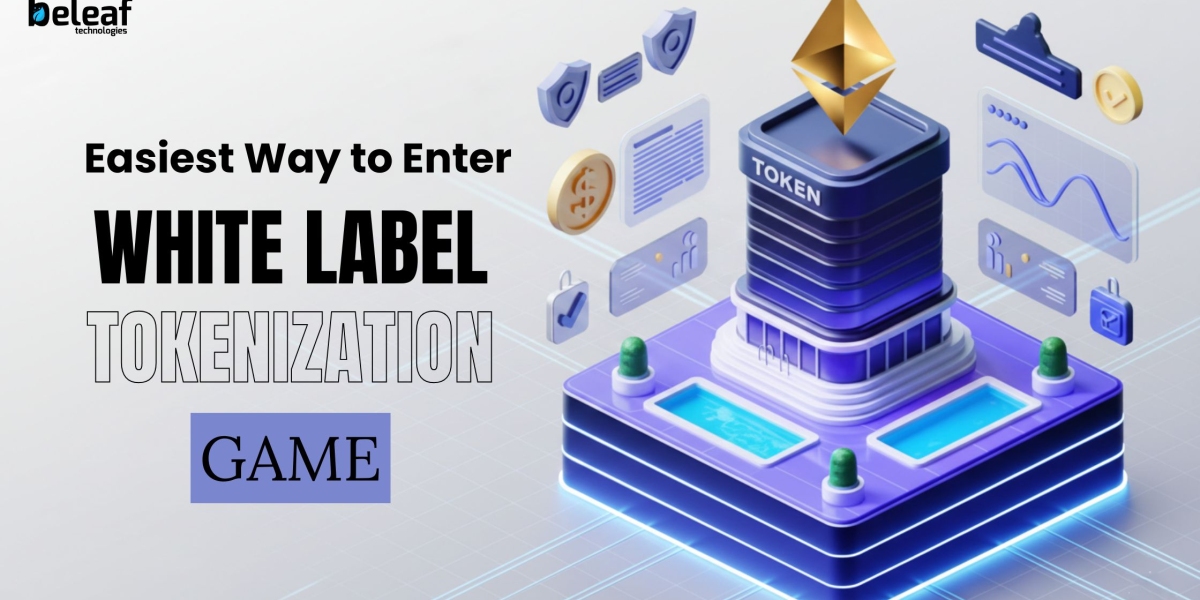 The Easiest Way to Enter the Tokenization Game? White Label Tokenization
It’s the “plug-and-play” way to launch your own tokenization platform without fighting with backend chaos, smart contract headaches, or compliance nightmares.
-
 Local SEO company in Atlanta
Choosing the right Local SEO company in Atlanta ensures your business benefits from specialized strategies that highlight your presence within your immediate market.
-
 Team of leading Mobile App Developers at DXB APPS for advanced mobile apps
Enjoy the best experience with DXB APPS, a top mobile app development company in Dubai that provides its services through professional mobile app developers. We are one of the best app development firms in Dubai specializing in the development of functional applications, scalable as well a
-
 How QuickBooks Simplifies Your Thanksgiving Business Accounting
Discover how QuickBooks simplifies Thanksgiving business accounting, saves time, and keeps finances smooth. Call +1-866-408-0444 for expert help.
-
 How to Plan a Successful Cloud Email Migration Without Data Loss
Learn how to perform a secure and smooth Cloud email migration without data loss. Follow our step-by-step guide to move your emails safely and efficiently.
-
 DXB APPS offers best App Development Dubai solutions by expert developers
DXB APPS offers advanced app development Dubai services that revolutionize businesses with cutting-edge digital technology. Our mobile app developers design feature-packed, scalable apps that achieve customer satisfaction and business expansion. Partner with DXB APPS, one of the best app d
-
 Team of leading Mobile App Developers at DXB APPS for advanced mobile apps
As the premier mobile mobile app development agency in the UAE, DXB APPS is the company that offers customized solutions to clients using the services of professional app developers in UAE. Being among the best-known application development agencies in Dubai, we are oriented to the develop
-
 DXB APPS is your ideal app development Dubai company for best apps
DXB APPS is a reliable app development Dubai company providing revolutionary digital solutions. We as an expert mobile application development company in Dubai design secure, scalable, and user-friendly apps.
-
 The Future of Fixed Income Lies in Tokenized Bonds!
real world asset tokenization. This innovation is turning conventional bonds into digital assets that are easier to trade, track, and invest in all through blockchain technology.


