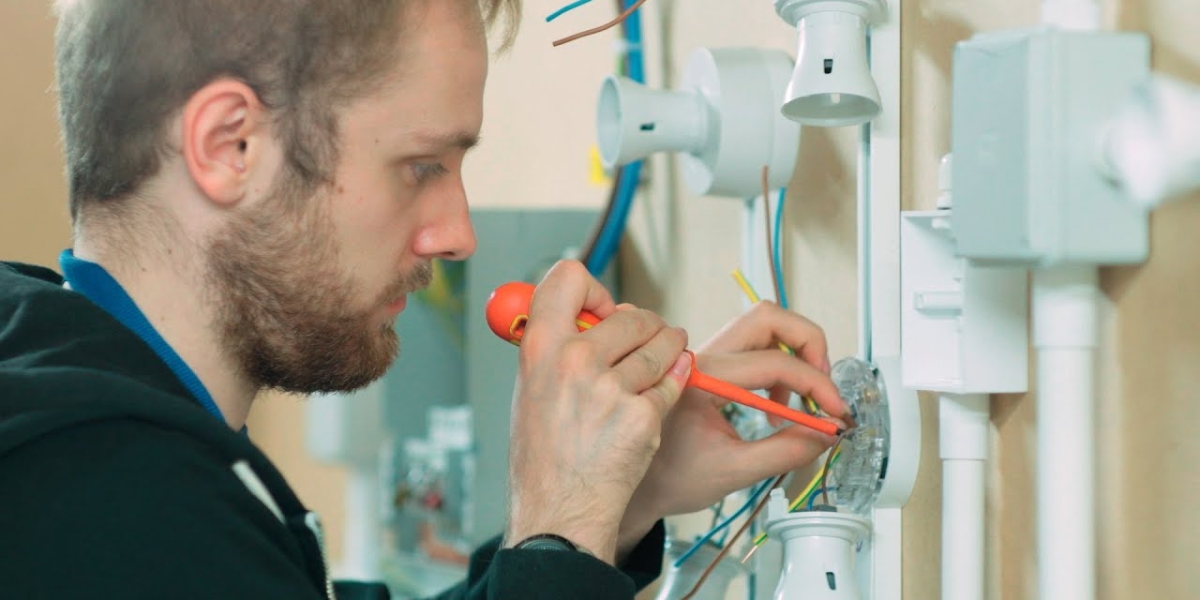
The demand for skilled domestic electricians in the UK has never been higher. With more households upgrading wiring, fitting EV chargers, adopting smart home systems, and improving overall electrical safety, the industry continues to open its doors to new learners and career changers. As a result, training centres like Elec Training have introduced multiple learning routes tailored to different experience levels and career goals. But the big question many learners ask is: What’s the Difference in Our Domestic Electrician Routes?
This article breaks down everything you need to know in a simple, human-friendly way. Whether you’re starting from scratch or you already have some experience, understanding these routes will help you choose the one that fits your pace, background, and ambitions. Platforms such as www.elec.training make this journey even smoother by offering guidance, structured learning, and flexible study options.
Not every learner enters the electrical industry with the same level of knowledge or confidence. Some people have never touched a tool before, while others may already be working in construction or a related trade. To address all these different starting points, training providers have developed separate tracks—or routes—to help learners gain the right skills in the most efficient way.
By offering multiple routes, Elec Training ensures that:
In the electrical sector, the route you choose ultimately shapes how quickly you become competent, confident, and employable.
This route is designed for people with little to no electrical experience. It gives learners a strong foundation in domestic electrical work and gradually builds your skills. If you are brand new to the trade, this route is your safest, most supportive starting point.
This path includes longer training sessions, more hands-on practice, and additional support to make sure you fully understand every concept before moving forward.
This route is perfect for people who already have some knowledge or practical background—perhaps through construction work, DIY experience, or assisting electricians in the past.
The content is similar to the beginner route but accelerated, focusing on:
The fast-track route gets you qualified quicker, but it assumes you’re comfortable with hands-on work.
This route is designed for learners who want the full package—everything they need to become a competent, confident domestic electrician able to work safely, independently, and professionally.
This is the most comprehensive route.
This route gives you the strongest career outlook and the broadest skillset.
Some learners are already qualified or near-qualified but want to add specialist skills to boost their career opportunities. Specialist add-ons may include:
Training providers like Elec Training offer these modules to help domestic installers expand their services and increase their earning potential.
The biggest differences among the routes come down to
Beginner routes start with the basics; advanced routes dive deep into technical skills.
Beginner routes take longer, while fast-track and professional routes speed up the process.
Beginners don’t need any experience, while fast-track routes expect some familiarity.
Professional routes offer the complete set of skills needed for domestic work.
Some learners just want to gain basic competence, while others want to build full-time electrician careers.
Electrical training isn’t something to rush. Choosing the right route determines your confidence, safety, and future success. No one wants to be on a job feeling unsure about wiring or testing—it puts both the installer and customer at risk.
This is why proper guidance from experienced trainers is crucial. As Charanjit Mannu, Director at Elec Training, warned,
“Picking the wrong route can slow your progress or leave you without the essential skills needed to work safely in domestic environments.”
That’s why learning platforms like Elec Training and resources on www.elec.training help you understand your starting level and provide support in choosing the most suitable path.
Here’s a quick summary to help you pick:
The domestic electrical industry is one of the most rewarding fields to enter today, offering long-term job security, consistent demand, and excellent earning potential. But your journey starts with choosing the right training route—one that matches your level of experience and your career goals.
Whether you’re a complete beginner or someone looking to specialise, Elec Training and the resources available through www.elec.training give you all the tools, support, and structure you need to succeed. With expert guidance, practical learning, and flexible pathways, you can confidently build your future as a skilled domestic electrician.

Dorris Williams
9Blog posts
-
 Bộ Tài chính: Chưa đủ căn cứ áp thuế thu nhập với mua bán vàng miếng
Bộ Tài chính cho biết chưa đủ căn cứ áp thuế thu nhập cá nhân với mua bán vàng miếng, vì cần chờ cấp có thẩm quyền thông qua đề án lập sàn giao dịch vàng.
-
 Giá vàng miếng xuống thấp nhất từ đầu năm
Các thương hiệu bán ra vàng miếng quanh mức 156,5 triệu đồng một lượng, thấp nhất từ kể từ đầu năm.
-
 Thủ tướng: Sớm đưa các dự án năng lượng trọng điểm vào hoạt động
Thủ tướng Lê Minh Hưng yêu cầu Bộ Công Thương sớm đưa các dự án năng lượng trọng điểm vào hoạt động, trong bối cảnh thời tiết diễn biến bất thường, nhu cầu điện tăng.
-
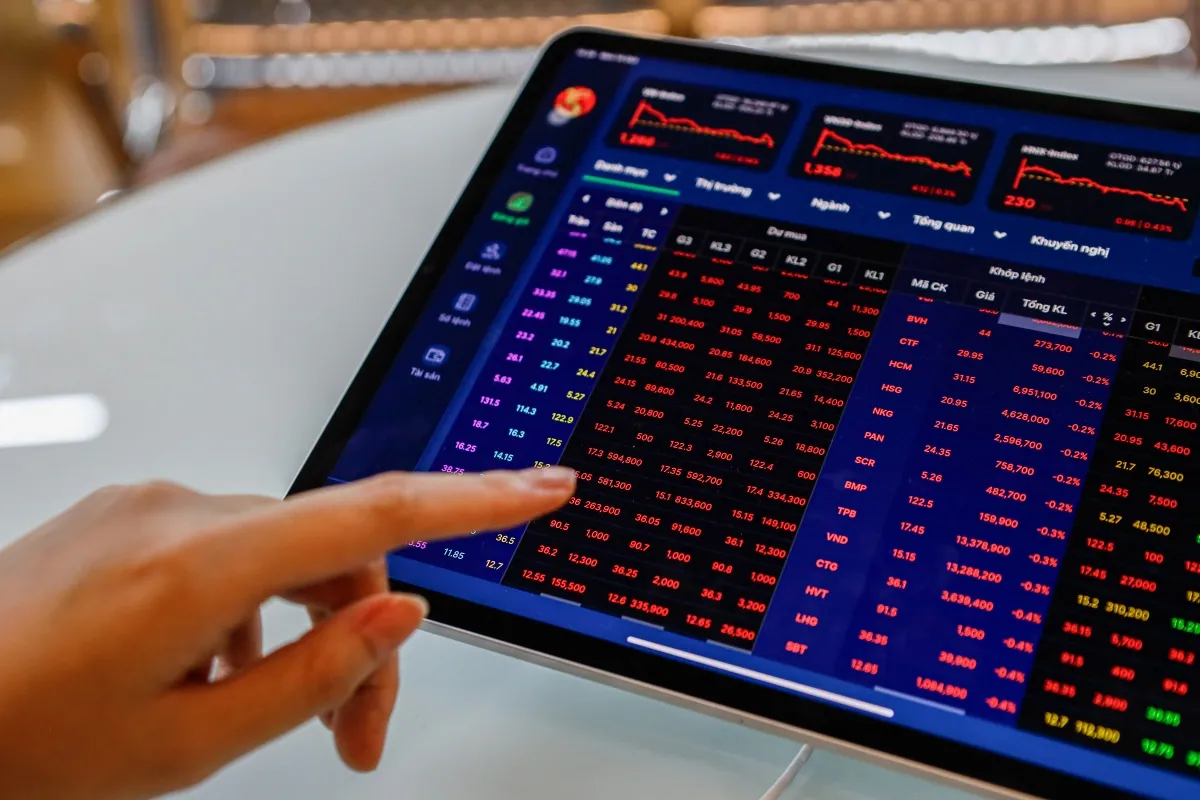 VN-Index chưa cắt chuỗi giảm sâu
VN-Index giảm liên tục 7 phiên và có lúc thủng mốc 1.800 điểm do áp lực xả hàng tập trung vào một số cổ phiếu trụ.
-
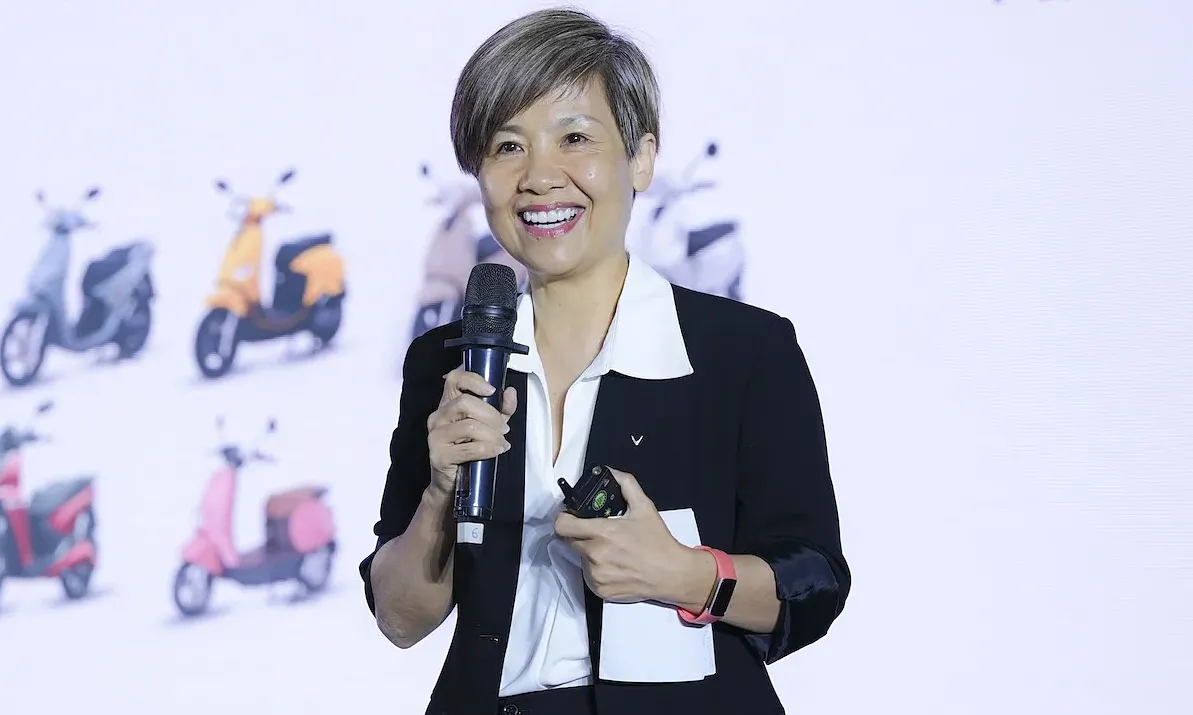 Công ty sở hữu mảng sản xuất của VinFast có Chủ tịch mới
Bà Thái Thị Thanh Hải được bầu làm Chủ tịch của VFTP, doanh nghiệp sở hữu mảng sản xuất cùng hai nhà máy của VinFast tại Việt Nam.
-
 Có nên bán vàng để dành mua nhà khi giá giảm mạnh?
Theo chuyên gia, vàng là tài sản phòng vệ nhưng không tuyệt đối, nên có thể bán bớt một phần để tránh ảnh hưởng kế hoạch mua nhà năm sau.
-
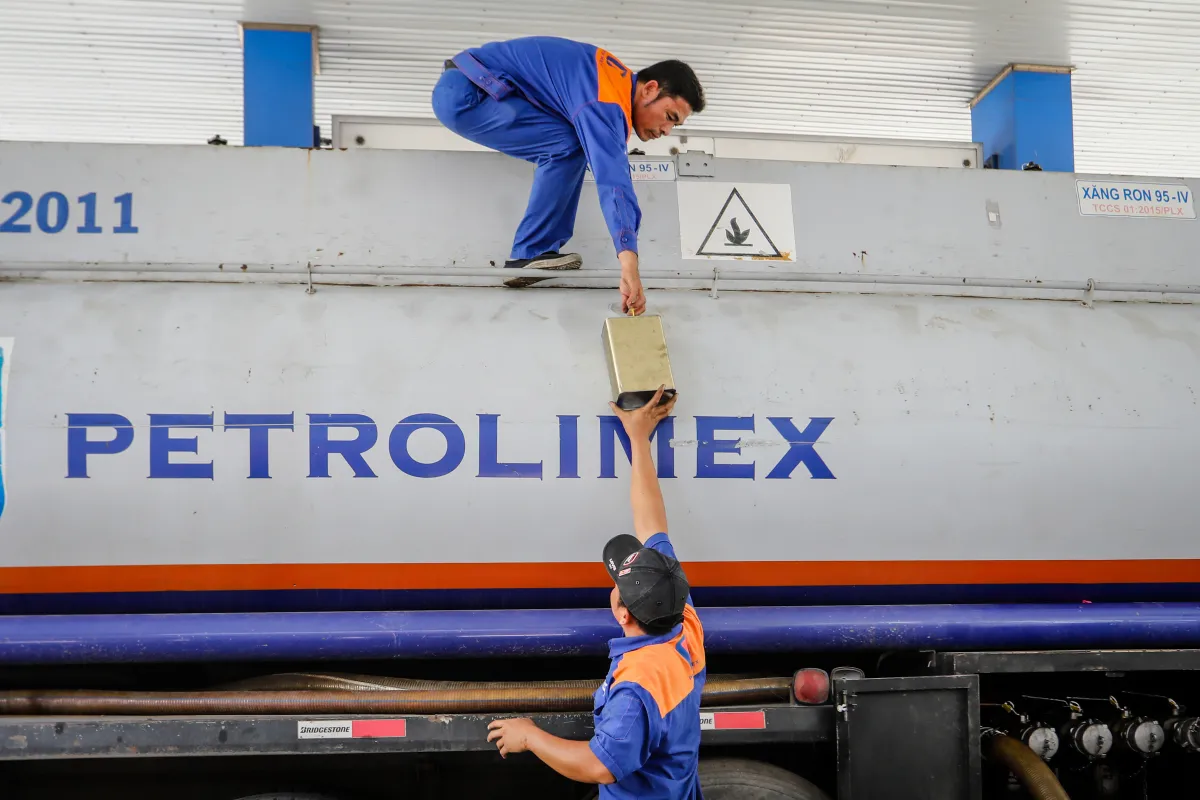 Petrolimex tính bán toàn bộ cổ phiếu quỹ
Hội đồng Quản trị Tập đoàn Xăng dầu Việt Nam (Petrolimex) thống nhất chủ trương bán hết 23,28 triệu cổ phiếu quỹ để đáp ứng điều kiện công ty đại chúng.
-
 Bộ Công Thương sẽ kiểm tra đột xuất cây xăng về chất lượng xăng E10
Thứ trưởng Công Thương Nguyễn Sinh Nhật Tân cho biết Bộ sẽ kiểm tra đột xuất doanh nghiệp để đảm bảo chất lượng xăng E10 từ sản xuất, phối trộn, tới bán ra thị trường.
-
 Sản xuất ở TP HCM tăng cao nhất 5 năm
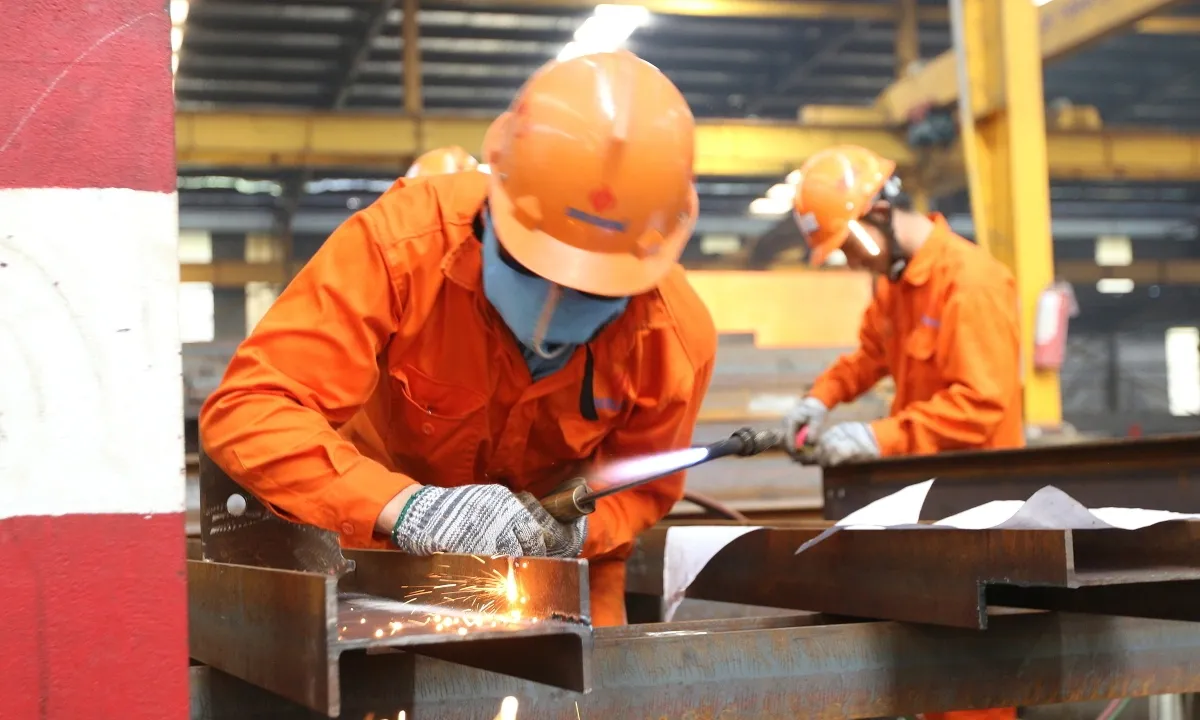
Chỉ số sản xuất công nghiệp (IIP) nói chung và riêng công nghiệp chế biến - chế tạo của TP HCM 5 tháng đầu năm tăng nhanh nhất kể từ 2021.
-
 Giá căn hộ TP HCM vượt nhà liền thổ, chạm mốc 190 triệu đồng mỗi m2
Mặt bằng giá căn hộ khu vực trung tâm TP HCM tiếp tục lập đỉnh, đạt trung bình khoảng 190 triệu đồng mỗi m2, vượt phân khúc nhà liền thổ, theo Cushmanamp;Wakefield.
-
 SpaceX có thể giúp Elon Musk sở hữu 1.000 tỷ USD
Công ty hàng không vũ trụ SpaceX dự kiến làm IPO tuần tới, có thể giúp tài sản của Elon Musk, người giàu nhất thế giới, tăng cao.


