
What to Do After a Tooth Extraction?
Introduction
Tooth extraction is a common dental procedure done for many reasons, such as severe decay, gum disease, overcrowding, or injury. But proper care after tooth extraction is important to ensure a quick recovery and avoid complications such as dry socket or infection. This guide provides basic aftercare procedures to be followed after tooth extraction.
Immediate Aftercare (First 24 Hours)
1. Control Bleeding
Chew on the gauze pad that your dentist put on for a minimum of 30–45 minutes.
In case bleeding persists, take out the gauze and put in a new one, and chew gently.
Don't spit a lot or rinse hard, as it can remove the blood clot and cause a delay in healing.
2. Reduce Swelling and Pain
Hold an ice pack outside your cheek for 10–15 minutes at one time.
Use painkillers as instructed by your doctor or over-the-counter medication.
Avoid lying flat—keep your head higher to minimize swelling.
3. Rest and Stay Away from Physical Activity
Avoid strenuous activity or exercise for a minimum of 24 hours.
Let your body heal by resting well.
Eating and Drinking Guidelines
Foods to Eat:
Soft foods such as yogurt, mashed potatoes, scrambled eggs, soups, and smoothies.
Cool or lukewarm foods that do not bother the extraction area.
Foods to Avoid
Hard, crunchy, or sticky foods that have the potential to disrupt the blood clot.
Spicy or acidic food that might irritate.
Hot liquids, alcohol, and fizzy drinks, as they can retard healing.
Oral Hygiene After Extraction
First 24 Hours:
Do not brush around the extraction area.
Do not rinse forcefully with mouthwash.
After 24 Hours:
Gently rinse with warm salt water (1/2 teaspoon of salt in a cup of water) several times a day.
Resume normal brushing and flossing, but avoid direct contact with the extraction area.
Things to Avoid
Smoking or Vaping: Do not smoke or vape for at least 72 hours to avoid dry socket.
Using a Straw: The suction can loosen the blood clot and cause complications.
Touching the Wound: Do not poke the area with your tongue or fingers.
Signs of Complications
If you notice the following, seek immediate dental attention:
Persistent or heavy bleeding after 24 hours.
Severe pain that gets worse rather than better.
Swelling that gets worse after three days.
Infection signs, like fever, pus, or a bad odor from the extraction area.
Dry socket symptoms, like severe pain that shoots to your ear or jaw.
Long-Term Healing Tips
Drink plenty of water and have a balanced diet to facilitate healing.
Continue to practice good oral hygiene to avoid infection.
Follow up with your dentist as advised.
Conclusion
Sincere aftercare procedures after tooth removal are crucial for a painless recovery. Adhering to these tips—managing pain, oral hygiene care, and averting harmful practices—you can guarantee speedy and complication-free healing. Should you observe any unusual symptoms, contact your dentist at once to prevent complications.

Alyssa Healy
1 posts
-
 How Women Long Sleeve Hoodies Redefine Tactical Streetwear Fashion
Women Long Sleeve Hoodies have transformed from simple wardrobe essentials into defining pieces of tactical streetwear fashion. Their evolution reflects a broader shift in how clothing is perceived—not just as a necessity, but as an extension of personality and lifestyle.
-
 Elevate Your Health with Natural Therapies in Oceanside
Discover natural healing at an Acupuncture Clinic Oceanside and a trusted Holistic Wellness Center Oceanside for stress relief, pain management, and total wellness.
-
 Get 10% Off Reliable ED Medicines with Medsvilla Special Deal
These medicines are commonly prescribed and widely used for managing ED symptoms effectively when used under proper medical guidance.
-
 How to Get a Hydrocodone Prescription
Online via Telehealth (Safe & Legal Guide)This guide explains how to safely and legally get a hydrocodone prescription via telehealth,
along with key legal rules and safety precautions. -
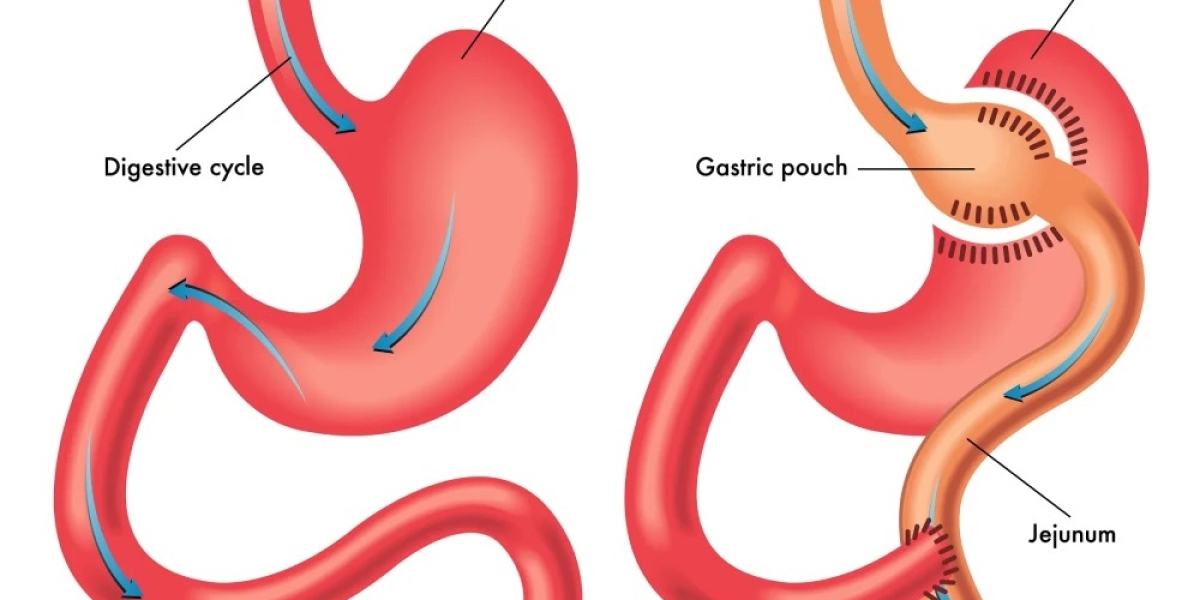 Transform Your Health with Advanced Surgical Solutions in Houston
Invest in your future. Choose Houston. Choose life-changing care.
-
 Unlocking Wellness: Functional Lab Testing & Nutraceutical Care in Columbia
Your path to balance, vitality, and healing starts here.
-
 How Modern Medical Equipment in Train Ambulance Ensures Patient Stability
Discover how advanced ICU equipment in Train Ambulance Service in Patna ensures patient stability during long-distance transfers with ventilators, monitors & expert care.
-
 Women’s Testosterone Dosage: What You Should Know
Testosterone isn’t just for men — it’s also a key hormone for women. When balanced properly, it supports energy, mood, muscle tone, mental clarity, and sexual wellness.
-
 Safe Anavar Purchase Tips: A Detailed Guide
Anavar is a top choice for people looking to build lean muscle, improve strength, and maintain a defined physique.
-
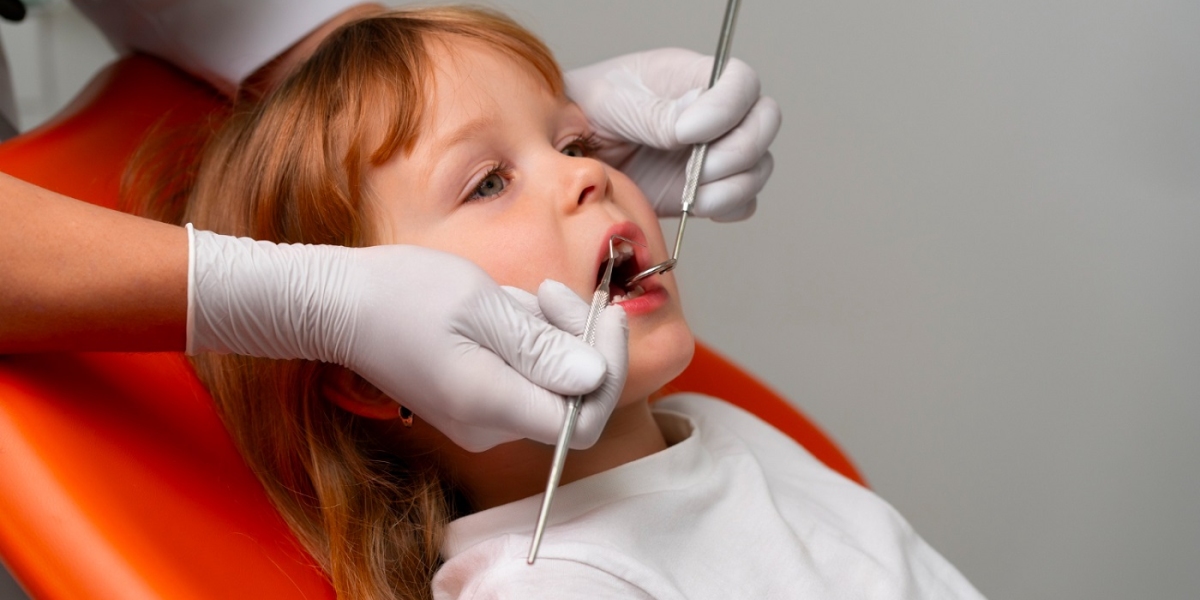 Book Your Appointment for a Pediatric Dentist Today
Quite rightly so, the early establishment of a "dental home" is the best way to monitor your child's development in a continuous and proactive manner. Finding an excellent pediatric dentist in Dubai should top your list if you seek great specialised attention for your chi
-
 Anti-Aging Hair Products Market Advancing Through Hair Pigment Preservation And Gray Hair Reversal Innovations
Explore melanin-boosting ingredients, pigment-stabilizing antioxidants, nutraceutical integration, and sustainable practices driving innovation and consumer adoption in the anti-aging hair products market for youthful, vibrant, and resilient hair.


