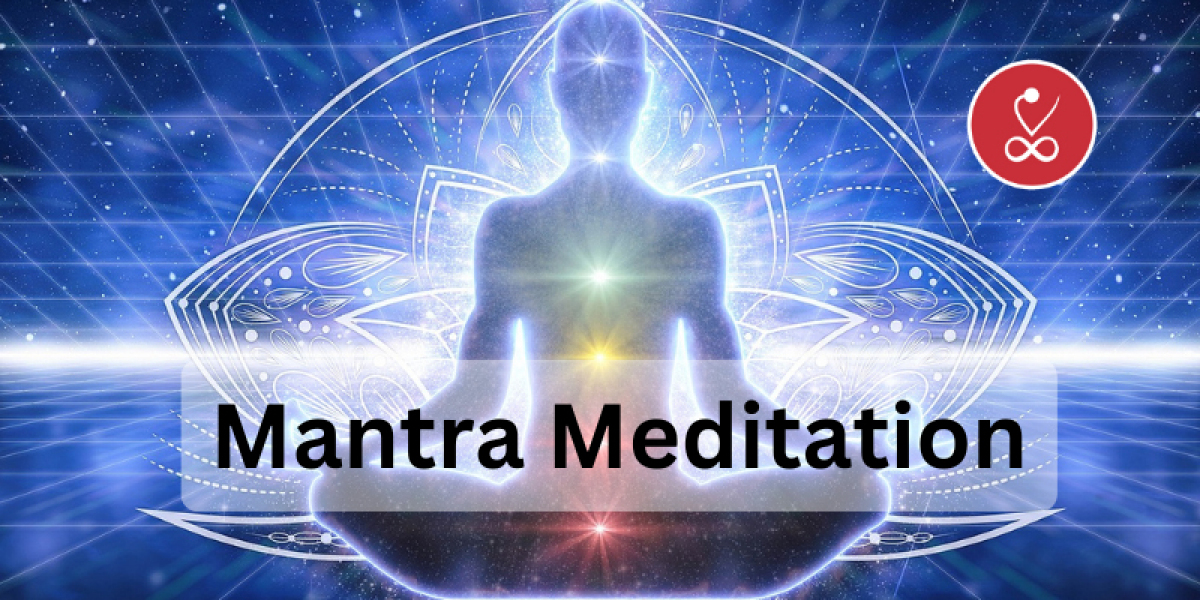
Mantra meditation is more than a practice—it’s a gateway to inner peace, self-discovery, and heightened awareness. At its core, meditation involves the repetition of a specific sound, word, or phrase, known as a mantra, to focus the mind and quiet mental chatter.
This ancient technique has roots in spiritual traditions worldwide, yet it transcends religion, offering a universal approach to mindfulness and tranquility. Unlike other forms of meditation that might focus solely on breath or bodily sensations, meditation works with sound vibrations to calm the mind and energize the soul.
The History of Mantra Meditation
Roots in Ancient Traditions
The origins of mantra meditation stretch back thousands of years, deeply embedded in the Vedic traditions of ancient India. It was a cornerstone of yogic practices, used not just for mental clarity but for spiritual ascension. Mantras like Om or Gayatri have been chanted for centuries, their resonance believed to align practitioners with the universal consciousness.
Connection to Yoga and Spiritual Practices
Mantra meditation isn’t just a practice; it’s a bridge between the physical and spiritual realms. Yogis of ancient times integrated mantras into their practices to deepen their meditative states, enhance concentration, and access higher planes of consciousness. Today, its relevance remains intact, serving as a tool for spiritual seekers and modern-day practitioners alike.
How Does Mantra Meditation Work?
The Science Behind Sound and Vibration
The power of Mantra meditation lies in the vibrations of sound. Science has shown that sound frequencies can impact our brainwaves, guiding us into deeper states of relaxation and focus. When we chant a mantra, the vibrations stimulate the brain, reducing stress and promoting a sense of calm.
The Role of Repetition
Repetition is the secret sauce of meditation. By consistently repeating a mantra, the mind gradually detaches from distractions, creating space for introspection and peace. It’s like training the mind to dance to the rhythm of stillness.
Benefits of Mantra Meditation
Physical Benefits
Mantra meditation isn’t just for the mind—it also rejuvenates the body. Regular practice can lower blood pressure, improve sleep quality, and enhance overall well-being.
Mental Clarity and Emotional Stability
Feeling overwhelmed? Meditation can help. By calming the storm of thoughts, it fosters mental clarity and emotional balance, helping you tackle life’s challenges with grace.
Spiritual Growth
For those on a spiritual journey, meditation acts as a guiding light, deepening the connection with the self and the universe.
Choosing Your Mantra
What Is a Mantra?
A mantra is more than just a word or sound—it’s a vessel of intention. It could be a sacred phrase like Om Namah Shivaya or a personal affirmation like “I am enough.”
Popular Examples
- Om – Represents universal consciousness.
- So Hum – Translates to “I am that,” emphasizing oneness.
- “Peace” – Simple, yet powerful.
Personalizing Your Practice
Choose a mantra that resonates with your heart. It should feel natural and inspire you to practice regularly.
Preparing for a Mantra Meditation Session
Setting the Environment
Create a space that exudes calm. Dim lighting, a comfortable cushion, and perhaps a candle or incense can set the mood.
The Right Posture
Sit with a straight back, either on the floor or a chair, ensuring comfort without slouching.
Tools and Accessories
Optional tools like mala beads can enhance your practice by giving you a tactile focus as you chant.
Step-by-Step Guide to Practicing Mantra Meditation
- Choose a quiet place where you won’t be disturbed.
- Set your intention for the session—be it relaxation, clarity, or spiritual growth.
- Sit comfortably, close your eyes, and take a few deep breaths.
- Repeat your mantra either aloud or silently, letting the sound guide your mind.
- Continue for 10–20 minutes, gently returning to your mantra whenever the mind wanders.
Common Myths About Mantra Meditation
Myth 1: It’s Only for the Spiritually Inclined
Mantra meditation is for everyone, regardless of religious or spiritual beliefs.
Myth 2: It Requires a Lot of Time
Even five minutes a day can make a difference.
Myth 3: It’s Difficult to Learn
Meditation is one of the simplest forms of meditation, accessible to beginners and experts alike.
Mantra Meditation for Stress Relief
Stress can feel like an uninvited guest that overstays its welcome. Meditation helps by calming the nervous system and reducing cortisol levels. The rhythmic repetition of a mantra acts as an anchor, pulling you out of the storm of stress and into the eye of peace.
Enhancing Focus and Concentration
In a world of distractions, meditation is a superpower. Regular practice improves focus, sharpens concentration, and boosts productivity.
Mantra Meditation and Spirituality
Meditation bridges the gap between the mundane and the divine, helping practitioners tap into a higher consciousness. Whether or not you’re religious, it can deepen your connection to life’s mysteries.
FAQs on Mantra Meditation
- What is a mantra?
A mantra is a sound, word, or phrase used to focus the mind during meditation. - Can anyone practice mantra meditation?
Absolutely! It’s suitable for all ages and backgrounds. - Do I need to chant aloud?
No, silent repetition is just as effective. - How long should I meditate?
Start with 5–10 minutes and gradually increase as you feel comfortable. - Do I need a teacher to learn?
While guidance can help, it’s not necessary. - What if my mind wanders?
It’s natural. Gently bring your focus back to your mantra.
Conclusion
Mantra meditation is a profound practice that nurtures the body, mind, and spirit. Whether you’re seeking stress relief, spiritual growth, or mental clarity, this ancient technique has something to offer. So, why wait? Begin your journey today and discover the transformative power of meditation.

Sachin Gupta
8 posts
-
 Misan Harriman to step down as chair of Southbank Centre
Harriman, accused by Telegraph of sharing conspiracy after Golders Green attack, says he had decided ‘way before this madness’ to stand down
-
 UK’s museums and galleries left vulnerable to cyber-attack and theft, MPs warn
Report by Commons committee says government has failed to make concrete changes after recent security failures
-
 Jon Stewart on Trump and Middle East: ‘Iran is a circumcision away from becoming Israel’
The late night host slammed the US peace deal with Iran, discussed JD Vance’s snub by leaders and the ‘Mountain Dew green’ reflecting pool
-
 Quantum of Solace: a heartbroken James Bond is fuelled by rage in Daniel Craig’s most underrated 007 film
The sequel to Casino Royale was plagued by a writers’ strike, but its shaky-cam style and erratic action aligns perfectly with our hero’s fractured state of mind
-
 The Guide #247: Does World Cup fever leave you in a cold sweat? Here’s how to escape the footie
Are you indifferent to office sweepstakes and bored by endless stats? Fear not – there’s a bounty of film, TV and music being released this summer to take your mind off the on-pitch action
-
 ‘Guys would think I was a girl then get aggressive when they found out my name was Brian’: how Placebo made Nancy Boy
‘I thought I could regain some power by writing a celebration of debauchery that was so brazenly sexual it would infuriate the people who insulted me’
-
 Heather Mitchell: ‘I got the biggest reaction for playing Donald Trump – but I really enjoyed playing Bill Clinton’
The stage and screen actor on her annoyingly nice co-star Hugo Weaving, her talent for toast art, and the time a tarot reader said she’d ruin her husband’s life
-
 David Guetta and Sia’s song Titanium got me through my fertility treatment
Hearing their in-your-face banger was a turning point for me – and I’ve never looked back
-
 From Toy Story 5 to The Bear: your complete entertainment guide to the week ahead
Pixar’s enduring animated favourites battle a rogue tablet, and Disney’s anxiety-inducing kitchen drama returns for a final series
-
 The Guide #247: As the Wombles stage their latest comeback, what sort of country are they returning to?
In this week’s newsletter: The last time they were a British screen staple was the mid-90s. Once a genuine cultural phenomenon, the Wombles could be successfully resurrected – or derided as woke
-
 Jennifer Siebel Newsom’s new film shines a light on the human cost of unregulated social media
California first lady’s Miss Representation: Rise Up studies the backlash against women in the era of algorithms and deepfakes


