By Joanna Partridge • June 10, 2026 • Business
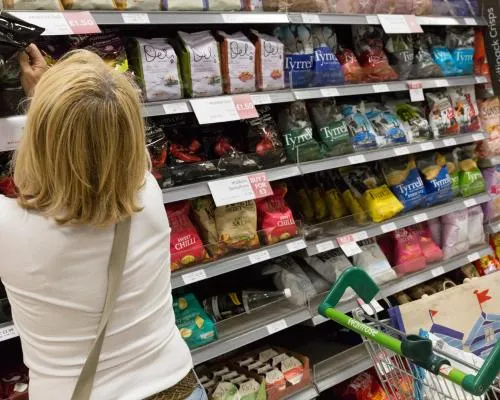
New research suggests GLP-1 users are buying fewer snacks and treats such as crisps and chocolate
Weight-loss drugs are saving users’ households more than £400 a year on grocery bills, according to a survey, which found use of GLP-1s has nearly tripled in the past two years to 1.9 million adults. More than 6.3% of households in Great Britain now include at least one GLP-1 user, according to the research by Worldpanel by Numerator. This marks a sharp rise from 4.1% of households in 2025 and 2.3% in 2024. The research showed that in the year after starting taking the drugs, households with at least one GLP‑1 user spent £780m less on groceries than expected compared with similar households. The increase in use of medications such as Mounjaro and Wegovy is also having an impact on grocery spending, according to a survey of more than 11,600 households, as GLP-1 users buy less food at the supermarket. Grocery spend by households that include a weight loss jab user has declined by £780m, with 299m fewer items bought during February, when the analysis took place. This equates to a £418 drop in grocery spending for user households compared with non-user ones. More than half (52%) of GLP-1 users described their approach to eating as “mindful”, with their food consumption guided by hunger rather than habit, routine or restriction. More than half (54%) of weight loss jab users said they experienced fewer cravings and less “food noise”, while one in 10 (11%) users said they no longer enjoyed their usual favourite foods or drinks. GLP-1 users said they were cutting back on treats: three-quarters (75%) ate less chocolate and a similar number (72%) reduced their consumption of crisps. The survey found this claim was supported by their shopping habits, as chocolate confectionery spend fell by 18 percentage points more in GLP-1 user households compared with non-user households. The change in eating habits among GLP-1 users was not confined to the home. Two-fifths (40%) of people taking weight-loss drugs said they wanted to see smaller portion sizes on restaurant menus, while more than a quarter (26%) requested a GLP-1-friendly section of the menu to choose from when eating out. A common side-effect of weight loss jabs, a dry mouth and bad breath – known as “Ozempic mouth” – drove some users to buy more mouthwash and chewing gum to counter this, with sales up 20 percentage points and 24 percentage points respectively in GLP-1 user households compared with non-user households. Chantel Kennaugh, head of public sector and nutrition GB for Worldpanel by Numerator, said: “What was once a specialised treatment, primarily prescribed for type 2 diabetes, has in just a few short years become a mainstream force. Now, 68% of users are taking GLP-1s specifically to lose weight, opening them up to a much wider audience. “These drugs are fundamentally disrupting how people engage with food and drink, with ripple effects already being felt across grocery and lifestyle, forcing brands and businesses to adapt at pace.” Some retailers have already begun to offer products specifically targeted at consumers taking weight loss jabs. Marks & Spencer introduced a range of “nutrient-dense” food at the start of the year, aimed at customers who are eating less, and the online supermarket Ocado has created a virtual “weight management” aisle. Price has re-emerged as the primary barrier to taking the medication, Worldpanel found, with two-fifths (41%) of users reporting stopping in 2026 because of the cost.
Source: The Guardian

Business Daily
53 posts
-
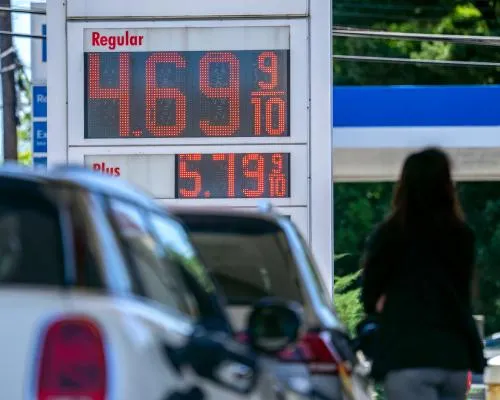 US inflation jumped to 4.2% in May, the third consecutive increase since start of Iran war
Before the conflict began, inflation was at 2.4%, but the closure of the strait of Hormuz has affected energy prices
-
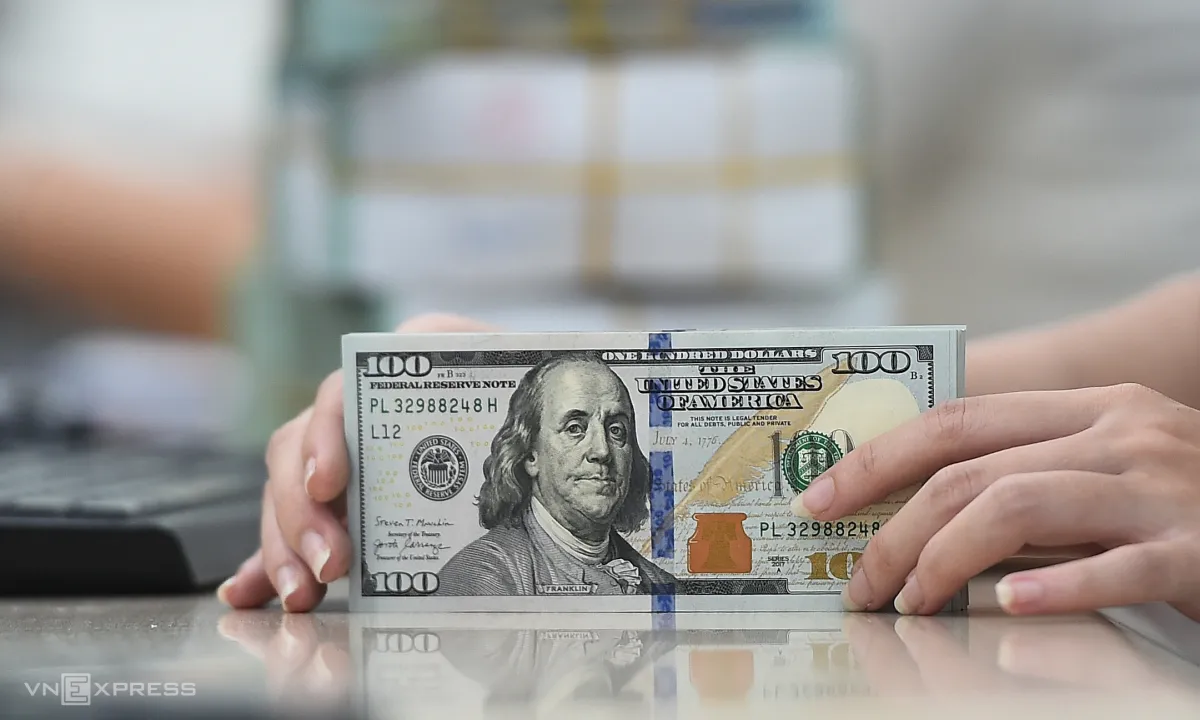 Giá USD tự do về thấp hơn ngân hàng
Giá USD tại các ngân hàng hôm nay nhích nhẹ lên mức trần 26.410 đồng, cao hơn so với đôla Mỹ giao dịch trên thị trường tự do.
-
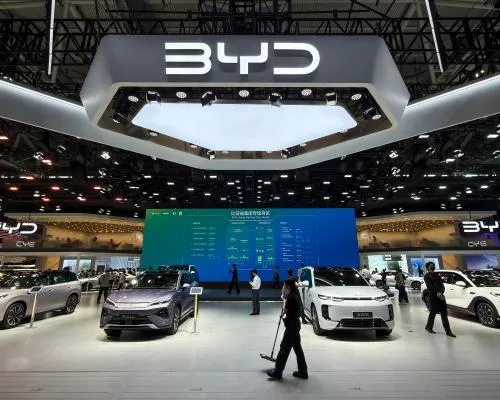 China’s BYD aims to be world’s biggest car firm within five years
EV maker aims to overtake Toyota, as it plans to spend £1.8bn to build five-minute flash chargers in Europe
-
 VN-Index vọt lên trên 1.800 điểm
VN-Index hồi phục hai phiên liên tiếp và đóng cửa gần 1.804 điểm nhờ dòng tiền giải ngân ở vùng giá thấp xuất hiện mạnh hơn.
-
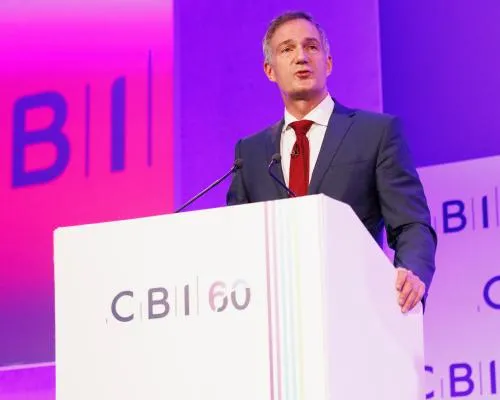 Peter Kyle’s quest for UK’s first $1tn firm is honourable, but he is overselling state activism
Business secretary exaggerates role of the British Business Bank and the National Wealth Fund in nurturing firms
-
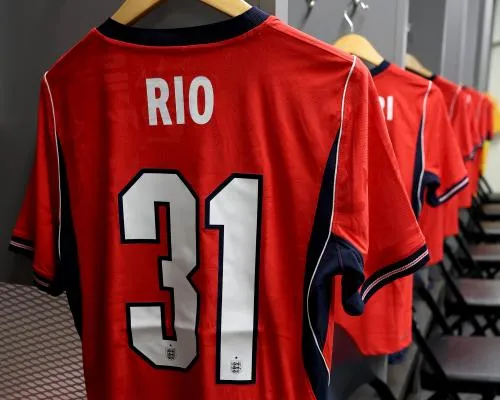 Nike charges World Cup fans the most for replica shirts after price surge
England supporters face paying inflation-busting £95 for an adult shirt as the tournament begins in the US
-
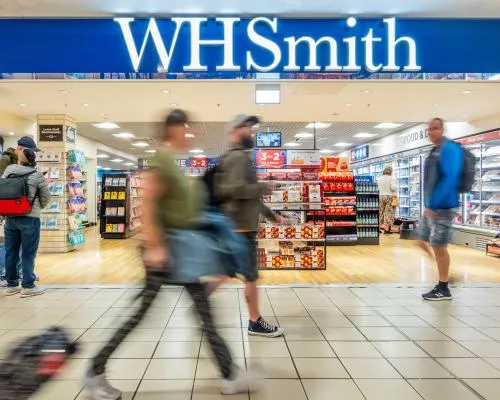 WH Smith to raise £100m as it warns on profits due to Iran war
Retailer plans to shut unprofitable stores as shopper numbers at airports fall amid Middle East conflict
-
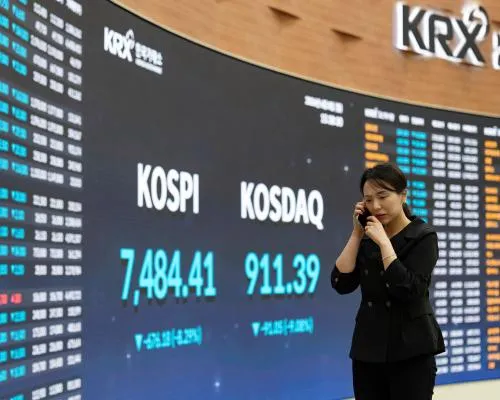 Asian stocks fall as US and Iran exchange fire – business live
Rolling coverage of the latest economic and financial news
-
 Thủ tướng giao tiến độ gỡ vướng các dự án bất động sản tồn đọng
Thủ tướng yêu cầu hoàn thành loạt văn bản hướng dẫn ngay trong tháng 7 và 8 để xử lý các dự án bất động sản, sử dụng đất tồn đọng, kéo dài.
-
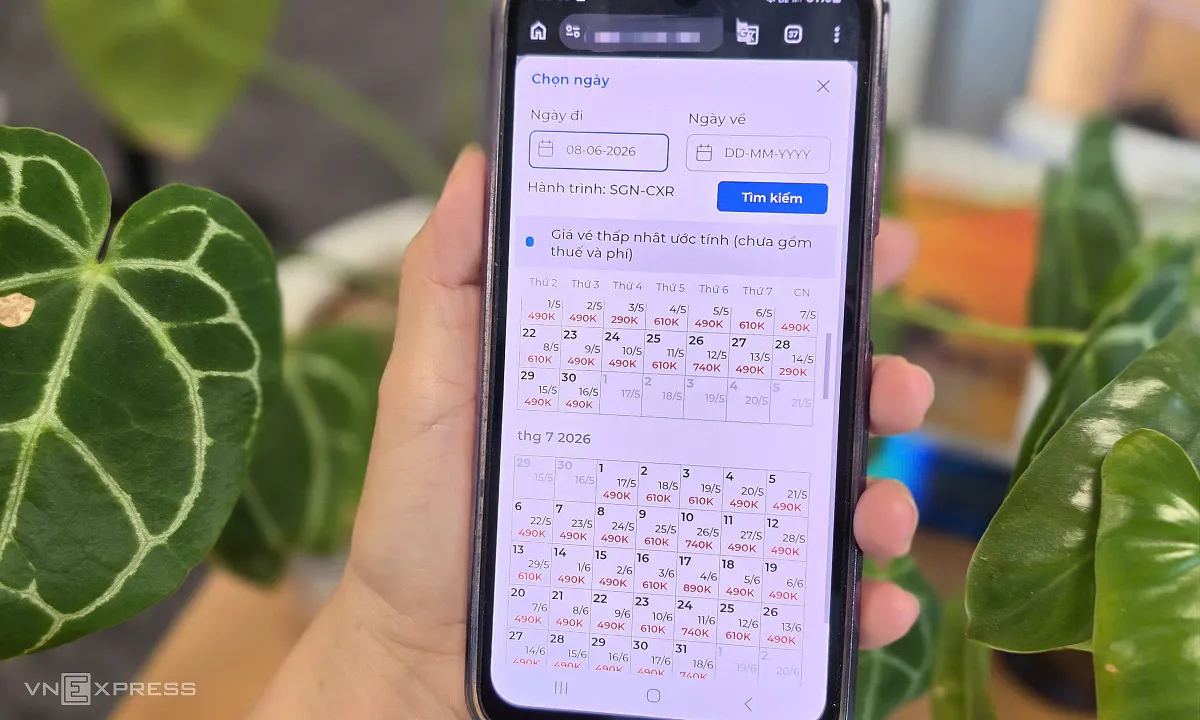 Giá vé máy bay giảm vào cao điểm hè
Sau nhiều tháng neo ở mức cao, giá vé máy bay nhiều chặng nội địa từ đầu tháng 6 giảm 10-15% khi các hãng mở rộng dải giá thấp và đẩy mạnh kích cầu.


