‘We eat and drink risk’: higher costs bring curtain down on more UK music festivals

By Mark Sweney • June 13, 2026 • Business
Plans for new event at the Secret Garden Party site and Womad Glasgow are dashed, but others remain optimistic
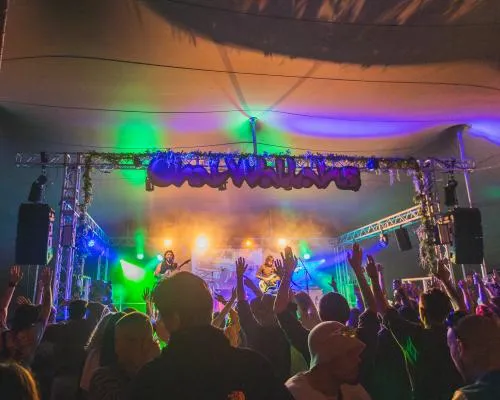
Hosting Scotland’s first Womad festival seemed like an easy sell for Glasgow, the country’s gig capital and self-proclaimed “dynamic global hub for music lovers”. However, last week the internationally renowned event celebrating performance from around the world, successfully staged in 30 countries since being co-founded by former Genesis frontman Peter Gabriel in 1982, was cancelled due to low ticket sales. It is the 20th casualty so far this year as small and independent festival operators enter another tough summer facing myriad challenges, from belt-tightening consumers becoming more picky about how they spend their cash, to soaring energy and labour costs, and competition from deep-pocketed industry heavyweights. “Independent festival organisers basically eat and drink risk,” says Jon Collins, the chief executive of Live, the body that represents the UK’s live music industry. “A year ahead they have to commit to a huge amount of cost to get it all booked in, and then have to believe they will sell enough tickets to deliver it, and hopefully make a small profit at the end of it. It is hard, there are far easier ways to make money, but they love it.” The longstanding Secret Garden Party, which featured acts from Ed Sheeran to Clean Bandit and attracted Prince Harry as a partygoer in 2014, shut down at the end of its 2024 edition with a symbolic burning of the main stage as its founder said it is “no longer sustainable for independents to run festivals”. This year, the dream of the team at Chai Wallahs, the touring festival live venue collective, to hold their own event on the same site in Cambridgeshire this year also ended in ashes. By April, they had smashed their crowdfunding target, raising £180,000 to launch the not-for-profit new grassroots festival, Where It All Began, with the aim of pushing back against the “grind of corporatisation” in the industry. But by the end of that month two of its members had turned to Instagram to explain why it would have to be postponed until next year. Problems included poor ticket sales, which they said was “felt across the entire sector”, and a 10% to 15% increase in infrastructure and transport costs since the start of the Iran conflict. “Had we pushed forward we faced a potential loss of £60,000 to £80,000,” the pair said. “Where It All Began would have died before it started.” Days earlier, the “Rock’n’Roll Duke”, Henry Fitzroy, had shut down his Nashville-inspired Red Rooster festival, scheduled to take place at the end of May, which he had held at the family’s sprawling Suffolk estate for more than a decade. The event went into liquidation, citing higher costs and reduced ticket sales, with no prospect of refunds. Yet, despite the rising festival casualty count, on the metric of closures this year is the best, or rather least-worst, since before the pandemic. There were 43 cancellations or postponements last year; in 2024 that number was 78, and in 2023 the figure was 36, according to the Association of Independent Festivals (AIF). More than 250 festivals have shut since before the pandemic, with annual numbers that are going ahead now hovering at about 600. “This year is the lowest number since I have been in post, and some haven’t gone for good, they are just taking a fallow year,” says the AIF chief executive, John Rostron. “There is always going to be some that fall because they haven’t got it right, or there just isn’t demand for them. “One thing that is true is that margins have become incredibly tight due to rising costs. Festivals used to have the capacity to ride the cost bumps between committing 11 months out and what happens up until the day of the festival, but now they can’t ride them like they used to. “Look at fees for artists, as one example: they have gone up 60% to 70% over the last five or six years, particularly for top-tier talent. That might not be a problem for the big corporate players, but it is for the independents.” There is also the ongoing debate about the impact of the giant corporations such as US giants AEG and Live Nation, which also owns Ticketmaster. Wireless festival, which is owned by Live Nation, hit the headlines after organisers were forced to cancel after a backlash over the choice of Ye, the artist formerly known as Kanye West, named as headline act for the three-day festival in London in July. As the furore deepened the Home Office moved to block the artist’s travel visa. The organisers of Womad Glasgow said its failure “reflects the challenge of launching a new large-scale event in a competitive and crowded market”, but this saturation has not stopped the deep-pocketed Live Nation running two new large festivals at the end of this month. State Fayre promises to bring a “true taste of Americana” at the site of the former V festival at Hylands Park in Essex, with headliners including Kings of Leon and Alanis Morissette, while Blenheim Palace festival is a five-day affair featuring acts including Michael Bublé, Katy Perry and Teddy Swims. Regulators on both sides of the Atlantic have been probing the market dominance of Live Nation. The company’s business activities in the UK were put in the spotlight last year when the competition watchdog launched an investigation into the way tickets to Oasis’s reunion tour were priced via Ticketmaster. Last month, the business and trade select committee of MPs published a report calling for the competition watchdog, the CMA, to investigate Live Nation’s dominance and impact on the live music sector, while also suggesting that there seemed to be a “climate of fear” among witnesses who gave evidence for its investigation. A Live Nation spokesperson said: “The pressures facing festivals are being felt across the sector, with costs rising significantly for events of all sizes. “The UK festival sector remains diverse and highly competitive, with major operators, regional promoters, specialist festival companies and hundreds of independent events all playing an important role.” The AIF’s Rostron is cautiously optimistic. “We are halfway out of the worst of it,” he says. “But without other interventions there is a dark cloud hovering. We need to enable independents to thrive and survive; there is potential for a huge amount of growth in the overall festival sector.” Next month, the Kelburn Garden Party, held in the grounds of Kelburn Castle outside Glasgow, is scheduled to welcome about 7,000 revellers for its 16th edition. Chris Knight, the co-founder and lead coordinator of the multi-day festival, says the thinning out of festivals after the mass proliferation in the 2010s has weeded out many that failed to knuckle down on a long-term, sustainable strategy. “This is our best year ever, we are about to sell out weeks and weeks earlier than last year, we are on the up,” he says. “There are the same pressures of fewer ticket buyers, higher costs, tougher conditions. Now the industry is pruning down and the ones who have survived are leaner, tougher, they know what they are doing. “The independent festivals that have survived have a stronger focus on communities, not massive stages and headliners. We focus on digging in locally. We have had to raise ticket prices 10%. That’s above inflation, but we are delivering such a good event people are happy to pay for that.”
Source: The Guardian
Business Daily
76 posts
-
 100 triệu thùng dầu đã qua được eo biển Hormuz
Ông Trump và chuyên gia cho biết hơn 100 triệu thùng dầu thô đã đi qua eo biển Hormuz thành công nhưng vẫn chưa đủ xoa dịu thiếu hụt.
-
 Nhà sáng lập Highlands Coffee: 'Tôi luôn nghĩ về việc làm tốt hơn mỗi ngày'
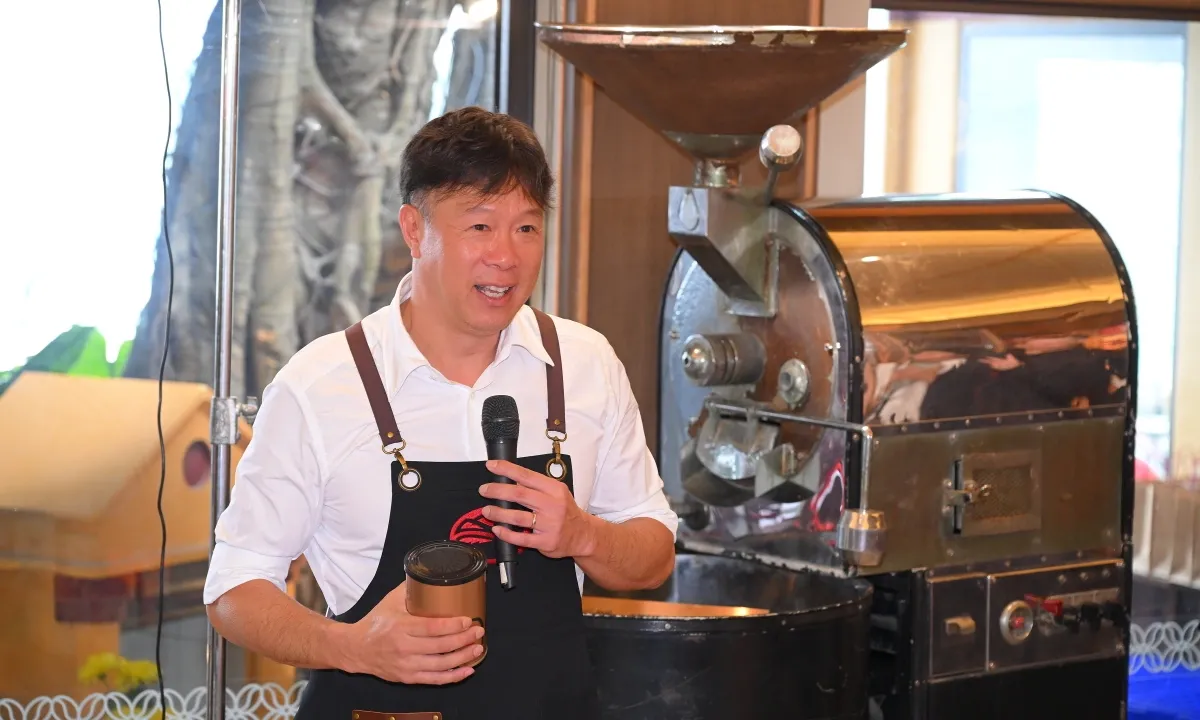
Chúng tôi không nghĩ về con số, mà là việc làm thế nào tốt hơn mỗi ngày, ông David Thái, nhà sáng lập Highlands Coffee, chia sẻ khi chuỗi đạt cột mốc 1.000 cửa hàng.
-
 Lượng cổ phiếu phát hành năm nay cao nhất 7 năm
Theo Fiin Group, khoảng 48,2 tỷ cổ phiếu sẽ được phát hành trong năm nay, cao nhất kể từ năm 2019 và có thể gây ra áp lực lên thị trường trong ngắn hạn.
-
 Tài sản của Elon Musk lớn đến mức nào?
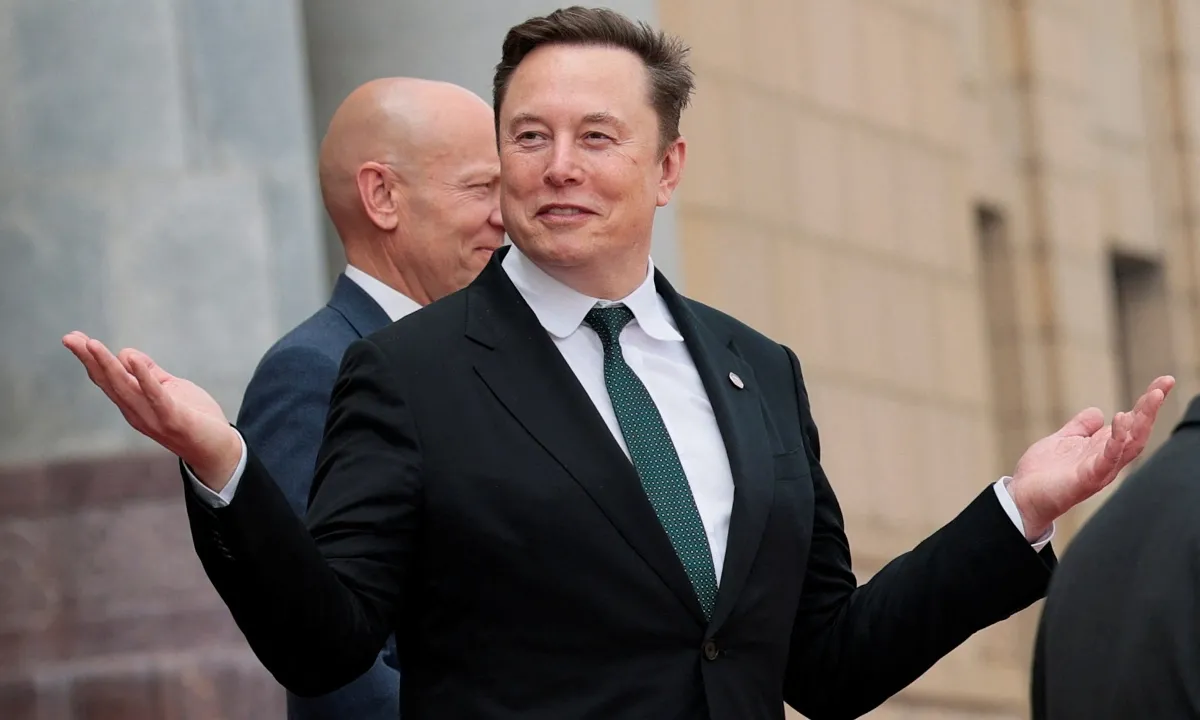
Khối tài sản 1.100 tỷ USD của Elon Musk lớn hơn hầu hết GDP các nước và đủ chia 122 USD cho mỗi người trên thế giới.
-
 Elon Musk có 1.100 tỷ USD khi giá trị SpaceX vượt 2.000 tỷ USD
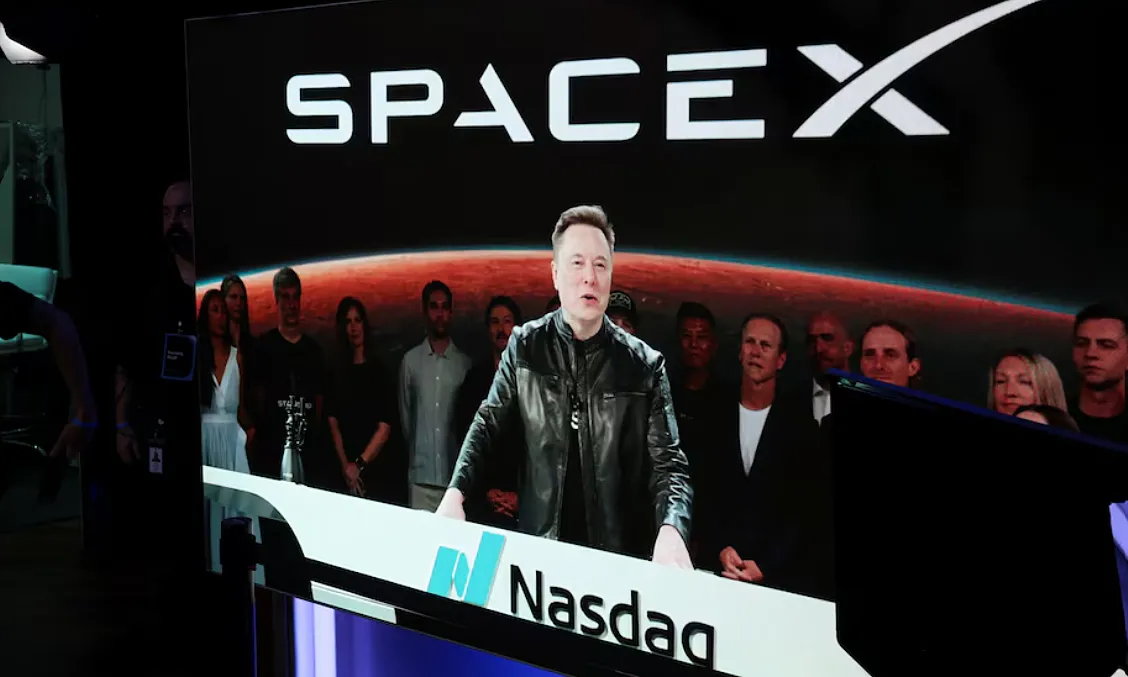
Cổ phiếu SpaceX tăng gần 20% trong phiên chào sàn, kéo tài sản của Chủ tịch kiêm CEO lên mức kỷ lục mới.
-
 Giá dầu thấp nhất 3 tháng, vàng tăng nhẹ
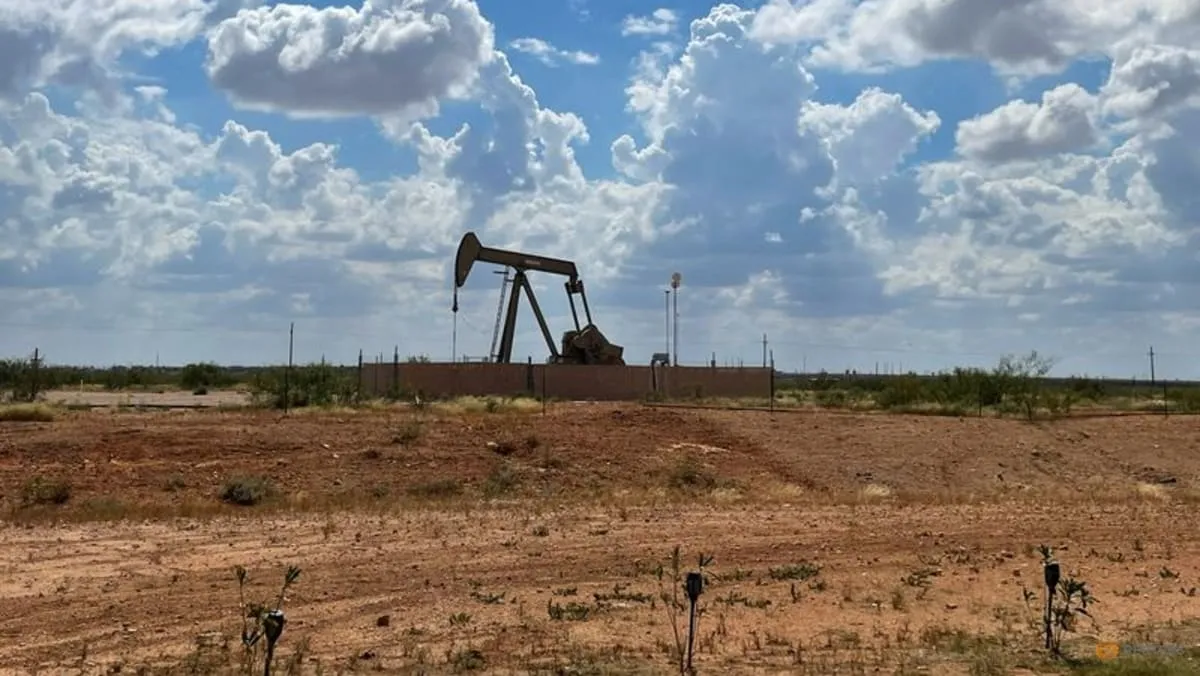
Khả năng Mỹ - Iran đạt thỏa thuận kéo giá dầu Brent về 87 USD một thùng, trong khi giá vàng thế giới tăng gần 8 USD.
-
 Các doanh nghiệp ngày càng ít mua Bitcoin
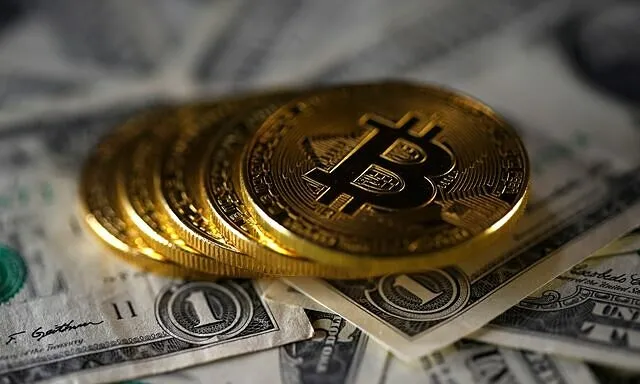
Nhóm các doanh nghiệp chuyên gom Bitcoin để đầu cơ giá đang ngày càng mua ít hơn trước, khiến thị trường mất động lực tăng trưởng.
-
 Kinh nghiệm làm thêm của người có 5 nguồn thu nhập
20 năm qua, Jenny Woo - CEO Mind Brain Emotion luôn tìm cách làm nhiều việc tay trái, dù là sinh viên, nhân viên toàn thời gian, nhà nghiên cứu hay bà nội trợ.
-
 Nhãn sầu riêng giá hơn 2 triệu đồng một kg ở TP HCM
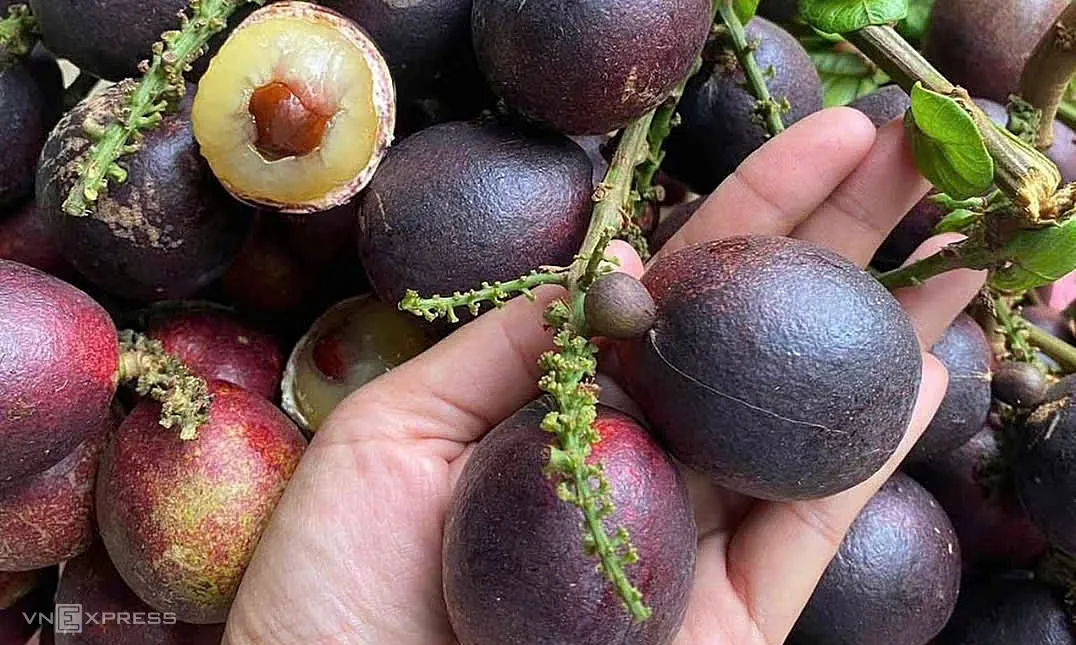
Nhãn sầu riêng có nguồn gốc từ Thái Lan, đang được trồng thử nghiệm tại Bến Tre, được bán với giá 2,2-2,5 triệu đồng một kg do nguồn cung khan hiếm.
-
 US consumer sentiment improves in June due to easing gas prices
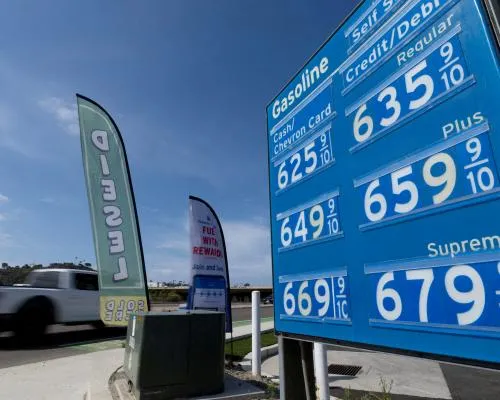
Consumer sentiment still remains at historically low levels amid Iran war and rising inflation, new survey shows


