
Walmart Marketplace has become a serious growth channel for ecommerce brands. It gives sellers access to a large customer base, strong retail recognition, and a platform where shoppers already feel comfortable buying. For many brands, getting products on Walmart.com feels like a major step forward.
Once a product starts gaining attention, copycats may appear. Another seller may use your product images. Someone may misuse your brand name. A competitor may imitate your packaging. A counterfeit seller may list fake products that look close enough to confuse customers. In some cases, a seller may even file a questionable IP complaint against your brand or listing.
Intellectual property problems on Walmart Marketplace can affect more than one listing. They can hurt sales, damage reviews, confuse customers, and weaken your brand’s reputation.
Why IP Protection Matters on Walmart Marketplace
Your intellectual property is the foundation of your brand. It may include your name, logo, product photos, packaging design, written descriptions, videos, slogans, product designs, and inventions. These assets help customers recognize your products and trust what they are buying.
On a marketplace like Walmart.com, that recognition matters. Shoppers often compare products quickly. They may not study every seller or listing detail. If another seller uses your brand name, logo, photos, or packaging in a misleading way, customers may believe they are buying from you.
Walmart states that it respects intellectual property rights and provides both the Brand Portal and an online IP Claim Form for rights owners to report claims involving items listed on Walmart.com, including copyright, trademark, patent, publicity, and counterfeit claims.
What a Walmart IP Enforcement Lawyer Does
A Walmart IP enforcement lawyer helps brand owners and sellers handle intellectual property issues connected to Walmart Marketplace. This may include enforcing trademarks, removing stolen images, reporting counterfeit products, responding to infringement claims, or building a stronger brand protection plan.
For example, if someone copies your product photos, the issue may involve copyright. If another seller uses your brand name or logo without permission, the issue may involve trademark infringement. If a seller copies a protected invention or product design, the issue may involve patent rights.
Each situation needs a different approach. A trademark complaint is not the same as a copyright complaint. A counterfeit claim is not the same as an unauthorized reseller issue. A patent dispute may require more technical analysis than a copied-image report.
Walmart Brand Portal and IP Claims
Walmart’s Brand Portal is designed to help rights owners manage registered brands and submit intellectual property claims. Walmart Marketplace describes the Brand Portal as a tool that allows brand owners to submit IP claims through a simple form, track claim progress, manage multiple brands, and invite authorized users. It also notes that an active trademark registration with the USPTO is required for each brand.
The Brand Portal can be useful for brands that want a more organized way to manage enforcement. Walmart’s Brand Portal site says rights owners with registered trademarks are eligible to apply, and that users need a trademark registration number, company information, and a verifiable email address to get started.
Common IP Problems Brands Face on Walmart
One of the most common problems is trademark misuse. This may happen when another seller uses your brand name in a product title, description, ad, or listing in a way that suggests a connection with your brand. It may also happen when a competitor uses a confusingly similar name or logo.
Copyright infringement is another frequent issue. Product photos, graphics, videos, manuals, and written descriptions are often copied by lazy competitors. If you paid for professional content, seeing another seller use it without permission can be frustrating. More importantly, it can confuse shoppers and steal sales.
Counterfeit products are even more serious. A counterfeit seller may copy your brand name, packaging, and product appearance to sell fake goods. If buyers receive those products and believe they are genuine, your brand can suffer even if you never touched the order.
Evidence Makes Enforcement Stronger
A strong IP claim depends on strong evidence. It is not enough to say, “This seller copied me.” The platform needs to understand what was copied, who owns the rights, where the violation appears, and why the claim is valid.
Useful evidence may include screenshots, product URLs, seller names, order numbers, test-buy results, packaging comparisons, trademark registrations, copyright records, patent documents, original design files, and customer complaints.
For counterfeit claims, a test purchase can be especially helpful. The brand can compare the product received from the suspected seller against a genuine product and document differences. Maybe the label is wrong. Maybe the packaging is missing a safety seal.
Defending Against False IP Complaints
Not every brand needs help because someone copied them. Sometimes sellers need help because they have been accused of infringement.
A false or mistaken IP complaint can disrupt sales quickly. A listing may be removed. A seller account may face warnings. Revenue may stop while the seller tries to figure out what happened.
A lawyer can review the complaint, determine whether the claim has merit, contact the rights owner, request a retraction, or prepare a response. In some cases, the seller may need to prove authenticity, show authorization, revise listing language, or explain why the accused content does not infringe.
Why Long-Term Brand Protection Matters
IP enforcement is not only about removing one bad listing. It is about building a system that protects the brand over time.
That may include registering trademarks, protecting copyrights, reviewing packaging, monitoring Walmart Marketplace, creating authorized reseller policies, controlling distribution, keeping ownership records, and acting quickly when suspicious listings appear. Walmart’s Marketplace Learn materials say the Brand Portal helps brand owners report valid IP claims and assign ownership rights and privileges to Marketplace sellers. They also note that brand owners with fully registered USPTO trademarks can register brands in the portal.
Final Thought
A Walmart IP enforcement lawyer can help protect the brand assets that make your business valuable. From trademark misuse and stolen photos to counterfeit products, patent disputes, false complaints, and marketplace takedowns, IP problems can move quickly on Walmart Marketplace. Walmart provides tools like the Brand Portal and IP Claim Form, but those tools work best when backed by strong rights, clear evidence, and a smart enforcement strategy. If your brand is growing online, protecting your intellectual property is not just a legal step. It is a business necessity.

Daniel Walker
1 posts
-
 Empowering Entrepreneurs: The Comprehensive Guide to Skilled Worker Self Sponsorship in the UK
Empowering Entrepreneurs: The Comprehensive Guide to Skilled Worker Self Sponsorship in the UK
-
 Searching for 'Motoring Offence Solicitors Near Me'? Here’s What Matters More
Searching for 'Motoring Offence Solicitors Near Me'? Here’s What Matters More
-
 Claiming Your Lawful Birthright: The Ultimate Guide to Securing the Right of Abode (ROA) in the UK
Claiming Your Lawful Birthright: The Ultimate Guide to Securing the Right of Abode (ROA) in the UK
-
 Securing Your Permanent Future: The Ultimate Guide to Indefinite Leave to Remain (ILR)
Securing Your Permanent Future: The Ultimate Guide to Indefinite Leave to Remain (ILR)
-
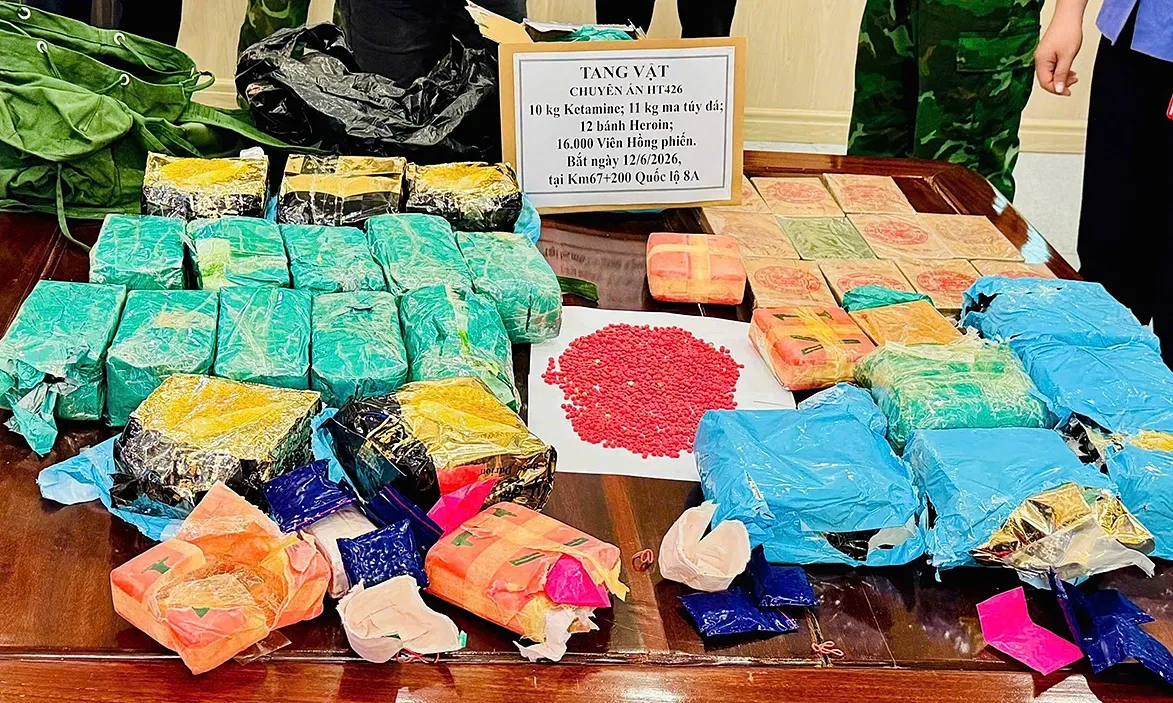 27 kg ma túy trên chiếc taxi chạy qua khu vực biên giới
Phạm Xuân Thanh thuê taxi vận chuyển 27 kg ma túy các loại từ khu vực biên giới xã Sơn Kim 1 ra Nghệ An, lấy tiền công 50 triệu đồng.
-
 200 người ở TP HCM bị bắt với cáo buộc lừa hơn 600 tỷ đồng qua 'hợp đồng kỳ nghỉ'
Gần 200 người là giám đốc, nhân viên các công ty du lịch bị cáo buộc dùng chiêu bán hợp đồng kỳ nghỉ để lừa ký hơn 5.500 hợp đồng, chiếm đoạt hơn 600 tỷ đồng.
-
 Nữ giám đốc bán hơn 10.000 tấn chân gà 'bẩn' ra thị trường bị bắt
Nguyễn Thị Tố Loan khi điều hành Công ty ABF đã cho nhập hơn 10.000 tấn chân gà đông lạnh từ những nước có dịch bệnh gia cầm về Việt Nam tiêu thụ.
-
 Nhóm bán 'hợp đồng sở hữu kỳ nghỉ' lừa 2.700 tỷ đồng qua 17.000 hợp đồng
Công an Hà Nội xác định có khoảng 17.000 hợp đồng sở hữu kỳ nghỉ được 27 công ty ký kết, qua đó lừa 2.700 tỷ đồng chủ yếu từ người cao tuổi.
-
 Cảnh sát bắt quả tang người phụ nữ thuê taxi chở pháo hoa nổ
Bà Nguyễn Thị Nhung, 50 tuổi, khi đang trên chiếc taxi vận chuyển 84 hộp pháo nổ thì bị cảnh sát phát hiện.
-
 Shattering the DIY Delusion: The Hidden Dangers of Navigating the Border Alone
Shattering the DIY Delusion: The Hidden Dangers of Navigating the Border Alone
-
 200 người ở TP HCM bị bắt với cáo buộc lừa hơn 600 tỷ qua 'hợp đồng kỳ nghỉ'
Gần 200 người là giám đốc, nhân viên các công ty du lịch bị cáo buộc dùng chiêu bán hợp đồng kỳ nghỉ để lừa ký hơn 5.500 hợp đồng, chiếm đoạt hơn 600 tỷ đồng.


