Online shopping has revolutionized the retail landscape, but when it comes to jewelry and accessories, customers often hesitate before hitting the “buy” button. Unlike clothing, accessories require a closer, more detailed look—how will that necklace sit on the neckline, will those earrings complement the face shape, or does the bracelet pair well with a certain outfit? Traditional product photography only goes so far. This is where virtual try-on jewelry and accessories powered by artificial intelligence steps in.
With the help of technologies like AI photo editing tools, brands can now offer hyper-realistic previews of how rings, necklaces, watches, and other accessories look when worn. This innovation isn’t just a convenience—it’s reshaping the future of e-commerce by bringing confidence, personalization, and interactivity into the customer journey.
The global online jewelry market is booming, with customers seeking unique designs and better shopping experiences. However, one of the biggest hurdles remains visualization. Shoppers want to see exactly how accessories enhance their appearance before investing.
Virtual try-on solves this problem by:
From everyday fashion shoppers to those buying luxury jewelry, virtual try-on bridges the gap between in-store and online shopping.
Jewelry purchases are often emotional and personal. Seeing a necklace or pair of earrings virtually “worn” builds trust, leading to higher conversions.
When customers know how a product will look on them, they’re less likely to return it. This reduces logistical costs for brands and enhances customer satisfaction.
Virtual try-on tools can suggest complementary accessories based on facial features, skin tone, or outfit—just like a professional stylist would.
Instead of flat images, shoppers engage interactively with products, trying on multiple pieces in seconds. This gamified shopping journey keeps them browsing longer.
E-commerce is crowded, but offering immersive try-on technology helps brands differentiate themselves and attract tech-savvy customers.
The process of using AI-powered jewelry try-on is surprisingly seamless for customers:
This smooth, interactive journey mirrors the luxury of trying on jewelry in a boutique, but with the convenience of shopping from home.
AI powers the smart algorithms that recognize face shapes, hand sizes, or wrist proportions, ensuring jewelry is displayed proportionately and naturally.
AR overlays digital jewelry on live images or videos, allowing customers to turn their heads, move their hands, or smile naturally while still seeing the accessory in place.
Beyond AR, AI-enhanced editing creates ultra-realistic textures, reflections, and metallic finishes, making the jewelry look true to life.
The system learns from customer preferences to recommend items tailored to personal style, enhancing upselling and cross-selling opportunities.
AI will soon suggest jewelry not just based on appearance but also on past purchase history, browsing behavior, and even social media trends.
Virtual try-on experiences are set to expand into metaverse platforms, allowing users to showcase their favorite accessories in digital worlds.
Instead of producing large volumes of physical samples, brands can showcase designs virtually, reducing waste and promoting eco-friendly practices.
Imagine sending a virtual necklace to a friend online, where they can try it on before receiving the physical product. This is where e-commerce is headed.
Customers will be able to start trying jewelry online and seamlessly continue the experience in-store, combining the best of both worlds.
Virtual try-on jewelry and accessories are more than a technological trend—they represent the future of e-commerce. By using AI photo editing tools, brands can deliver lifelike visuals that increase trust and engagement, while AI try on jewelry solutions give customers the power to explore, experiment, and fall in love with their perfect piece before buying.
For jewelry retailers and fashion brands, embracing this technology isn’t optional anymore—it’s essential to stay competitive in a digital-first market. The future of e-commerce lies in creating immersive, personalized, and interactive experiences, and virtual try-on is leading the way.

Seller Pic
2 posts
-
 Police officer under criminal investigation over alleged use of AI
Unidentified officer removed from frontline duties in the first known case of its kind in the UK
-
 Doanh nghiệp đầu tiên được TP HCM chứng nhận 'công nghệ cao'
GreenNode - đơn vị cung cấp AI Cloud hiệu suất cao thuộc VNG trở thành doanh nghiệp đầu tiên được cấp chứng nhận doanh nghiệp công nghệ cao tại TP HCM.
-
 Nhà khoa học Harvard muốn thử nghiệm thuốc 'cải lão hoàn đồng'
Nhà khoa học David Sinclair dự định thử nghiệm thuốc trẻ hóa toàn thân dựa trên công nghệ tái lập trình hóa học trong cuộc thi do Quỹ XPrize tổ chức.
-
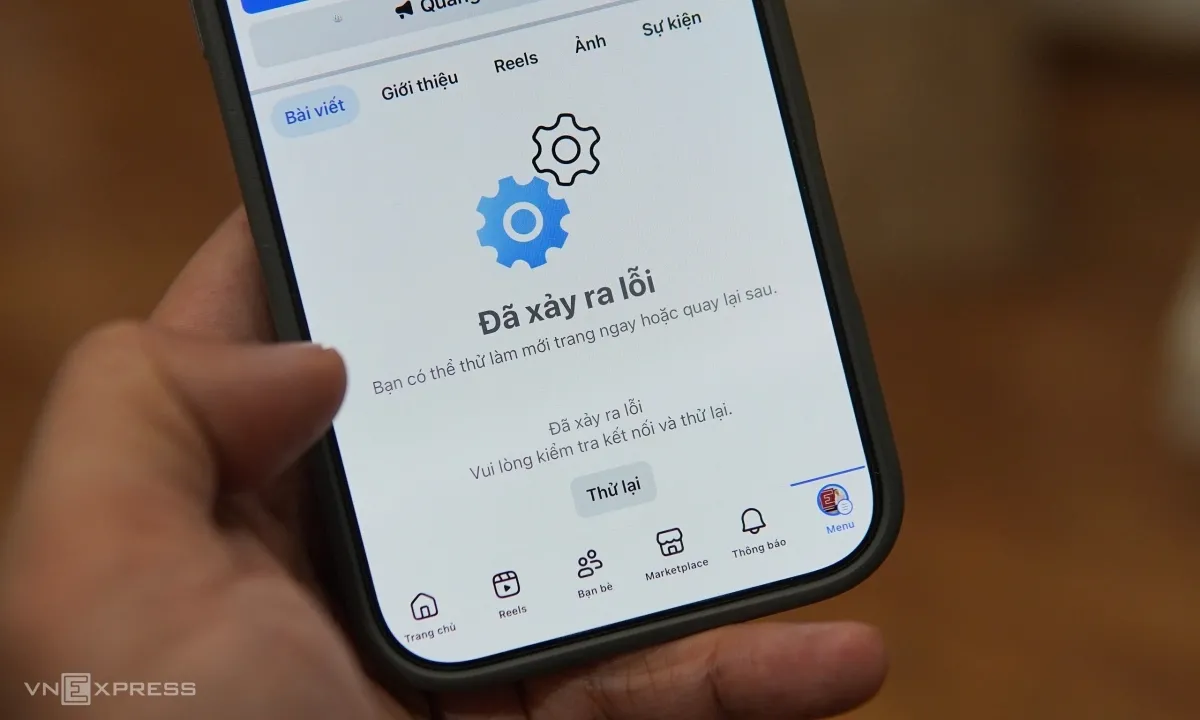 Facebook, Messenger gặp sự cố diện rộng
Nhiều người dùng tại Việt Nam tối 12/6 phản ánh Facebook và Messenger gặp trục trặc, không xem được nội dung cũng như không gửi, nhận hoặc tải tin nhắn.
-
 Intel đã sản xuất hơn bốn tỷ đơn vị sản phẩm tại Việt Nam
Đại diện Intel cho biết nhà máy Intel Products Vietnam (IPV) sau 20 năm đã sản xuất hơn bốn tỷ đơn vị sản phẩm, đóng góp hơn 110 tỷ USD giá trị xuất khẩu.
-
 Máy bay điện pin thể rắn lần đầu thử nghiệm chở người
Tổ chức phi lợi nhuận Helios Horizon tuyên bố hoàn thành chuyến bay có người lái đầu tiên của máy bay điện sử dụng pin thể rắn.
-
 Hành trình SpaceX trở thành công ty công nghệ trị giá 1.770 tỷ USD
Từ tham vọng phát triển tên lửa riêng, Elon Musk dẫn dắt SpaceX vượt qua nhiều thất bại, vươn lên vị trí công ty vũ trụ hàng đầu thế giới.
-
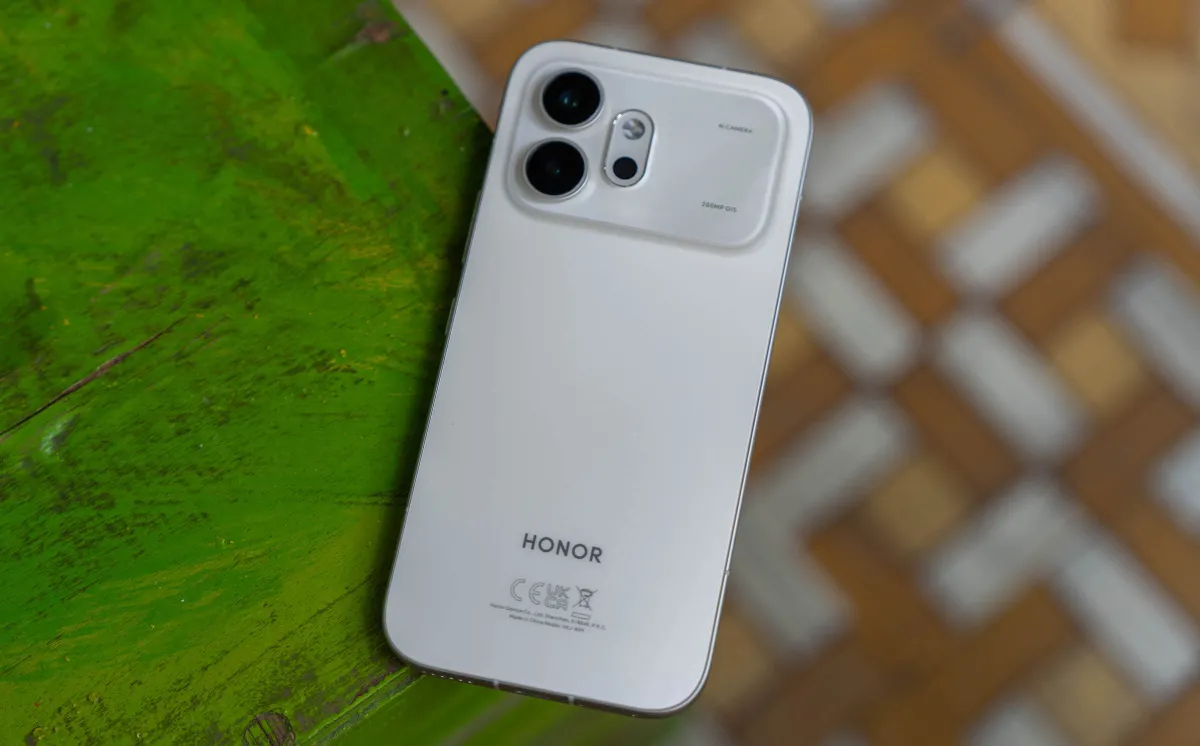 Honor 600 - smartphone hỗ trợ AI, giá từ 18 triệu đồng
Honor 600 trang bị và nâng cấp nhiều tính năng AI tầm giá dưới 20 triệu đồng, độ sáng màn hình 8.000 nit, pin 7.000 mAh.
-
 El Nino xuất hiện và đang mạnh lên
Cơ quan khí hậu Mỹ xác nhận El Nino hình thành ở Thái Bình Dương và đang tăng dần cường độ, dự báo trở thành một trong những sự kiện mạnh nhất lịch sử từ năm 1950.
-
 Làm sao xác nhận SIM chính chủ khi không thấy số trên VNeID?
Tôi kiểm tra ứng dụng VNeID nhưng không tìm thấy số điện thoại. Làm cách nào để xác nhận số điện thoại chính chủ và không bị khóa thuê bao?
-
 Pokémon Go data trained AI that could assist military drones in war zones
Location scans from the globally popular augmented reality game have helped train AI to recognise and interpret physical spaces


