Vegan Beauty Products Market witnessing accelerated growth driven by cruelty-free and sustainable trends


Vegan Beauty Products Market is experiencing strong growth due to rising awareness of ethical consumption and sustainability. By eliminating animal-derived ingredients such as collagen, beeswax, and lanolin and adopting cruelty-free testing, brands meet growing consumer demand for safe and responsible products. Valued at over USD 21 billion in 2024, the market is projected to grow at a CAGR of 7% through 2032. Increasing emphasis on transparency, ethical sourcing, and high-performance formulations continues to drive expansion globally.
Consumer demand for ethical and sustainable products is reshaping the beauty industry. Millennials and Gen Z prioritize cruelty-free certifications and vegan ingredients, often checking for PETA’s “Cruelty-Free” or The Vegan Society’s “Certified Vegan” labels. Ethical practices now strongly influence brand loyalty, pushing companies to adopt transparent sourcing, cruelty-free formulations, and sustainable production methods. Brands embracing these values gain a competitive edge, while those failing to comply risk losing relevance in an increasingly conscious marketplace.
Innovation in plant-based and biotechnology-derived ingredients is fueling market growth. Plant oils, botanical extracts, and plant peptides replace traditional animal-derived components without compromising quality or efficacy. Lab-grown collagen, keratin, and elastin enable high-performance formulations aligned with vegan principles. These innovations ensure that vegan products deliver effective hydration, anti-aging, and overall skin and hair care benefits while maintaining ethical and sustainable standards.
Sustainability is a central driver for the Vegan Beauty Products Market. Brands increasingly adopt biodegradable, recyclable, and refillable packaging to minimize environmental impact. Ethical sourcing, renewable energy use, and low-carbon production practices enhance credibility. Companies such as Lush, Aveda, and The Body Shop integrate eco-conscious strategies throughout product design and lifecycle. Consumers now assess products holistically, considering ethical production, ingredient sourcing, and environmental responsibility alongside performance.
The market spans skincare, haircare, makeup, and fragrance. Skincare dominates due to strong demand for non-toxic moisturizers, serums, and cleansers. Haircare products enriched with botanical proteins and oils improve scalp health and hair shine. Makeup formulations use plant-based waxes and pigments to deliver high-quality color without animal-derived ingredients. Vegan fragrances replace animal musk with botanical or synthetic alternatives, maintaining quality and ethical standards. This diversity allows consumers to maintain a complete vegan beauty routine without sacrificing performance.
North America and Europe lead the global Vegan Beauty Products Market, supported by regulatory frameworks, certification systems, and high consumer awareness. The EU ban on animal-tested cosmetics has accelerated growth, while North America leverages robust e-commerce channels. Asia-Pacific, including India, Japan, and South Korea, is expanding rapidly due to rising disposable incomes and increasing awareness of plant-based lifestyles. Latin America and the Middle East are emerging markets, driven by younger, ethically-conscious demographics embracing sustainable beauty practices.
Digital platforms and e-commerce have accelerated vegan beauty adoption. Online channels allow niche brands to reach global audiences, while social media influencers promote awareness and engagement. AI-powered personalization, virtual try-ons, and tutorial content improve customer experience and trust. Studies indicate that over 65% of vegan beauty purchases occur online, highlighting the importance of digital marketing and online visibility for market growth.
Despite robust growth, challenges persist. Higher production costs, sourcing limitations, and inconsistent global certification standards can hinder adoption. Consumer confusion around terms like “vegan,” “cruelty-free,” and “clean” can affect purchasing decisions. Brands address these issues through verified certifications, transparent labeling, and educational campaigns, building trust and encouraging widespread adoption.
The Vegan Beauty Products Market is projected to exceed USD 27 billion by 2030, driven by increasing demand for ethical, high-performance, and sustainable products. Innovations in biotechnology, eco-friendly packaging, and AI-driven personalization will further accelerate market adoption. Vegan beauty is transitioning from niche markets to mainstream adoption, establishing sustainability and ethics as core standards in global personal care.
The Vegan Beauty Products Market exemplifies the convergence of ethics, sustainability, and innovation in cosmetics. Plant-based, cruelty-free, and high-performing products are redefining global beauty standards. As consumer awareness continues to grow, vegan beauty will expand further, shaping a future where ethical choices, environmental responsibility, and product efficacy coexist seamlessly.
Saloni dutta
98Blog posts
-
 Nhà riêng, nhà phố TP HCM giảm giá vì khó bán
Phân khúc nhà riêng, nhà phố tại TP HCM ghi nhận xu hướng giảm giá bán trong bối cảnh thanh khoản thị trường suy yếu, người mua thận trọng.
-
 Tài khoản ngân hàng hơn 3 năm không giao dịch có thể bị đóng
Ngân hàng có thể chủ động đóng tài khoản rác và tài khoản không giao dịch 3 năm trở lên để hạn chế rủi ro gian lận, lừa đảo.
-
 CEO Nvidia nỗ lực tăng sức hút tại Hàn Quốc
Bữa tối với bia và gà rán năm 2025 cùng Chủ tịch Samsung, Hyundai giúp Jensen Huang biết làm thế nào để thu hút sự chú ý tại Hàn Quốc.
-
 Chính quyền ông Trump đề xuất áp thuế bổ sung với 60 nền kinh tế
Văn phòng Đại diện Thương mại Mỹ đề xuất áp thuế bổ sung đến 12,5% hàng nhập từ 60 nền kinh tế, vì hành vi thương mại không công bằng.
-
 Chứng khoán dứt chuỗi giảm điểm
Sau 7 phiên đi xuống liên tiếp, VN-Index tăng 12,5 điểm nhưng rơi vào tình trạng xanh vỏ, đỏ lòng khi số lượng cổ phiếu giảm chiếm phần nhiều hơn.
-
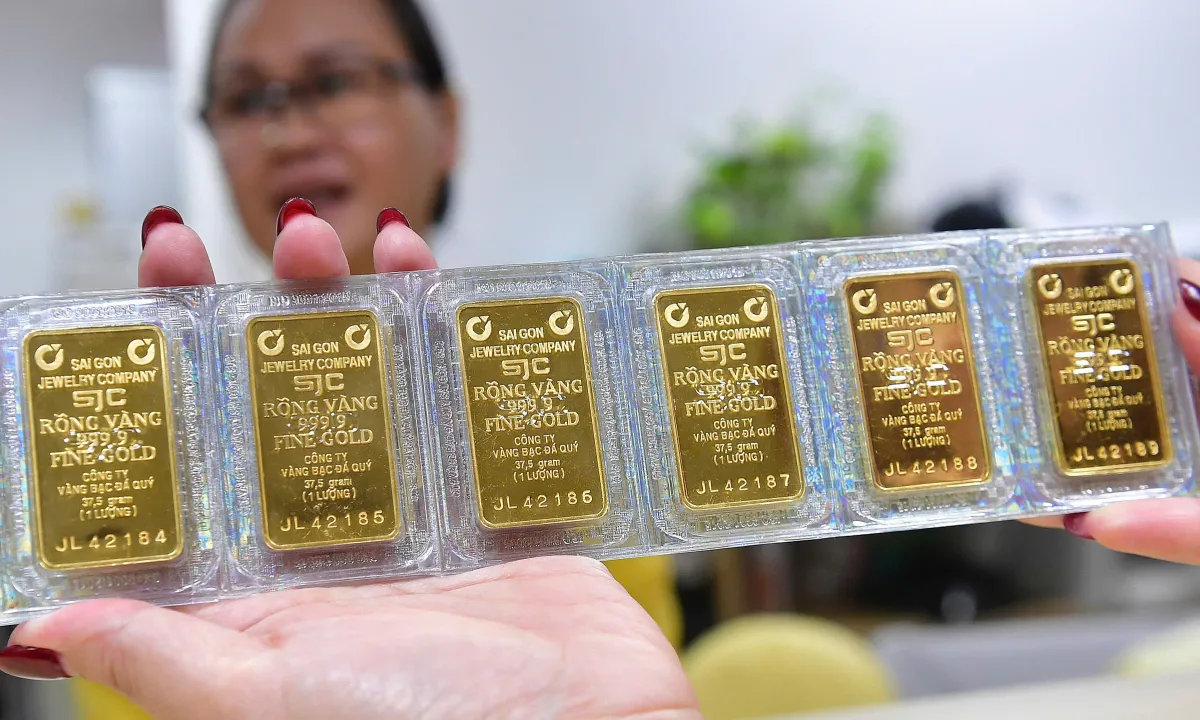 Bộ Tài chính: Chưa đủ căn cứ áp thuế thu nhập với mua bán vàng miếng
Bộ Tài chính cho biết chưa đủ căn cứ áp thuế thu nhập cá nhân với mua bán vàng miếng, vì cần chờ cấp có thẩm quyền thông qua đề án lập sàn giao dịch vàng.
-
 Giá vàng miếng xuống thấp nhất từ đầu năm
Các thương hiệu bán ra vàng miếng quanh mức 156,5 triệu đồng một lượng, thấp nhất từ kể từ đầu năm.
-
 Thủ tướng: Sớm đưa các dự án năng lượng trọng điểm vào hoạt động
Thủ tướng Lê Minh Hưng yêu cầu Bộ Công Thương sớm đưa các dự án năng lượng trọng điểm vào hoạt động, trong bối cảnh thời tiết diễn biến bất thường, nhu cầu điện tăng.
-
 VN-Index chưa cắt chuỗi giảm sâu
VN-Index giảm liên tục 7 phiên và có lúc thủng mốc 1.800 điểm do áp lực xả hàng tập trung vào một số cổ phiếu trụ.
-
 Công ty sở hữu mảng sản xuất của VinFast có Chủ tịch mới
Bà Thái Thị Thanh Hải được bầu làm Chủ tịch của VFTP, doanh nghiệp sở hữu mảng sản xuất cùng hai nhà máy của VinFast tại Việt Nam.
-
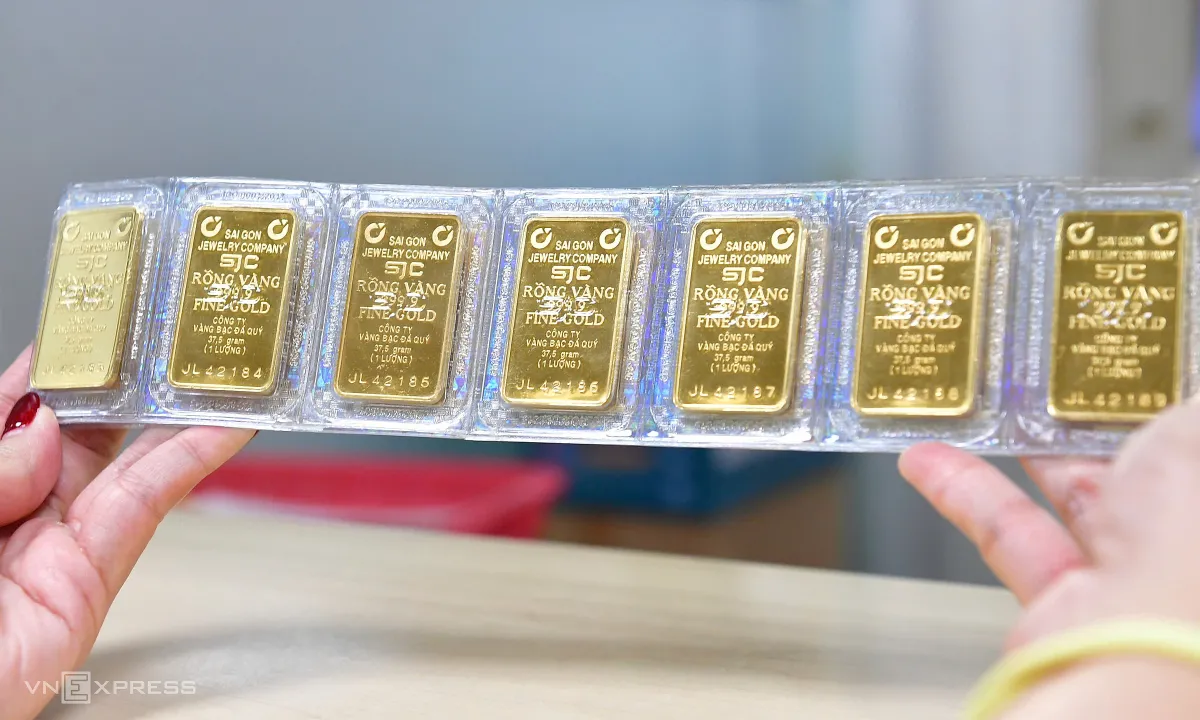 Có nên bán vàng để dành mua nhà khi giá giảm mạnh?
Theo chuyên gia, vàng là tài sản phòng vệ nhưng không tuyệt đối, nên có thể bán bớt một phần để tránh ảnh hưởng kế hoạch mua nhà năm sau.


