Unlock High-Efficiency Surface Cleaning with the Latest Industrial Laser Cleaner Technology

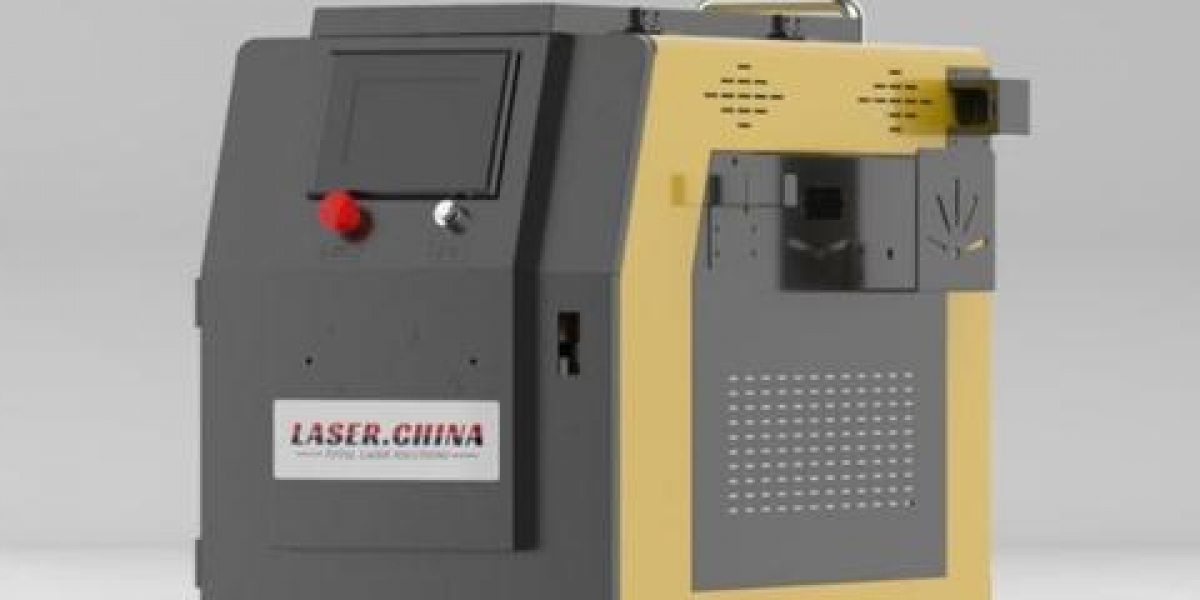
What is an Industrial Laser Cleaner?
An industrial laser cleaner is a non-contact, eco-friendly cleaning system that uses focused laser beams to remove rust, paint, grease, oxides, and other contaminants from surfaces. Unlike traditional cleaning methods—such as sandblasting or chemical solvents—laser cleaning provides precision, minimal surface damage, and low operational cost over time.
These devices operate by targeting a surface with short pulses of high-energy laser light. The contaminants absorb this energy and vaporize or break away, leaving the underlying material intact. It’s especially effective on metal, stone, and composite materials, making it a versatile tool across numerous industries.
Why Industrial Laser Cleaners Are the New Standard in Cleaning Solutions
Benefits at a Glance:
| Feature | Benefit |
|---|---|
| Eco-Friendly Process | No chemicals or secondary waste generated |
| Non-Abrasive | Preserves original surface quality |
| Precision Cleaning | Targets microns of material without damaging the substrate |
| Low Maintenance | Fewer moving parts than mechanical systems |
| Automation Ready | Easily integrated with robotic arms and CNC systems |
Key Industries Using Laser Cleaners:
Aerospace: Pre-weld surface prep and oxidation removal
Automotive: Paint stripping, mold cleaning, and rust removal
Electronics: Delicate component cleaning
Oil & Gas: Pipeline rust and corrosion cleaning
Unlock High-Efficiency Surface Cleaning with the Latest Industrial Laser Cleaner Technology Shipbuilding: Large surface de-coating and weld prep
How Laser Cleaning Works: The Science Behind the Beam
Industrial laser cleaners function by using high-powered fiber or solid-state lasers. The cleaning process involves:
Laser Emission: The cleaner emits nanosecond to femtosecond pulses.
Surface Interaction: The beam interacts with surface contaminants, heating and expanding them rapidly.
Micro-Explosion: Rapid expansion causes contaminants to detach.
Evaporation or Ejection: Debris is vaporized or blown off with air assist.
Because the process is thermal and mechanical at the microscopic level, the underlying surface remains intact and structurally unchanged.
Types of Industrial Laser Cleaners
| Type | Best Use Case |
|---|---|
| Low Power (20W–100W) | Precision electronics and artifact cleaning |
| Medium Power (100W–300W) | Mold cleaning, small parts |
| High Power (500W–2000W) | Heavy-duty rust, paint stripping, large surfaces |
Real-World Data: Performance You Can Trust
Efficiency Comparison:
| Method | Cleaning Speed (m²/hr) | Residue Generation | Avg. Cost/hr |
|---|---|---|---|
| Laser Cleaning | 10–20 | Minimal | $2–$5 |
| Sandblasting | 5–8 | High | $7–$15 |
| Chemical Cleaning | 3–6 | High | $10–$20 |
Laser cleaning reduces waste by up to 95%, making it ideal for eco-conscious operations.
Interactive FAQs
Q1: Is laser cleaning safe for operators?
A: Yes, when proper shielding and PPE (like laser safety goggles) are used. Most systems also have built-in safety interlocks.
Q2: Can laser cleaners be used on painted surfaces?
A: Absolutely. They're effective for stripping paint without scratching the base material, especially on automotive or aerospace parts.
Q3: Does the laser damage the base metal?
A: No. The laser only targets contaminants. Precision control ensures the substrate is unharmed.
Q4: How does laser cleaning compare with dry ice blasting?
A: Laser cleaning is cleaner (no media disposal), more precise, and often more cost-efficient over time.
Q5: Are there environmental regulations for laser cleaning?
A: Laser cleaning is often favored because it complies with strict environmental standards. There are no solvents or hazardous waste.
What to Consider Before Buying an Industrial Laser Cleaner
Factors to Evaluate:
Power Requirements (based on cleaning depth and surface type)
Cooling System (air-cooled for small systems, water-cooled for industrial setups)
Automation Compatibility (robotic integration for manufacturing lines)
Maintenance and Support (availability of local service)
Manufacturer Reputation (ensure certifications and industrial track record)
Final Thought
Industrial laser cleaner are no longer futuristic gadgets—they’re rapidly becoming the industry benchmark in non-contact, precision cleaning. Whether you're looking to improve throughput, reduce maintenance costs, or meet environmental goals, laser technology offers a modern, effective, and sustainable solution.
yoo socialz
58 posts
-
 Green Engineering and Health Optimization at Whiteland The Aspen
To address this, Whiteland Corporation integrated specialized CTMA3 Air Purification technology into the core building systems. This central air infrastructure works continuously to treat, filter, and circulate air throughout enclosed common areas, double-height entrance lobbies, and tower
-
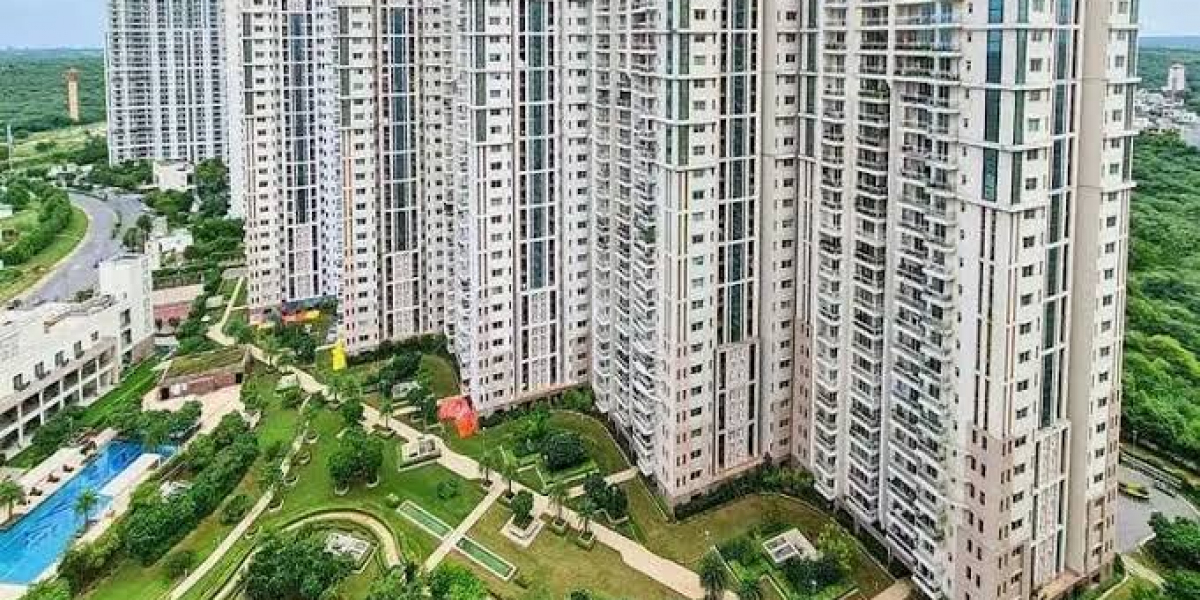 Mastering the Asset: Technical Infrastructure, Micro-Market Value, and Structural Layouts at DLF Park Place
This deep dive focuses on the granular technical infrastructure, exact structural layouts, and macro-economic factors that explain why this specific project maintains a massive edge over its competition in 2026.
-
 Brand Identity and Tenant Experience: Cultivating Loyalty at Elan Empire Gurgaon
Securing high occupancy in a premium high-street asset is only half the battle. For long-term viability, property management and individual investors must shift their focus to building tenant loyalty and creating a distinctive brand identity.
-
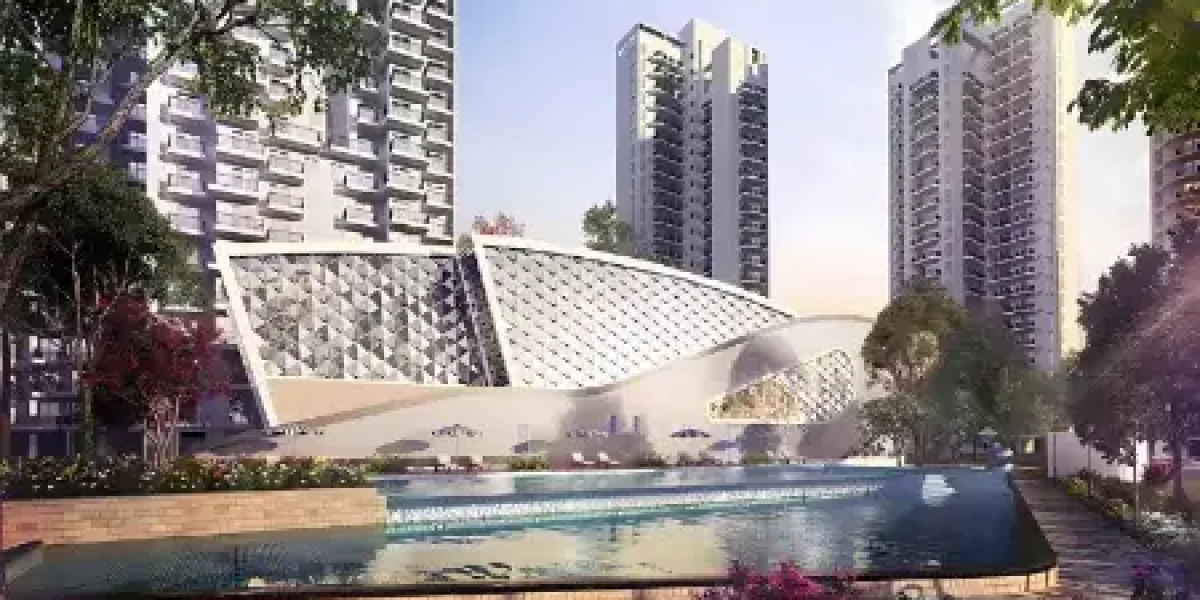 Master Review: Evaluating Godrej Nature Plus, Sector 33, Gurgaon
The layout uses a smart structural pattern where towers are angled away from each other. This creates a staggered footprint that gives corner apartments clear, unblocked views of the Aravalli foothills while ensuring optimal morning and afternoon sunlight. Inside the towers, the floor plan
-
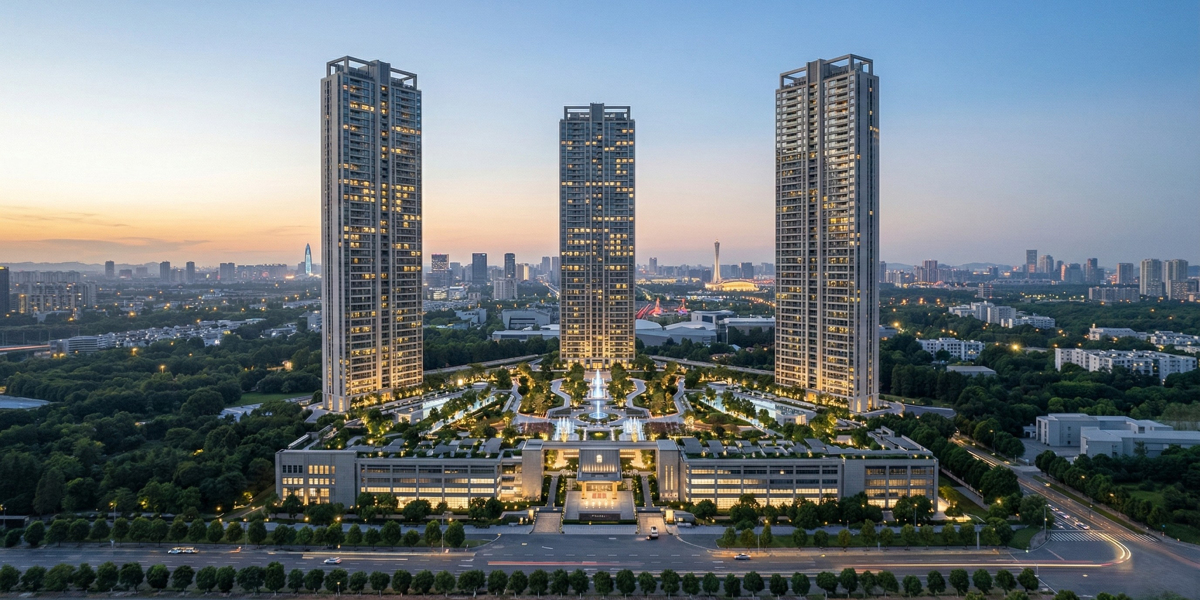 BPTP Downtown 66: A Masterpiece of Vertical Luxury in Sector 66
BPTP Downtown 66 has emerged as one of the most anticipated high-rise developments on the Golf Course Extension Road. Designed by the globally acclaimed architectural firm Aedas, this project is not just a residential complex but a vertical ecosystem where luxury meets functionality.
-
 Aesthetic Clinic in Australia | Beauty Clinic in Carolina | PM Aesthetics
Discover a trusted aesthetic clinic in Australia and a professional beauty clinic in Carolina. PM Aesthetics offers advanced skincare, cosmetic treatments, and personalized beauty solutions.
-
 The Masterful Synergy at Signature Global Tonino Lamborghini
Signature Global Tonino Lamborghini Residences represents a ₹2,890 crore synergy of Italian supercar aesthetics and Indian engineering excellence in Sector 71.
-
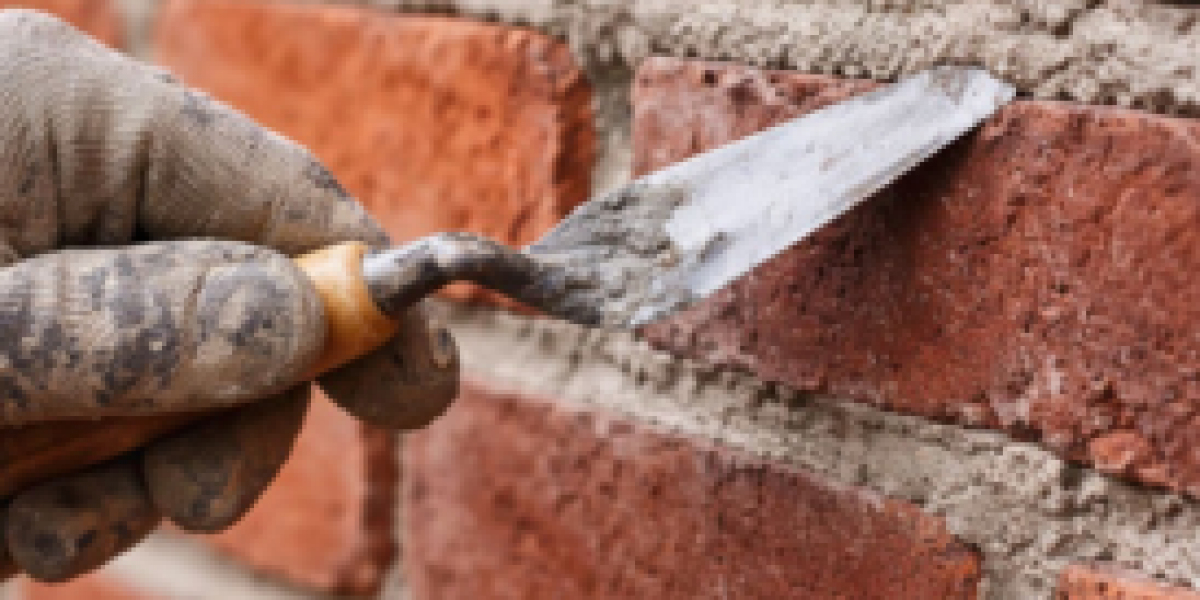 Sidewalk Repair NYC: A Complete Guide for Property Owners
Sidewalks in New York City endure constant wear and tear due to heavy foot traffic, extreme weather conditions, and tree root growth. Over time, cracks, uneven surfaces, and potholes can develop. These issues not only create an unpleasant appearance but also pose serious safety hazards for
-
 Why Natural Stone Wall Panels Are Becoming the First Choice for Modern Interiors
Discover why natural stone wall panels are becoming a top choice for modern interiors and exteriors. Learn about their durability, aesthetic appeal, and versatile applications for residential and commercial spaces.
-
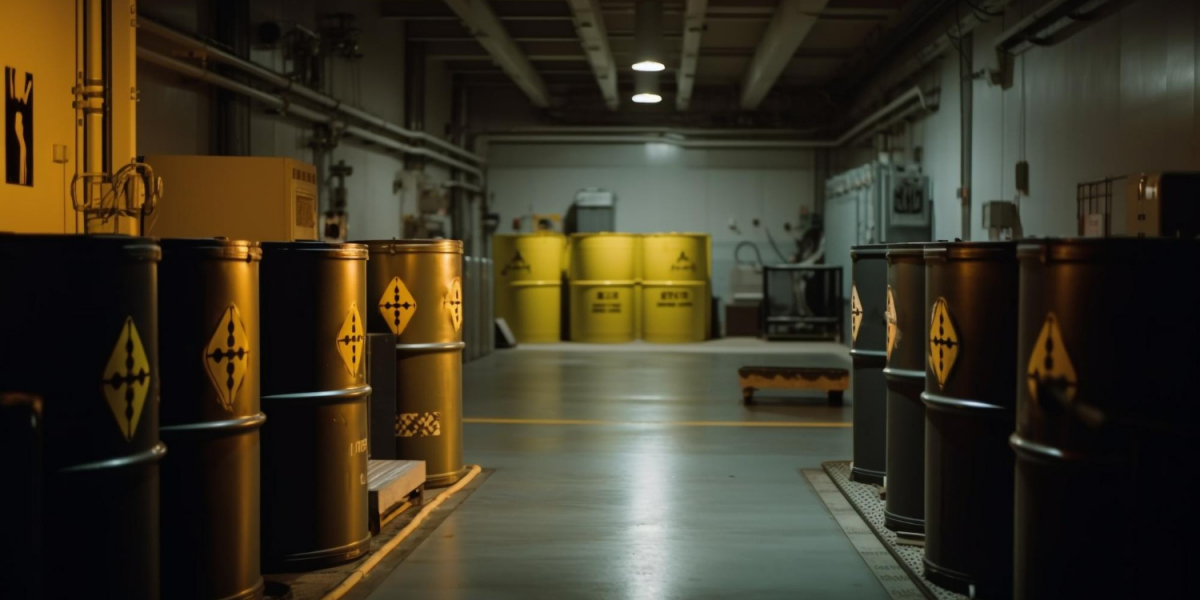 Chemical Supplier for Industrial in UAE: Reliable Solutions for Modern Industries
Find a reliable chemical supplier for industrial in UAE offering high-quality products, consistent supply, and tailored solutions for manufacturing, oil & gas, construction, and water treatment industries.
-
 Signature Global Cloverdale SPR Gurgaon – A Modern Address for Comfortable Living
This connectivity allows residents to easily access major employment hubs, corporate offices, and business districts. The proximity to IGI Airport further adds to its appeal, especially for professionals who travel frequently.


