United States Dry Fruit Market to Reach US$ 4.89 Billion by 2033, Driven by Health Trends and Plant-Based Diets

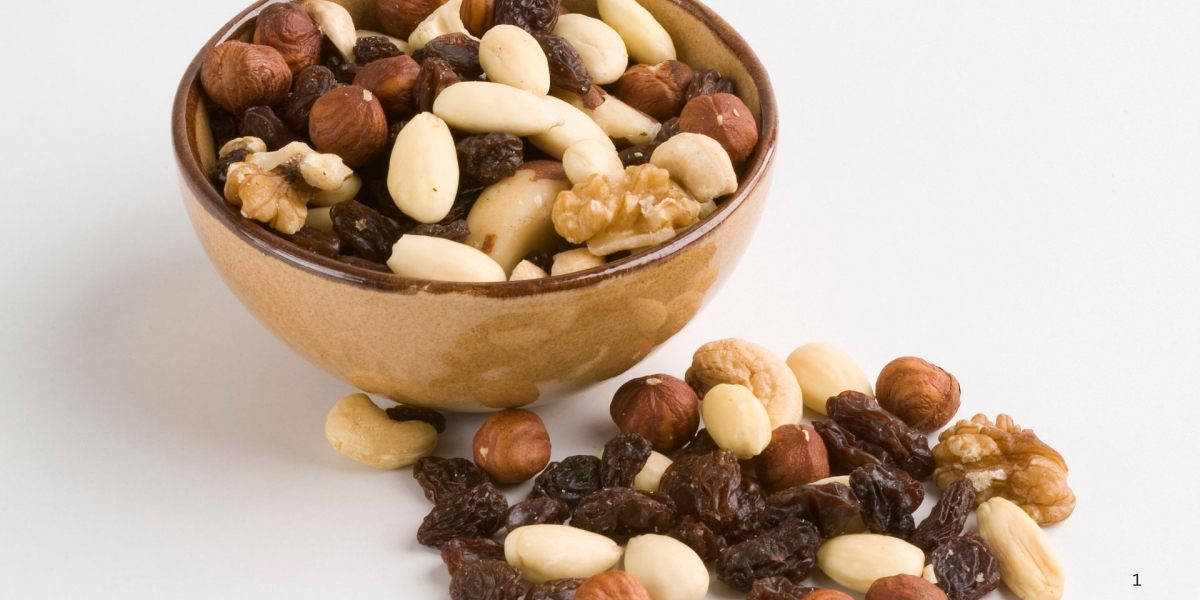
According to the latest report by Renub Research, the United States Dry Fruit Market is expected to grow from US$ 3.14 billion in 2024 to US$ 4.89 billion by 2033, registering a CAGR of 5.08% during the forecast period of 2025–2033. The growing inclination toward health-conscious eating habits, the surge in plant-based diets, and an increasing demand for nutrient-rich snack alternatives are driving the market growth.
? Read the full report here: United States Dry Fruit Market Report by Renub Research
Modern consumers are prioritizing health and wellness, making conscious food choices based on nutritional value. Dry fruits such as almonds, walnuts, pistachios, raisins, dates, and cashews are increasingly popular due to their high fiber, protein, antioxidant, and essential fat content. They serve as convenient snacks and are widely incorporated into everyday diets, especially among urban and working populations.
With conditions like obesity, diabetes, and heart disease on the rise in the U.S., dry fruits are seen as functional foods that promote heart health, weight management, and better digestion. This aligns with the preventive healthcare trend, pushing consumers to "snack smart."
The dry fruit market is also benefitting from the explosive growth of plant-based and vegan lifestyles. As more Americans reduce their meat consumption, they turn to dry fruits for plant-based protein, healthy fats, and energy. Vegan athletes and health enthusiasts, in particular, use dry fruits as pre- and post-workout snacks, further boosting demand.
Additionally, the growing popularity of flexitarian diets and initiatives like “Meatless Monday” contribute to higher consumption of plant-derived food products, including dry fruits.
Producers are adapting to changing tastes by introducing flavored and roasted variants, organic and sugar-free options, and functional dry fruit mixes (with added probiotics, seeds, or spices). Attractive packaging, resealable pouches, and portion-controlled packs are appealing to millennials and Gen Z consumers.
Examples include:
Sriracha-flavored almonds
Sea salt and dark chocolate coated cashews
Trail mixes with dried cranberries, chia, and pumpkin seeds
This diversification is helping companies tap into the on-the-go snacking culture and reach a wider demographic.
With online grocery shopping witnessing exponential growth post-pandemic, e-commerce platforms have become vital for dry fruit distribution. Online retailers offer bulk purchase discounts, subscription models, and value-added bundles, making them increasingly attractive for health-conscious buyers.
Major online players like Amazon, Walmart, Thrive Market, and specialty food platforms are facilitating the direct-to-consumer (DTC) delivery of high-quality dry fruits. Brands are also leveraging social media and influencer marketing to boost online presence and customer engagement.
The market is expanding across regions, with California, Texas, New York, Florida, and Illinois leading in consumption. Factors such as urbanization, higher disposable incomes, and access to premium retail stores contribute to higher dry fruit sales in these states.
Demographic analysis reveals:
Millennials and Gen Z value convenience and are driving the trend of healthy snacking.
Middle-aged consumers focus on preventive health and heart-friendly foods.
Older adults incorporate dry fruits into specialized diets to improve digestion and bone health.
Retailers are embracing the shift in consumer preferences by expanding their organic, sugar-free, and gluten-free dry fruit offerings. Supermarkets like Whole Foods, Trader Joe’s, and Sprouts Farmers Market are leading the trend, while convenience stores are increasing their shelf space for grab-and-go dry fruit pouches.
Private label brands are also gaining traction, offering affordable alternatives without compromising quality. This price-conscious segment is growing rapidly, particularly in bulk-selling stores like Costco and Sam’s Club.
Environmental awareness among U.S. consumers is leading to a demand for sustainably packaged and ethically sourced dry fruits. Recyclable, biodegradable, and BPA-free packaging are becoming industry norms. Transparency in sourcing—such as Fair Trade certified almonds or organic raisins—adds value and builds brand trust.
Companies focusing on supply chain traceability, farmer welfare, and organic farming are experiencing increased brand loyalty and a competitive edge.
Several companies are shaping the U.S. dry fruit market through innovation, strategic expansion, and robust distribution networks. Key players include:
Wonderful Pistachios & Almonds LLC
Sun-Maid Growers of California
Blue Diamond Growers
Mariani Packing Co.
National Raisin Company
Ocean Spray Cranberries Inc.
Traina Foods
Treehouse California Almonds LLC
Bergin Fruit and Nut Company
Hammons Products Company
These companies are not only enhancing product variety but also embracing sustainability, digital transformation, and consumer-centric branding.
By Product Type:
Almonds
Walnuts
Cashews
Raisins
Pistachios
Dates
Dried Berries
Mixed Dry Fruits
By Distribution Channel:
Supermarkets/Hypermarkets
Convenience Stores
Specialty Stores
Online Retail
Others
By End-Use:
Household Consumption
Food & Beverage Industry
Bakeries and Confectioneries
Restaurants and Cafes
Nutraceuticals and Health Supplements
The U.S. dry fruit market is undergoing a transformation driven by health consciousness, dietary changes, convenience, and innovation. As consumers continue to prioritize wellness, dry fruits are emerging as everyday essentials rather than occasional snacks.
Product innovation, eco-friendly packaging, digital sales channels, and diversified offerings will continue to propel market expansion. Companies that align with these trends and offer value-driven, sustainable, and health-centric products will thrive in the coming years.
To explore the full potential of this growing market, visit:
? United States Dry Fruit Market Report by Renub Research
The U.S. dry fruit market is expected to reach US$ 4.89 billion by 2033, up from US$ 3.14 billion in 2024, growing at a CAGR of 5.08% from 2025 to 2033.
Key factors include rising health awareness, the popularity of plant-based diets, demand for nutritious snacks, and innovations in packaging and flavor.
Almonds, walnuts, cashews, raisins, pistachios, and dried berries are among the most consumed.
Plant-based and vegan consumers use dry fruits as primary sources of plant protein, healthy fats, and energy, thereby increasing market demand.
E-commerce platforms enable direct-to-consumer delivery, subscription models, and access to diverse, premium-quality products.
Top players include Blue Diamond Growers, Wonderful Pistachios & Almonds, Sun-Maid, Traina Foods, and Ocean Spray.
Yes, consumers are actively seeking organic, non-GMO, and sugar-free dry fruits for health and dietary reasons.
Millennials, Gen Z, and health-conscious middle-aged consumers are leading the shift toward dry fruit consumption.
Sustainability is a major purchasing factor; consumers prefer recyclable, biodegradable, or compostable packaging.
Challenges include price volatility of raw materials, supply chain disruptions, and competition from alternative healthy snacks.
New Publish Report:
Renub Research is a Market Research and Consulting Company with more than 15 years of experience, especially in international Business-to-Business Research, Surveys, and Consulting. We provide a wide range of business research solutions that help companies make better business decisions. We partner with clients across all sectors and regions to identify their highest-value opportunities, address their most critical challenges, and transform their businesses.
Our wide clientele includes key players in Healthcare, Travel & Tourism, Food & Beverages, Power & Energy, Information Technology, Telecom & Internet, Chemicals, Logistics & Automotive, Consumer Goods & Retail, Building & Construction, and Agriculture. Our core team comprises experienced professionals with graduate, postgraduate, and Ph.D. qualifications in Finance, Marketing, Human Resources, Bio-Technology, Medicine, Information Technology, Environmental Science, and more.
Company Name: Renub Research
Contact Person: Rajat Gupta, Marketing Manager
? Phone No: +91-120-421-9822 (IND) | +1-478-202-3244 (USA)
? Email: [email protected]
? Website: www.renub.com
renub research
3Blog posts
-
 Ông Trump lặng lẽ tái khởi động cỗ máy áp thuế
Tổng thống Mỹ đang tìm cách khôi phục các mức thuế nhập khẩu cũ, nhưng theo cách thận trọng, lâu dài và không ồn ào như trước đây.
-
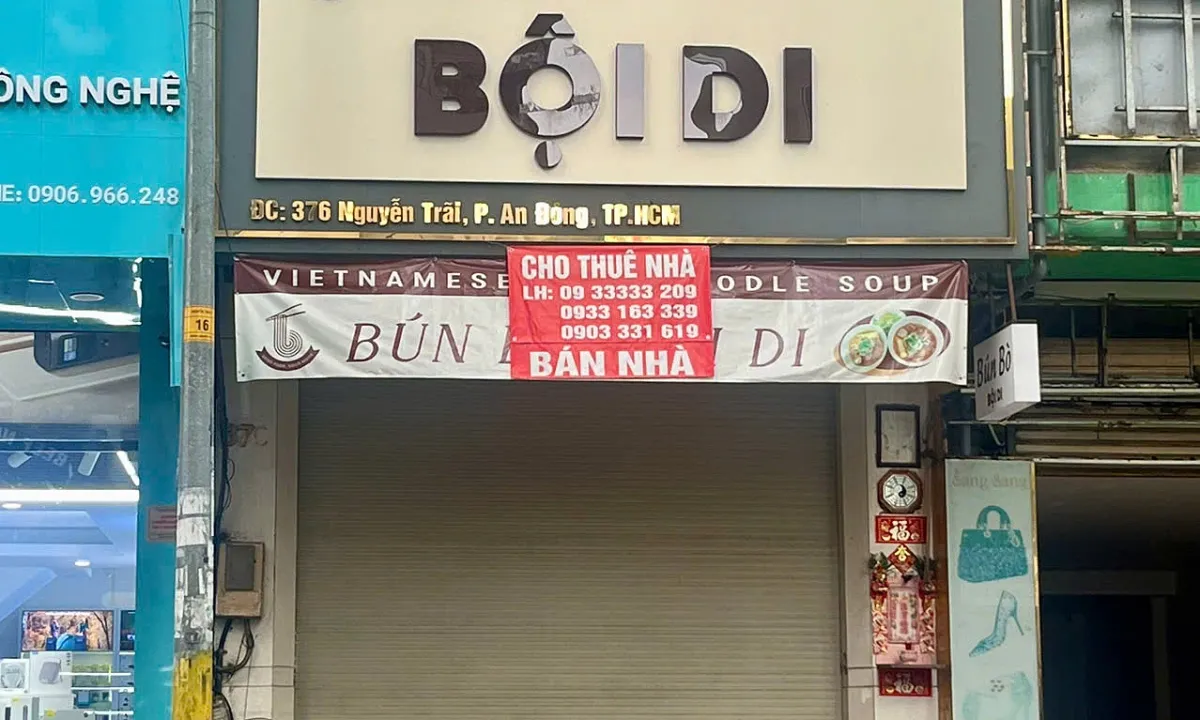 Nhà riêng, nhà phố TP HCM giảm giá vì khó bán
Phân khúc nhà riêng, nhà phố tại TP HCM ghi nhận xu hướng giảm giá bán trong bối cảnh thanh khoản thị trường suy yếu, người mua thận trọng.
-
 Tài khoản ngân hàng hơn 3 năm không giao dịch có thể bị đóng
Ngân hàng có thể chủ động đóng tài khoản rác và tài khoản không giao dịch 3 năm trở lên để hạn chế rủi ro gian lận, lừa đảo.
-
 CEO Nvidia nỗ lực tăng sức hút tại Hàn Quốc
Bữa tối với bia và gà rán năm 2025 cùng Chủ tịch Samsung, Hyundai giúp Jensen Huang biết làm thế nào để thu hút sự chú ý tại Hàn Quốc.
-
 Chính quyền ông Trump đề xuất áp thuế bổ sung với 60 nền kinh tế
Văn phòng Đại diện Thương mại Mỹ đề xuất áp thuế bổ sung đến 12,5% hàng nhập từ 60 nền kinh tế, vì hành vi thương mại không công bằng.
-
 Chứng khoán dứt chuỗi giảm điểm
Sau 7 phiên đi xuống liên tiếp, VN-Index tăng 12,5 điểm nhưng rơi vào tình trạng xanh vỏ, đỏ lòng khi số lượng cổ phiếu giảm chiếm phần nhiều hơn.
-
 Bộ Tài chính: Chưa đủ căn cứ áp thuế thu nhập với mua bán vàng miếng
Bộ Tài chính cho biết chưa đủ căn cứ áp thuế thu nhập cá nhân với mua bán vàng miếng, vì cần chờ cấp có thẩm quyền thông qua đề án lập sàn giao dịch vàng.
-
 Giá vàng miếng xuống thấp nhất từ đầu năm
Các thương hiệu bán ra vàng miếng quanh mức 156,5 triệu đồng một lượng, thấp nhất từ kể từ đầu năm.
-
 Thủ tướng: Sớm đưa các dự án năng lượng trọng điểm vào hoạt động
Thủ tướng Lê Minh Hưng yêu cầu Bộ Công Thương sớm đưa các dự án năng lượng trọng điểm vào hoạt động, trong bối cảnh thời tiết diễn biến bất thường, nhu cầu điện tăng.
-
 VN-Index chưa cắt chuỗi giảm sâu
VN-Index giảm liên tục 7 phiên và có lúc thủng mốc 1.800 điểm do áp lực xả hàng tập trung vào một số cổ phiếu trụ.
-
 Công ty sở hữu mảng sản xuất của VinFast có Chủ tịch mới
Bà Thái Thị Thanh Hải được bầu làm Chủ tịch của VFTP, doanh nghiệp sở hữu mảng sản xuất cùng hai nhà máy của VinFast tại Việt Nam.


