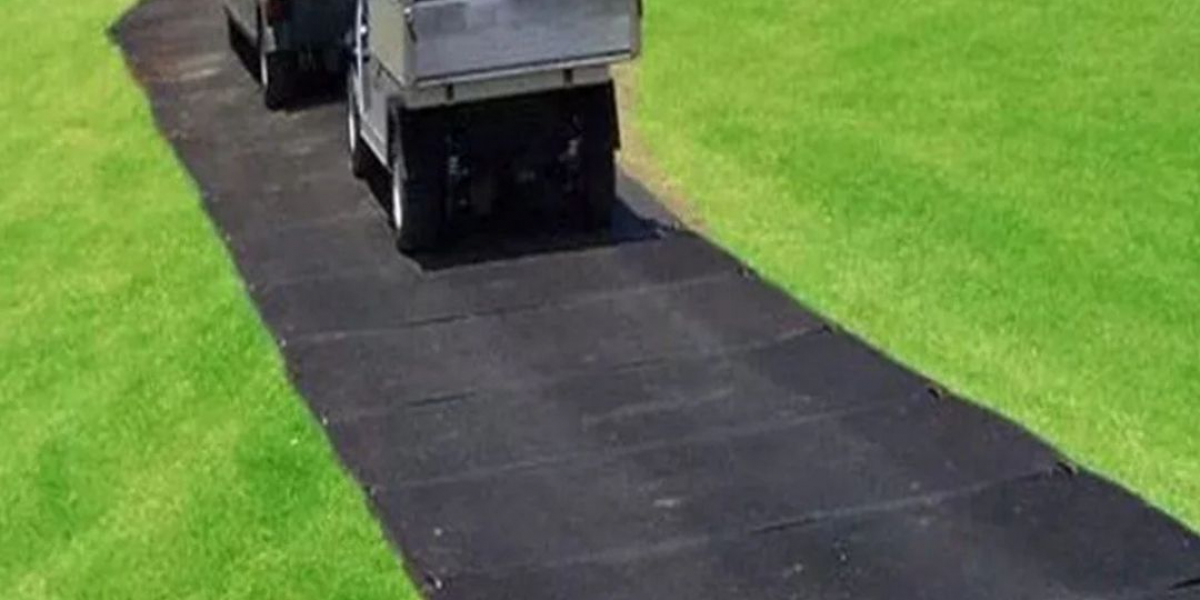
Ground protection mats are essential tools in various industries, particularly in construction, landscaping, and event management. Among the different types of these mats, High-Density Polyethylene (HDPE) mats stand out due to their durability and versatility. This article delves into the features, benefits, and applications of HDPE Ground protection mats, highlighting their significance in protecting surfaces and facilitating access for heavy machinery.
HDPE ground protection mats are made from high-density polyethylene, a robust thermoplastic known for its strength and resistance to environmental factors. These mats are designed to provide a stable surface over soft or unstable ground conditions, making them ideal for various applications. Their construction allows them to support heavy loads—often exceeding 80 tonnes—while preventing damage to the underlying surface.
Durability: One of the most significant advantages of Heavy-duty ground mats is their exceptional durability. Unlike traditional plywood or other materials that can warp or degrade over time, HDPE mats maintain their structural integrity even under extreme conditions. They are resistant to rot, corrosion, and moisture absorption, ensuring a long service life.
Lightweight and Portable: Despite their strength, HDPE ground protection mats are relatively lightweight, making them easy to transport and install. Many models come with hand holes for convenient handling, allowing quick setup and removal when necessary.
Versatile Applications: These mats are suitable for a wide range of applications. They can be used as temporary roadways for heavy machinery, protective flooring for events, or even as access paths in sensitive environments like golf courses and parks. Their versatility makes them a preferred choice across various sectors.
Installing HDPE ground protection mats is straightforward. They can be laid down quickly over any surface needing protection. Many models feature interlocking systems or connectors that help secure multiple mats together, ensuring stability during use.
Maintenance is minimal; these mats can be cleaned easily with water or mild detergents if they become soiled. Their resistance to chemicals also means they won't be damaged by spills from fuels or oils commonly found on construction sites.
Investing in heavy-duty ground protection mats can lead to significant cost savings over time. While the initial purchase price may be higher than traditional materials like plywood, their durability means they will last longer and require less frequent replacement. Additionally, the reduced need for site restoration after use can further enhance savings.
In summary, HDPE ground protection mats offer a reliable solution for protecting surfaces while providing access for heavy machinery across various industries. Their durability, lightweight nature, eco-friendliness, and versatility make them an indispensable tool in construction, landscaping, event management, and beyond. By choosing High-density polyethylene mats over traditional options, businesses can ensure safer work environments while also contributing positively to sustainability efforts.
Ground protection mats are primarily used to protect soft or unstable ground from damage caused by heavy machinery or foot traffic. They create stable pathways that prevent soil compaction and erosion while allowing easy access across various terrains.
Most HDPE ground protection mats can support weights exceeding 80 tonnes depending on the specific model and ground conditions. This makes them suitable for use with heavy equipment commonly found on construction sites.
Yes, many HDPE ground protection mats are made from recycled materials, making them an eco-friendly option compared to traditional plywood alternatives. Their durability also means they contribute less waste over time since they do not require frequent replacement.

singhal industries
2Blog posts
-
 Xiaomi 17T Pro đọ cấu hình Galaxy S26 Ultra, iPhone 17 Pro
Xiaomi 17T Pro mới ra mắt nổi bật với camera Leica, zoom 5x, so sánh cấu hình với hai model cao cấp bán tốt ở Việt Nam là Galaxy S26 Ultra và iPhone 17 Pro.
-
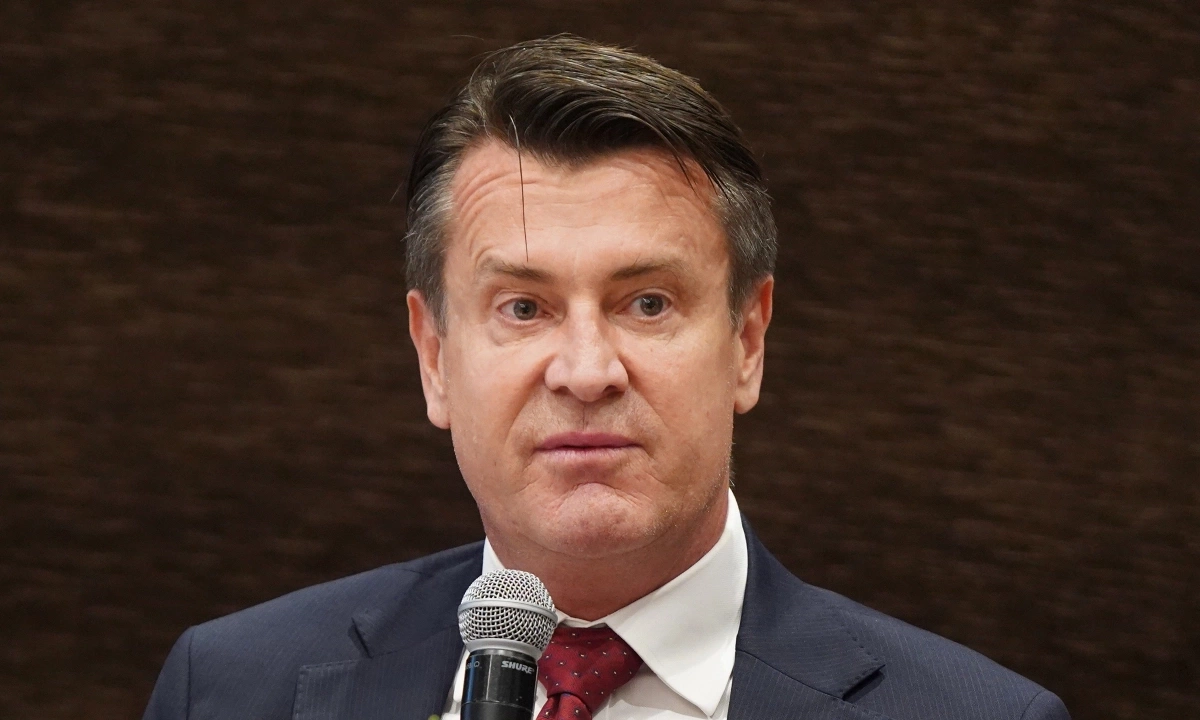 'Viễn thông Việt Nam đã qua thời cạnh tranh bằng giá'
Thay vì chạy đua về giá trên mỗi megabit, đại diện GSMA nhận định nhà mạng Việt Nam cần lấy chất lượng làm mục tiêu, đồng thời tiến tới chuyển đổi thành công ty công nghệ, công ty AI.
-
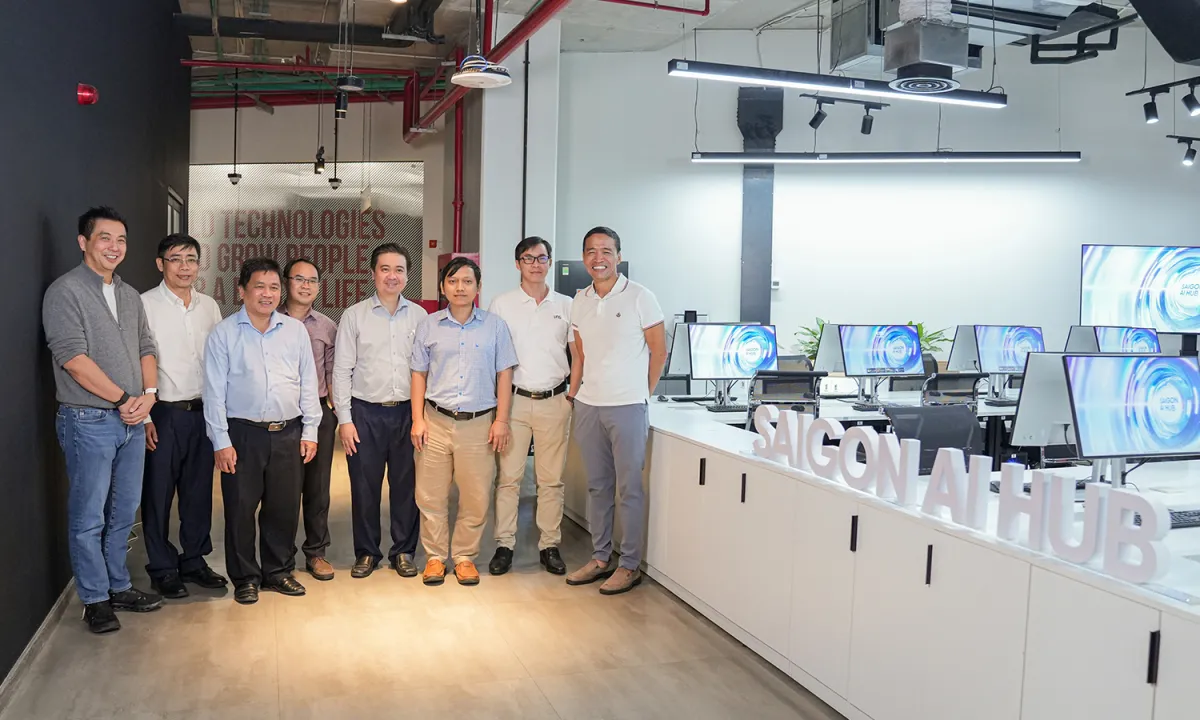 Kỳ vọng từ mô hình nghiên cứu AI mở đầu tiên của Việt Nam
Saigon AI Hub chọn mô hình mở để kết nối hạ tầng, học thuật và cộng đồng nghiên cứu, kỳ vọng tạo lối đi riêng để đưa AI Việt Nam vào thị trường toàn cầu.
-
 Ứng dụng ChatGPT đạt một tỷ người dùng hàng tháng
ChatGPT trở thành ứng dụng đạt một tỷ người dùng hàng tháng nhanh nhất từ trước đến nay khi chỉ cần khoảng ba năm.
-
 'Sinh viên hào hứng với AI, nhưng thấy bất định về tương lai'
Theo Rafif Srour, Phó hiệu trưởng Trường Khoa học và Công nghệ IE, dù hào hứng với AI, sinh viên băn khoăn sự nghiệp của họ sẽ thay đổi ra sao trong một nền kinh tế dẫn dắt bởi trí tuệ nhân tạo.
-
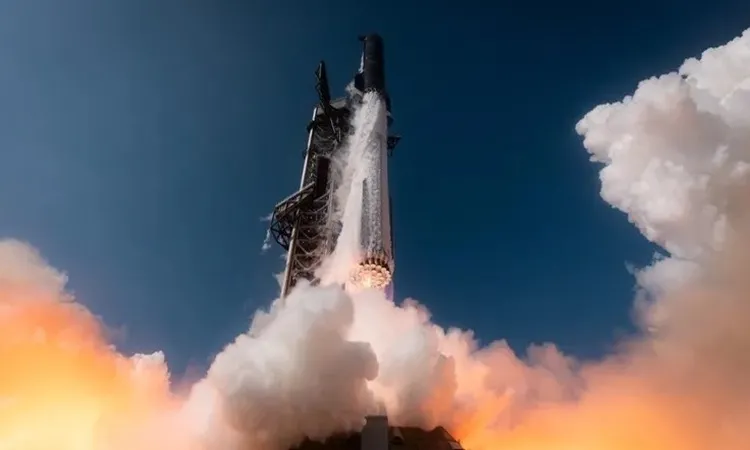 Tương lai của siêu tên lửa Starship V3
Sau chuyến bay thử hôm 22/2, siêu tên lửa Starship V3 sẽ cần phóng lên quỹ đạo Trái Đất và tiếp nhiên liệu ở đó để sẵn sàng cho nhiệm vụ Artemis 3 của NASA.
-
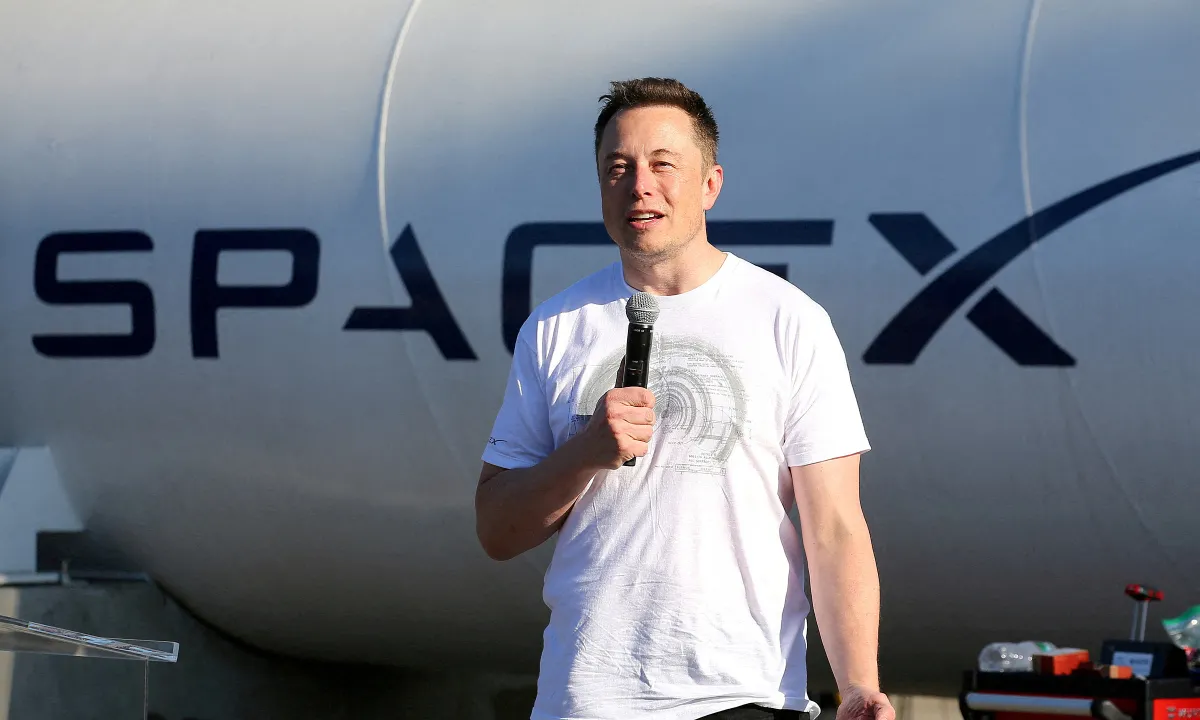 Nước sạch có thể là rủi ro khi SapceX tiến hành IPO
SpaceX cảnh báo các nhà đầu tư rằng tình trạng khan hiếm nước có thể kìm hãm cuộc đua AI.
-
 Microsoft bị chỉ trích vì dọa kiện người tiết lộ lỗ hổng Windows
Microsoft đăng bài viết chỉ trích và dọa kiện nhà nghiên cứu bảo mật vì công khai loạt lỗi liên quan đến công cụ chống virus và mã hóa ổ đĩa của Windows.
-
 Xiaomi Watch S5 - smartwatch khung thép, pin 21 ngày
Xiaomi Watch S5 nổi bật với khung bằng thép, độ hoàn thiện tốt, màn hình AMOLED độ sáng cao và thời lượng pin tối đa 21 ngày nhưng chưa có lựa chọn cỡ nhỏ.
-
 Hậu quả từ vụ nổ bất thường của tên lửa Blue Origin
Tên lửa New Glenn của Blue Origin nổ tung khi thử nghiệm, khiến bệ phóng hư hại và có thể làm chậm chương trình Mặt Trăng của NASA.
-
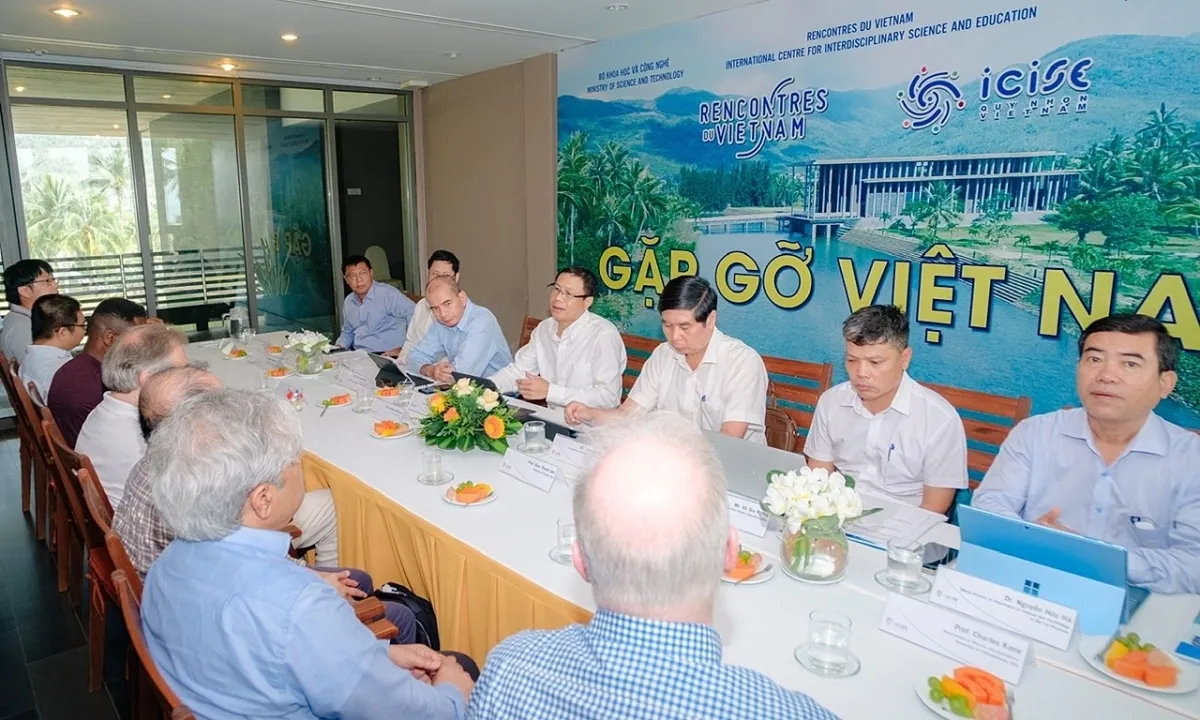 'Việt Nam xây dựng các nhóm nghiên cứu mạnh phát triển công nghệ lượng tử'
Thứ trưởng Lê Xuân Định cho rằng Việt Nam không tiếp cận lượng tử theo phong trào, mà xây dựng năng lực thực chất bắt đầu từ nền tảng khoa học cơ bản, hình thành các nhóm nghiên cứu mạnh.


