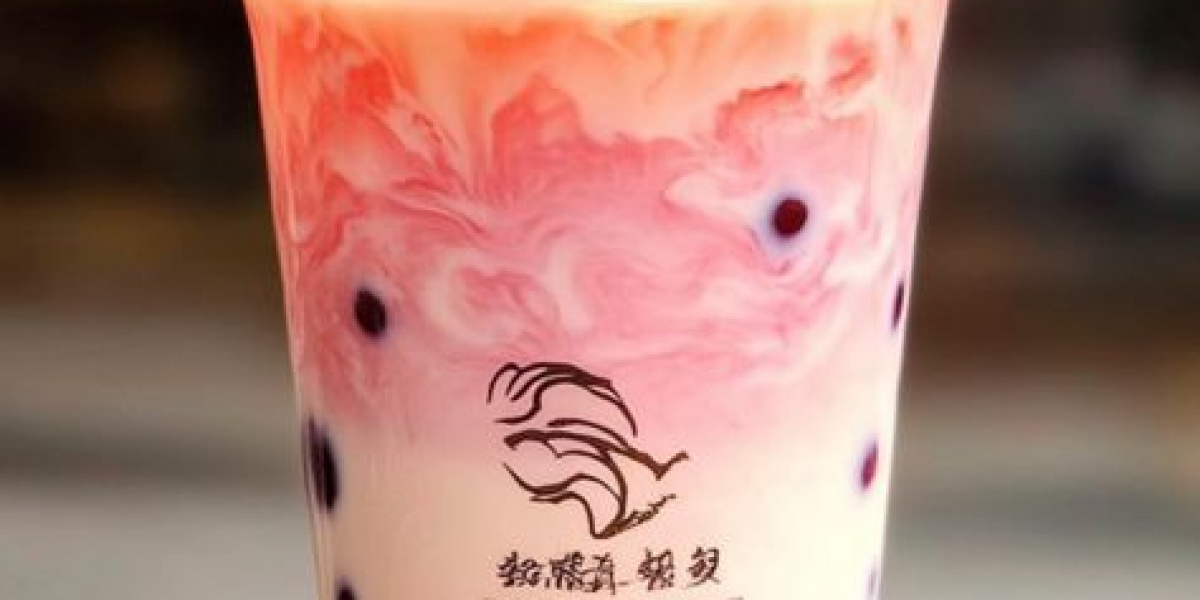
Boba pearls—also referred to as tapioca pearls—are small, round spheres made primarily from tapioca starch, derived from the cassava root. Traditionally black in color due to brown sugar or caramel additives, modern variations can be found in white, transparent, or even colorful versions infused with flavors like mango, strawberry, or lychee.
Originally popularized in Taiwan during the 1980s, boba pearls were introduced as a unique textural addition to milk tea. Over time, their popularity spread across Asia and eventually to North America, Europe, and the Middle East—including the fast-growing UAE market.
The production of boba pearls involves a multi-step process that blends science and culinary art:
Tapioca Extraction: The process starts by extracting starch from the cassava root. The starch is then refined and dried into a powder.
Kneading and Shaping: This starch is mixed with boiling water and kneaded until it forms a thick, pliable dough. The dough is then rolled and cut into small spheres.
Coloring and Flavoring: Additives like brown sugar syrup, fruit essence, or natural colorants may be introduced.
Cooking and Packaging: The pearls are boiled until chewy, then either packaged in syrup or dried for export.
Zawaa Foods maintains a strict quality control system throughout the entire production process to ensure consistent texture, flavor, and food safety.
In recent years, the UAE has seen a surge in the number of bubble tea cafés, with Dubai and Abu Dhabi being home to dozens of specialty stores. This demand has fueled a booming market for boba pearls, both locally and for export. Cafés, dessert shops, and even food delivery businesses seek dependable suppliers like Zawaa Foods to maintain the consistency and quality of their beverages.
Zawaa Foods not only supplies to food chains across the UAE but also partners with startups and retail outlets looking to create private-label products. With a focus on innovation, the company is constantly experimenting with new textures, flavors, and sustainable packaging to meet diverse customer needs.
Although commonly associated with beverages, boba pearls have made their way into various culinary applications:
Desserts: Boba pearls are increasingly being used in ice creams, yogurts, and puddings.
Cocktails: Mixologists are incorporating flavored pearls in mocktails and cocktails to add texture and visual appeal.
Savory Dishes: Some chefs have begun experimenting with non-sweet versions of boba for avant-garde gastronomy.
Zawaa Foods offers custom options for clients looking to incorporate boba pearls into unique dishes or drinks, ensuring versatility and food-grade safety.
Choosing the right supplier for boba pearls is critical for consistency in taste, texture, and overall product performance. Zawaa Foods stands out for the following reasons:
Premium Quality Ingredients: Only high-grade tapioca starch and food-safe additives are used.
Custom Formulations: Whether it’s for classic milk tea or a unique dessert concept, we provide customized solutions.
Bulk Supply Capability: Our production capacity meets both small-scale and large-scale commercial needs.
Strict Quality Assurance: Every batch undergoes rigorous testing to ensure compliance with food safety standards.
By choosing Zawaa Foods, brands ensure a reliable supply chain, consistent product quality, and innovative support from an experienced food manufacturer.
As consumers become more conscious about what they consume, questions about sustainability and sourcing have taken center stage. Zawaa Foods is committed to environmentally responsible practices. From sourcing cassava ethically to minimizing water and energy use in manufacturing, we aim to make the production of boba pearls as eco-friendly as possible.
Additionally, we are working toward biodegradable packaging options to help reduce the carbon footprint associated with food distribution.
1. Are boba pearls vegan?
Yes, traditional boba pearls are made from tapioca starch and water, making them vegan. However, some flavored or honey-infused versions may contain animal-derived ingredients. Zawaa Foods clearly labels all ingredients for transparency.
2. How long do boba pearls last?
Uncooked dried boba pearls can last up to 6–12 months when stored in a cool, dry place. Cooked pearls, however, are best consumed within 4–6 hours for optimal texture.
3. Can I cook boba pearls at home?
Absolutely. Boil the pearls in water for 20–30 minutes, then let them sit for another 15 minutes. Rinse with cold water and soak in sugar syrup before use. Zawaa Foods offers easy-to-cook boba kits for home consumers and cafés.
4. Are there sugar-free boba pearls available?
Yes. Zawaa Foods offers sugar-free and low-calorie variants to meet the growing demand for health-conscious products.
5. Do boba pearls contain allergens?
Traditional boba pearls are gluten-free and nut-free. However, flavored variants may contain additives. Always check the label or consult your supplier.
6. Is it possible to import boba pearls to other countries from Zawaa Foods?
Yes. We are export-ready and comply with international food safety certifications. Whether you’re a café in the GCC or a dessert chain in Europe, Zawaa Foods can fulfill your supply requirements efficiently.
Boba pearls have transcended from a niche ingredient in Taiwanese milk tea to a global trend influencing dessert and beverage innovation. For businesses aiming to ride this wave of popularity, sourcing the right product is essential. Zawaa Foods, with its commitment to quality, customization, and sustainability, is your ideal partner in the world of boba pearls.

Phamngoc King
28 posts
-
 Why Drew Clothing and Drew House Are Trending with Drew Justin Bieber Fans
Drew House, inspired by the relaxed fashion culture surrounding Justin Drew Bieber, has become one of the most recognized names in modern streetwear. More
-
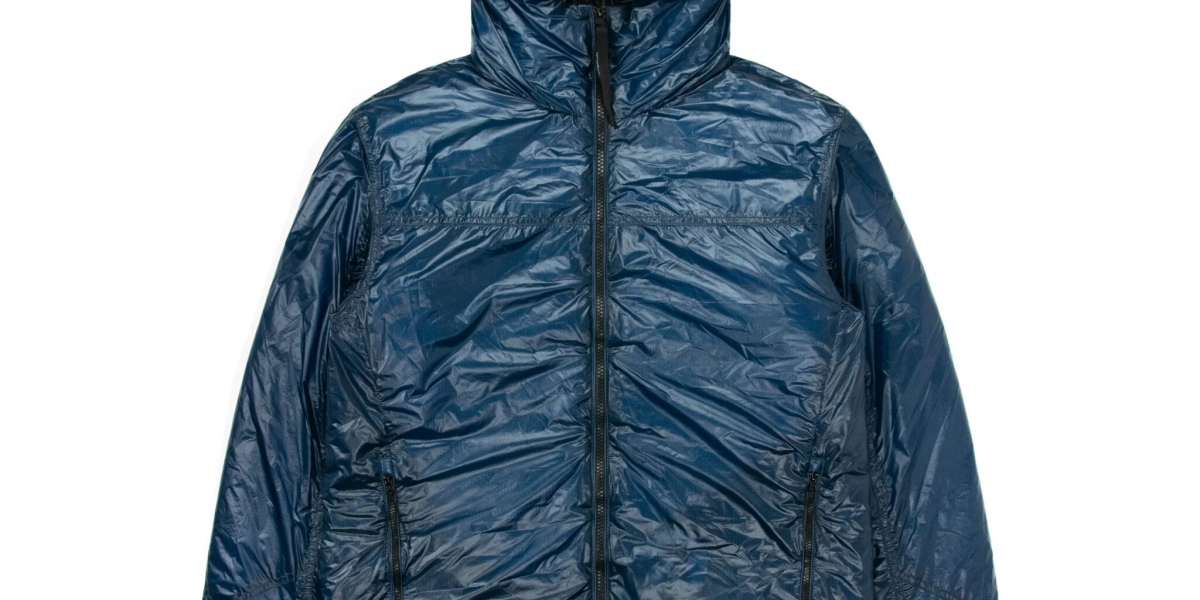 Protect London | Protect LDN Clothing | Shop Now
Step into the world of timeless style and bold fashion with Protect London meets sophistication. Known for its premium fabrics, edgy designs.
-
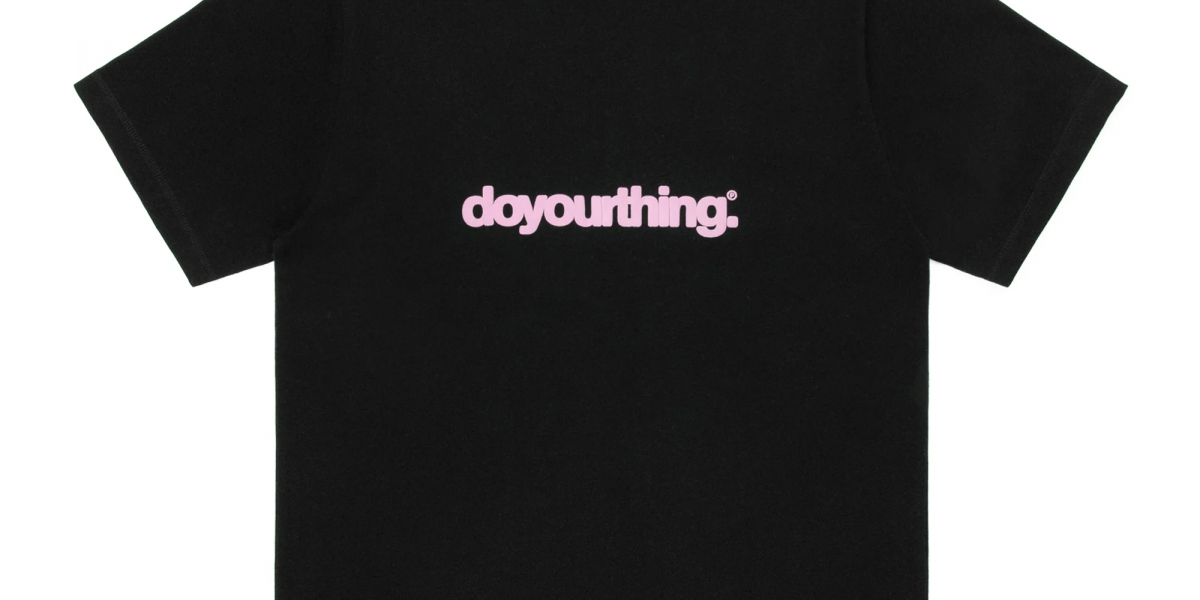 Poser London || Poser joggers || Official Store Shop Now
Poser London delivers modern streetwear with a bold comfort.Designed for everyday wear, it blends clean style with effortless confidence.
-
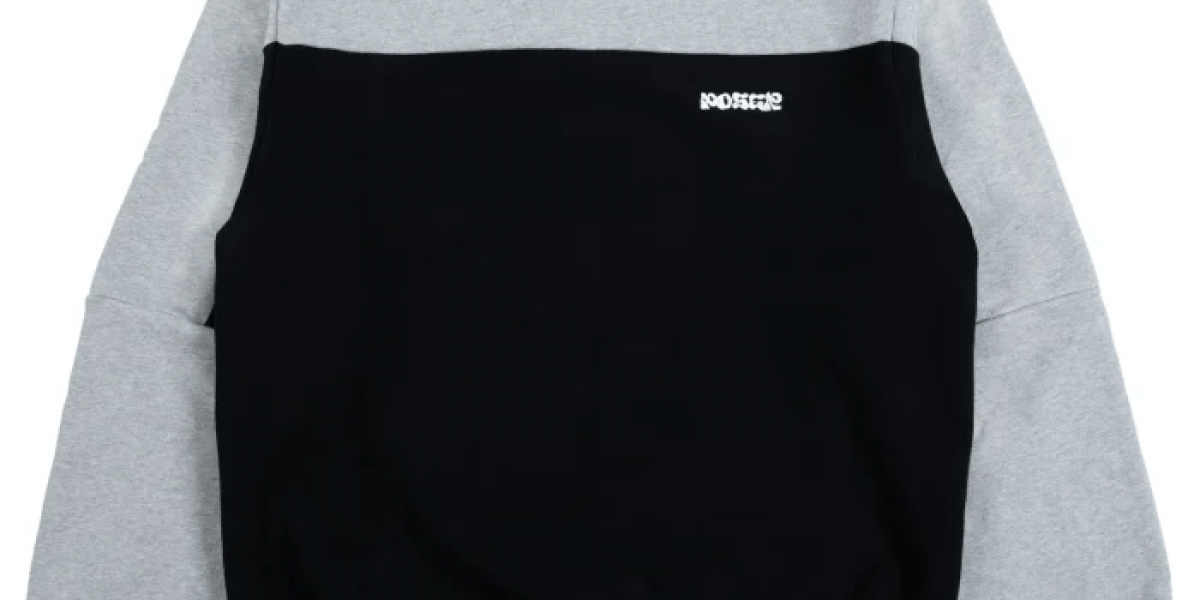 Protect London | Protect LDN Clothing | Shop Now
Step into the world of timeless style and bold fashion with Protect London meets sophistication. Known for its premium fabrics, edgy designs.
-
 Palace | Palace Skateboard | Palace Official Store | Upto 30% OFF
Palace Classic Tri-Ferg Hood: A cornerstone of streetwear. This cotton hoodie features the world-renowned Tri-Ferg logo on the chest and back.
-
What Are the Best Bras for Small Bust Sizes Comfort
Find the best bras for small bust sizes that offer comfort, light support, and a natural shape. Learn how to choose the right styles, fabrics, and fit for everyday wear to feel confident and comfortable all day long.
-
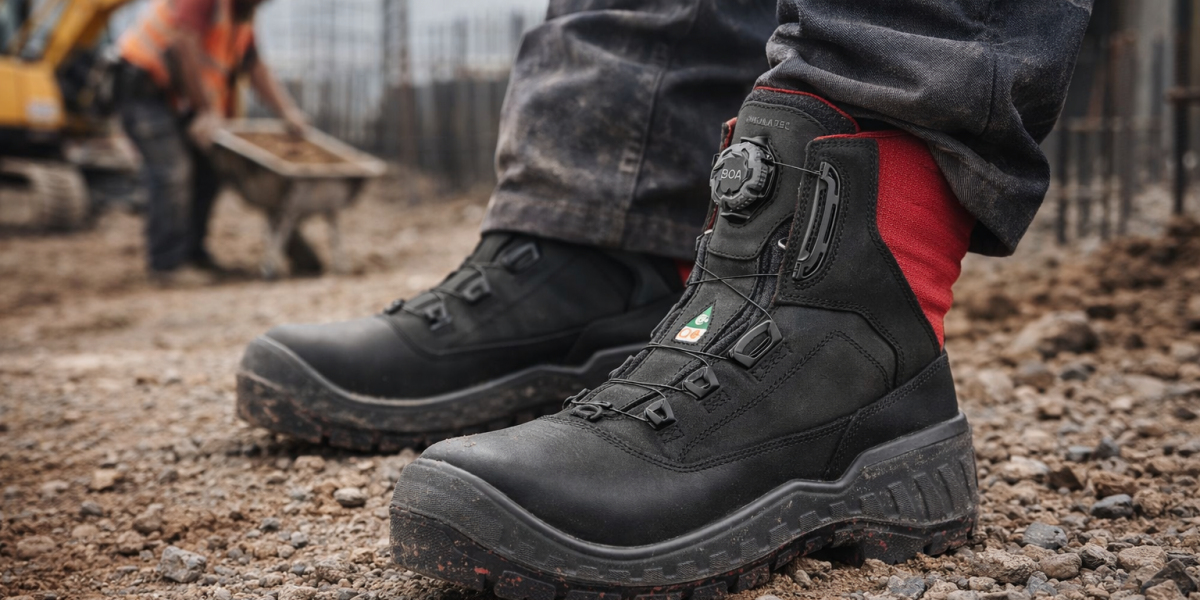 What Are the Best Waterproof Safety Boots to Buy Online in the UK
Choosing the right safety footwear is not just about protection. It directly impacts comfort, productivity and long-term foot health
-
 Detaillierte Analyse der Haltbarkeit von Sex Torso
Die Haltbarkeit von Torsopuppen lässt sich nicht einfach mit „Ja“ oder „Nein“ beantworten; vielmehr kommt es auf die richtige Pflege an. Obwohl sie nicht zerbrechlich sind, vertragen sie keine grobe Behandlung. Sorgfältige Pflege und sorgsame Nutzung sind entscheidend für ihre L
-
 The Essential Guide to Finding a Safe and Productive Girls Hostel in Islamabad
The Essential Guide to Finding a Safe and Productive Girls Hostel in Islamabad
-
 Godrej Sector 63A Gurgaon – Modern Living on Golf Course Extension Road
Godrej Sector 63A Gurgaon price list, floor plans, and premium flats near Golf Course Extension Road. Check latest prices, amenities, and investment benefits.
-
 Terabox APK: A Complete Guide to Cloud Storage on Your Device
Terabox APK: A Complete Guide to Cloud Storage on Your Device