
Autoimmune diseases occur when the body’s immune system mistakenly attacks its own cells, tissues, or organs, as if they were foreign invaders. The immune system, which typically protects the body against harmful pathogens like bacteria and viruses, becomes confused and starts targeting healthy cells, leading to inflammation, tissue damage, and a wide range of health problems. Autoimmune diseases can affect nearly any part of the body and may vary in severity from mild to life-threatening.
What is the Immune System?
The immune system is a complex network of cells, tissues, and organs that work together to protect the body from harmful substances such as viruses, bacteria, and toxins. It is made up of white blood cells, antibodies, the lymphatic system, and other components that help recognize and fight invaders. Under normal circumstances, the immune system can distinguish between the body’s own cells and foreign cells. However, in autoimmune diseases, the immune system fails to differentiate, leading to attacks on the body’s healthy tissues.
Common Types of Autoimmune Diseases
There are over 80 different types of autoimmune diseases, and each can affect different organs and systems. Some of the most common autoimmune diseases include:
- Rheumatoid Arthritis (RA): RA is a chronic inflammatory disorder that primarily affects the joints. It can cause pain, swelling, stiffness, and loss of function. In severe cases, it may lead to joint damage and deformity.
- Systemic Lupus Erythematosus (SLE): Commonly referred to as lupus, SLE is a disease that affects multiple organs, including the skin, joints, kidneys, heart, and lungs. It can cause symptoms such as fatigue, joint pain, skin rashes, and kidney problems.
- Multiple Sclerosis (MS): MS affects the central nervous system, particularly the brain and spinal cord. It occurs when the immune system attacks the protective covering of nerve fibers, leading to communication problems between the brain and the rest of the body. Symptoms include muscle weakness, coordination issues, and numbness.
- Type 1 Diabetes: This autoimmune disease targets the insulin-producing cells in the pancreas, leading to high blood sugar levels. It is most commonly diagnosed in children and young adults and requires lifelong insulin therapy.
- Hashimoto’s Thyroiditis: This condition affects the thyroid gland, leading to an underactive thyroid (hypothyroidism). It can cause fatigue, weight gain, cold intolerance, and depression.
- Celiac Disease: Celiac disease is a digestive disorder triggered by the consumption of gluten, a protein found in wheat, barley, and rye. In individuals with celiac disease, gluten causes an immune reaction that damages the lining of the small intestine, leading to nutrient malabsorption and various gastrointestinal symptoms.
- Graves' Disease: In contrast to Hashimoto’s thyroiditis, Graves' disease causes an overactive thyroid (hyperthyroidism). It results in symptoms such as weight loss, rapid heartbeat, irritability, and bulging eyes.
- Psoriasis: Psoriasis is a skin disorder in which the immune system speeds up the growth of skin cells, leading to thick, scaly patches on the skin. It most commonly affects the scalp, elbows, and knees.
Causes of Autoimmune Diseases
The exact cause of autoimmune diseases remains unclear, but several factors are believed to contribute to their development. These include:
- Genetics: A family history of autoimmune diseases increases the risk of developing one. Certain genes have been identified that may predispose individuals to autoimmune conditions.
- Environmental Triggers: Environmental factors such as infections, toxins, and stress may trigger autoimmune diseases in genetically predisposed individuals. For example, viral infections are thought to play a role in triggering diseases like multiple sclerosis and lupus.
- Hormonal Factors: Autoimmune diseases are more common in women than in men, suggesting that hormones may influence the development of these conditions. Estrogen, in particular, has been implicated in promoting autoimmune responses.
- Immune System Dysfunction: In autoimmune diseases, the immune system loses its ability to distinguish between self and non-self. This dysfunction may be triggered by an infection, injury, or other factors that cause the immune system to mistakenly attack the body’s own tissues.
Symptoms of Autoimmune Diseases
The symptoms of autoimmune diseases vary depending on the condition and the organs involved. Some common symptoms include:
- Fatigue: Chronic tiredness is one of the most common and debilitating symptoms of many autoimmune diseases.
- Joint Pain and Swelling: Many autoimmune diseases, such as rheumatoid arthritis, cause inflammation in the joints, leading to pain, swelling, and stiffness.
- Skin Problems: Rashes, sores, and other skin conditions are common in autoimmune diseases like lupus and psoriasis.
- Digestive Issues: Conditions like celiac disease and Crohn’s disease can cause digestive problems such as diarrhea, abdominal pain, and bloating.
- Numbness or Tingling: In diseases like multiple sclerosis, nerve damage can result in sensations of numbness or tingling, particularly in the arms and legs.
- Hair Loss: Autoimmune diseases such as alopecia areata cause the immune system to attack hair follicles, leading to hair loss.
- Fever: Persistent low-grade fever is common in several autoimmune diseases.
Diagnosis of Autoimmune Diseases
Diagnosing autoimmune diseases can be challenging because their symptoms overlap with those of other conditions. Doctors typically rely on a combination of the following methods to make a diagnosis:
- Medical History and Symptoms: A doctor will ask about the patient's symptoms and family history to help identify potential autoimmune diseases.
- Blood Tests: Blood tests can detect markers of inflammation and the presence of autoantibodies, which are proteins produced by the immune system that mistakenly attack the body’s tissues. For example, the presence of the antinuclear antibody (ANA) is common in lupus.
- Imaging Tests: Imaging tests such as X-rays, MRIs, and ultrasounds can help identify joint damage or inflammation in certain autoimmune conditions.
- Biopsy: In some cases, a biopsy of affected tissue (e.g., skin, liver, or kidney) may be necessary to confirm the diagnosis.
Treatment of Autoimmune Diseases
There is no cure for autoimmune diseases, but treatments are available to manage symptoms, control the immune system's activity, and prevent further damage to the body. Common treatment approaches include:
- Immunosuppressive Medications: Drugs that suppress the activity of the immune system, such as corticosteroids and disease-modifying antirheumatic drugs (DMARDs), are commonly used to treat autoimmune diseases. These medications help reduce inflammation and prevent the immune system from attacking the body’s tissues.
- Biologic Therapies: Biologic drugs are a newer class of treatments that target specific components of the immune system involved in inflammation. They are often used for conditions like rheumatoid arthritis, psoriasis, and lupus.
- Pain Management: Nonsteroidal anti-inflammatory drugs (NSAIDs) and analgesics can help manage pain and inflammation in conditions like rheumatoid arthritis.
- Lifestyle Modifications: A healthy diet, regular exercise, stress management, and adequate rest are important for managing autoimmune diseases. Some people also find relief from alternative therapies such as acupuncture or yoga.
- Organ-Specific Treatment: In cases where an autoimmune disease affects a specific organ, such as the thyroid or kidneys, targeted treatments (e.g., thyroid hormone replacement or dialysis) may be necessary.
Living with Autoimmune Diseases
Living with an autoimmune disease can be challenging, as symptoms may fluctuate and affect daily activities. However, with appropriate treatment and lifestyle changes, many people with autoimmune diseases can manage their condition and maintain a good quality of life.
Support groups, counseling, and education about the disease can also help individuals cope with the emotional and psychological aspects of living with a chronic condition.
Conclusion
Autoimmune System Diseases are complex and varied conditions that occur when the immune system mistakenly attacks the body’s own tissues. While the exact cause is still unknown, genetics, environmental factors, and immune dysfunction are thought to play a role. Early diagnosis and appropriate treatment can help manage symptoms and prevent further damage to the body. If you suspect you have an autoimmune disease, it is important to consult a healthcare professional for a proper evaluation and treatment plan.

Chloe Roberts
1 posts
-
 Trapstar London Clothinng Store
Seasonal Streetwear Guide: How to Style Trapstar London All Year Round
-
 Harvester Rayleigh Weir Guide | Menu, Dining Experience & Family Restaurant
Discover everything about Harvester Rayleigh Weir, including dining options, family-friendly features, menu highlights, atmosphere, and tips for an enjoyable restaurant visit.
-
 The Design Evolution of Chrome Hearts Through the Years
Trace the design evolution of Chrome Hearts through the years, from handcrafted biker jewelry to a globally recognized luxury fashion label.
-
 Why Princess Cut Lab-Grown Diamond Rings Are the Perfect Choice for Modern Brides
Discover why lab-grown diamond rings have become a preferred choice for modern brides. Learn about their beauty, value, sustainability, and how they complement contemporary bridal jewelry trends.
-
 Turkin puolustusteollisuuden nopea kasvu – mahdollisuus vai huolenaihe?
Turkin puolustusteollisuus on viime vuosina kasvanut nopeasti sekä tuotannon, teknologian että viennin osalta, mikä on nostanut maan merkittäväksi toimijaksi kansainvälisillä markkinoilla.
-
 Chrome Hearts Hoodie Streetwear Fashion Trends Modern Luxury Style Guide 2026 Update
Explore Chrome Hearts hoodie, chromeheartsring, and chrome hearts inspired streetwear fashion. Discover premium urban style outfits designed for modern fashion lovers who want bold, luxury, and comfortable everyday streetwear looks.
-
 The Silhouette Protocol:Demolishing Cheap Wardrobe Blanks by Interlocking Technical geeddupau Frameworks, commes de garc
An engineering guide for high-end casual style curation. Learn how to match the raw underground energy of high-GSM subcultural fleece with iconic Japanese runway motifs and premium British athletic cotton blanks.
-
 How MesoGold Stamp Therapy in Islamabad Improves Skin Texture and Glow
Discover how MesoGold Stamp Therapy in Islamabad improves skin texture, boosts hydration, and enhances natural glow for healthier-looking skin.
-
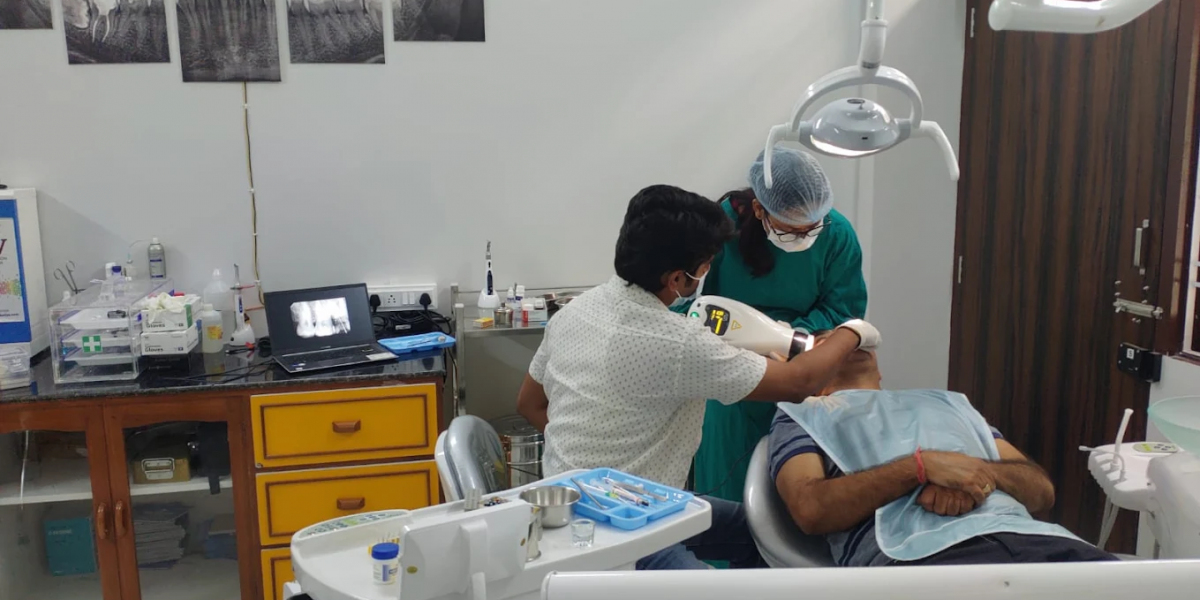 Best Dental Clinic in Jaipur | Expert Dentists & Advanced Dental Treatments
Know Best Dental Clinic in Jaipur | Expert Dentists & Advanced Dental Treatments
-
 Are Pre-Owned Shoes Worth Buying in 2026?
Discover whether pre-owned shoes are worth buying in 2026. Learn about affordability, sustainability, quality, comfort, and how to choose the best secondhand footwear.
-
 En İyi Robot Süpürge Modelleri ve Akıllı Temizlik Teknolojilerinin Avantajları
En iyi robot süpürge seçimi yaparken emiş gücü, pil ömrü, haritalama sistemi ve kullanım kolaylığı gibi faktörleri değerlendirmek önemlidir. İhtiyaçlarınıza uygun bir model tercih ederek günlük temizlik işlerini büyük ölçüde kolaylaştırabilirsiniz.


