UK experiences hottest June day ever as 36.4C recorded in Yeovilton, Somerset

By Damian Carrington, environment editor, and Ashifa Kassam in Madrid • June 25, 2026 • Environment
Highest June minimum temperature record broken earlier, at 23.5C in Cardiff
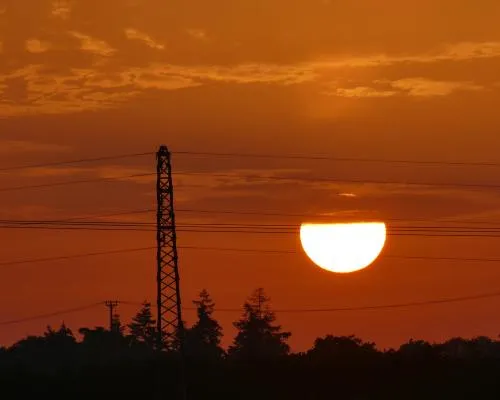
Thursday was the UK’s hottest June day on record with a provisional temperature of 36.4C (97.5F) recorded in Yeovilton, Somerset, the Met Office has said, as brutally hot conditions supercharged by the climate crisis continue across Europe. The new provisional temperature surpasses Wednesday’s record of 36.1C in Gosport, Hampshire, beating the previous peak of 35.6C set in Southampton in 1976. Earlier on Thursday, the Met Office said a sweltering night in Cardiff broke another new UK heat record. Temperatures only fell to 23.5C overnight in the Welsh capital, making it the highest minimum temperature ever recorded in June. Heatwaves are now more severe and more likely because of the carbon pollution from burning fossil fuels, with scientists estimating the current extreme temperatures across Europe are between 2C and 4C higher as a result. Many thousands of people are likely to have died prematurely in the heat, but the statistical analysis required to determine the number takes time to complete. The UK Health Security Agency found that more than 10,000 people died in Britain owing to summer heatwaves between 2020 and 2024. The UKHSA has extended its red heat-health alert by 24 hours to 11pm on Friday. It is only the second red alert ever issued by the agency. The Met Office also extended its red alert for south-east England until 9pm on Friday. Rising global heat is now killing one person a minute around the world, health experts said in October. “Europe’s savage heatwave is the latest price to pay for fossil fuel pollution baking our planet,” said Simon Stiell, the UN’s climate chief. “Schools closing, the vulnerable dying, economies sweating: this is what the climate crisis looks like in practice, and it’s just getting started.” Global heating will not stop until carbon emissions fall to net zero, but they rose again in 2025. “Extreme heat will keep getting worse, and other climate impacts – from mega-droughts, floods, wildfires and storms – will keep hammering every economy and population harder each year,” said Stiell. “But the solutions are equally clear: a faster shift to renewables – which are now much cheaper than fossil fuels – as well as protecting forests. There’s no time to lose.” The UK parliament voted overwhelmingly on Wednesday to set a legally binding target of an 87% cut in emissions by 2040. That figure was proposed by the government’s official adviser, the Climate Change Committee, which said in May that the UK’s infrastructure was “built for a climate that no longer exists” and needed urgent improvement to protect people from the climate crisis. Many schools have closed and rail journeys have been cancelled during the UK heatwave this week, which has been made even more dangerous and uncomfortable by high humidity. Sadiq Khan, the mayor of London, launched the city’s first heat plan on Thursday. “Extreme temperatures are no longer a future threat, they are a present danger,” he said. The plan includes retrofitting homes at the highest risk of overheating, more tree cover, and safe access to water for paddling and swimming. A 2025 study found the number of UK homes reporting overheating in summer quadrupled to 80% in a decade. Measurements taken by Greenpeace found pavements, rail platforms, building sites and other places across London reached surface temperatures of 50C to 60C on Wednesday. The black rubber floor of a playground in Islington was recorded at 53C at 5pm. “This record-smashing heatwave has turned London into a sticky, sizzling cauldron,” said Mel Evans, Greenpeace UK’s head of climate. “This isn’t just weather – it’s a public health emergency driven by fossil fuel giants. These abnormal temperatures are stretching homes, schools, transport and our own health to breaking point.”
Source: The Guardian
Green News
152 posts
-
 Polanski and unions warn Burnham against backsliding on climate action
Debate in Labour and union movement over climate commitments as many call for Burnham not to allow drilling in North Sea
-
 ‘Act on the evidence outside the window’: Andy Burnham urged to stick to net zero targets if he becomes PM
Mayor of Manchester is coming under pressure from some to ditch net zero targets but this could be highly damaging on many levels
-
 Datacentres facing increase in global climate-related legal cases, report finds
LSE analysis highlights litigation linked to energy sources, water consumption and air pollution
-
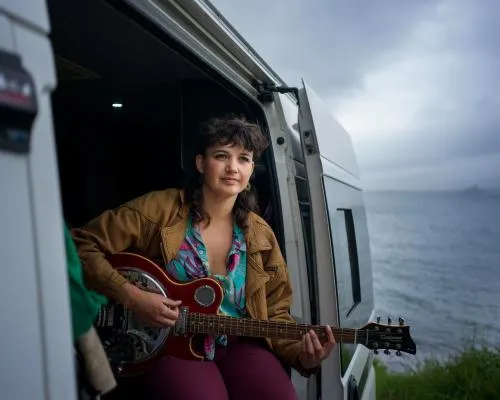 ’It can flip quickly from being idyllic’: the reality of life for young van dwellers priced out of Cornwall’s housing ma
With tourists buying up property and landlords opting for lucrative Airbnb rentals, young Cornish people are turning to old campervans to give them a roof over their heads
-
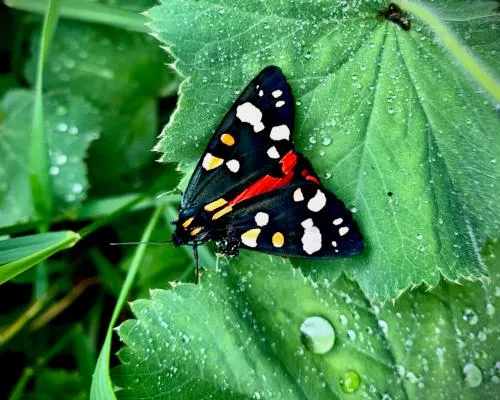 Country diary: Bright and bohemian, this moth could be a David Hockney
The Marches, Shropshire: Scarlet tiger moths are on the wing at our allotment, taking advantage of the sunny days – and our human activity
-
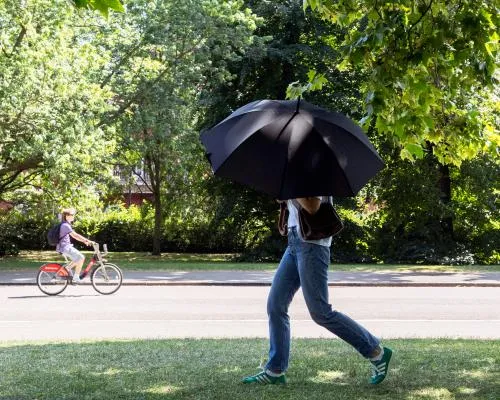 We must be prepared for deadly heatwaves to get worse
Letter: Readers react to the brutal heat conditions affecting Britain and Europe
-
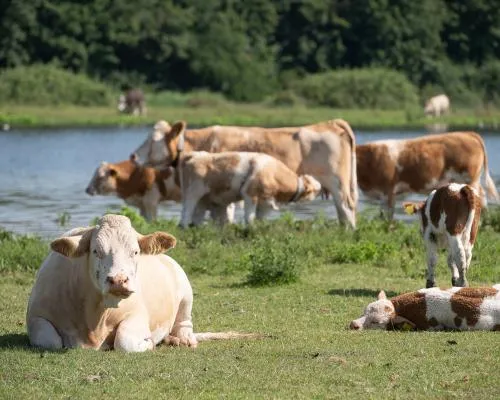 Farmers criticise government plan to counter threats to UK food security
Plan warns climate crisis will lead to food price shocks and shortages but farmers say it fails to adequately fund response
-
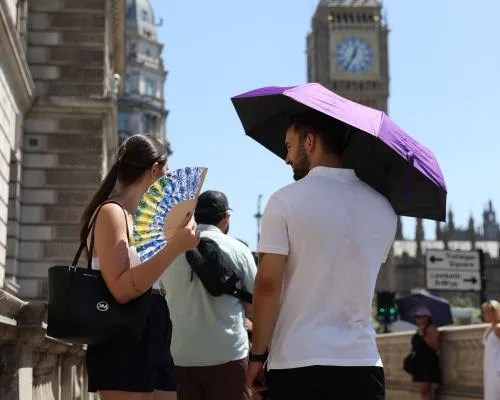 Why humidity is making UK’s record-breaking June day feel hotter
Current heatwave is very moist, making it feel worse, especially at night, than all-time high of 40.3C in July 2022
-
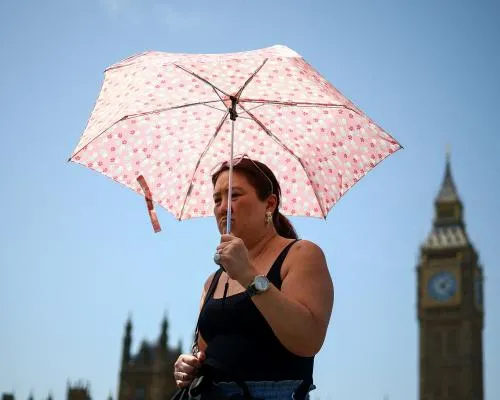 UK records its hottest June day, beating highs from 1957 and 1976
Temperature of 35.7C recorded in Surrey, beating previous record of 35.6C, while France records hottest day nationally
-
 Why are Australian energy prices going up – and when will electricity bills come down?
Power prices are expected to fall from 1 July – but the savings, touted by Chris Bowen, won’t be passed on to many households and businesses


