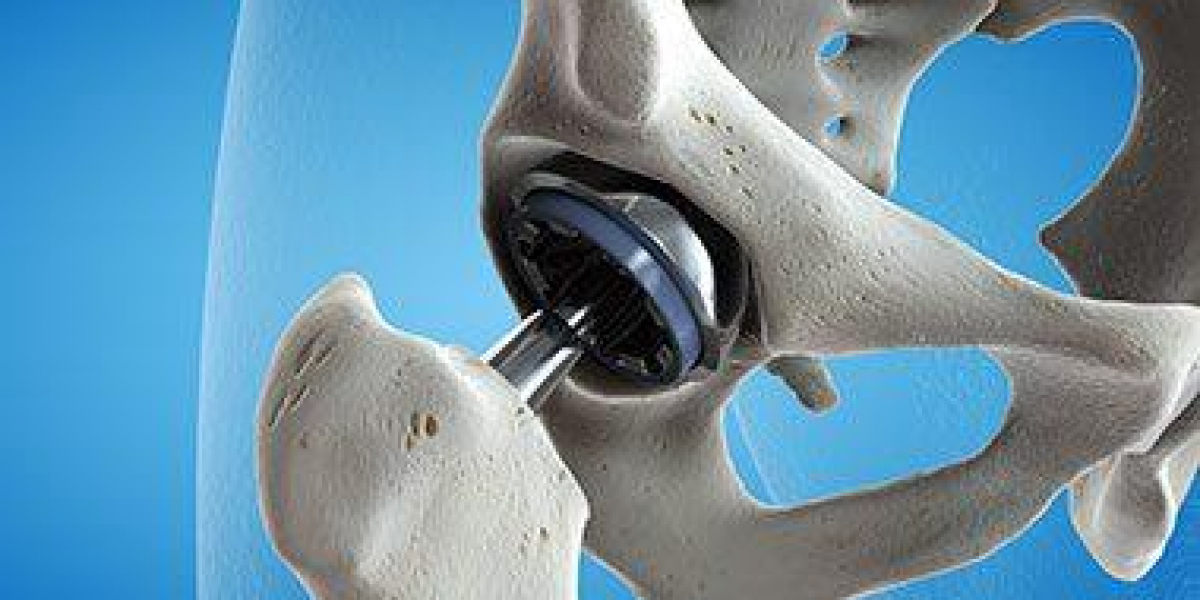
Total hip replacement surgery is a transformative procedure that can significantly improve your quality of life by relieving chronic hip pain and restoring mobility. However, the recovery process is gradual and requires patience, dedication, and careful attention to rehabilitation. Here’s a week-by-week guide to what you can expect during the recovery phase after total hip replacement surgery.
Goals: Manage pain, begin mobility exercises, and prevent complications.
The first week after surgery is focused on managing pain, reducing inflammation, and preventing complications such as blood clots or infections. You’ll likely spend 1–3 days in the hospital, where healthcare professionals will monitor your progress and ensure your new hip functions properly.
Goals: Improve strength, regain mobility, and adjust to daily activities.
During the second week of recovery, you’ll feel stronger as your body adjusts to the new hip. You’ll continue working with physical therapists to improve your range of motion and mobility.
Your body is recovering well, and you should start noticing significant improvements in your mobility and strength.
By the end of week 4, your mobility and strength should be significantly improved, and you’ll be able to engage in light daily activities without much assistance.
During weeks 5 and 6, you’ll continue to improve your mobility, strength, and balance. Physical therapy will become more focused on achieving functional goals, such as regaining the ability to walk without assistance and performing normal daily tasks independently.
By weeks 7 and 8, your hip replacement recovery is progressing well, and you should be nearly back to your usual routines, though some restrictions may still apply.
After about two months, most patients have significantly improved their range of motion, strength, and mobility. However, full recovery can take up to a year for some individuals, depending on factors like age, overall health, and adherence to rehabilitation.
The recovery process after total hip replacement surgery is gradual but rewarding. By following your surgeon’s instructions, attending physical therapy, and staying active, you can look forward to regaining your mobility and quality of life. Every patient’s recovery journey is unique, so it’s important to listen to your body, avoid overexertion, and take the time needed for healing. With patience and dedication, you can successfully return to a pain-free, active lifestyle.
Source Link Or Official Link:: https://www.edhacare.com/treatments/orthopedic/hip-replacement

John Friendly
23 posts
-
 Mastering Survival: Helldivers 2 Dragonroach Guide – How to Survive the Bile Dragon
Facing the Bile Dragon in Helldivers 2 can be a daunting task, even for experienced players.
-
 SEO para seu site: aumente o tráfego e conquiste clientes hoje
AgêNcia De SEO No Brasil agência de seo brasil A otimização
-
 Arnold Schwarzenegger On Using Steroids During Bodybuilding Career
Arnold Schwarzenegger On Using Steroids During Bodybuilding Career Arnold Schwarzenegger Explains His Olympia‑Era PED Use When the world first heard of Arnold Schwarzenegger’s name, git.ecq.
-
 Full Recovery May Be Possible Among Men Who Use Steroids For Muscle Growth
You’ve probably seen or heard about people using steroids (anabolic‑androgenic steroids, https://git.mdp.edu.ar/wilbertmcgriff AAS) to get bigger muscle mass faster.
-
 máy rửa bát hàn quốc
Máy rửa bát gia đình chủ yếu sử dụng nước nóng kết hợp cùng hóa chất tẩy rửa thông thường. Điều này giúp bát đĩa sạch dầu mỡ nhưng chưa chắc loại bỏ hoàn toàn vi khuẩn.
-
 The Value of Formation Réfractaire in Industrial Sectors
In industries such as steel, cement, petrochemicals, and glass, high-temperature equipment depends on reliable refractory linings. To ensure proper installation, maintenance, and inspection of these linings, professional formation réfractaire is essential for engineers, technicians, and m
-
 u4gm How to Prepare for the Carcadia Burn Vault in Borderlands 4
u4gm How to Prepare for the Carcadia Burn Vault in Borderlands 4
-
 Rallis Getting Things Covered
Background: Arizona Cardinals protective organizer Nick Rallis is presented at the Cardinals facility in Tempe on Feb.
-
 u4gm Ways to Master the Blood Wave Build in Diablo 4
u4gm Ways to Master the Blood Wave Build in Diablo 4
-
 Understanding MS Plate Weight Chart, MS Pipe Weight Chart, and Brass Sheet
Choosing the appropriate pipe type for the work is also guaranteed by the MS Pipe Weight Chart. For example, a thicker pipe will weigh more but will also provide higher strength
-
 Что необходимо подготовить перед сдачей авто для увеличения его стоимости при выкупе
Что необходимо подготовить перед сдачей авто для увеличения его стоимости при выкупе


