
In the world of electrical installations, Double Compression Cable Glands play a pivotal role in ensuring robust connections and secure terminations for cables. These specialized glands are engineered to provide dual-layer sealing, making them ideal for use in environments where durability, reliability, and safety are paramount. As a leading provider of cable management solutions, we delve into the intricacies of double compression cable glands to help you make informed decisions for your projects.
A double compression cable gland is a mechanical device designed to secure and seal cables at both the entry and exit points of the gland. Unlike single compression glands that provide sealing at one point, double compression glands offer enhanced protection by sealing the cable sheath and the inner components independently. This ensures superior strain relief, ingress protection, and mechanical stability.
Double compression glands feature two sealing points that ensure a watertight and dustproof connection. This dual-layer sealing is particularly effective in outdoor and industrial environments, where exposure to harsh conditions is common.
The dual compression mechanism reduces the stress on cables by evenly distributing forces across the gland. This minimizes the risk of cable damage and enhances longevity.
Most double compression cable glands are rated IP66, IP67, or IP68, ensuring resistance to water, dust, and other contaminants. This makes them suitable for use in critical applications such as marine, oil and gas, and power generation.
Many double compression glands are certified for use in hazardous locations. These glands are designed to contain any sparks or flames within the enclosure, preventing ignition in explosive atmospheres.
Constructed from robust materials such as brass, stainless steel, or aluminum, double compression glands are built to withstand extreme temperatures, corrosion, and mechanical impacts.
Double compression cable glands are versatile and find applications across a wide range of industries, including:
In explosive atmospheres, these glands ensure safe cable terminations while complying with stringent safety standards such as ATEX and IECEx.
Double compression glands are used in electrical connections for power distribution and control systems in thermal, hydro, and nuclear power plants.
Industrial machinery and automation systems require reliable cable terminations to maintain operational efficiency and safety.
Saltwater environments demand corrosion-resistant cable glands with superior ingress protection, making double compression glands an ideal choice.
Solar farms and wind turbines benefit from the robust protection offered by double compression glands, ensuring long-term reliability.
Brass is the most commonly used material due to its excellent conductivity, durability, and corrosion resistance. These glands are ideal for general industrial and outdoor applications.
Stainless steel glands offer superior resistance to corrosion and are perfect for harsh environments, including marine and chemical processing industries.
Aluminum glands are lightweight yet strong, making them suitable for applications where weight reduction is critical.
These glands are specifically designed for hazardous locations, providing a safe barrier against sparks and explosions.
When selecting a double compression cable gland, it is crucial to consider the following specifications:
Ensure the gland size matches the outer diameter of the cable for a secure and effective fit.
Double compression glands are available with various thread types, such as metric, NPT, and BSP. Select the thread type compatible with your enclosure or equipment.
Choose the material based on the environmental conditions and the specific requirements of your application.
For hazardous environments, look for glands with ATEX, IECEx, or UL certifications to ensure compliance with safety regulations.
Verify the gland’s operating temperature range to ensure it can withstand the environmental conditions.
Installing a double compression cable gland requires precision to ensure a secure and safe connection. Follow these steps for a successful installation:
Strip the outer sheath of the cable to expose the armor and conductors. Ensure the armor layer is intact and free from damage.
Slide the gland components onto the cable, ensuring the clamping mechanism aligns with the cable armor.
Tighten the gland to secure the cable armor, ensuring a firm grip and electrical continuity.
Tighten the outer seal to create a watertight and dustproof connection. Use a torque wrench to avoid over-tightening.
Inspect the gland for proper alignment and perform ingress protection and continuity tests to verify the installation.
Investing in high-quality double compression cable glands offers several benefits, including:
We take pride in offering a comprehensive range of double compression cable glands designed to meet the diverse needs of our customers. Here’s why our products stand out:

Leo Boss
23 posts
-
 ‘We’re doing it all for them’: Radio Jornalera NJ exposes conditions faced by immigrants in detention
Grassroots outlet reports from New Jersey’s Delaney Hall – and helps family members connect with loved ones inside
-
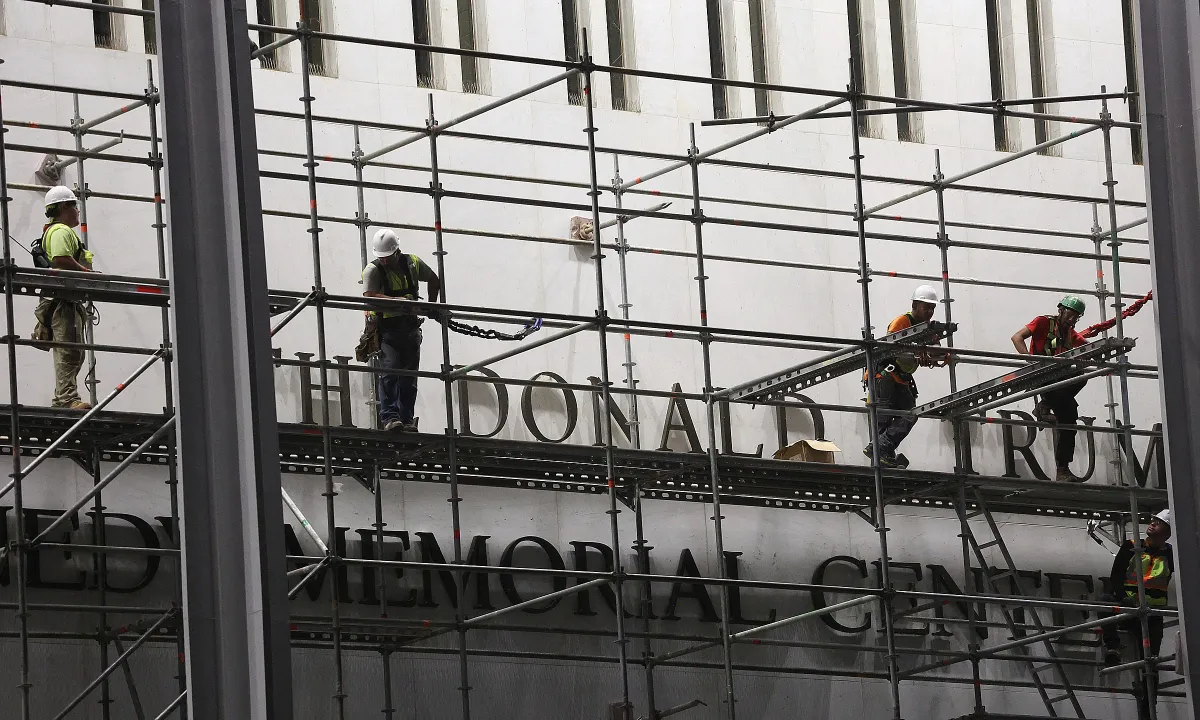 Trung tâm Kennedy gỡ tên ông Trump
Tên Tổng thống Trump đã bị gỡ khỏi mặt tiền Trung tâm Kennedy, sau khi thẩm phán cho rằng việc gắn tên ông lên tòa nhà là trái phép.
-
 Far-right and anti-racist protesters clash in UK cities after Belfast riots
Police make several arrests as rival demonstrators take to streets of Brighton, Liverpool, Sheffield and Glasgow
-
 Gee, whiz: elephant relieves itself on floor of Texas Republican convention
Four-ton Paige, brought in as surprise for attenders, made gushing debut after governor finished keynote speech
-
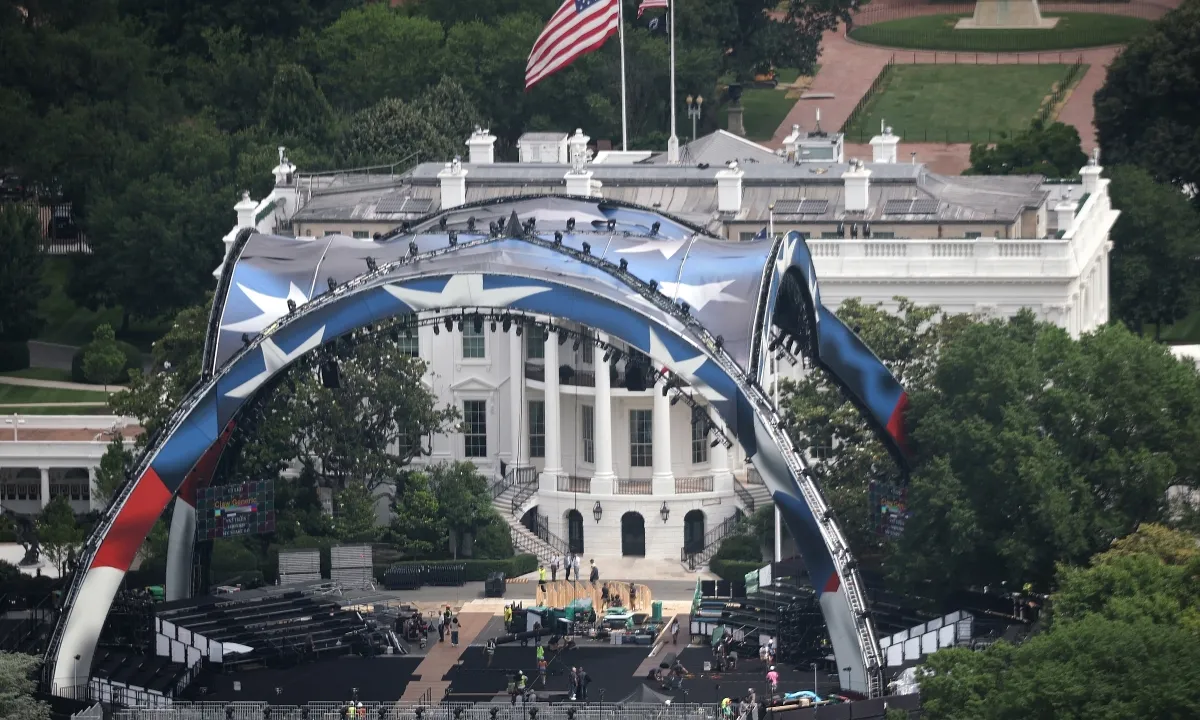 Hậu trường biến bãi cỏ Nhà Trắng thành đấu trường UFC
Ngoài tranh cãi pháp lý và áp lực an ninh, chiến dịch biến bãi cỏ Nhà Trắng thành đấu trường UFC còn đòi hỏi khối lượng công việc hậu cần khổng lồ.
-
 Preliminary peace deal could be signed within days, says US, Iran and mediators
Pakistani PM claims Islamabad preparing for electronic signing, while Trump and Tehran trade conflicting claims
-
 Mamdani is on an endorsement blitz – what does it say about his plan for the left?
New York City mayor’s stumping is irking some Democrats, but others see a cautious strategy from a rising political star
-
 Cuba công bố các biện pháp cải cách kinh tế
Chủ tịch Cuba thông báo các biện pháp thúc đẩy doanh nghiệp tư nhân và củng cố nền kinh tế, nhằm vượt qua khó khăn từ lệnh phong tỏa của Mỹ.
-
 MPs call for end to real estate event over fear it pushes sale of Israeli settlements
More than 100 UK lawmakers urge government to cancel London event, warning it is linked to land ‘stolen from Palestinians’
-
 Marjorie Taylor Greene criticizes Trump’s 80th birthday UFC event on White House lawn
Former congresswoman nevertheless said she hoped the fighting event would be ‘great’ and wished president well
-
 Kidnapped US journalist faces Taliban captor in court as 42-year sentence caps long saga
Haji Najibullah imprisoned for role in capture of David Rohde, New York Times journalist held for months in 2008


