

Owning a swimming pool is a wonderful luxury that provides endless hours of enjoyment, exercise, and relaxation. However, maintaining a pool requires consistent care and attention to detail. Many pool owners, despite their best intentions, make common cleaning mistakes that can lead to costly repairs, shortened equipment lifespan, and even permanent damage to their pool structure.
Understanding these mistakes and learning how to avoid them is essential for protecting your investment and ensuring your pool remains a safe, sparkling oasis for years to come. In this comprehensive guide, we'll explore the most damaging pool cleaning errors and provide you with expert advice on maintaining your pool properly.
Mistake #1: Ignoring Water Chemistry Balance
The single most critical aspect of pool maintenance is maintaining proper water chemistry. Many pool owners either test their water infrequently or ignore the results, leading to a cascade of problems that can seriously damage their pool and equipment.
Water chemistry involves several key parameters including pH levels, alkalinity, calcium hardness, and sanitizer levels. When these elements fall out of balance, the consequences can be severe. Low pH levels create acidic water that corrodes metal fixtures, etches plaster surfaces, and deteriorates pool equipment. High pH levels cause scaling, cloudy water, and reduce the effectiveness of chlorine, allowing algae and bacteria to flourish.
Perhaps even more damaging is ignoring calcium hardness. Water that's too soft becomes corrosive and will literally try to balance itself by extracting calcium from your pool's plaster, grout, or concrete surfaces. This leads to surface deterioration, pitting, and roughness that can damage swimwear and even cause injuries. Conversely, water with excessive calcium hardness creates unsightly scale buildup on pool surfaces, tiles, and inside equipment.
The solution is straightforward but requires discipline. Test your pool water at least twice weekly during swimming season and weekly during off-season months. Invest in a quality test kit or digital meter that measures all essential parameters. When adjustments are needed, make them gradually rather than in large doses, allowing the water to stabilize between treatments.
Mistake #2: Neglecting Regular Filter Maintenance
Your pool's filtration system is its kidneys, constantly working to remove debris, contaminants, and particles that would otherwise cloud your water and create unhealthy swimming conditions. Unfortunately, filter maintenance is one of the most commonly overlooked aspects of pool care, leading to reduced water quality and expensive equipment failures.
Many pool owners make the mistake of running their filters continuously without proper cleaning or backwashing. As filters become clogged with debris, several problems emerge. The pump must work harder to push water through the blocked filter media, increasing energy consumption and putting excessive strain on the motor. This overwork significantly shortens the pump's lifespan and can lead to premature failure requiring costly replacement.
Additionally, a dirty filter reduces water circulation throughout the pool, creating dead zones where algae can take hold. Poor circulation also means chemicals distribute unevenly, resulting in areas of under-sanitized water. For those seeking professional assistance, Pool Cleaning Glen Waverley services can provide expert filter maintenance and system optimization to keep your pool operating efficiently.
Different filter types require different maintenance approaches. Sand filters need backwashing when the pressure gauge reads 8-10 PSI above the clean pressure. Cartridge filters should be removed and thoroughly cleaned every 4-6 weeks, and replaced annually. DE (diatomaceous earth) filters require backwashing and recharging with fresh DE powder.
The critical mistake many pool owners make is waiting until they notice poor water quality before addressing filter maintenance. By then, damage may already be occurring to your pump motor. Instead, establish a regular maintenance schedule based on your filter type and stick to it religiously.
Mistake #3: Over-Chlorinating or Shocking Too Frequently
Chlorine is essential for sanitizing pool water and killing harmful bacteria and algae. However, more is not always better. Many enthusiastic pool owners make the mistake of adding excessive chlorine or shocking their pool too frequently, believing it will keep the water cleaner. This approach can cause significant damage to your pool and create uncomfortable swimming conditions.
Over-chlorination bleaches and damages pool liners, fades colored plaster surfaces, and deteriorates pool accessories like ladders, floats, and toys. Vinyl liners are particularly susceptible to chlorine damage, becoming brittle and cracking prematurely when exposed to consistently high chlorine levels. The chemical imbalance can also corrode metal fixtures, railings, and equipment, leading to rust and structural weakening.
For swimmers, over-chlorinated water causes skin irritation, burning eyes, bleached swimwear, and respiratory issues, especially in indoor pools where chlorine fumes can accumulate. The irony is that excessively high chlorine levels can actually create chloramines, the compounds responsible for that strong "chlorine smell" that many people associate with pools. Fresh, properly balanced pool water should have minimal odor.
Shocking your pool is necessary after heavy use, rainstorms, or when fighting algae, but should not be done more than once weekly under normal circumstances. The ideal free chlorine level for most pools is between 1-3 parts per million (ppm). When shocking, follow product instructions carefully, add chemicals in the evening to prevent sun degradation, and wait until chlorine levels return to normal before allowing swimming.
Mistake #4: Improper Brushing and Vacuuming Techniques
Physical cleaning through brushing and vacuuming is just as important as chemical treatment, yet many pool owners either skip this step entirely or perform it incorrectly. These mistakes allow algae, biofilm, and debris to accumulate, creating stains, surface damage, and water quality issues.
One common error is brushing too infrequently or only brushing visible dirty areas. Algae and bacteria form biofilms on pool surfaces that aren't always immediately visible. These films provide a protective layer where microorganisms thrive, even in properly chlorinated water. By the time you see green algae, it has already established a strong foothold that requires aggressive treatment to remove.
The type of brush you use matters significantly. Using a stainless steel brush on vinyl liners tears and damages the material, leading to expensive liner replacement. Conversely, using soft nylon brushes on concrete or plaster surfaces provides insufficient scrubbing power to remove stubborn stains and algae. Always match your brush type to your pool surface: nylon for vinyl and fiberglass, stainless steel for concrete and plaster.
Brushing technique is equally important. Many pool owners make quick, haphazard passes over pool surfaces, missing corners, steps, and behind ladders where algae love to grow. Proper brushing requires systematic coverage of all surfaces, including walls, floors, steps, corners, and around fittings. Brush toward the main drain so debris can be filtered out rather than redistributing it around the pool.
Vacuuming mistakes include moving too quickly, which stirs up sediment rather than capturing it, vacuuming immediately after adding chemicals before they've had time to work, and neglecting to vacuum behind ladders, in corners, and on steps where debris accumulates most heavily.
Mistake #5: Allowing Pool Water Level to Fluctuate Excessively
Pool water level might seem like a minor concern, but significant fluctuations can cause serious equipment damage and structural problems. Many pool owners make the mistake of ignoring water levels, letting them drop too low during hot weather or rise too high after storms.
When water drops below the skimmer intake, your pump begins drawing air instead of water. Running a pump dry, even briefly, generates excessive heat that can warp pump housings, melt impellers, and destroy mechanical seals. These repairs are expensive and completely avoidable with proper water level maintenance. Additionally, low water levels prevent proper skimming, allowing oils, debris, and contaminants to sink and stain pool surfaces.
On the opposite extreme, overfilling your pool reduces the efficiency of your skimmer, as surface debris cannot be effectively drawn into the filtration system. Excessively high water levels can also cause structural stress on pool walls, particularly in vinyl liner pools where the liner can stretch and separate from the wall.
For salt water pools, incorrect water levels directly affect salt cell efficiency and can lead to controller errors and shortened cell lifespan. The salt cell must remain submerged at the proper depth to generate chlorine effectively.
The ideal water level is halfway up your skimmer opening. During summer months, check your water level weekly and add water as needed to compensate for evaporation and splash-out. After heavy rains, use your pump to waste setting or drain valve to lower excessive water. In regions with freezing winters, proper water level management before closing your pool is critical to preventing freeze damage.
Additional Common Mistakes to Avoid
Beyond the five major mistakes outlined above, several other errors can compromise your pool's health and longevity. Using automatic pool cleaners with worn or damaged parts can scratch surfaces and tear liners. Running your pump for insufficient hours prevents proper water circulation and filtration, typically you should run your pump 8-12 hours daily depending on pool size and usage.
Adding chemicals directly to the pool without pre-dissolving them can cause localized bleaching and surface etching. Always dissolve chemicals in a bucket of water first, or add them near return jets for rapid distribution. Never mix different chemicals together, as this can create dangerous reactions.
Neglecting to clean your pool deck and surrounding areas allows dirt, grass clippings, and organic matter to wash into the pool, increasing your chemical and filtration demands. A clean perimeter means a cleaner pool with less maintenance.
Creating a Preventive Maintenance Schedule
The best way to avoid damaging cleaning mistakes is to establish and follow a comprehensive maintenance schedule. Daily tasks should include checking water level, removing visible debris with your skimmer net, and emptying skimmer and pump baskets.
Weekly responsibilities include testing and adjusting water chemistry, brushing all pool surfaces thoroughly, vacuuming the pool floor and walls, and backwashing or cleaning your filter as needed. Monthly tasks should include deep cleaning of filter elements, inspecting equipment for wear or damage, and testing your pool water at a professional lab for complete chemical analysis.
Seasonally, you should inspect and service your pump motor, check for leaks in plumbing connections, professionally service your heater and salt cell if applicable, and assess your pool surface for any cracks, stains, or deterioration requiring attention.
When to Call a Professional
While regular maintenance can be handled by most pool owners, certain situations require professional expertise. If you're consistently unable to balance your water chemistry despite repeated adjustments, if you notice structural cracks in your pool shell, if your equipment is making unusual noises or not functioning properly, or if you're dealing with persistent algae that won't respond to treatment, it's time to consult a professional pool service.
Professional technicians have specialized equipment for diagnosing problems, access to commercial-grade chemicals and parts, and the experience to identify issues before they become expensive repairs. An annual professional inspection can catch developing problems early and save you significant money in the long run.
Conclusion
Avoiding these five common pool cleaning mistakes requires knowledge, consistency, and attention to detail. By maintaining proper water chemistry, caring for your filtration system, using chemicals responsibly, employing correct brushing and vacuuming techniques, and managing water levels appropriately, you'll protect your pool investment and ensure years of trouble-free enjoyment.
Remember that pool maintenance is not about perfection but about consistent, informed care. Small efforts performed regularly prevent major problems and expensive repairs. Your pool is a significant investment in your property and quality of life. Treat it with the care it deserves, and it will reward you with crystal-clear water and countless hours of enjoyment for decades to come.
-
 Green Engineering and Health Optimization at Whiteland The Aspen
To address this, Whiteland Corporation integrated specialized CTMA3 Air Purification technology into the core building systems. This central air infrastructure works continuously to treat, filter, and circulate air throughout enclosed common areas, double-height entrance lobbies, and tower
-
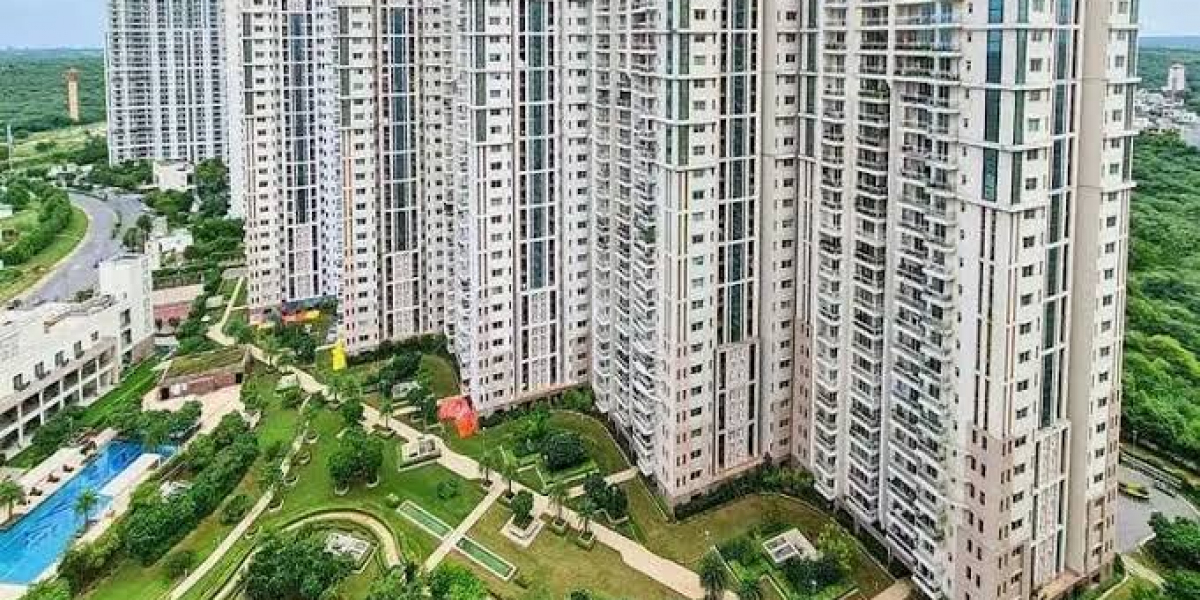 Mastering the Asset: Technical Infrastructure, Micro-Market Value, and Structural Layouts at DLF Park Place
This deep dive focuses on the granular technical infrastructure, exact structural layouts, and macro-economic factors that explain why this specific project maintains a massive edge over its competition in 2026.
-
 Brand Identity and Tenant Experience: Cultivating Loyalty at Elan Empire Gurgaon
Securing high occupancy in a premium high-street asset is only half the battle. For long-term viability, property management and individual investors must shift their focus to building tenant loyalty and creating a distinctive brand identity.
-
 Master Review: Evaluating Godrej Nature Plus, Sector 33, Gurgaon
The layout uses a smart structural pattern where towers are angled away from each other. This creates a staggered footprint that gives corner apartments clear, unblocked views of the Aravalli foothills while ensuring optimal morning and afternoon sunlight. Inside the towers, the floor plan
-
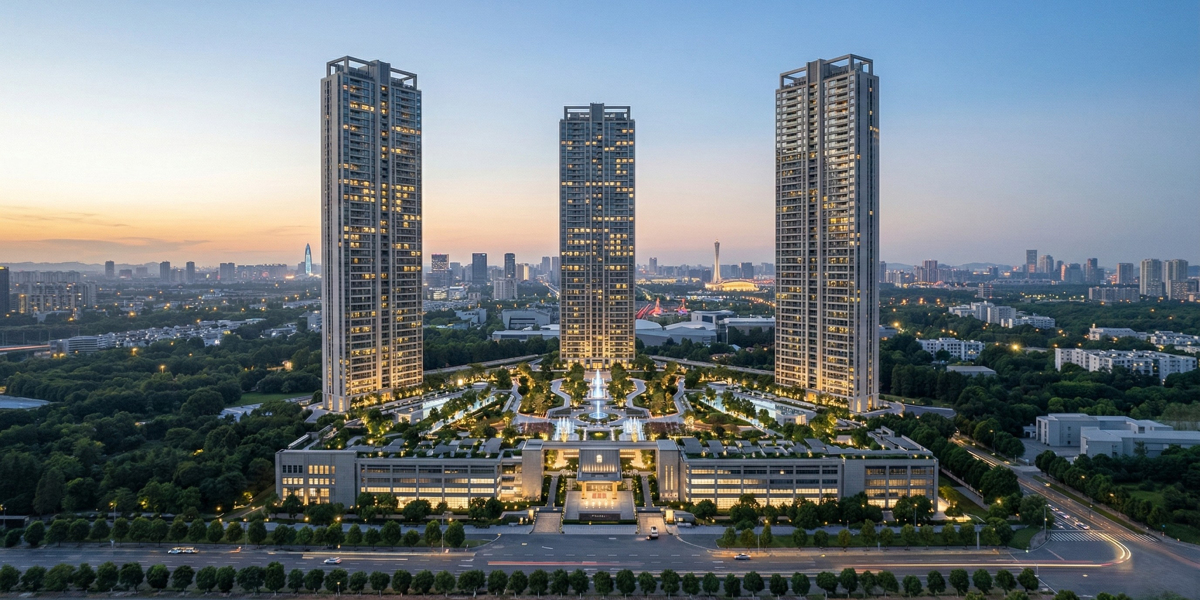 BPTP Downtown 66: A Masterpiece of Vertical Luxury in Sector 66
BPTP Downtown 66 has emerged as one of the most anticipated high-rise developments on the Golf Course Extension Road. Designed by the globally acclaimed architectural firm Aedas, this project is not just a residential complex but a vertical ecosystem where luxury meets functionality.
-
 Aesthetic Clinic in Australia | Beauty Clinic in Carolina | PM Aesthetics
Discover a trusted aesthetic clinic in Australia and a professional beauty clinic in Carolina. PM Aesthetics offers advanced skincare, cosmetic treatments, and personalized beauty solutions.
-
 The Masterful Synergy at Signature Global Tonino Lamborghini
Signature Global Tonino Lamborghini Residences represents a ₹2,890 crore synergy of Italian supercar aesthetics and Indian engineering excellence in Sector 71.
-
 Sidewalk Repair NYC: A Complete Guide for Property Owners
Sidewalks in New York City endure constant wear and tear due to heavy foot traffic, extreme weather conditions, and tree root growth. Over time, cracks, uneven surfaces, and potholes can develop. These issues not only create an unpleasant appearance but also pose serious safety hazards for
-
 Why Natural Stone Wall Panels Are Becoming the First Choice for Modern Interiors
Discover why natural stone wall panels are becoming a top choice for modern interiors and exteriors. Learn about their durability, aesthetic appeal, and versatile applications for residential and commercial spaces.
-
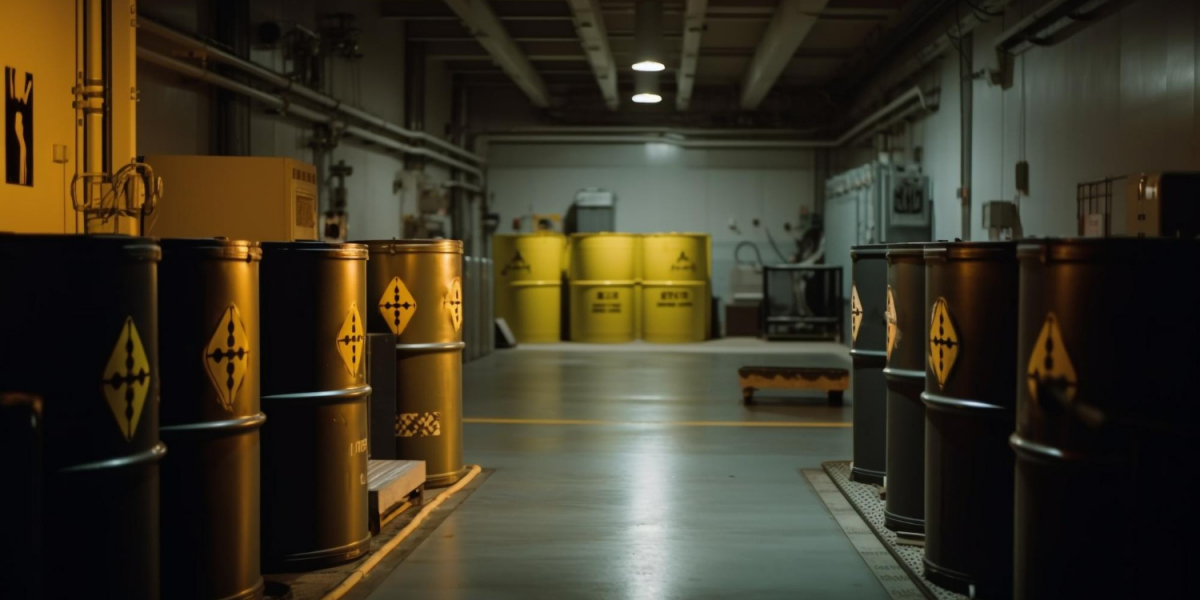 Chemical Supplier for Industrial in UAE: Reliable Solutions for Modern Industries
Find a reliable chemical supplier for industrial in UAE offering high-quality products, consistent supply, and tailored solutions for manufacturing, oil & gas, construction, and water treatment industries.
-
 Signature Global Cloverdale SPR Gurgaon – A Modern Address for Comfortable Living
This connectivity allows residents to easily access major employment hubs, corporate offices, and business districts. The proximity to IGI Airport further adds to its appeal, especially for professionals who travel frequently.


