The Ultimate Guide to Termite Treatment: How to Protect Your Home from Destruction

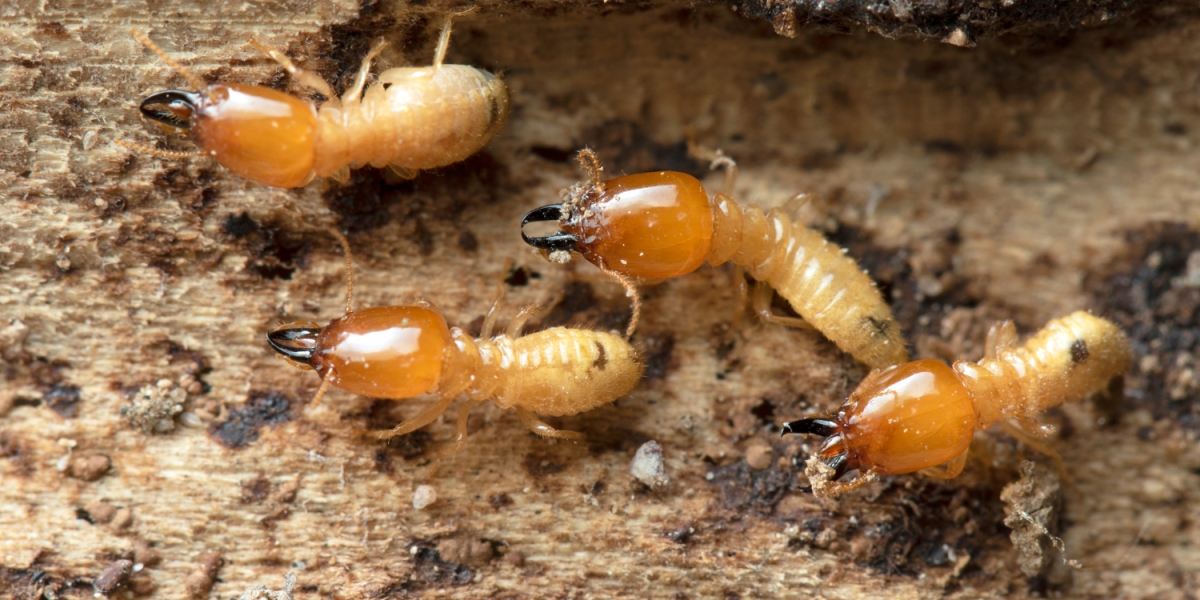
Termites are often referred to as "silent destroyers" because they can cause significant damage to your home without being detected until the destruction is severe. These tiny pests can work tirelessly inside walls, under floors, and within wooden structures, eating away at the foundation of your property. Fortunately, with the right termite treatment plan, you can prevent or eliminate these destructive pests and protect your home from extensive damage.
In this ultimate guide to termite treatment, we'll walk you through the key methods available to protect your home, from prevention strategies to advanced treatment options. Whether you're dealing with an active infestation or simply looking to take steps before one occurs, understanding how to manage termite threats is crucial for any homeowner.
Termites are wood-eating insects that can be found in almost every part of the world. There are several species of termites, but the most common ones in residential areas are subterranean termites, drywood termites, and dampwood termites.
Subterranean termites are the most destructive, living underground and traveling through tunnels to find wood. They thrive in areas with high moisture levels and can infest the foundation of a home.
Drywood termites live in the wood they consume and do not require contact with soil. They tend to infest structures in drier climates.
Dampwood termites prefer moist, decaying wood and are typically found in areas with high humidity or in areas where water damage has occurred.
The main reason termites are so dangerous is their ability to destroy the structural integrity of your home. Wooden beams, floors, and even furniture can be weakened and eventually collapse if the infestation is left untreated. Since termites often feed in hidden places, by the time damage becomes visible, it may already be too late for a simple fix.
Before diving into the treatment options, it’s essential to know how to spot the signs of a termite infestation. Early detection can make all the difference when it comes to limiting the damage and applying the most effective treatment.
Here are some common signs of a termite problem:
Mud tubes: Subterranean termites build mud tubes to travel from their nest to the food source. These tubes are often found along foundation walls or in crawl spaces.
Swarming insects: Termite swarms are typically a sign that the colony is mature and is reproducing. You may see winged termites flying around your home, especially during springtime.
Hollow-sounding wood: Tap on wooden surfaces. If they sound hollow, it’s a potential indicator that termites have been feeding inside the wood.
Discarded wings: After swarming, termites shed their wings, which can often be found near windowsills or doorways.
Visible damage: You may notice peeling paint, water stains, or cracked wood, which can all be symptoms of termite activity.
If you notice any of these signs, it’s crucial to take action immediately to avoid further damage.
There are several effective termite treatment options available today. Each method has its advantages and is chosen based on the type of termite infestation, the extent of the damage, and your long-term prevention goals.
Liquid termite treatments are one of the most common methods for controlling termites. These treatments involve applying a liquid termiticide to the soil around your home’s foundation. The liquid acts as a barrier that repels or kills termites that come into contact with it.
There are two main types of liquid treatments:
Repellent treatments: These create a barrier that prevents termites from entering the treated area. While effective, repellent treatments don't necessarily eliminate the existing infestation, as termites can still find ways around the barrier.
Non-repellent treatments: These are absorbed by termites and spread through the colony, ultimately killing them. Non-repellent treatments tend to be more effective for both preventing and eliminating termites.
Liquid treatments require professional application and are typically the go-to solution for subterranean termite infestations.
Termite baiting systems are another popular method of termite treatment. These systems involve placing bait stations around your property, which contain a substance that is attractive to termites. The termites consume the bait and take it back to their colony, where it spreads and kills the entire group.
Baiting systems are often used as a long-term solution and are ideal for monitoring termite activity. They can be placed strategically around your home to attract and eliminate termites before they cause significant damage. Baiting systems are less intrusive than liquid treatments and are often used in conjunction with other methods to ensure complete eradication.
Fumigation is one of the most extreme and comprehensive methods of termite treatment, typically used for severe infestations, particularly with drywood termites. This method involves covering the entire structure with a tent and releasing a gas fumigant (such as sulfuryl fluoride) inside. The fumigant permeates the wood and kills termites and other pests that may be present.
Fumigation is highly effective, but it requires the homeowners to vacate the property during treatment, as the fumigant is toxic to humans and pets. The process generally takes a few days, and the home needs to be properly ventilated before re-entry.
Fumigation is usually a last resort after less invasive methods have failed or when the infestation is widespread and hard to reach with localized treatments.
Diatomaceous earth is a natural, non-toxic powder made from the fossilized remains of diatoms (a type of algae). It works by dehydrating termites and other pests when they come into contact with it. DE is often used as a natural option for controlling termites in small-scale infestations or in combination with other treatments.
While DE is generally safe for humans and pets, it should still be applied carefully, as it can cause respiratory irritation when inhaled. It’s important to apply it only in areas where termites are known to be active.
For drywood termites, a wood treatment or borate solution can be a useful method for preventing and treating infestations. Borates are naturally occurring minerals that can be applied to the surface of wood. When termites ingest borate-treated wood, it disrupts their digestive systems and kills them.
This method is effective as a preventive measure and is commonly used during construction or renovation to protect wood from termites. However, it’s most useful for minor infestations and is not as effective for large-scale infestations deep within a structure.
After addressing an existing termite problem, it’s crucial to take preventive steps to avoid future infestations. Here are some measures you can take:
Reduce moisture around your home: Termites thrive in moist environments, so fixing leaks, cleaning gutters, and improving drainage can help reduce your home’s appeal to termites.
Seal cracks and gaps: Make sure all cracks and crevices in your home’s foundation, windows, and doors are properly sealed. This helps prevent termites from gaining entry.
Remove wood debris: Avoid piling wood, leaves, or mulch near the foundation, as these can attract termites.
Regular inspections: Regular termite inspections by a professional can catch any potential issues early, before they become serious problems.
While there are some DIY methods for termite control, such as using baits or diatomaceous earth, the most effective way to handle a termite infestation is through professional treatment. Pest control experts have the experience, knowledge, and specialized tools needed to detect and eliminate termites completely. They can also offer advice on long-term prevention and regular maintenance.
Termites are a significant threat to the integrity of your home, but with the right treatment and prevention plan, you can protect your property from these destructive pests. Whether you’re dealing with an active infestation or simply want to safeguard your home, the key is early detection and choosing the right treatment method. By understanding your options and working with professionals, you can ensure that your home remains safe and termite-free for years to come.
Bug Buster Gold Coast
1Blog posts
-
 Best NGO in Himachal Pradesh: SSW Foundation's Journey of Impact and Change
Best NGO in Himachal Pradesh: SSW Foundation's Journey of Impact and Change
-
 Reinigungsanleitung für Torsopuppen: Häufige Fehler und die richtige Anwendung von Feuchttüchern
Für alle, die sich zum ersten Mal mit Torsopuppen beschäftigen, ist die Reinigung zweifellos einer der schwierigsten Aspekte. Viele fragen sich: „Kann ich Torsopuppen direkt mit Feuchttüchern abwischen?“ Diese scheinbar einfache Frage erfordert tatsächlich einiges an Überlegung.
-
 Unleash Your Inner Creator: CapCut Makes Editing Magical
Designed with intuitiveness and power in mind, CapCut empowers everyone from social media enthusiasts to budding filmmakers to transform everyday clips into extraordinary visual stories.
-
 Moving Made Easy: How Enmore Removalists Simplify Relocation in Sydney’s Inner West
Discover how Enmore Removalists simplify moving in Sydney’s Inner West. Learn about expert care, sustainability, and local experience for smooth, worry-free relocations.
-
 GE Freezer Door Seal Not Sealing? Fix Leaking Cold Air and Ice Buildup
GE freezer door seal leaking cold air? Learn why bottom corners fail, DIY fixes to try, and when to call for professional gasket replacement.
-
 Healthcare Professional Licensing in Dubai: A Comprehensive Guide
Healthcare Professional Licensing in Dubai: A Comprehensive Guide
-
 Dishwasher Pod Not Dissolving? Why Your Cascade Pods Get Stuck Between Racks
Dishwasher Pod Not Dissolving? Why Your Cascade Pods Get Stuck Between Racks
-
 Save Money with Ibotta: Get Cash Back on Everyday Purchases + Bonus with Referral Code UGCGUVK
Get cash back with the free Ibotta app at 100's of stores
-
 House Extensions: Maximising Your Space with Smart Design and Lasting Value
Discover how to expand your Brisbane home with smart, sustainable house extensions. Learn design, cost, and planning tips from Waddell Projects—trusted experts in creating space and value.
-
 Restaurants to Get Sophisticated plus Economical Replica Luxury Bags
Nonetheless by using lots of internet traders to choose from, a significant concern remains to be.
-
 Top Feature Wall Tile Ideas to Elevate Any Room
Interior design trends come and go, but one feature that never loses its appeal is the feature wall tile.


