
Magnetic field sensors are essential components in modern technology, enabling the detection and measurement of magnetic fields with high accuracy. From industrial automation to consumer electronics, these sensors play a crucial role in various applications by converting magnetic signals into readable electrical data.
The magnetic field sensor market comprises sensors that detect and measure magnetic fields for applications in automotive, consumer electronics, industrial automation, and healthcare. Technologies include Hall effect, magnetoresistive, and fluxgate sensors. The market is segmented by sensor type, application, and region, driven by growing demand for precise magnetic field detection.
A magnetic field sensor is a device that detects the presence, strength, and direction of magnetic fields. These sensors convert magnetic flux or variations in magnetic fields into electrical signals, which can then be interpreted by electronic systems. They are used in applications ranging from navigation to proximity sensing and current measurement.
Hall Effect Sensors
Utilize the Hall effect principle to measure magnetic fields perpendicular to the sensor surface. Widely used for proximity sensing and current measurement.
Magnetoresistive Sensors (AMR, GMR, TMR)
Change their electrical resistance in response to magnetic fields, providing high sensitivity and precision.
Fluxgate Sensors
Use ferromagnetic cores to detect weak magnetic fields, often in geophysical and scientific instruments.
Magnetoinductive Sensors
Detect changes in inductance caused by magnetic fields, used in some industrial applications.
SQUID (Superconducting Quantum Interference Device)
Extremely sensitive sensors used in research and medical imaging.
Magnetic field sensors work by detecting magnetic flux density and converting it into an electrical signal. For example, a Hall effect sensor generates a voltage when a magnetic field passes perpendicular through a current-carrying conductor inside the sensor. This voltage is proportional to the strength of the magnetic field.
Automotive Industry: Position sensing, speed detection, and current measurement in vehicles.
Consumer Electronics: Compass modules in smartphones and tablets.
Industrial Automation: Proximity sensors, motor control, and robotics.
Medical Devices: MRI machines and magnetic navigation systems.
Security Systems: Magnetic door/window sensors for intrusion detection.
Aerospace: Navigation and instrumentation.
Non-Contact Sensing: Can detect magnetic fields without physical contact.
High Sensitivity: Capable of detecting very weak magnetic fields.
Durability: Often resistant to dust, dirt, and moisture.
Compact Size: Suitable for integration into small devices.
Low Power Consumption: Ideal for battery-powered applications.
Magnetic Interference: Nearby magnetic sources can cause false readings.
Temperature Sensitivity: Some sensors require compensation for temperature variations.
Calibration Requirements: Periodic calibration may be necessary for accuracy.
Miniaturization: Smaller sensors with enhanced sensitivity.
Integration with IoT: Smart sensors for connected devices and predictive maintenance.
Advanced Materials: Use of novel materials for better performance and durability.
Wireless Magnetic Sensing: For remote monitoring applications.
Magnetic field sensors are indispensable in today’s technology-driven world, enabling precise detection and measurement of magnetic fields in countless applications. Whether it’s enhancing vehicle safety, improving medical diagnostics, or enabling smart consumer devices, these sensors continue to advance and adapt, driving innovation across industries.
Related Reports:

Shraddha Dhumal
31 posts
-
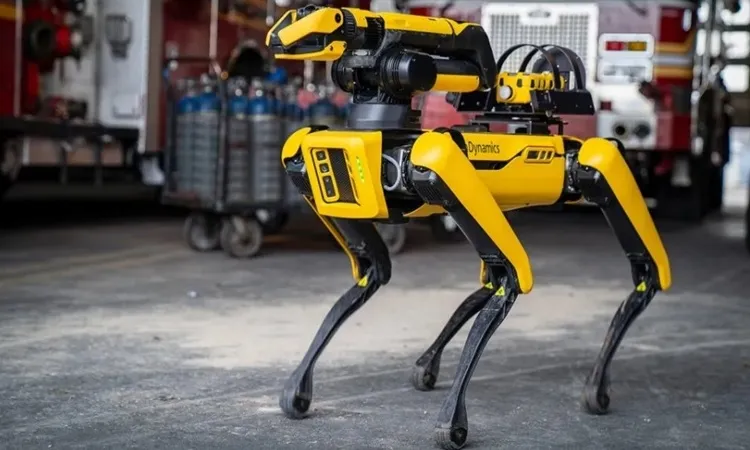 Những robot động vật giải quyết thách thức kỹ thuật
Lấy cảm hứng thiết kế từ tự nhiên, một số robot động vật đáp ứng xuất sắc các nhiệm vụ khó khăn từ giám sát công nghiệp tới thám hiểm dưới nước.
-
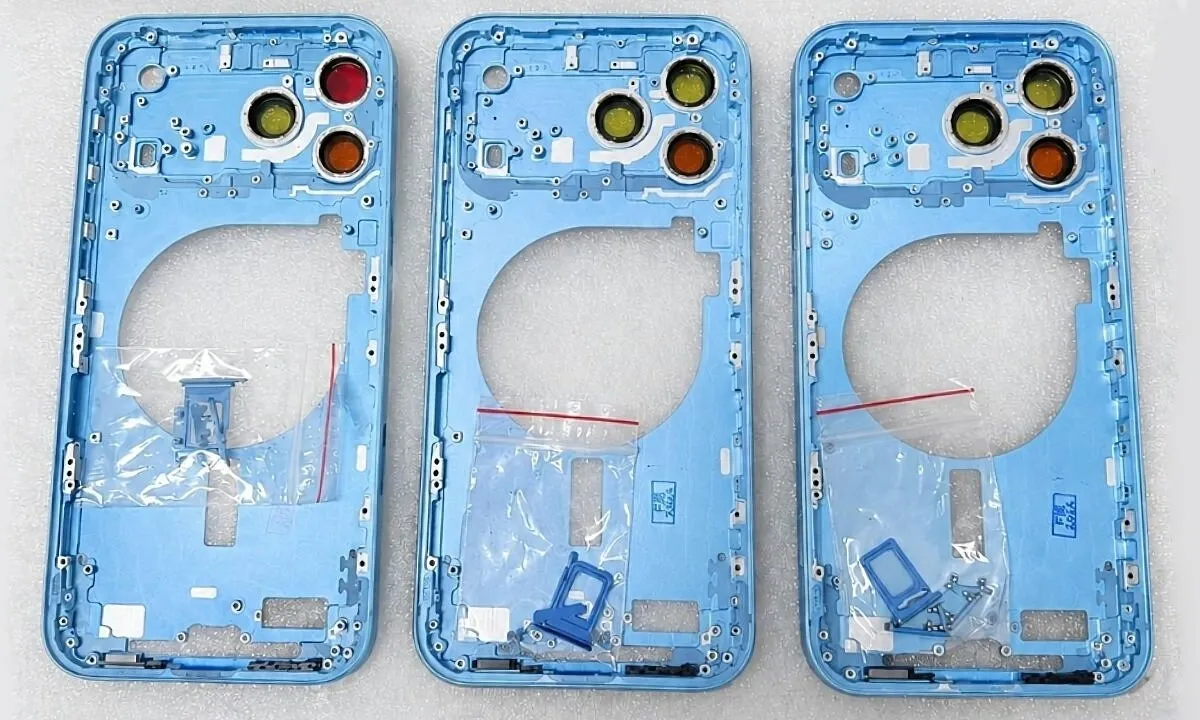 Rò rỉ khung iPhone 18 Pro với ba màu mới
Một số hình ảnh được cho là khung sườn của iPhone 18 Pro xuất hiện trên mạng, cho thấy các tùy chọn màu sắc thực tế của sản phẩm.
-
 Robot 'chú hề' đá trúng khán giả nhí
Khi biểu diễn trước đám đông tại Tân Cương, robot hình người G1 của công ty Unitree vô tình đá vào bụng một cậu bé đứng xem.
-
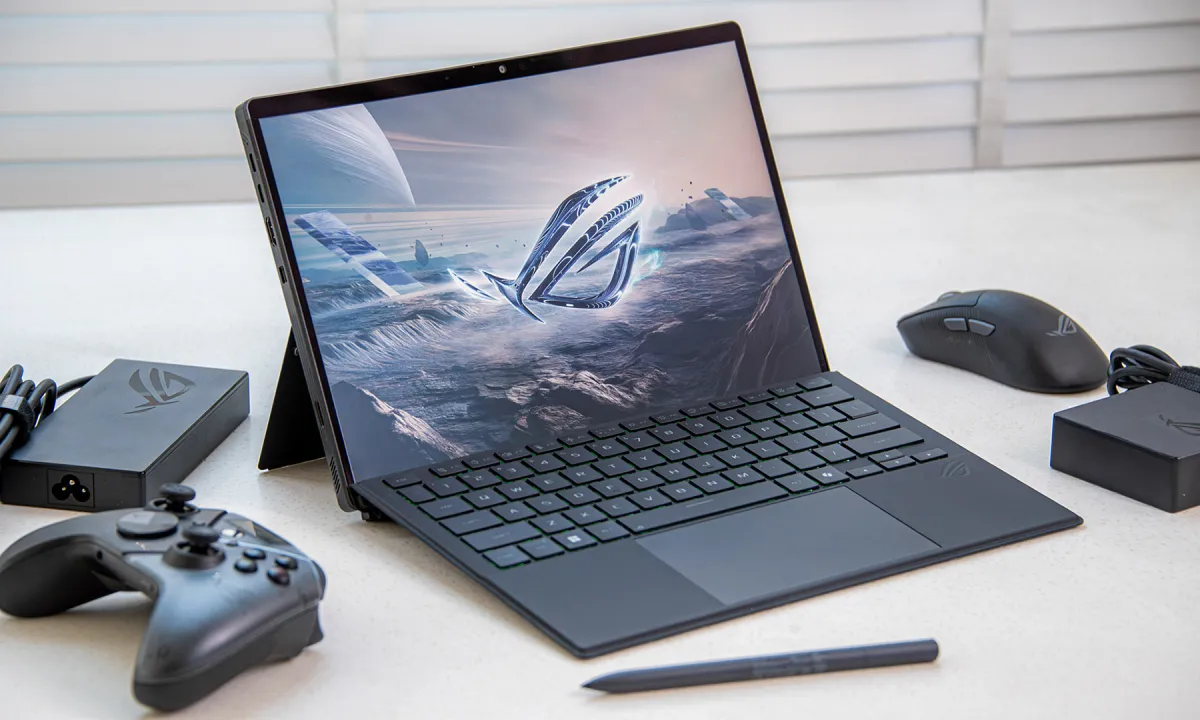 Các mẫu laptop gaming nổi bật của ROG 20 năm qua
Dòng Zephyrus G14 mỏng nhẹ, Zephyrus Duo với màn hình đôi, Flow Z13 thiết kế lai tablet là các mẫu laptop gaming đặc biệt của ROG.
-
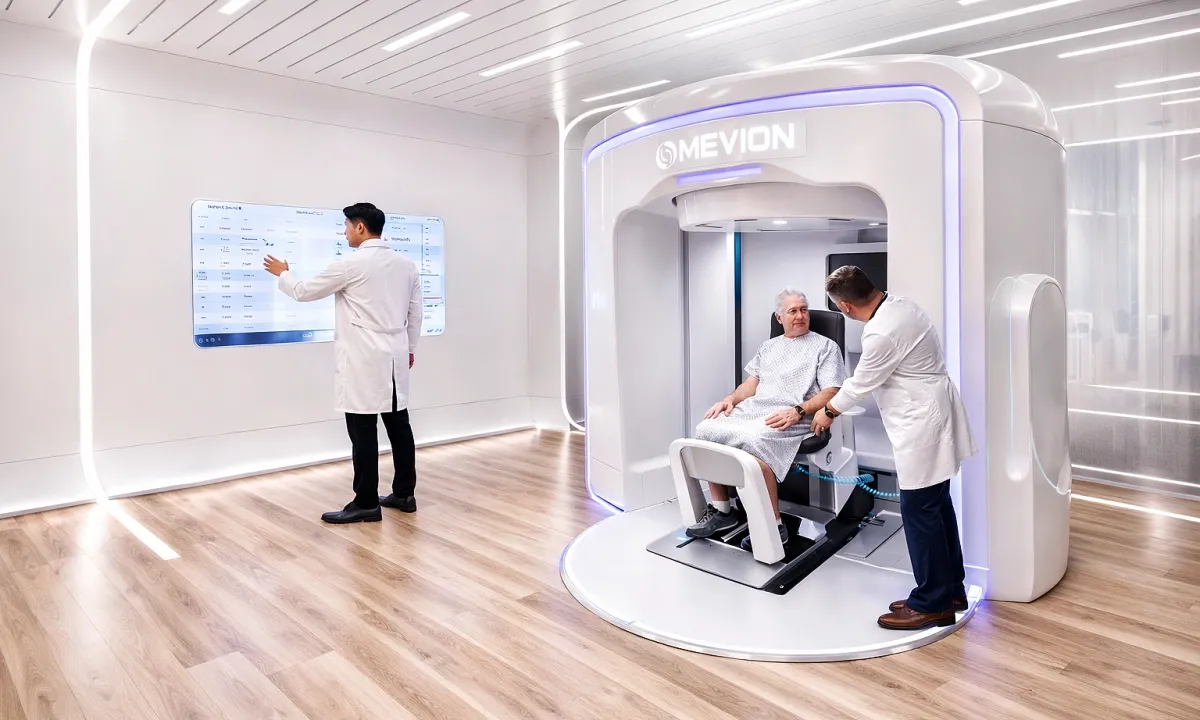 AI hỗ trợ xạ trị trúng đích trong 'siêu máy' 2.000 tỷ đồng
Máy proton Mevion S250-FIT dùng AI tấn công khối u chính xác và an toàn hơn, là hệ thống xạ trị tư thế ngồi đầu tiên trên thế giới của Mevion (Mỹ), được Bệnh viện Tâm Anh đưa về Việt Nam.
-
 Tái cấu trúc phòng thí nghiệm trọng điểm, làm chủ công nghệ chiến lược
Việt Nam dự kiến xây dựng khoảng 10-15 trung tâm nghiên cứu và phòng thí nghiệm quốc gia quy mô lớn, tập trung vào AI, bán dẫn... phục vụ mục tiêu làm chủ công nghệ chiến lược.
-
 Anthropic: Cần cơ chế dừng phát triển AI toàn cầu
Startup Anthropic cho rằng thế giới cần chuẩn bị phương án giảm tốc hoặc dừng phát triển AI nếu các mô hình có khả năng tự nâng cấp quá nhanh.
-
 Tổng Bí thư, Chủ tịch nước Tô Lâm đề nghị chuyên gia Google hỗ trợ phát triển AI
Trong buổi tiếp ông Eric Schmidt, nguyên Chủ tịch Google, cùng đoàn chuyên gia, Tổng Bí thư, Chủ tịch nước Tô Lâm đề nghị hỗ trợ Việt Nam xây dựng tầm nhìn, chính sách và hệ sinh thái AI.
-
 Máy bay chở khách có tầm bay xa nhất thế giới
Máy bay A350-1000ULR của Airbus có thể bay liên tục 22 giờ với tầm bay tối đa lên tới trên 18.000 km.
-
 Apple 'đá xoáy' trình duyệt Chrome
Trong video giới thiệu khả năng bảo mật dữ liệu riêng tư của Safari, Apple ẩn ý trình duyệt Chrome không bảo vệ người dùng trước những kẻ theo dõi.
-
 Tổng Bí thư, Chủ tịch nước Tô Lâm đề nghị Google hỗ trợ xây dựng hệ sinh thái AI
Trong buổi tiếp ông Eric Schmidt, nguyên Chủ tịch Google, cùng đoàn chuyên gia, Tổng Bí thư, Chủ tịch nước Tô Lâm đề nghị hỗ trợ Việt Nam xây dựng tầm nhìn, chính sách và hệ sinh thái AI.


