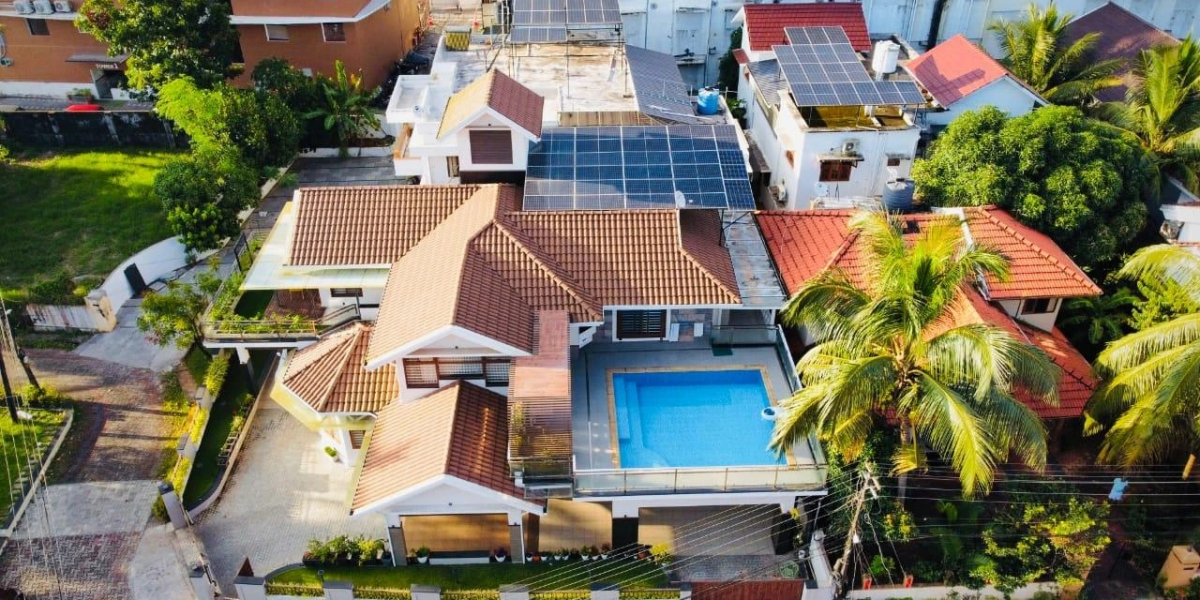
In an era of growing environmental awareness, the transition to renewable energy sources has become more important than ever. Solar energy, in particular, stands out as a sustainable solution that not only reduces electricity bills but also helps mitigate climate change. By opting for solar energy, individuals and businesses can significantly reduce their carbon footprint and promote a cleaner, greener future. In regions like Kerala, where sunlight is abundant, the shift to solar is both practical and beneficial.
Solar energy is derived directly from the sun’s radiation. Unlike fossil fuels, it is clean, renewable, and abundantly available. By converting sunlight into electricity, solar panels generate power without emitting harmful greenhouse gases.
This fundamental difference makes solar energy a key player in the fight against global warming. The widespread adoption of solar technology contributes to a significant decrease in the demand for coal, oil, and natural gas—sources that are major contributors to environmental degradation.
Traditional energy production methods are carbon-intensive. Power plants that burn fossil fuels release vast amounts of CO₂ into the atmosphere, contributing to global warming, acid rain, and air pollution. However, solar panels do not emit any carbon during energy generation.
For every kilowatt-hour (kWh) of solar power produced, an estimated 0.7 kilograms of CO₂ emissions are avoided. Over the lifespan of a solar system, which typically spans 25-30 years, this adds up to several tons of carbon emissions prevented, making a direct and measurable impact on the environment.
In addition to reducing carbon emissions, solar energy indirectly improves air quality. Fossil fuel combustion releases not only CO₂ but also nitrogen oxides, sulfur dioxide, and particulate matter—all of which are harmful to human health.
By embracing solar power, regions can experience fewer cases of respiratory illnesses, cardiovascular diseases, and other pollution-related health issues. Solar adoption thus not only contributes to environmental well-being but also supports public health initiatives and reduces healthcare costs.
Kerala has taken commendable steps in promoting renewable energy adoption. Programs like the Solar Panel Subsidy in Calicut offer financial incentives that make solar installations more affordable for homeowners and businesses. These subsidies reduce the initial investment, encouraging more residents to adopt solar energy.
Additionally, solar awareness campaigns, policy support, and ease of installation have further encouraged uptake, particularly in urban and semi-urban areas like Malappuram, where the demand for sustainable energy solutions is rising rapidly.
Malappuram, a district known for its proactive community and eco-conscious efforts, is seeing a surge in solar installations. Solar Panel Installation in Malappuram is increasingly becoming a preferred choice for households and commercial buildings alike, thanks to favorable sunlight conditions and supportive government schemes.
Professional solar companies in the area ensure high-quality installations and maintenance services, making the switch to solar smooth and efficient. This local enthusiasm for clean energy serves as a model for other districts aiming to reduce their environmental footprint.
A common concern about renewable technology is waste generation. However, solar panels have a long lifespan—usually 25 years or more. Even at the end of their lifecycle, many components of solar panels, such as glass and metals, are recyclable.
Recycling processes are continually evolving to ensure minimal waste. Moreover, advancements in panel efficiency and durability mean that fewer panels are required to produce the same amount of energy, reducing resource consumption and long-term environmental impact.
By producing electricity on-site, solar energy reduces dependency on centralized power grids and imported fuels. This not only enhances energy security but also decreases the environmental costs associated with transporting and storing fossil fuels.
Decentralized solar systems, especially when integrated with batteries, contribute to grid stability by reducing peak demand and preventing blackouts. This synergy between solar power and grid management ensures a reliable, eco-friendly energy infrastructure.
The cumulative benefits of solar energy extend beyond environmental protection. They influence economic development, promote energy democracy, and inspire communities to embrace greener lifestyles. With increased awareness and support, Calicut is poised to become a hub for sustainable living.
Through initiatives like the Solar Panel Subsidy in Calicut and the expansion of Solar Panel Installation in Malappuram, both individuals and institutions are being empowered to take meaningful climate action. These efforts, when scaled across the region, can create a lasting legacy of environmental stewardship for future generations.
Switching to solar energy is more than a cost-saving decision—it’s a commitment to environmental responsibility. As the world faces the consequences of climate change, every solar panel installed becomes a symbol of hope and action. Kerala, with its solar-friendly policies and passionate communities, stands at the forefront of this green revolution.
By leveraging the available solar panel subsidies in Calicut and opting for professional solar panel installation in Malappuram, residents can lead the way in creating a cleaner, healthier, and more sustainable tomorrow.

Clarkanna Pro
29 posts
-
 Brand Identity and Tenant Experience: Cultivating Loyalty at Elan Empire Gurgaon
Securing high occupancy in a premium high-street asset is only half the battle. For long-term viability, property management and individual investors must shift their focus to building tenant loyalty and creating a distinctive brand identity.
-
 Master Review: Evaluating Godrej Nature Plus, Sector 33, Gurgaon
The layout uses a smart structural pattern where towers are angled away from each other. This creates a staggered footprint that gives corner apartments clear, unblocked views of the Aravalli foothills while ensuring optimal morning and afternoon sunlight. Inside the towers, the floor plan
-
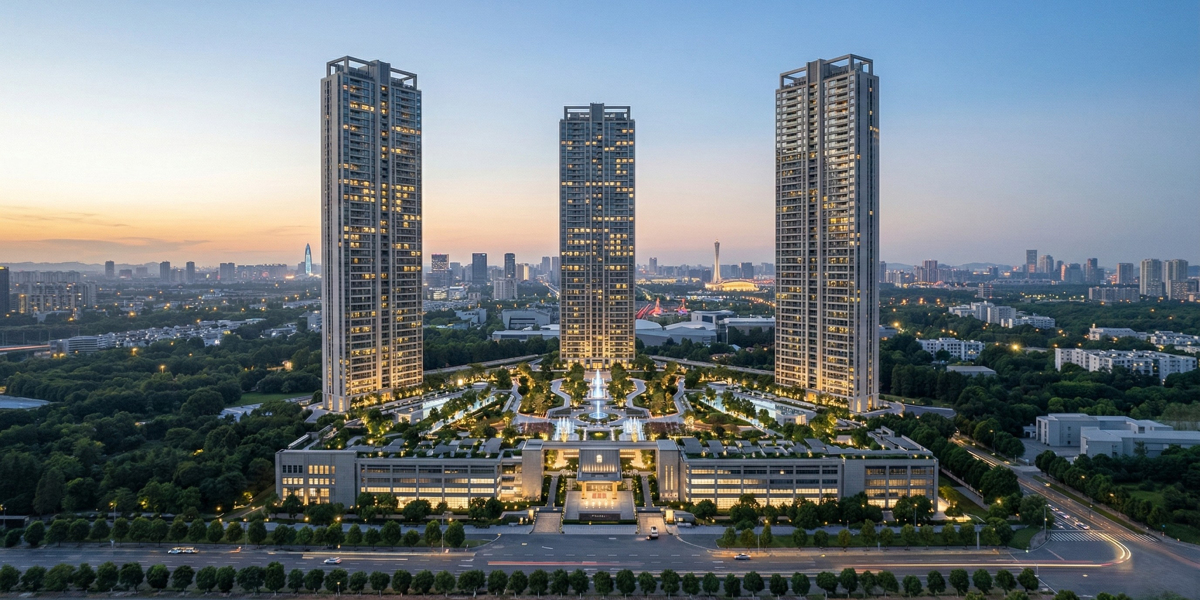 BPTP Downtown 66: A Masterpiece of Vertical Luxury in Sector 66
BPTP Downtown 66 has emerged as one of the most anticipated high-rise developments on the Golf Course Extension Road. Designed by the globally acclaimed architectural firm Aedas, this project is not just a residential complex but a vertical ecosystem where luxury meets functionality.
-
 Aesthetic Clinic in Australia | Beauty Clinic in Carolina | PM Aesthetics
Discover a trusted aesthetic clinic in Australia and a professional beauty clinic in Carolina. PM Aesthetics offers advanced skincare, cosmetic treatments, and personalized beauty solutions.
-
 The Masterful Synergy at Signature Global Tonino Lamborghini
Signature Global Tonino Lamborghini Residences represents a ₹2,890 crore synergy of Italian supercar aesthetics and Indian engineering excellence in Sector 71.
-
 Sidewalk Repair NYC: A Complete Guide for Property Owners
Sidewalks in New York City endure constant wear and tear due to heavy foot traffic, extreme weather conditions, and tree root growth. Over time, cracks, uneven surfaces, and potholes can develop. These issues not only create an unpleasant appearance but also pose serious safety hazards for
-
 Why Natural Stone Wall Panels Are Becoming the First Choice for Modern Interiors
Discover why natural stone wall panels are becoming a top choice for modern interiors and exteriors. Learn about their durability, aesthetic appeal, and versatile applications for residential and commercial spaces.
-
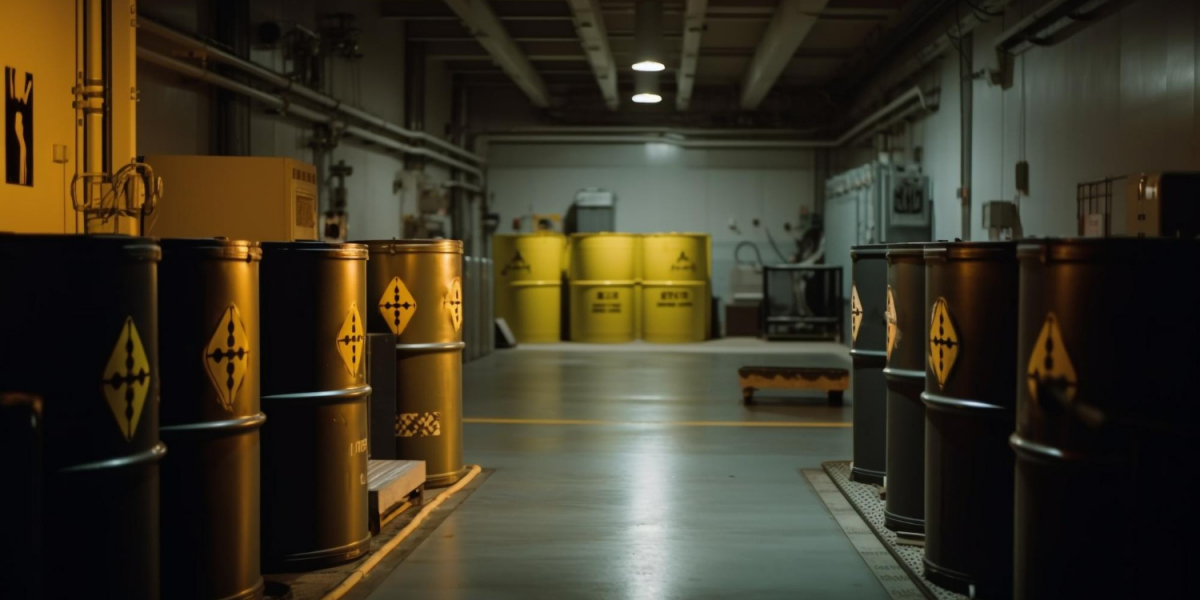 Chemical Supplier for Industrial in UAE: Reliable Solutions for Modern Industries
Find a reliable chemical supplier for industrial in UAE offering high-quality products, consistent supply, and tailored solutions for manufacturing, oil & gas, construction, and water treatment industries.
-
 Signature Global Cloverdale SPR Gurgaon – A Modern Address for Comfortable Living
This connectivity allows residents to easily access major employment hubs, corporate offices, and business districts. The proximity to IGI Airport further adds to its appeal, especially for professionals who travel frequently.
-
 The Vertical Revolution: Living Above the Ordinary at Sobha Rivana
Sobha Rivana is a G+45 floor architectural landmark in Sector 1, Greater Noida West, featuring a low-density design with only four units per floor and four high-speed elevators. It offers a premium lifestyle with 11-foot high ceilings, 80% open green space, and a 50,000 sq. ft. clubhouse,
-
 Find the Perfect Christmas Jewellery at Stonex Jewellers
Our Christmas collection features a wide range of designs, from classic to contemporary, ensuring there is something for everyone.


