The word “miscellaneous” often carries an air of vagueness. It refers to a collection of different items, ideas, or concepts that defy easy categorization. In both physical and digital spaces, “miscellaneous” is a label that acts as a catch-all, housing everything that does not neatly fit elsewhere. Though sometimes overlooked, this category can be surprisingly powerful in shaping creativity, flexibility, and practicality.
In any structured system—whether it’s a filing cabinet, a bookshelf, or a computer directory—there will inevitably be items that resist clear classification. The miscellaneous folder or drawer becomes a practical necessity. While it might seem like a dumping ground, it actually functions as a safety net, ensuring that no important item is lost simply because it lacks a predefined home.
This organizational gray area also offers flexibility. Life rarely fits into rigid categories, and the miscellaneous section allows systems to adapt as new, unexpected items arise.
Outside of storage and filing, the miscellaneous plays a critical role in creative thinking. By bringing together unrelated elements, it creates opportunities for fresh connections. Artists, writers, and inventors often find that inspiration emerges when disparate ideas collide. A miscellaneous assortment of notes, sketches, or references can become the seedbed for original concepts that would never have surfaced in a strictly ordered environment.
This creative potential is why brainstorming sessions often encourage wild, unfiltered contributions. A jumble of ideas—some practical, some odd—can eventually crystallize into a breakthrough.
From conversations that wander off topic to eclectic playlists that mix genres, the miscellaneous is woven into daily experiences. It shows up in hobbies that blend different skills, in personal collections that defy thematic unity, and even in the way we remember events—rarely in neat chronological order, but in a patchwork of impressions.
Embracing the miscellaneous can also reduce stress. Instead of forcing every choice or possession into a rigid category, it allows space for the undefined and unexpected. This mindset acknowledges that not everything needs to be labeled to be valuable.
While “miscellaneous” may suggest randomness, it does not have to imply chaos. The key is to periodically review and refine. Just as a desk drawer of assorted items can be sorted when needed, a collection of miscellaneous ideas or resources can be curated to reveal hidden patterns and priorities. Over time, what once seemed scattered may form a coherent picture.
Miscellaneous is more than a category for leftovers—it is a space of potential. It allows for flexibility in organization, sparks creativity, and reflects the richness of life’s unpredictability. By appreciating and managing the miscellaneous, we can turn apparent randomness into a source of insight, inspiration, and order.

James Smart
27Blog posts
-
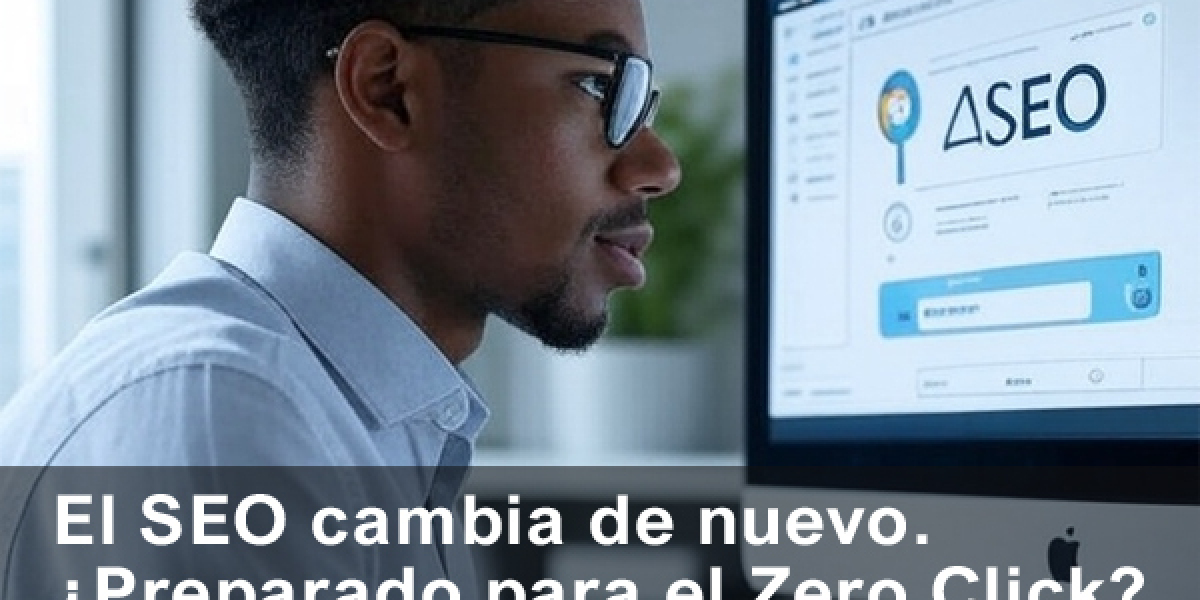 El SEO cambia de nuevo. ¿Estás preparado para la era Zero Click?
En pocos meses, hemos pasado de centrarnos casi exclusivamente en Google, a enfrentarnos a un nuevo escenario donde las inteligencias artificiales (IAs) están tomando protagonismo.
-
 ¿Qué habilidades necesitas para dominar la inteligencia artificial y aplicarla en tu trabajo?
Como profesional, aprender y aplicar las habilidades de la IA no es exclusivo de perfiles técnicos, hoy cualquier persona debería aprovechar el enorme potencial de la IA en su día a día laboral.
-
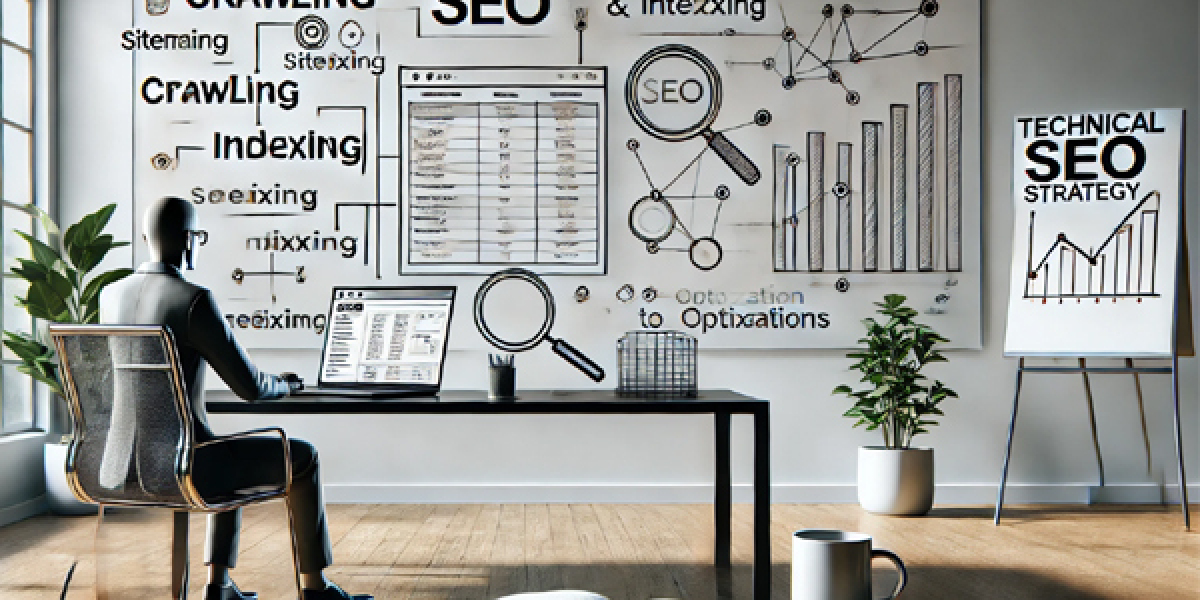 SEO técnico. La optimización para motores de búsqueda que necesita tu web
Si estás buscando mejorar el rendimiento de tu web y conseguir aparecer en una posición destacada en los motores de búsqueda, tienes que tener claro que el SEO técnico es la clave.
-
 Mi seguro no se hace cargo del siniestro: ¿Qué hacer si rechazan mi reclamación de seguro?
Es posible que en alguna ocasión hayas oído a alguien comentar: “mi seguro no se hace cargo del siniestro” y es que a veces puede ocurrir que una aseguradora se niegue a cubrir un suceso concreto.
-
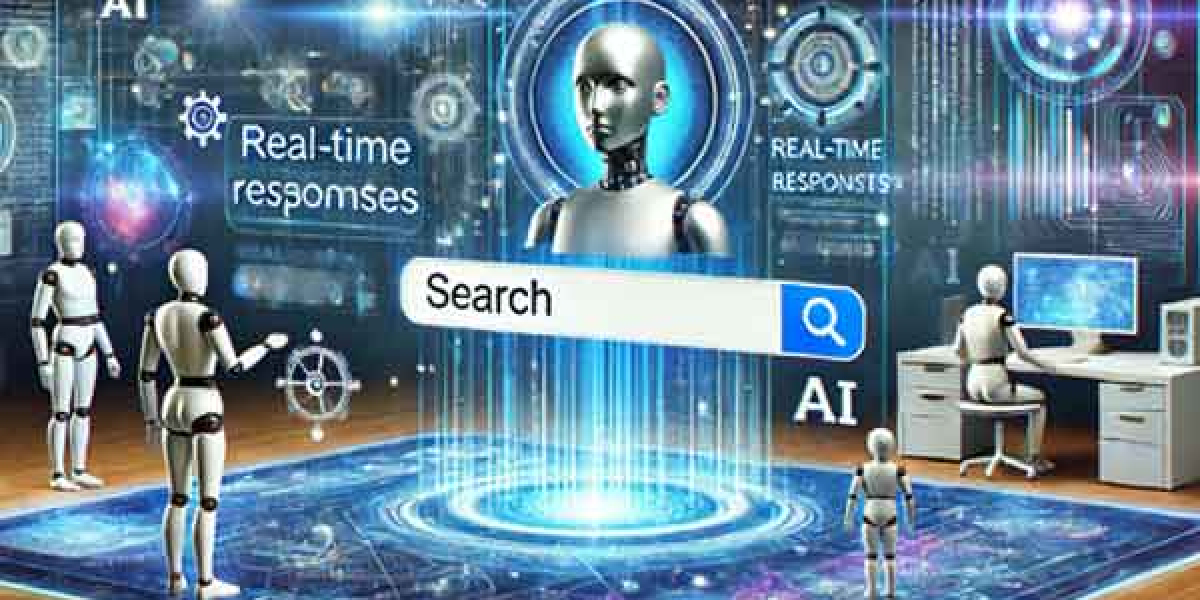 Qué es Perplexity, cómo funciona y ventajas frente a Google y ChatGPT
La inteligencia artificial está transformando el modo en que accedemos a la información. Y una de las herramientas más importantes en este campo es sin duda, Perplexity IA, un sistema que está cambiando la forma en que realizamos nuestras búsquedas en internet.
-
 Guía paso a paso para crear los mejores contenidos en redes sociales
Descubre cómo planificar, diseñar y medir el éxito de tus publicaciones en redes sociales. Aprende a diseñar una estrategia orientada al usuario y a crear tus contenidos bajo una perspectiva de marca enfocada en generar más impacto en tu público objetivo
-
 ¿Qué es un seguro de invalidez o incapacidad permanente y cuándo puedes cobrarlo?
A lo largo de la vida pueden ocurrir situaciones inesperadas que limiten nuestra capacidad para trabajar, afectando así a nuestra estabilidad económica. Para protegernos en estos casos, existen los llamados seguros de invalidez o incapacidad permanente. ¿Pero sabes qué es un seguro de
-
 SEO para dispositivos móviles. Cómo optimizar tu web para adaptarlo al SEO móvil
El SEO para móviles es esencial en un mundo donde más del 60% de las búsquedas provienen ya de teléfonos inteligentes
-
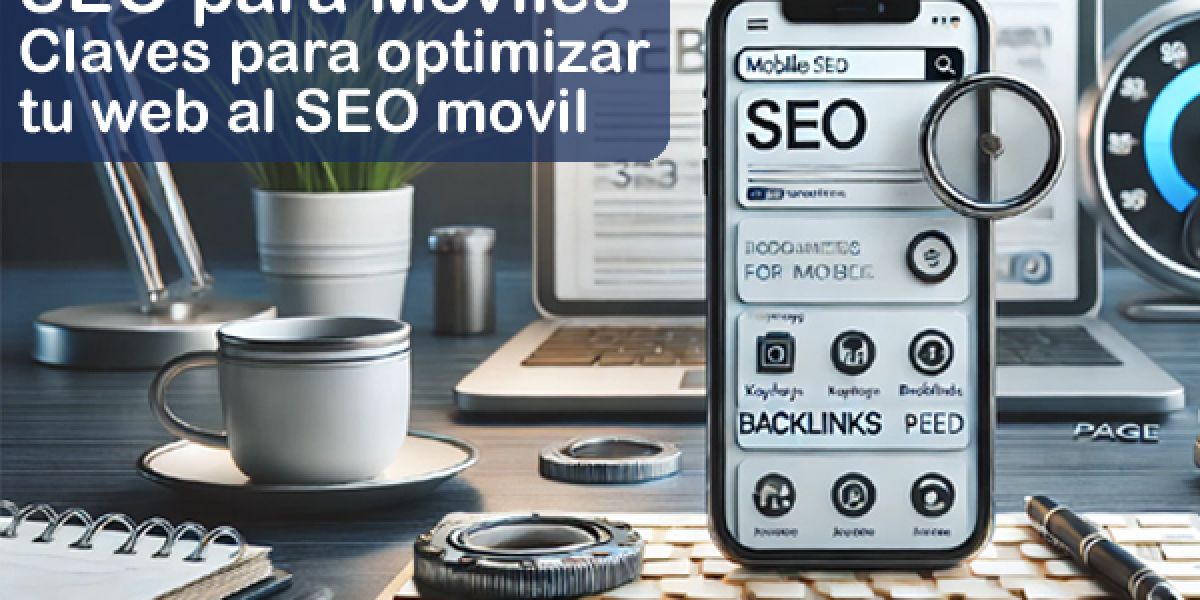 SEO para dispositivos móviles. Cómo optimizar tu web para adaptarlo al SEO móvil
El SEO para móviles es esencial en un mundo donde más del 60% de las búsquedas provienen ya de teléfonos inteligentes
-
 Recomendaciones en Linkedin. Qué son y cómo solicitarlas
Conseguir recomendaciones laborales efectivas en LinkedIn puede marcar una gran diferencia en tu perfil profesional.
-
 13 habilidades directivas y 4 competencias digitales más importantes para un directivo
Llegar a ser un buen directivo en tu empresa implica trabajar habilidades directivas y competencias digitales de primer nivel que te permitan liderar con eficacia tu área de responsabilidad.


