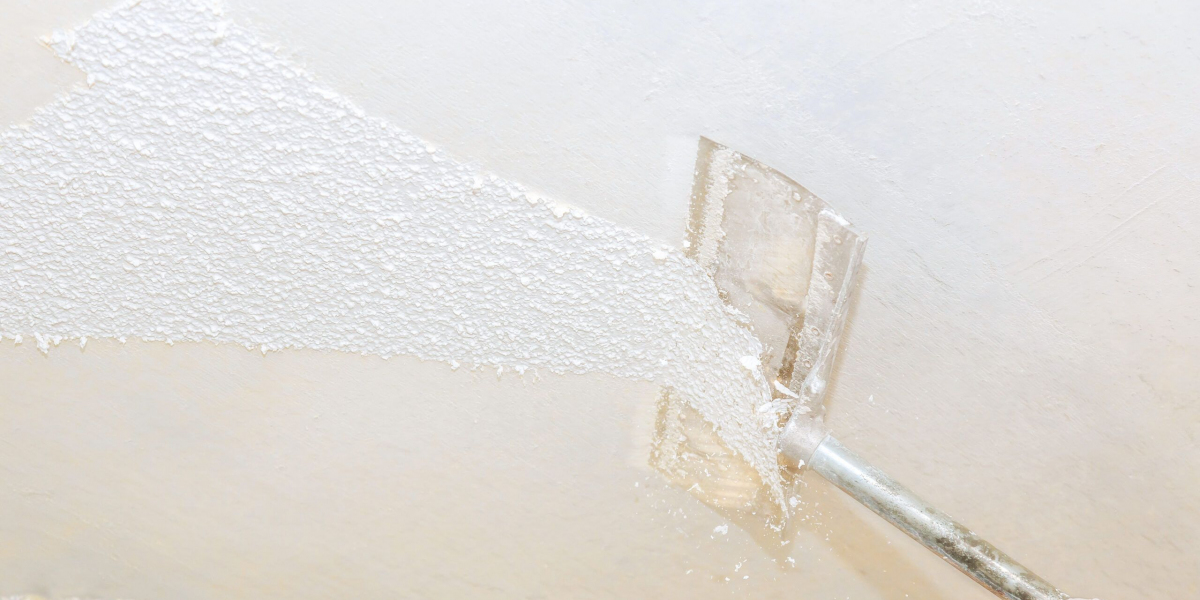
drywall finishing is often the final step in the construction or renovation process that gives walls and ceilings their smooth, polished look. Whether you’re preparing to paint or applying other treatments, the quality of your drywall finish will set the stage for the entire room. In this article, we’ll explore the steps, techniques, and tips that ensure a professional drywall finish every time.
Drywall finishing is the process of covering the seams, screw holes, and joints between drywall panels with joint compound (also known as mud) to create a smooth, seamless surface. Properly finished drywall allows paint and other finishes to adhere properly and provides a clean, polished look to your walls.
Drywall finishing is a multi-step process that involves taping, mudding, sanding, and priming to create a smooth surface. Below, we’ve outlined the essential steps involved in achieving a professional drywall finish.
After the drywall panels are installed, the next step is to tape the seams. Taping helps prevent cracks from forming and creates a smooth, even surface.
When applying tape, ensure it is centered over the seam and that there are no bubbles or wrinkles. Smooth the tape down with a drywall knife to ensure a tight bond.
The first coat of joint compound, also known as the bonding coat, is applied over the tape. This coat is typically a little thicker and is used to cover the tape and fill in gaps. Use a 6-inch drywall knife to apply the compound evenly, making sure to cover the seams and screw holes.
Let the first coat dry completely, which typically takes about 24 hours.
The second coat of joint compound is applied to smooth out the surface further. Use a 10-12 inch drywall knife for this coat, spreading the compound thinly over the first layer. Feather the edges to ensure that the compound blends into the surrounding drywall.
Allow this layer to dry before moving on to the third coat.
The third coat, or finishing coat, is the final layer of joint compound. This layer should be the thinnest and applied to smooth out any remaining imperfections. Use a 12-inch drywall knife for this final pass to create a flawless surface.
After the third coat has dried, lightly sand the surface to ensure a smooth, even finish.
Sanding between coats is essential to create a smooth finish. After each layer of joint compound has dried, use fine-grit sandpaper (220-grit) to remove any ridges or bumps. Be sure to wipe down the surface after sanding to remove any dust before applying the next coat.
Once the final coat is dry and sanded, apply a coat of drywall primer to seal the surface. The primer helps paint adhere properly and ensures an even finish. Once the primer is dry, you can begin painting your walls with your chosen color.
Using the right tools is essential for a smooth, professional-looking drywall finish. Here are some key tools to have on hand:

Devid Starc
94Blog posts
-
 Brand Identity and Tenant Experience: Cultivating Loyalty at Elan Empire Gurgaon
Securing high occupancy in a premium high-street asset is only half the battle. For long-term viability, property management and individual investors must shift their focus to building tenant loyalty and creating a distinctive brand identity.
-
 Master Review: Evaluating Godrej Nature Plus, Sector 33, Gurgaon
The layout uses a smart structural pattern where towers are angled away from each other. This creates a staggered footprint that gives corner apartments clear, unblocked views of the Aravalli foothills while ensuring optimal morning and afternoon sunlight. Inside the towers, the floor plan
-
 BPTP Downtown 66: A Masterpiece of Vertical Luxury in Sector 66
BPTP Downtown 66 has emerged as one of the most anticipated high-rise developments on the Golf Course Extension Road. Designed by the globally acclaimed architectural firm Aedas, this project is not just a residential complex but a vertical ecosystem where luxury meets functionality.
-
 Aesthetic Clinic in Australia | Beauty Clinic in Carolina | PM Aesthetics
Discover a trusted aesthetic clinic in Australia and a professional beauty clinic in Carolina. PM Aesthetics offers advanced skincare, cosmetic treatments, and personalized beauty solutions.
-
 The Masterful Synergy at Signature Global Tonino Lamborghini
Signature Global Tonino Lamborghini Residences represents a ₹2,890 crore synergy of Italian supercar aesthetics and Indian engineering excellence in Sector 71.
-
 Sidewalk Repair NYC: A Complete Guide for Property Owners
Sidewalks in New York City endure constant wear and tear due to heavy foot traffic, extreme weather conditions, and tree root growth. Over time, cracks, uneven surfaces, and potholes can develop. These issues not only create an unpleasant appearance but also pose serious safety hazards for
-
 Why Natural Stone Wall Panels Are Becoming the First Choice for Modern Interiors
Discover why natural stone wall panels are becoming a top choice for modern interiors and exteriors. Learn about their durability, aesthetic appeal, and versatile applications for residential and commercial spaces.
-
 Chemical Supplier for Industrial in UAE: Reliable Solutions for Modern Industries
Find a reliable chemical supplier for industrial in UAE offering high-quality products, consistent supply, and tailored solutions for manufacturing, oil & gas, construction, and water treatment industries.
-
 Signature Global Cloverdale SPR Gurgaon – A Modern Address for Comfortable Living
This connectivity allows residents to easily access major employment hubs, corporate offices, and business districts. The proximity to IGI Airport further adds to its appeal, especially for professionals who travel frequently.
-
 The Vertical Revolution: Living Above the Ordinary at Sobha Rivana
Sobha Rivana is a G+45 floor architectural landmark in Sector 1, Greater Noida West, featuring a low-density design with only four units per floor and four high-speed elevators. It offers a premium lifestyle with 11-foot high ceilings, 80% open green space, and a 50,000 sq. ft. clubhouse,
-
 Find the Perfect Christmas Jewellery at Stonex Jewellers
Our Christmas collection features a wide range of designs, from classic to contemporary, ensuring there is something for everyone.


